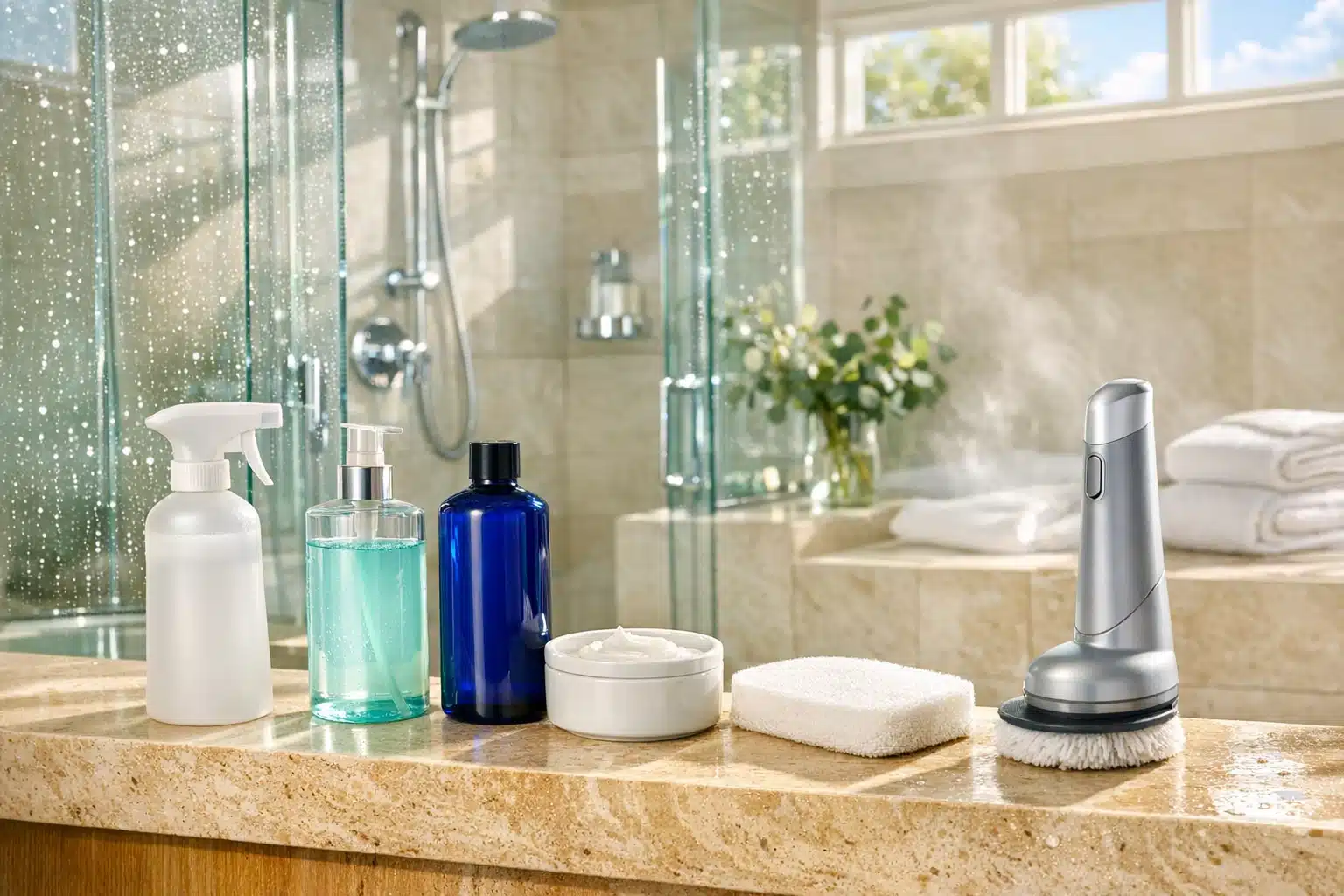
Best Bathroom Scrubber Solutions Available on Amazon
Introduction and Article Outline: Why Bathroom Scrubber Solutions Matter
Bathrooms collect a strange alliance of messes: greasy soap scum, mineral crust from hard water, toothpaste splatter, and damp corners where discoloration loves to settle. A weak cleaner only skims the surface, leaving you to scrub twice as long for half the result. That is why choosing a powerful bathroom scrubber solution from Amazon deserves a closer look than star ratings alone. The right formula saves effort, protects finishes, and makes routine cleaning feel less like punishment and more like progress.
When shoppers search for the best bathroom scrubber solution, they are usually looking for one of three outcomes: faster cleaning, better stain removal, or less elbow grease. The trouble is that these results often come from very different kinds of formulas. A spray that excels on soap film may struggle with calcium deposits. A bleach-based product can brighten grout and handle mildew staining, yet it may be too harsh for certain surfaces or simply too strong-smelling for people who prefer low-odor cleaning. That is why a useful buying guide should not pretend there is one universally perfect bottle. The smarter question is which type of solution is best for your bathroom, your surfaces, and your tolerance for strong chemistry.
This article follows a practical roadmap rather than a hype-driven ranking. It looks at how cleaning power works, what product types commonly sold on Amazon do best, how to match a solution to a specific bathroom problem, and how to shop more intelligently online. Think of it as a field guide for the modern bathroom shelf, where one bottle rarely rules them all.
Article outline:
• What makes a bathroom scrubber solution powerful in real-world cleaning
• The main product categories commonly available on Amazon and how they compare
• Which formulas work best for soap scum, grout, glass, tubs, tile, and hard-water buildup
• How to read Amazon listings, compare value, and avoid buying a cleaner that fights the wrong battle
By the end, you should be able to tell the difference between a general bathroom cleaner and a heavy-duty descaler, between a daily maintenance spray and a deep-clean formula, and between a good deal and a bottle that only looks impressive in a product photo. That clarity matters because the wrong cleaner wastes time, money, and sometimes even the finish on your fixtures.
What Makes a Bathroom Scrubber Solution Powerful
The word powerful gets used freely in cleaning marketing, but in practice it usually refers to a few measurable things: how quickly a formula breaks apart residue, what kinds of soils it targets, how long it needs to sit before wiping, and whether it works with minimal scrubbing. In bathrooms, the main enemies are usually soap scum, body oils, hard-water minerals, rust staining, mildew discoloration, and everyday grime. These are not all chemically alike, so the most effective solution depends on what is actually stuck to the surface.
Soap scum is a combination of soap residues, oils, and minerals. It responds best to surfactants and solvents that loosen greasy films. Hard-water stains are different; they are mostly mineral deposits, so acidic cleaners usually perform better because acids dissolve calcium and lime more effectively than general sprays. Mildew staining and whitening tasks often call for oxidizers such as bleach or hydrogen peroxide. This is why a bathroom cleaner can be excellent in one shower and disappointing in another. The residue tells the story.
A useful way to compare formulas is by function:
• Acid-based cleaners: often strong against limescale, mineral haze, and rust-like buildup
• Surfactant-rich foaming sprays: effective on soap scum and oily residue on tile, tubs, and shower walls
• Bleach-based formulas: commonly used for whitening and tackling mildew stains on suitable surfaces
• Hydrogen peroxide or oxygen-based cleaners: usually milder in odor and often a good middle ground for general grime and light staining
• Cream cleansers or soft abrasives: helpful when residue needs both chemistry and gentle mechanical action
Power also comes from contact time. Many Amazon shoppers underestimate dwell time and overestimate instant spray performance. A cleaner may seem weak if it is wiped off immediately, even though the label expects several minutes of contact. Likewise, scrubbing tools matter. A non-scratch pad, grout brush, drill brush, or powered scrubber can multiply the effect of the solution. Chemistry loosens the bond; the scrubber removes what has been softened. Together, they do the heavy lifting.
Finally, true power includes control. A formula that removes scale but etches marble is not a strong choice for that surface; it is simply the wrong tool. The best bathroom scrubber solution is not the harshest one. It is the one whose chemistry matches the mess while remaining compatible with tile, grout, acrylic, metal, glass, or stone. In cleaning, precision beats brute force more often than people think.
Best Bathroom Cleaner Types Commonly Found on Amazon
Amazon carries a wide spread of bathroom cleaning formulas, from daily shower sprays to heavy-duty descalers. Rather than declaring one bottle the winner for every home, it is more helpful to compare the main product types you will see again and again in search results. The best choice depends on whether your bathroom suffers more from cloudy glass, dingy grout, persistent soap film, or a ring of hard-water scale that seems to have signed a long lease.
Foaming bathroom sprays are among the most popular options because they cling well to vertical surfaces. Products in this category are often chosen for shower walls, tubs, and sink areas where soap scum is the main problem. Their advantage is convenience: spray, let sit, wipe, rinse. Many households prefer them because they feel fast and familiar. However, when buildup is mineral-heavy, these formulas may clean the surface film while leaving chalky deposits behind. In other words, they make the bathroom look better quickly, but not always fully restored.
Acid-focused limescale removers are the specialists of the group. These are often the most effective options for stubborn hard-water spots on glass doors, faucets, and tile lines. If your water leaves white crusty marks or a cloudy ring that resists ordinary cleaners, this is the category worth exploring first. On Amazon, these products often stand out through before-and-after photos, descaling language, and surface-specific instructions. They can be extremely useful, but they also demand caution around natural stone, damaged finishes, and certain metals.
Bleach-based bathroom cleaners remain popular for grout lines, mildew-prone corners, and whitening tasks on suitable surfaces. They can make a neglected shower look brighter fast, which explains their loyal following. Still, they are not automatic champions against mineral scale, and some users dislike the odor or ventilation requirements. Hydrogen peroxide and oxygen-based options sit in a friendlier middle lane. They often appeal to shoppers who want strong cleaning performance without leaning immediately on bleach fumes.
Another category worth mentioning is cream cleansers and soft abrasive formulas. These can be excellent for tubs, sinks, and stubborn rings where a spray alone cannot quite break the hold. Used with a non-scratch sponge or scrubber head, they often provide satisfying results. Commonly discussed Amazon examples across these categories may include well-known household brands, but formulas and availability change over time. That is why the label matters more than the logo.
A sensible comparison framework looks like this:
• Best for soap scum: foaming or surfactant-heavy bathroom sprays
• Best for hard-water scale: acid-based descalers
• Best for whitening grout and mildew staining on appropriate surfaces: bleach-based formulas
• Best low-odor compromise: peroxide or oxygen-based cleaners
• Best for stuck-on residue needing friction: cream cleansers paired with a scrubber
The most powerful option on Amazon is often not a single product but a category matched correctly to the mess in front of you. That is the difference between informed cleaning and hopeful shopping.
How to Match the Right Solution to Your Bathroom Surfaces and Stains
One reason bathroom cleaning feels inconsistent is that people often use one cleaner across every surface and expect identical results. Bathrooms do not cooperate that way. A glass shower door, ceramic tile, chrome fixture, acrylic tub, and marble vanity can all sit within a few feet of one another, yet they respond very differently to the same bottle. Choosing the best bathroom scrubber solution means identifying both the stain and the surface before you spray.
For shower glass with cloudy spotting, hard-water minerals are usually the real issue. A descaling formula is often more effective than a general bathroom cleaner because it targets the mineral layer rather than just the surface grime. For ceramic or porcelain tile, many bathroom cleaners work well, but grout lines often need special attention. Textured grout traps residue in a way smooth tile does not, so a thicker cleaner or one paired with a stiff grout brush usually performs better. When mildew staining appears around caulk or grout, a bleach-based cleaner may brighten the area effectively on compatible surfaces, though proper ventilation and label directions are essential.
Acrylic tubs and fiberglass surrounds deserve more caution. They can scratch more easily than tile, so harsh abrasives or very stiff brushes may dull the finish over time. In those spaces, a foaming spray or cream cleanser used with a non-scratch pad is usually the safer path. Chrome and stainless fixtures often respond well to mild bathroom cleaners, but strong acidic products should be used carefully and rinsed thoroughly to avoid damaging finishes. Natural stone, especially marble or travertine, is the most important exception of all. Acidic bathroom cleaners that work brilliantly on scale can etch stone, leaving a dull mark that is far more serious than the original stain.
A quick matching guide can help:
• Soap scum on shower walls: foaming bathroom cleaner plus a non-scratch scrubber
• Hard-water haze on glass or tile: scale remover or acid-based descaler approved for the surface
• Dingy grout: targeted grout cleaner, peroxide cleaner, or bleach-based product where appropriate
• Acrylic or fiberglass tubs: gentle spray or cream cleanser with soft scrubbing action
• Marble or natural stone: stone-safe cleaner only, never assume a bathroom cleaner is safe by default
There is also the question of frequency. A strong weekly cleaner can reduce the need for punishing deep cleans, while a light daily spray can slow buildup before it hardens. Many households benefit from a two-product strategy: one maintenance cleaner for routine use and one heavier solution for scale or grout. It may sound less elegant than the dream of a single miracle bottle, but it is usually more effective, more surface-safe, and surprisingly more economical over time.
Shopping Smarter on Amazon and Final Recommendations for Different Buyers
Amazon makes comparison easy on the surface, but bathroom cleaner shopping still benefits from a careful eye. A bold product title can tell you very little about what is actually inside the bottle. The smarter approach is to read the product description for active cleaning purpose, check the label images for surface restrictions, compare bottle size against price, and skim recent reviews for patterns rather than drama. One angry review may reflect misuse; fifty reviews mentioning weak spray nozzles or harsh fumes tell a more useful story.
Value is not only about cost per bottle. Concentrated formulas may look expensive at first yet deliver more total uses. Refill systems can reduce long-term cost and plastic waste. On the other hand, some highly rated cleaners are really maintenance sprays, not deep-clean products, so they can seem affordable while underperforming against heavy buildup. This is where Amazon listings require interpretation. A product praised for keeping a clean shower fresh may not be the best first choice for restoring a neglected one.
Before buying, consider this checklist:
• What is my main problem: soap scum, scale, mildew staining, grime, or all of the above
• What surfaces am I cleaning: tile, grout, acrylic, glass, chrome, stone
• Do I want low odor, bleach strength, or a middle-ground formula
• Am I pairing the solution with a manual scrubber, electric scrubber, sponge, or drill brush
• Does the label mention dwell time, ventilation, and rinsing requirements
Safe use matters as much as smart shopping. Never mix bathroom cleaners unless the label clearly says it is safe, and never combine bleach with other strong chemicals. Good ventilation, gloves when appropriate, and a spot test on less visible areas are simple habits that prevent expensive mistakes. Even the best scrubber solution works better when the surface is used correctly: apply enough product, allow the stated contact time, scrub with the right level of firmness, and rinse thoroughly if directed.
For renters or busy households, a versatile foaming cleaner paired with a non-scratch scrubber is often the most practical starting point. For homes in hard-water areas, keeping a dedicated descaler on hand is usually the real game changer. For grout-heavy showers or mildew-prone corners, a whitening or peroxide-based cleaner may earn its place quickly. For sensitive finishes, gentler and surface-specific products are worth the extra care.
Conclusion for shoppers: the best bathroom scrubber solution available on Amazon is rarely the loudest, strongest, or most aggressively marketed option. It is the one that matches your residue, respects your surfaces, and fits your cleaning style. Choose with that logic, and your next bottle is far more likely to feel like a smart tool than another hopeful experiment under the sink.