Best Foods That May Help Support Nerve Health in Seniors With Foot Neuropathy
Foot neuropathy can make an ordinary walk feel oddly complicated, especially for seniors who are already managing balance changes, arthritis, or diabetes. Tingling, numbness, burning, and sudden jolts in the feet can chip away at sleep, confidence, and day-to-day independence. Food will not cure nerve damage, yet a thoughtful diet may support blood sugar control, circulation, and nutrient intake that nerves rely on. That makes the dinner plate more than routine; it becomes one practical place to build comfort, stability, and long-term resilience.
This guide is organized in five parts so the topic feels clear rather than overwhelming. First, it explains why nutrition matters and where food fits alongside medical care. Next, it looks at protein, B vitamins, and minerals that help nerves do their job. Then it explores colorful produce and healthy fats, followed by a section on blood sugar-friendly carbohydrates and hydration. Finally, it brings everything together with practical advice for seniors and caregivers who want meals that are realistic, affordable, and easier on sensitive feet.
1. Why Food Matters When Foot Neuropathy Shows Up
Foot neuropathy is not a single disease. It is a pattern of nerve-related symptoms that may include numbness, burning, pins-and-needles sensations, weakness, or sharp pain in the feet. In older adults, it is often linked to diabetes, vitamin deficiencies, alcohol overuse, certain medications, kidney problems, or long-term nerve wear and tear. Because the causes vary, food is not a stand-alone fix. Still, nutrition matters more than many people realize, especially when the goal is to support the body systems that keep nerves functioning as well as possible.
Think of nerves as tiny electrical messengers wrapped in delicate insulation. They need a steady supply of oxygen, blood flow, energy, and specific nutrients to send signals properly. When blood sugar stays high for long periods, as it can in diabetes, those nerves can be injured over time. When a senior is low in vitamin B12 or other key nutrients, the repair process may falter. When meals are dominated by heavily processed foods, inflammation, poor glucose control, and inadequate nutrient intake may stack the deck in the wrong direction.
That is why the best foods for seniors with foot neuropathy usually fall into a few useful categories: foods that help stabilize blood sugar, foods rich in nerve-supporting vitamins, and foods that promote heart and blood vessel health. Better circulation does not magically erase neuropathy, but it helps tissues get the oxygen and nutrients they need. A plate that supports metabolic health also tends to support energy, weight management, and mobility, all of which matter when walking already feels uncertain.
Food is best viewed as daily maintenance rather than emergency repair. Medication, physical activity, proper footwear, foot checks, and medical follow-up are often part of the larger plan. But meals happen every day, and that makes them powerful. One breakfast will not change much. A pattern followed for months can. Seniors and caregivers who understand that difference usually make better decisions, because they stop searching for miracle foods and start building reliable habits instead.
2. Protein, Vitamin B12, and Other Nutrients Nerves Depend On
If there is one group of nutrients that deserves special attention in neuropathy, it is the set involved in nerve structure and signaling. Protein supplies amino acids needed for tissue maintenance. Vitamin B12 is especially important because deficiency can contribute to numbness, tingling, balance trouble, and cognitive changes. Older adults are at higher risk for low B12 because absorption may decline with age, and some common medications, including acid-reducing drugs and metformin, can affect levels in certain people.
Foods rich in B12 and high-quality protein include fish, eggs, milk, yogurt, cheese, poultry, and lean meat. For many seniors, yogurt and eggs are especially practical because they are soft, easy to prepare, and generally simple to portion. Salmon offers a useful two-for-one combination by providing both protein and omega-3 fats. Sardines are another strong choice and are often less expensive. Compared with processed breakfast meats or breaded frozen meats, these options usually deliver more nutrition with less sodium, refined starch, and added fat.
Other nutrients also deserve space at the table. Folate, thiamine, and vitamin B6 all play roles in nerve health, although it is worth noting that excessive vitamin B6 from supplements can itself be a problem. From food, however, B6-rich choices such as chicken, potatoes, bananas, chickpeas, and fortified cereals are typically safe and useful. Magnesium helps with muscle and nerve function and can be found in beans, nuts, seeds, spinach, and whole grains. Vitamin D is not a cure for neuropathy, but low levels are common in older adults, and foods such as fortified dairy products, fortified plant milks, eggs, and fatty fish can help support intake.
A practical shopping list might include:
- Eggs for easy breakfasts and added protein
- Greek yogurt for protein, calcium, and convenience
- Salmon, trout, or sardines for protein plus healthy fats
- Beans and lentils for fiber, magnesium, and steady energy
- Fortified cereals or fortified plant milks for extra B vitamins in selective diets
For seniors who eat little meat, fortified foods and regular medical review become even more important. In some cases, a doctor may recommend blood testing or a supplement, especially for B12. But even then, food remains the foundation. A well-built plate does not just feed the body; it gives nerves the raw materials they constantly need.
3. Colorful Produce and Healthy Fats: Foods That Help the Whole System Work Better
Nerve health does not happen in isolation. It depends on the condition of blood vessels, the quality of the diet overall, and the body’s ability to manage oxidative stress and inflammation. That is where colorful fruits, vegetables, nuts, seeds, olive oil, and fatty fish become especially valuable. These foods do not act like painkillers, and they should not be described that way. Their strength is quieter. They help shape the internal environment in which nerves, blood vessels, and muscles have to operate every day.
Berries, cherries, oranges, kiwi, and apples bring vitamin C, plant compounds, and fiber. Dark leafy greens such as spinach, kale, and collards provide folate, magnesium, and antioxidants. Bell peppers, tomatoes, broccoli, and carrots add color and variety while helping seniors build meals that are naturally lower in refined sugar and higher in nutrient density. If the plate looks like a garden instead of a vending machine, it is usually moving in the right direction.
Healthy fats matter too. Olive oil, avocado, walnuts, almonds, chia seeds, flaxseeds, and oily fish support heart health, and that matters because nerves rely on circulation. Compared with a meal built around fries, pastries, or heavily fried foods, a meal with salmon, roasted vegetables, and olive oil is more likely to support stable energy and a better nutrient profile. Even simple swaps help. A handful of walnuts is usually a stronger snack choice than a bag of chips. Plain oatmeal with berries and ground flaxseed generally brings more fiber and less sugar than sweet pastries or frosted cereal.
Some seniors benefit from thinking in colors rather than in rules. Aim for deep green, red, orange, blue, and purple foods across the week. That approach naturally increases variety and makes meals more enjoyable. Flavor also matters. Herbs and spices such as turmeric, ginger, cinnamon, garlic, and rosemary can make healthy meals taste lively without leaning so heavily on salt or sugar. A plate that is both vibrant and appealing is easier to stick with, and long-term consistency is where the real benefit lives.
One note of realism: if chewing is difficult, texture can be adjusted without sacrificing quality. Soft-cooked vegetables, soups, stewed beans, smoothies with unsweetened yogurt, and mashed avocado on whole-grain toast can all deliver the same core nutrients in a gentler form.
4. Blood Sugar-Friendly Carbohydrates, Fiber, and Hydration for Steadier Days
For seniors with diabetic neuropathy, or even those with prediabetes and fluctuating glucose, carbohydrate quality matters enormously. Nerves do not appreciate dramatic highs and lows in blood sugar. Meals based on refined grains, sugary drinks, candy, or oversized desserts can push glucose upward quickly, then leave energy lagging afterward. In contrast, foods rich in fiber tend to digest more slowly, helping create a steadier rise in blood sugar and often improving fullness as well.
That makes oats, barley, brown rice, quinoa, beans, lentils, sweet potatoes, and intact whole grains useful staples. They are not carb-free, but they are generally more supportive than white bread, sweet pastries, sugary cereal, or large servings of white rice eaten without protein or vegetables. Pairing matters too. An apple with peanut butter, lentil soup with a side salad, or oatmeal topped with nuts is usually kinder to glucose control than eating a sweet food by itself. The goal is not to fear carbohydrates. It is to choose better ones and build meals that are balanced.
Useful swaps include:
- Oatmeal instead of sweetened boxed cereal
- Beans or lentils instead of large portions of fries
- Whole-grain toast instead of white toast with jam alone
- Fresh fruit instead of fruit juice
- Baked sweet potato instead of refined snack crackers
Hydration deserves more credit than it gets. Older adults sometimes drink less because of reduced thirst, mobility limitations, or concern about frequent bathroom trips. Mild dehydration can worsen fatigue, dizziness, and general discomfort, none of which helps when neuropathy already makes walking feel uncertain. Water, milk, unsweetened tea, and broth-based soups can all contribute to fluid intake. If plain water feels boring, sliced lemon, cucumber, or berries can make it more inviting.
Alcohol is another consideration. Heavy alcohol use can damage nerves and also displace nutrient-rich foods. Even moderate intake may not suit everyone, especially seniors on multiple medications or those with poor balance. Added sugars and ultra-processed snack foods also deserve caution. They are easy to overeat, often low in useful nutrients, and rarely help with glucose control. When the foot feels hot, numb, or strangely absent beneath the body, steadier fuel becomes more than a nutrition slogan. It becomes part of staying upright, clear-headed, and confident.
5. Conclusion for Seniors and Caregivers: Building a Plate That Supports Daily Life
The most helpful diet for foot neuropathy in seniors is rarely exotic. It usually looks like a calm, sensible pattern repeated often enough to matter: protein at meals, plenty of vegetables, fruit in reasonable portions, fiber-rich carbohydrates, healthy fats, and fewer heavily processed foods. That pattern will not reverse every case of nerve damage, but it may help support blood sugar control, circulation, energy, and nutrient intake, all of which influence how the body copes. For many older adults, that is a meaningful gain.
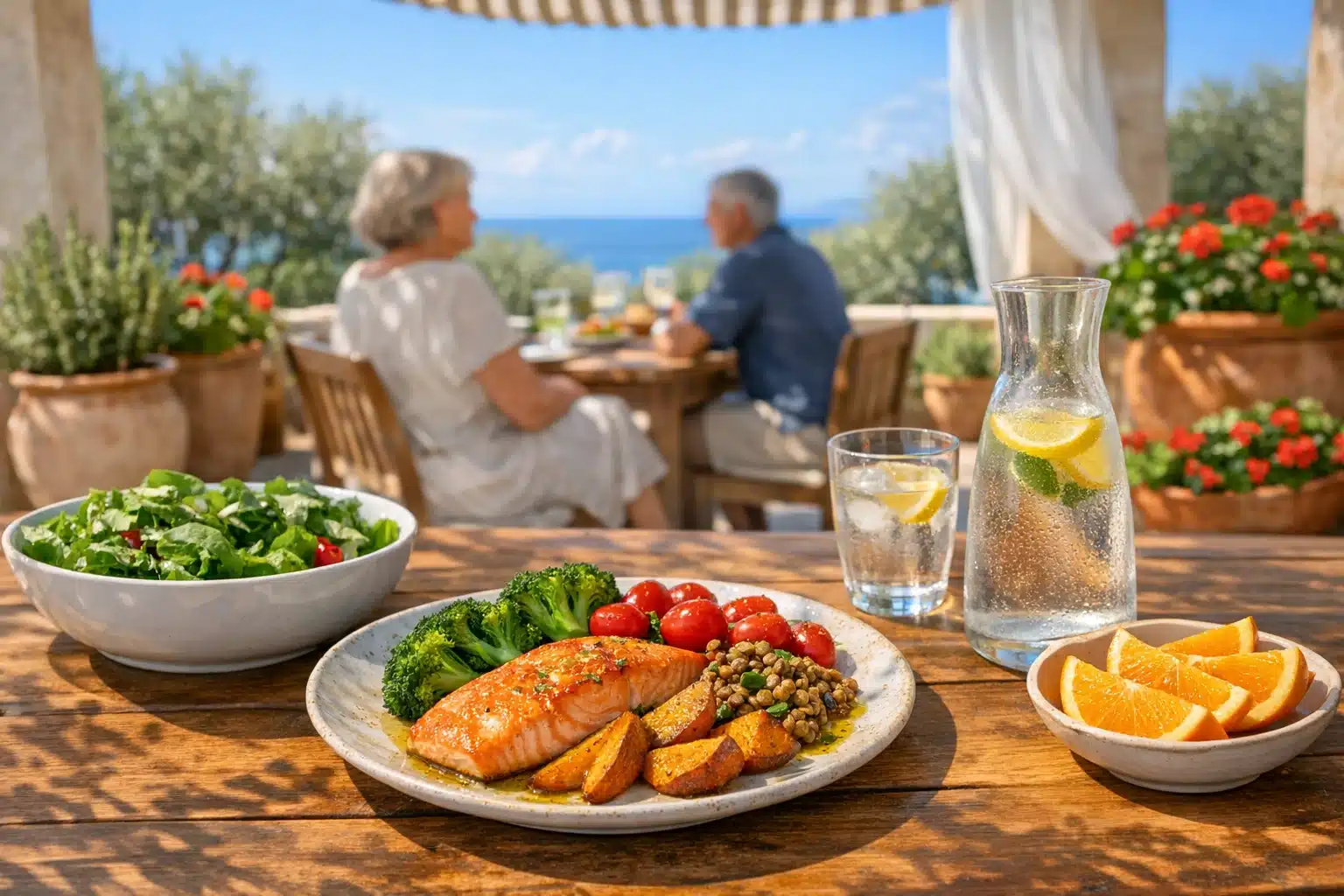
A practical day of eating might be simple. Breakfast could be oatmeal with berries, ground flaxseed, and plain yogurt. Lunch might be lentil soup, a side salad, and whole-grain toast. Dinner could be baked salmon or beans, roasted vegetables, and a small serving of brown rice or sweet potato. Snacks could include nuts, cottage cheese, fruit, or hummus with sliced vegetables. None of that is glamorous, and that is precisely the point. Good food for neuropathy should fit ordinary life, not require a second career in meal preparation.
Caregivers can help by reducing friction. Keep eggs, yogurt, canned low-sodium beans, frozen vegetables, oats, tuna, and fruit on hand. Use pre-washed greens and microwaveable whole grains if standing in the kitchen is tiring. If appetite is poor, smaller meals may work better than three large ones. If chewing is difficult, choose softer foods such as soups, stews, yogurt bowls, scrambled eggs, mashed beans, and cooked vegetables. Nutrition works best when it is accessible, not idealized.
It is also wise to remember when food alone is not enough. A senior with worsening numbness, new weakness, foot sores, sudden pain, or major balance changes needs medical attention. Some cases of neuropathy involve treatable vitamin deficiencies, medication side effects, or other underlying problems that should be identified. A registered dietitian or physician can help tailor meals if diabetes, kidney disease, heart disease, or swallowing issues are part of the picture.
For seniors living with foot neuropathy, the goal is not a perfect plate. It is a dependable one. Every meal is a small vote for steadier blood sugar, stronger nourishment, and better day-to-day function. Over time, those votes add up, and that steady rhythm is often where real support begins.