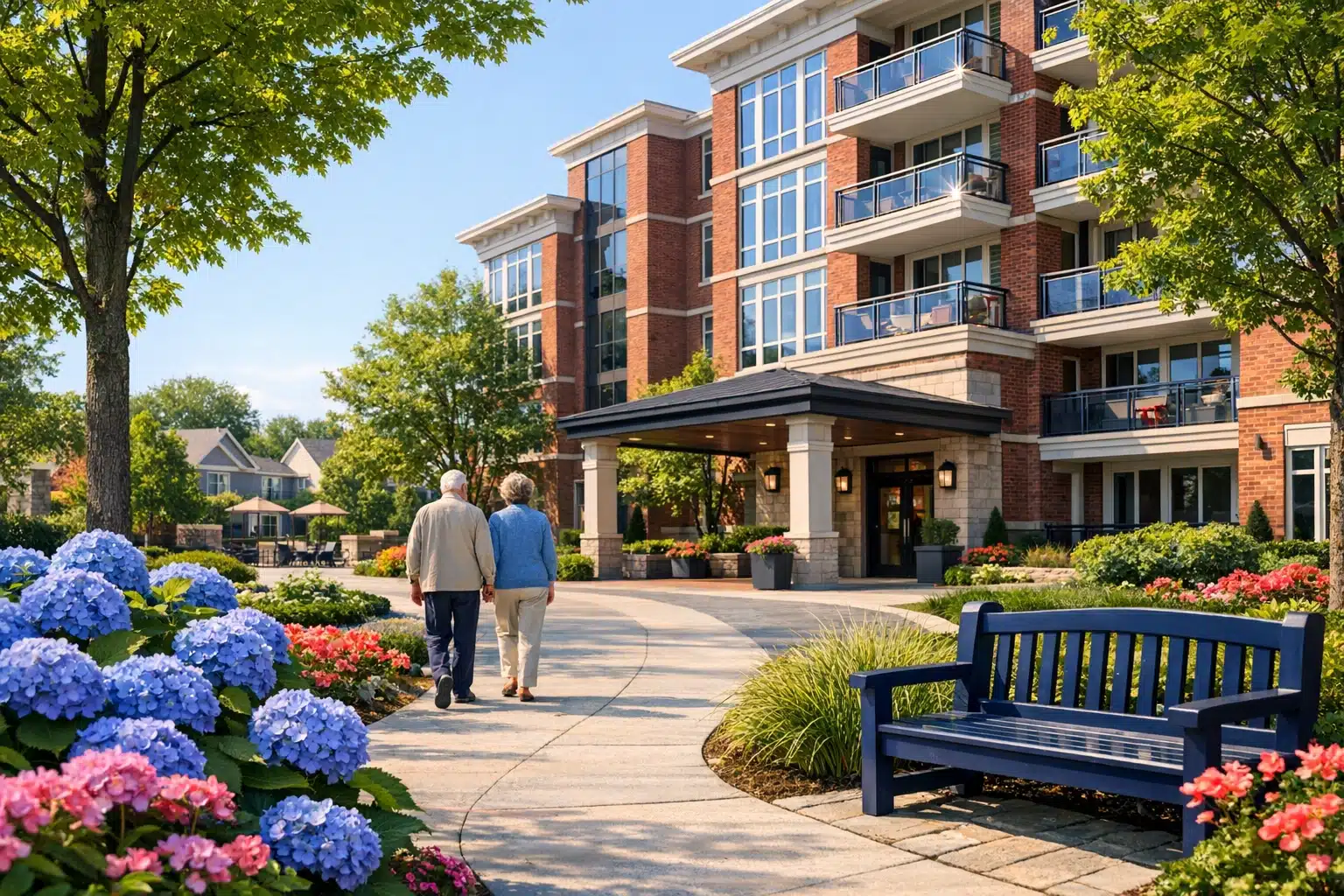
Discover Comfortable 2 Bed 2 Bath Apartments for Seniors in the US
Why a 2 Bed 2 Bath Apartment Can Be a Smart Choice for Seniors
Finding the right apartment later in life is rarely just about square footage; it is about comfort, privacy, routine, and the quiet confidence that home still works for you. A 2 bed 2 bath layout gives many seniors room for visiting family, a hobby space, or a caregiver without making daily living feel crowded. Across the US, these apartments are appearing in independent living communities, age-restricted developments, and conventional rentals with senior-friendly features. This guide explains how to compare them with a clear eye, from floor plans and accessibility to pricing, neighborhoods, and lease details.
For many older adults, a one bedroom can feel efficient at first and restrictive later. Life changes in subtle ways. A spouse may need a quieter place to rest, an adult child may visit more often, or medical equipment may need a sensible corner rather than the middle of the living room. A second bedroom creates breathing room without the upkeep of a large house. The second bathroom can be just as important, especially for couples with different schedules, mobility concerns, or a preference for added privacy.
These apartments also fit a wide range of living situations. Some residents want an independent lifestyle in a 55-plus community with social programming. Others prefer a standard apartment building near family, a favorite doctor, or a familiar grocery store. There are also senior-focused rental communities designed with wider doorways, step-free entries, elevators, emergency response systems, and accessible showers. In other words, the same floor plan name can mean very different things depending on the property.
This article is organized to help seniors and families sort through those differences in a practical way. It covers the main points people usually weigh before moving:
- How layout affects safety, convenience, and comfort
- What amenities and accessibility features truly matter day to day
- How rent, utilities, deposits, and service fees shape the total monthly cost
- Why neighborhood quality can matter as much as the apartment itself
- Which questions can reveal whether a community is a good long-term fit
There is also an emotional side to this search. Home should support independence without creating stress. A well-matched 2 bed 2 bath apartment can offer enough space to live fully, host loved ones, and plan ahead with confidence. That is why this topic matters: it sits at the intersection of housing, health, routine, and peace of mind.
Layout, Accessibility, and Everyday Comfort: What to Look for Inside the Apartment
A comfortable senior apartment starts with the way space works in ordinary moments, not just how it looks during a tour. A 2 bed 2 bath layout tends to appeal to older renters because it creates flexibility. One bedroom may serve as the primary sleeping area, while the second becomes a guest room, office, craft space, or a place for a home health aide to stay when needed. That extra room is often the difference between feeling settled and feeling squeezed.
The best layouts usually minimize unnecessary walking and awkward turns. Many seniors do well in apartments where the kitchen, dining area, and living room are connected in a clear, open arrangement. Open does not mean oversized. It means easy to navigate, easy to clean, and easy to use with a walker or wheelchair if mobility changes later. Hallways should be wide enough to move comfortably, and doors should open without forcing tight maneuvering.
Bathrooms deserve special attention. In a strong 2 bed 2 bath design, the primary bathroom may connect to the main bedroom, while the second bath is accessible from the hallway or guest room. That setup gives couples privacy and makes visits easier for friends or family. Practical features often matter more than decorative finishes. Helpful examples include:
- Walk-in showers with low or no thresholds
- Grab bar reinforcement or installed bars near the toilet and shower
- Non-slip flooring
- Comfort-height toilets
- Vanities with good lighting and storage that do not require deep bending
Kitchens are another make-or-break detail. Seniors often appreciate lower-maintenance materials, clear task lighting, easy-grip cabinet hardware, and appliances with readable controls. A side-by-side refrigerator may be easier to access than a top-freezer model for some residents. Lever-style faucet handles can also be simpler for hands affected by arthritis.
Storage should never be an afterthought. A floor plan can look spacious on paper yet become frustrating if there is nowhere to place extra linens, medications, paperwork, winter coats, or mobility aids. Look for closets that are reachable without climbing, laundry areas that do not require navigating stairs, and shelves that can be used safely from the floor. In many US properties, two-bedroom senior apartments commonly range from roughly 900 to 1,300 square feet, but square footage alone does not guarantee comfort. A thoughtful smaller apartment can outperform a poorly arranged larger one.
During a tour, imagine the rhythm of an ordinary Tuesday morning. Can you move from bed to bath without obstacles? Is there enough room beside the bed for nightstands, a walker, or oxygen equipment if needed later? Does the second bathroom reduce stress for guests or caregivers? When an apartment answers those questions well, comfort stops being an abstract promise and becomes something you can actually live with every day.
Understanding Costs, Lease Terms, and Budget Planning Across the US
Rent is the number everyone notices first, but the real cost of a senior apartment is broader than the monthly figure on an online listing. A 2 bed 2 bath apartment may carry a higher base rent than a smaller unit, yet it can still be the wiser value if it reduces future moving costs, supports aging in place, or allows space for occasional help. In some cities, the jump from one bedroom to two is modest. In others, especially high-demand metro areas, the price difference can be substantial. Regional variation matters a great deal in the US.
Properties aimed at seniors fall into several broad buckets, and pricing structures differ between them. Age-restricted apartment communities usually charge market-based rent, much like standard rentals, though they may include social amenities or accessibility features. Independent living communities can bundle more services, such as housekeeping, transportation, meals, or organized activities, which changes the cost comparison entirely. A conventional apartment building may have the lowest advertised rent, but it may offer fewer built-in supports.
When building a realistic budget, it helps to look beyond the headline number. Ask for a full monthly estimate that includes as many recurring items as possible:
- Base rent
- Utilities, including electricity, water, trash, and internet
- Parking or garage fees
- Pet fees if relevant
- Amenity charges or community fees
- Renter’s insurance requirements
- Laundry costs if machines are not in the unit
Some communities also require application fees, administrative fees, security deposits, move-in fees, or one-time charges for key fobs and access cards. Those costs are easy to overlook when comparing properties quickly. Families should also ask whether rent increases are annual and how much notice is given before changes take effect. A slightly higher rent with predictable terms may feel safer than a cheaper unit with uncertain future pricing.
Affordability should be measured against total living expenses, not rent in isolation. For example, an apartment close to doctors, groceries, and social activities may reduce transportation costs and make daily life simpler. Likewise, a property with elevators, maintenance support, and safer bathroom design can lower the chance of needing expensive modifications after move-in. That is a quiet but meaningful form of value.
It is also wise to discuss lease flexibility. Seniors and families may need to know what happens if health needs change, if a spouse passes away, or if a resident needs to move closer to family. Ask whether the lease allows early termination under specific circumstances, what notice is required, and whether subletting is prohibited. Good housing decisions are not only about what fits today; they are also about how gracefully a home can adapt to tomorrow.
Comparing Communities, Neighborhoods, and Lifestyle Fit
Even a beautiful apartment can feel wrong if the surrounding environment does not support daily life. For seniors, the neighborhood and community setting often shape satisfaction as much as the floor plan itself. A 2 bed 2 bath apartment may look ideal online, yet the bigger question is whether the location makes errands, healthcare, social connection, and routine movement easier rather than harder.
Start with access. A practical location usually places residents near essential destinations such as primary care offices, pharmacies, grocery stores, banks, places of worship, and parks or walking paths. If driving is still part of daily life, evaluate parking convenience, lighting, and the ease of getting in and out of the property. If driving is no longer preferred, public transportation, ride-share availability, and shuttle services become much more important. In suburban areas, a lovely apartment can quickly become isolating if every errand requires a car and long travel times.
The type of community matters too. Senior renters generally encounter three common environments:
- Age-restricted communities, often limited to residents 55 and older
- Independent living communities with hospitality-style services and social programming
- Standard apartment buildings that may or may not include senior-friendly design
Each setting has strengths. Age-restricted properties often strike a balance between independence and shared stage-of-life experiences. Independent living can add convenience through dining options, events, or transportation, though the cost may be higher. Standard rentals may offer more location choices, especially in urban neighborhoods near family or public transit, but they may require more careful screening for accessibility and resident support.
Noise, safety, and atmosphere also deserve close attention. Visit at different times of day if possible. A calm lobby at noon may not reveal evening traffic noise, busy parking lots, or poor hallway lighting. Notice whether common areas feel welcoming and usable. Are residents chatting comfortably, or does the building feel vacant and disconnected? A good apartment community often has intangible signs of care: clean shared spaces, responsive staff, visible maintenance, and a sense that routines are respected.
Social fit should not be treated as a minor issue. Loneliness can affect quality of life as strongly as a poor floor plan. Some seniors want clubs, fitness classes, and regular events. Others prefer privacy with only occasional opportunities to connect. Neither preference is wrong. What matters is alignment. A lively community can energize one resident and exhaust another.
Think of the neighborhood as the outer room of the apartment. If sidewalks are uneven, stores are far away, and the building feels impersonal, the extra bedroom will not solve the deeper mismatch. When location, community style, and daily needs line up, the apartment starts to feel less like a unit number and more like a stable place to live well.
A Final Checklist for Seniors and Families Before Choosing a Home
By the time a senior or family reaches the final stage of apartment hunting, the search usually becomes less about browsing and more about decision quality. This is where a clear checklist can prevent rushed choices. A 2 bed 2 bath apartment may seem like the perfect answer, but the best fit is the one that balances comfort, budget, access, and future flexibility in a realistic way.
Begin by reviewing how the apartment supports both present needs and possible changes ahead. A home that works only under ideal conditions may become stressful later. Think about mobility, storage, bathing safety, guest space, and the ease of daily tasks such as cooking, laundry, and medication management. If one resident experiences a health change, can the layout still function without major disruption? That question alone can separate a nice apartment from a durable housing choice.
It helps to compare finalists side by side using practical criteria rather than memory alone. A written list can make trade-offs clearer:
- How easy is it to enter the unit and move through it safely?
- Does the second bedroom have a real purpose for this household?
- Are both bathrooms usable and well designed?
- What is the total monthly cost after fees and utilities?
- How close are doctors, groceries, family, and transportation?
- What services or amenities are included, and which are optional?
- How responsive and transparent does management seem?
Touring with another person is often useful because different people notice different things. One may focus on lighting, while another catches slow elevators, confusing lease language, or limited bathroom grip points. Families should also ask management direct questions and request answers in writing when possible. Clarity now can prevent frustration later.
For seniors who are leaving a longtime home, emotion is part of the process and should not be dismissed. Downsizing can bring relief, but it can also stir grief, uncertainty, or hesitation. That is normal. A good move is not just efficient; it should feel respectful of the life already built. The ideal apartment does not need to be flashy. It needs to be steady, workable, and welcoming.
In summary, seniors looking for a comfortable 2 bed 2 bath apartment in the US should focus on four things above all: a layout that supports independence, a total cost they can sustain, a location that keeps daily life connected, and a lease that does not create unnecessary risk. Families can help by asking careful questions and resisting pressure to decide too quickly. When those pieces come together, the result is more than a rental decision. It is a home base for the next chapter, with enough space to live independently, receive support when needed, and enjoy the everyday ease that matters most.