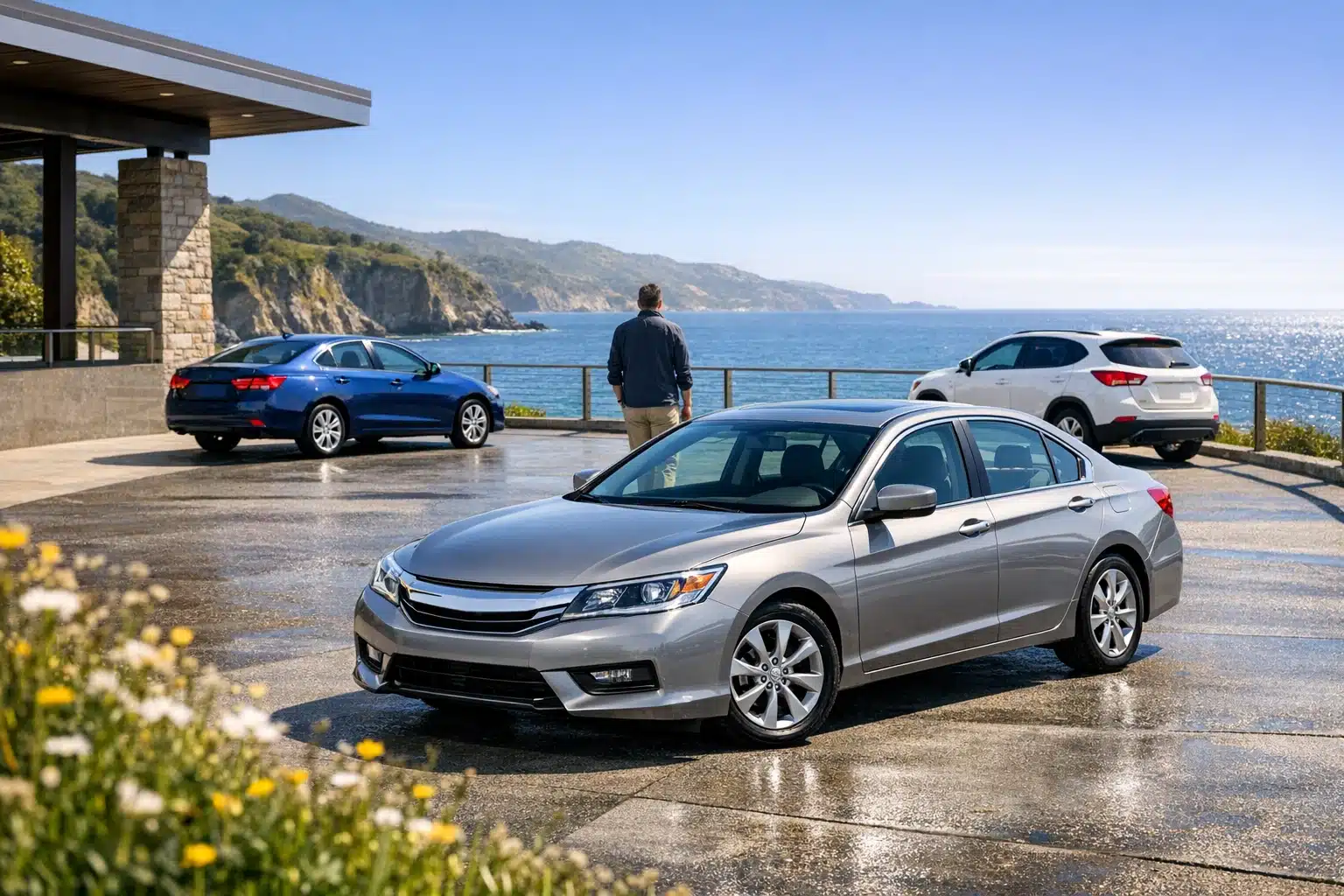
Factors to Consider When Buying a Used Toyota Car
Buying a used Toyota often looks easy because the brand has earned trust over decades, yet a reliable nameplate is never a substitute for careful evaluation. Condition, maintenance habits, accident history, pricing, and generation-specific issues all influence whether the car becomes a sensible long-term buy or a frustrating drain on your wallet. This article breaks the process into practical checkpoints so you can compare vehicles with a clearer eye, ask better questions, and choose a Toyota that truly suits your budget, mileage needs, and everyday routine.
Article outline:
- Choosing the right Toyota model and trim for your lifestyle
- Reviewing vehicle history, service records, and ownership patterns
- Inspecting mechanical condition, body quality, and road behavior
- Understanding mileage, age, pricing, and long-term ownership costs
- Comparing sellers, negotiating fairly, and completing the paperwork safely
1. Choose the Right Used Toyota for the Way You Actually Live
The first mistake many buyers make is searching for a “good used Toyota” without defining what good means for their own needs. Toyota builds everything from compact commuters to family SUVs and work-ready trucks, so the best choice depends less on brand reputation and more on daily use. A Corolla may be ideal for a long commuter route because it is compact, efficient, and generally inexpensive to maintain. A Camry can offer more cabin space and highway comfort. A RAV4 suits buyers who want a higher seating position and flexible cargo room, while a Highlander makes more sense for households that need three rows. If fuel savings rank at the top of the list, a Prius or Toyota hybrid variant deserves serious attention, but hybrid ownership also means checking battery condition and maintenance history carefully.
Think beyond the first week of ownership. Ask yourself how the car will serve you during ordinary days, not just during the test drive. Will it fit in your parking space? Does it need to carry sports gear, strollers, or work tools? Are you driving mostly in city traffic, on highways, or on rough winter roads? This practical lens helps separate real needs from impulse buys. A used Tacoma might look rugged and appealing, but if you rarely haul cargo and mostly drive in town, its higher fuel use and truck-like ride may not feel charming after a few months.
- Corolla: strong option for commuting, student drivers, and budget-focused ownership
- Camry: balanced choice for drivers who want comfort, size, and broad parts availability
- RAV4: practical for families, cargo flexibility, and mixed urban-suburban use
- Prius: useful for buyers prioritizing fuel economy and frequent stop-and-go driving
- Tacoma or 4Runner: best for buyers who truly need utility, ground clearance, or towing capability
Trim level matters almost as much as model choice. A mid-level trim from one year may have better safety and convenience features than a higher trim from an older generation. Compare essentials such as driver-assistance technology, infotainment compatibility, seat materials, climate controls, and wheel size. Larger wheels may look sharper, but they can raise tire costs. Leather may feel upscale, but fabric may age better in a family car.
It also helps to research model-year trends. Even dependable brands have stronger and weaker years, design updates, and changing transmissions or engines. Before visiting a seller, check recall history, owner forums, and long-term reliability feedback from multiple sources. In short, begin with fit, not fantasy. The right used Toyota is the one that quietly handles your life without asking you to reorganize it around the car.
2. Study the Vehicle History and Service Records Like a Detective
A used car always arrives with a past, and that past often tells you more than the shine of the paint ever will. When evaluating a used Toyota, one of the most valuable steps is gathering as much documented history as possible. Start with the vehicle identification number, or VIN. With it, you can review title history, accident reports, recorded mileage entries, recall information, and in some cases service visits. Commercial history reports can be helpful, but they are not perfect. Not every repair or incident gets recorded, which is why documents from the owner matter too.
A clean title is a strong starting point. Salvage, rebuilt, flood, or lemon-law branding should prompt extra caution and a lower level of trust unless the vehicle has been inspected thoroughly by an expert and priced accordingly. Accident history also deserves context. A minor bumper repair is different from structural collision damage. If the seller says a crash was “nothing serious,” ask for invoices, body shop records, and before-and-after details. Calm answers backed by paperwork are better than polished stories with missing pages.
Service records can reveal the owner’s habits, and ownership habits shape the future of the car. Toyota vehicles often hold up well over time, but they still depend on basic care. Oil changes, brake service, tire rotations, coolant replacement, transmission service when applicable, and scheduled inspections all matter. For hybrids, battery cooling system maintenance and hybrid-related checks become especially important. A stack of dated receipts can be more comforting than a recently detailed dashboard.
- Look for consistent mileage progression over the years
- Confirm whether recalls were completed
- Review how many owners the car has had and how long each kept it
- Check for repeated repairs that may point to an unresolved issue
- Verify whether the title is free of liens before payment
One-owner vehicles are often attractive, but owner count alone should not decide the sale. A two-owner Toyota with excellent records can be a better purchase than a one-owner example that skipped maintenance. The same logic applies to dealer servicing versus independent shop servicing. Both can be acceptable if the records are clear and consistent.
Ask direct questions without sounding hostile. Why is the car being sold? How long has the seller owned it? Has it ever been smoked in, flooded, or used for heavy towing? When were the tires and brakes last replaced? Honest sellers usually answer in a steady, detailed way. Evasive answers, missing paperwork, or a mismatch between the story and the records should slow the process down. A used Toyota can be durable, but history still leaves fingerprints, and wise buyers learn to read them.
3. Inspect Mechanical Condition, Body Quality, and Test-Drive Behavior Carefully
Once the model fits your needs and the history looks promising, the physical inspection becomes the moment when the car either supports the story or quietly contradicts it. This step matters because even a generally dependable Toyota can hide expensive issues beneath a tidy exterior. Walk around the vehicle slowly and look at it in good daylight if possible. Uneven panel gaps, paint shades that do not quite match, overspray near trim, or headlights of different age can suggest past body repairs. A glossy hood can behave like stage lighting, drawing your eyes toward reflections and away from the clues sitting at the edges. Pay attention to the edges.
Check the tires first. They reveal a surprising amount about suspension condition, alignment, and ownership habits. Uneven wear may point to poor alignment, worn suspension parts, or neglected maintenance. Confirm that all four tires are the same type and reasonable age. Then inspect the windshield, lights, mirrors, underbody, and door seals. In regions with harsh winters, rust deserves close attention, especially around wheel arches, suspension components, subframes, and the underside of doors.
Inside the cabin, test every function you can touch. Windows, locks, mirrors, seat adjustments, infotainment controls, backup camera, charging ports, air conditioning, heater, warning lights, wipers, and steering-wheel buttons should all work properly. The interior can also reveal how the car was treated. Excessive wear on the steering wheel, pedals, or driver’s seat may suggest heavier use than the odometer alone implies.
The engine bay should look orderly, but not suspiciously washed to the point that leaks are hidden. Check fluid levels and condition where appropriate. Look for oil seepage, brittle hoses, corrosion around the battery, and signs of recent patchwork. If the vehicle is a hybrid, ask whether a technician has inspected the battery system and whether any warning messages have appeared.
- Start the engine cold if possible and listen for rough idle, ticking, or smoke
- Drive at city speeds and highway speeds
- Test braking for vibration, pulling, or squealing
- Notice steering response, suspension noise, and transmission smoothness
- Watch the dashboard for warning lights during and after the drive
On the road, the car should accelerate smoothly, track straight, and feel composed over bumps. A delayed transmission response, clunks over rough pavement, or a steering wheel that sits crooked can indicate hidden repair bills. Even if everything feels fine, a pre-purchase inspection by an independent mechanic is one of the smartest investments in the entire buying process. It costs far less than discovering a worn suspension, fluid leak, or electronic fault after the papers are signed. Think of that inspection not as distrust, but as translation. It turns a used car’s body language into plain English.
4. Balance Mileage, Age, Price, and the Real Cost of Ownership
Many buyers fixate on mileage because it is simple to compare, but mileage alone rarely tells the whole story. A well-maintained Toyota with higher highway mileage can be a better purchase than a lower-mileage example that sat unused for long periods, skipped service, or spent years making only short trips. Highway use tends to be easier on engines, brakes, and transmissions than constant stop-and-go driving. That said, age still matters. Rubber seals, hoses, bushings, electronics, and batteries can deteriorate over time even when the odometer looks appealing. The smart move is to weigh age and mileage together, then layer in maintenance history and condition.
Pricing also deserves more discipline than many buyers give it. Toyota vehicles often retain value well, which is good for resale but can tempt sellers to ask too much. Compare the car against similar listings in your local market with the same model year, trim, mileage range, and condition. A low advertised price is not always a bargain. It may reflect overdue tires, cosmetic damage, missing records, a branded title, or unresolved mechanical issues. On the other hand, a slightly higher price can make sense if the vehicle has fresh maintenance, strong records, quality tires, and no pending repairs.
Consider the ownership costs waiting beyond the purchase price. Insurance, fuel use, registration fees, taxes, tire replacement, brake service, and any loan costs all shape affordability. A used Toyota may be less expensive to maintain than some rivals, but costs still vary by model. Larger SUVs and trucks usually cost more to fuel and tire. Hybrids can reduce fuel bills, especially in city driving, but buyers should still consider long-term battery-related service needs. None of this means avoiding certain models; it means budgeting with open eyes.
- Compare asking price with similar local listings
- Factor in immediate repair or maintenance needs after purchase
- Estimate insurance before you commit
- Review fuel economy in relation to your weekly driving pattern
- Check all dealer fees, taxes, and financing charges
If you plan to finance the purchase, read the loan details just as carefully as you read the service history. A fair vehicle can become an expensive deal once high interest, add-on products, or unnecessary extras are included. Ask for the full out-the-door price, not just the monthly payment. Monthly numbers can be manipulated by extending the loan term.
The most useful question is not “Can I buy this Toyota?” but “Can I own it comfortably for the next several years?” When you answer that honestly, you move from shopping emotionally to buying intelligently.
5. Compare Sellers, Negotiate with Evidence, and Finish the Paperwork Properly
Where you buy a used Toyota affects both risk and convenience. A franchised dealer, an independent used-car lot, and a private seller each offer different trade-offs. Dealers may provide more structured paperwork, financing options, and sometimes limited warranties or certified programs on eligible vehicles. Independent lots can offer variety and competitive pricing, though buyer diligence remains essential. Private sellers may list lower prices because they do not carry dealership overhead, but the transaction usually requires more careful verification from the buyer. No matter where the car is sold, trust should come from evidence, not from a polished sales pitch or a friendly conversation.
Before negotiating, organize the facts you have collected. Bring comparable local listings, the inspection results, and a list of any maintenance the car needs soon, such as tires, brakes, or fluid service. This approach keeps the conversation grounded. Instead of saying “I just feel it should be cheaper,” you can say, “The front tires are near replacement, the windshield has a chip, and similar cars with stronger service records are listed at this range.” Evidence-based negotiation is usually more effective and less confrontational.
If a seller resists a pre-purchase inspection, rushes the timeline, or discourages paperwork review, that is a warning sign. A legitimate sale should allow time to verify the title, compare the VIN on the dashboard and door label, confirm the seller’s identity, and check whether there is an outstanding lien. You should also understand whether the sale is as-is or includes any warranty coverage. Never assume verbal promises will protect you later. If it matters, it should be written down.
- Verify the VIN matches all documents
- Check the title status and lien release
- Get a signed bill of sale
- Review emissions or inspection requirements in your area
- Confirm how payment will be handled safely
At a dealership, read the buyer’s order carefully and question fees that appear vague or inflated. At a private sale, meet in a safe public place when possible and use a payment method that creates a clear record. If your state requires title transfer forms, smog or emissions documents, or tax filings, complete them promptly.
The final stage of buying a used Toyota is less dramatic than the test drive, but it is where good decisions become complete decisions. A calm review of the paperwork can save you from disputes, hidden obligations, and administrative headaches. When the details are handled correctly, you do not just drive away with a car. You drive away with confidence that the deal itself is solid.
Conclusion for Used Toyota Buyers
If you are shopping for a used Toyota, the goal is not simply to find a familiar badge at a tempting price. The goal is to match the right model to your daily needs, confirm that the car has been cared for, inspect it with patience, and judge the full cost of ownership before signing anything. Toyota’s reputation can be a helpful starting point, but reputation should guide your search, not replace your research. A well-kept Corolla, Camry, RAV4, Prius, or other Toyota can serve for years, while a poorly evaluated one can quickly drain time and money.
For first-time buyers, commuters, families, and budget-conscious drivers, the smartest approach is a simple one: define your priorities, check the records, inspect the vehicle, compare the numbers, and finalize the paperwork without rushing. If you follow those steps carefully, you improve your odds of getting a car that feels dependable not just on the drive home, but through the months and years that follow. That is the real win in the used market: not excitement for a day, but reliability you can count on every morning.