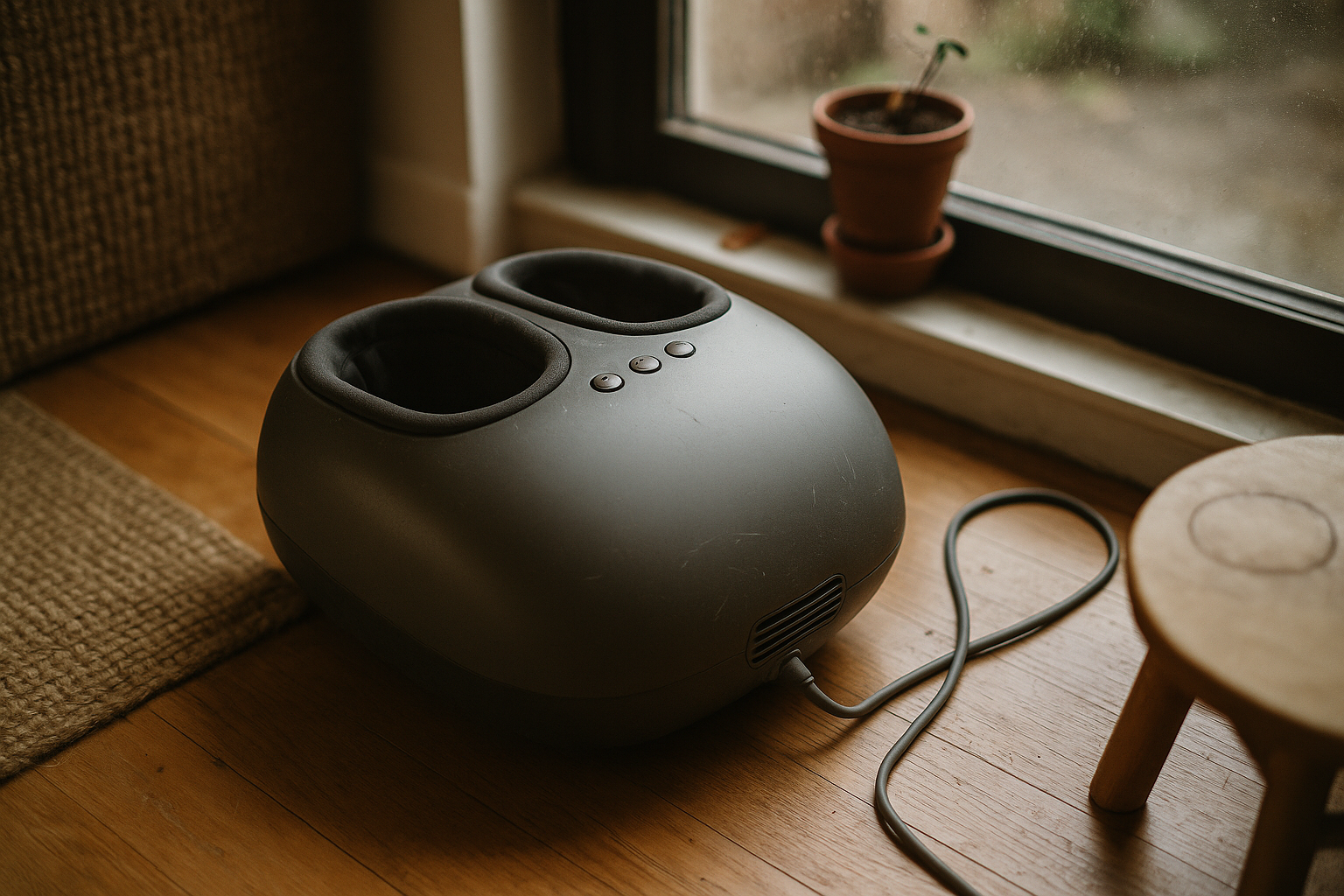
Foot Massagers for Neuropathy Relief in 2026: Buying Guide and Safety Tips
Outline:
– Neuropathy basics, how foot massagers may help in 2026, and what they cannot do
– Device types and features: kneading, air compression, vibration, heat, EMS/TENS, and hybrid designs
– Choosing by symptoms, lifestyle, and budget: a structured buying approach
– Safety, hygiene, and maintenance: precautions for different conditions
– A practical 4-week plan, long-term habits, and concluding guidance
Neuropathy 101 in 2026: Why Foot Massagers Help—and What They Don’t
Peripheral neuropathy affects the nerves that carry sensation from the feet to the brain, leading to tingling, burning, numbness, and sometimes sharp, electric-like pain. Prevalence estimates vary by cause and age, but it is commonly reported among older adults and people living with metabolic conditions; research surveys often place neuropathy symptoms in a notable share of individuals with long-standing blood sugar dysregulation. Foot massagers are not a cure, yet they can offer comfort by engaging mechanoreceptors, relaxing tense soft tissues, and, in some devices, gently warming the feet to encourage local vasodilation. Think of them as a supportive tool that can make daily life a little easier when used thoughtfully and consistently.
How does this translate into relief? Gentle kneading or rolling may stimulate large-diameter nerve fibers that can dampen pain signaling (often framed within gate-control theory). Air compression can cradle the foot and ankle, applying rhythmic squeezes that mimic a therapist’s hands. Low-level vibration can improve awareness of foot position and balance in some users, which is especially relevant when numbness blunts feedback from the ground. Heat, when used safely, can ease stiffness and helps some users unwind before sleep, a time when neuropathic discomfort often spikes. These effects are usually short-term and cumulative: regular, low-intensity sessions tend to deliver steadier comfort than occasional intense bouts.
What doesn’t a massager do? It does not reverse nerve damage or replace medical care. It will not heal ulcers, correct biomechanical deformities, or resolve underlying causes such as nutritional deficiencies or medication side effects. Relief also varies; hypersensitive feet may require the lightest settings, while very numb feet might respond better to modes that prioritize awareness and circulation cues rather than aggressive pressure. To set grounded expectations, think in terms of comfort, routine-building, and small functional wins, like standing longer to prepare a meal or stepping more confidently on morning walks. In short, a foot massager is a practical accessory in a broader care plan that includes medical guidance, footwear choices, and activity pacing.
Key takeaways to anchor expectations:
– Comfort is the main goal; nerve repair remains a medical question beyond the scope of home devices.
– Short, frequent sessions generally outperform occasional marathons.
– Adjustability matters because neuropathy symptoms range from hypersensitive to profoundly numb.
– Combine massage with overall health strategies—sleep, movement, and condition management—for steadier gains.
Device Types and Features in 2026: From Kneading Nodes to Smart Air Chambers
The 2026 market blends familiar modalities with more precise controls. Understanding how each type “feels” and where it shines helps you narrow choices quickly. Kneading or “shiatsu-style” units use rotating nodes to simulate thumbs and palms. They can target arches, heels, and metatarsal heads with notable pressure, which many users find soothing after prolonged standing. Air compression devices envelope the foot (and sometimes the ankle) and apply cyclical squeezes; the experience is calmer and often more uniform than direct kneading, which can be helpful when touch sensitivity is high. Vibration platforms deliver fine to moderate oscillations across the sole to enhance sensory input and relaxation without pinpoint pressure. Heat elements—far-infrared or ceramic—layer warmth onto any of these designs, while some devices add surface texture to wake up sleepy mechanoreceptors.
Electrostimulation pads for the feet (including EMS/TENS styles) remain an option for specific users seeking neuromuscular activation or pain-modulation signals without mechanical pressure. These require extra safety screening, especially for people with implanted electronics or certain cardiac histories. Hybrid units combine kneading, compression, vibration, and heat, allowing you to experiment with sequences; pairing light compression with low heat, for example, can be a calmer entry point than deep rolling alone. The latest interfaces emphasize gradual ramps in intensity, multi-profile memory for households, and countdown timers to prevent overuse. Materials have improved as well: removable, washable liners, non-slip bases, and quieter motors help devices fit into shared spaces without fuss.
Here is a practical mapping from modality to common needs:
– Kneading/rolling: Suits users craving targeted, hands-on pressure for tight arches or heels; may be too intense for hypersensitive soles unless set to minimal force.
– Air compression: Gentle, enveloping squeezes for those who dislike point pressure; sensible for end-of-day swelling management when approved by a clinician.
– Vibration: Light sensory “wake-up” for numb feet and balance practice; often less threatening for first-time users.
– Heat: Eases stiffness, but requires caution if sensation is blunted; always test with brief, low settings.
– EMS/TENS pads: Pressure-free option for pain signaling or muscle activation; adherence to medical guidance is essential.
Feature checklist that often proves decisive:
– Intensity granularity: More steps mean a better chance of finding a sweet spot.
– Footbed geometry: Roomy, arch-accommodating designs help if you have high insteps or wide forefeet.
– Hygiene: Swappable covers or liners save time and reduce odor.
– Noise and size: Quieter, compact units fit small apartments and evening routines.
– Power and portability: Consider cord length, storage, and whether travel use matters to you.
How to Choose in 2026: Matching Symptoms, Lifestyles, and Budgets
Start with your goals and your sensitivity profile. If your main complaint is burning pain that flares with touch, prioritize devices that emphasize air compression or vibration with precise, low starting intensities. If your arches feel like coiled springs at day’s end, kneading nodes with adjustable pressure may make sense. For prominent numbness that undermines balance, vibration platforms or hybrid devices with broad, even contact can offer more consistent sensory input than a few hard rollers. When nighttime discomfort breaks sleep, models with quiet motors, gentle heat caps, and automatic shutoff simplify pre-bed routines.
Match the device to your living space and daily rhythm. A compact unit you can slip under a desk invites frequent, short sessions during breaks. A larger cradle with ankle coverage might belong near the couch for evening wind-down. Shared households benefit from memory presets, while caregivers may value removable liners and wipeable surfaces that streamline cleaning. If you travel often, a lightweight option with a protective pouch keeps routines intact on the road. Also consider foot size and arch height; check interior dimensions and choose footbeds with enough vertical clearance if you have high insteps or use orthotic inserts when seated.
Budget ranges tend to reflect build quality and feature depth rather than sheer relief potential. Entry-level models often deliver one or two modalities with basic controls, which can be perfectly adequate for users who like light stimulation and short sessions. Mid-tier options add finer intensity steps, better materials, and multiple programs, improving comfort and longevity. Premium designs emphasize quiet motors, comprehensive modality mixes, and sophisticated safety logic like temperature caps and progressive intensity ramps. Rather than chasing features, map them to personal priorities, then pick the simplest device that meets them reliably.
To keep comparisons grounded, ask:
– Which symptom bothers me most—burning, stabbing, numbness, or stiffness?
– How sensitive are my soles to touch, and does that vary by time of day?
– Where will the device live, and how often can I realistically use it each week?
– Do I need ankle coverage, or just the plantar surface?
– Would heat meaningfully help my routine, and can I monitor skin safety?
Sample matches:
– Sensitive, burning soles: Air compression with many low settings; optional mild heat if safely tolerated.
– Tight arches after long shifts: Kneading with adjustable pressure and a textured footbed.
– Numbness and balance concerns: Vibration platform with wide, stable stance area and clear timer controls.
– Sleep struggles: Quiet unit, low light indicators, soft heat, and a 10–15 minute program preset.
Safety, Hygiene, and Maintenance: Using Foot Massagers Wisely
Safety starts with screening. If you have diabetes with reduced sensation, a history of foot ulcers, peripheral arterial disease, deep vein thrombosis, advanced varicose issues, severe edema of unknown origin, implanted electronic devices, or are pregnant, consult a clinician before use. Electrostimulation pads are not appropriate for some users with cardiac conditions or implanted electronics. Heat requires extra caution when sensation is dulled; always begin at the lowest temperature, test for a minute, and cap sessions to prevent accidental burns. Children should not use adult devices unsupervised, and pets should be kept clear of moving parts and cables.
Build a low-risk routine:
– Start low, go slow: Begin at the gentlest intensity for 5–10 minutes and increase gradually over weeks.
– Check skin every session: Look for redness that lingers, blisters, new calluses, or broken skin.
– Avoid open wounds: Do not use massagers on ulcers, infections, or unhealed incisions.
– Mind heat: Treat warmth as optional; skip it if you cannot reliably gauge temperature.
– Time matters: Many people do well with 10–20 minutes, once or twice daily, rather than long bouts.
Hygiene and device care protect both you and your equipment. Washable liners and wipeable shells reduce microbial buildup; cleaning after each use is ideal if you’re barefoot, while thin socks can serve as a barrier when appropriate. Let the device cool and dry fully before storage to prevent trapped moisture and odors. Cords should be coiled loosely, away from heat sources and sharp bends that stress insulation. Motors last longer when vents are dust-free, so a quick pass with a dry cloth every few weeks pays off. Periodically recheck screws or clips for looseness that can lead to rattles or uneven pressure.
When to pause and call a professional:
– New or rapidly worsening pain, color changes in toes, or temperature asymmetry.
– Swelling that does not recede, sudden calf pain, or shortness of breath.
– Any burn, blister, or skin breakdown associated with use.
– Numbness that intensifies after sessions or balance that acutely worsens.
Finally, remember that relief is a team effort. Pair massage with supportive footwear, activity pacing, and nutrition guided by your healthcare team. Keep expectations realistic and track your responses so decisions stay data-informed rather than guesswork-driven.
Putting It All Together: A 4-Week Plan and Long-Term Habits
Consistency turns a helpful device into a supportive habit. Here is a four-week starter plan designed for gradual progress while respecting sensitivity. Week 1 emphasizes exploration: use the lowest intensity and, if applicable, skip heat. Aim for 8–10 minutes once daily, ideally at the same time to anchor the routine. Log a simple 0–10 symptom score before and 30 minutes after each session, noting descriptors like “burning,” “pins-and-needles,” or “wooden-feet.” This creates a personal response map you can actually trust.
In Week 2, keep intensity gentle but add a second short session on days when symptoms spike, such as after long standing. If your logs show tolerability without lingering redness or soreness, experiment with a second modality: for example, pair 5 minutes of air compression with 5 minutes of light vibration. If warmth is appealing and safe for you, test it for 2–3 minutes at the end, then reassess skin and comfort.
By Week 3, you can fine-tune: increase intensity one notch or extend sessions to 12–15 minutes, prioritizing what your logs suggest works. Consider alternating routines—compression on workdays, kneading on recovery days—so tissues experience varied, moderate inputs. Add a 5-minute balance and mobility block after the session: seated ankle circles, towel scrunches, and gentle calf stretches. These non-load movements often compound the relaxing effects of massage.
In Week 4, stabilize the pattern that delivers the steadiest comfort with the least irritation. Set program presets if your device supports them, so starting is one button instead of five. Move logging to three times per week to keep momentum without paperwork fatigue. If sleep improved, mark that win; if morning stiffness dropped, note it. Small functional gains—standing to cook a full recipe, walking one extra block, fewer nightly awakenings—are meaningful signals you are trending in the right direction.
Long-term, think system, not gadget:
– Keep sessions short-to-moderate and frequent; skip days if skin seems irritated.
– Refresh liners, clean surfaces, and check cables monthly.
– Rotate modalities through the week to avoid overloading one tissue region.
– Pair massage with supportive footwear and gradual activity goals.
– Revisit safety screens after any new diagnosis, medication change, or procedure.
Conclusion for everyday users: Foot massagers in 2026 can be reliable allies for neuropathy comfort when chosen and used with care. The winning formula blends a device that matches your sensitivity, a routine you can repeat without strain, and guardrails that keep skin and circulation safe. With measured expectations and a bit of tracking, many people discover steadier comfort, calmer evenings, and a touch more confidence with every step.


