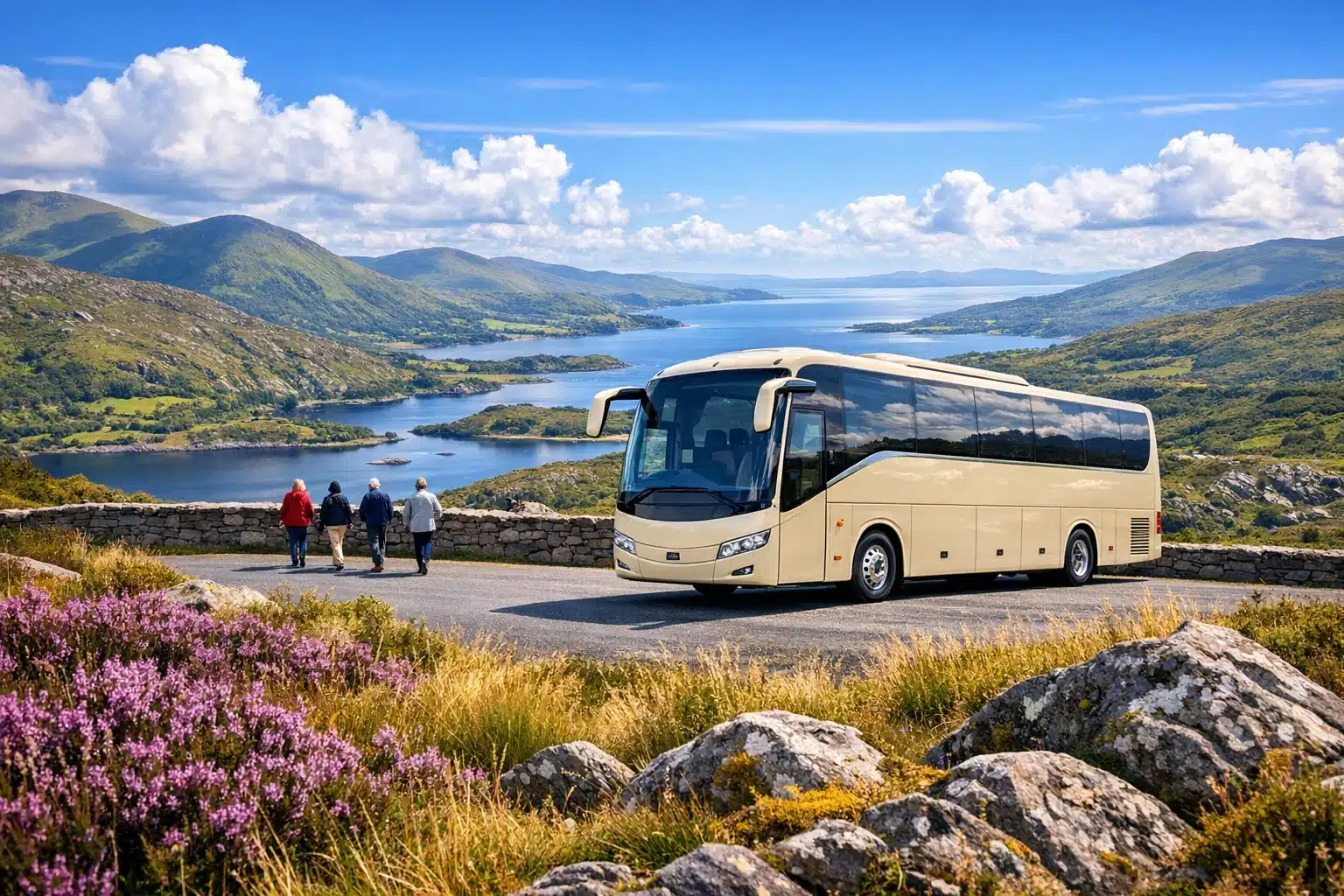
Guide to an 8-Day All-Inclusive Ireland Tour Package
Planning an Ireland trip sounds romantic until maps, hotel check-in times, and narrow rural roads begin competing for attention. That is where an 8-day all-inclusive tour earns its place: it condenses a complex island itinerary into a clear rhythm of travel, meals, and guided discovery. For first-time visitors, busy professionals, and travelers who dislike constant booking, it can be both practical and rewarding. The key is knowing which package fits your pace, interests, and budget before you reserve.
Outline
- Why an 8-day all-inclusive tour is a practical way to see Ireland
- A sample day-by-day route and the regional highlights most packages include
- What is usually covered in the price and where extra costs still appear
- How to compare packages by season, group size, comfort level, and travel style
- Essential planning tips, packing advice, and a conclusion for the right kind of traveler
Why an 8-Day All-Inclusive Ireland Tour Makes Sense
An 8-day all-inclusive Ireland tour sits in a sweet spot between rushed sightseeing and slow, open-ended travel. Ireland is not a huge country, but it is deceptive in practice. Distances that look short on a map often take longer than expected because many scenic roads are narrow, coastal, winding, or interrupted by village traffic. A self-planned trip can absolutely be rewarding, yet it also demands constant decisions about routes, parking, meal timing, and hotel changes. An organized tour removes much of that friction and turns the week into a smoother experience.
The strongest argument in favor of an all-inclusive package is efficiency. In eight days, many travelers want a balanced mix of Dublin, the south or west coast, and at least one signature natural landmark such as the Cliffs of Moher, the Ring of Kerry, or Connemara. A professionally designed route usually clusters those highlights in a logical order, reducing backtracking. That matters because every hour saved on logistics becomes another hour for cathedral visits, coastal viewpoints, traditional music sessions, or simply a slow cup of tea while rain taps the window.
These tours also simplify budgeting. Instead of calculating hotel rates, intercity train tickets, rental car fees, fuel, parking, and some meals separately, you pay one headline price that covers most essentials. While not every package includes the exact same features, many offer:
- Accommodation for seven nights
- Daily breakfast and selected dinners
- Private coach or minibus transport
- A tour director or local guide
- Entry to a few major attractions
Compared with independent travel, this structure can offer strong value, especially during peak months when Irish hotel prices tend to rise. It is also helpful for travelers who want context, not just scenery. A guide can explain why a ruined abbey matters, how Gaelic place names reflect landscape, or why certain pubs are famous for music rather than décor. That storytelling adds texture to the trip.
All-inclusive tours are especially well suited to first-time visitors, solo travelers seeking company, older travelers who prefer less physical and administrative strain, and couples who want the trip organized without feeling regimented. The format is not perfect for everyone; travelers who want three nights in one village or long unscheduled hikes may feel constrained. But for most people trying to see Ireland well in one week, it is one of the most practical and enjoyable approaches available.
A Sample 8-Day Ireland Itinerary and How Routes Commonly Differ
Most 8-day Ireland tour packages follow one of two broad patterns: a southern and western loop beginning in Dublin, or a combined Republic of Ireland and Northern Ireland route that adds Belfast and the Giant’s Causeway. The first option is more common because it captures several of the country’s best-known landscapes in a relatively compact circuit. Think of it as Ireland’s greatest hits arranged into a week-long road story.
A classic version often begins with Day 1 in Dublin, where travelers arrive, settle into the hotel, and join a welcome dinner or evening orientation. Day 2 may include city highlights such as Trinity College, St Patrick’s Cathedral, or a panoramic coach tour before heading south toward Wicklow or Kilkenny. Day 3 usually pushes farther into counties Cork or Kerry, with popular stops at Blarney Castle, Cobh, or a heritage center. Day 4 is often devoted to a scenic loop such as the Ring of Kerry or the Dingle Peninsula, where mountains, stone walls, and Atlantic light create the kind of landscape that makes even quiet people reach for adjectives.
Day 5 commonly crosses toward Clare and Galway, sometimes including Bunratty Castle, the Burren, and the Cliffs of Moher. This is one of the most photograph-heavy days on many tours, and for good reason. Day 6 may focus on Galway city, Connemara, or an optional excursion to the Aran Islands, depending on weather and package style. Day 7 often turns east again, with a stop in Athlone, a whiskey distillery, or a monastic site, before the final night in Dublin. Day 8 is departure day.
That structure offers a strong overview, but not every package moves at the same speed. Some prioritize city sightseeing and major landmarks. Others emphasize rural scenery, manor hotels, or cultural experiences such as farm visits and music evenings. Northern-focused alternatives replace Kerry or Galway with Belfast, the Causeway Coast, and perhaps Derry. These routes can be excellent for travelers interested in industrial history, political context, and dramatic coastal geology.
When comparing itineraries, pay attention to three practical details:
- How many one-night hotel stays are included
- Whether major landmarks are actual stops or only drive-by views
- How much free time is built into Dublin, Galway, or Killarney
A good route does not simply pack in famous names. It balances travel time, meals, scenery, and room to breathe. The best tours feel curated rather than crowded, like a host who knows when to keep moving and when to let the moment linger.
What All-Inclusive Usually Covers and What It Often Does Not
The phrase all-inclusive can be useful, but it can also be misleading if you do not read the details. In Ireland tour packaging, it rarely means every single expense from your front door onward. More often, it means the core framework of the trip is paid for in advance. That distinction matters because two tours with similar prices may deliver very different levels of value.
In most cases, an 8-day all-inclusive tour will include accommodation, daily breakfast, coach transport between destinations, and the services of a guide or tour manager. Many also include several dinners, especially on nights spent in smaller towns where group dining is easy to arrange. Entrance fees are often selective rather than universal. A package may include admission to one or two major attractions such as a castle, heritage site, or visitor center, while leaving museums or optional excursions for travelers to choose independently.
Here is what is commonly included on mid-range packages:
- Seven nights in 3-star or 4-star hotels
- Breakfast every morning
- Three to six dinners, depending on itinerary
- Ground transportation by coach or minibus
- A professional guide and local commentary
- A few scheduled attraction entries
What is often not included is just as important:
- International flights to and from Ireland
- Lunches and some dinners
- Alcoholic drinks and café purchases
- Tips for guides and drivers
- Travel insurance
- Optional evening shows or side trips
The difference between a budget, mid-range, and premium tour usually shows up in hotel location, group size, meal quality, and the amount of included sightseeing. Budget tours may use larger coaches and suburban hotels, which can be perfectly comfortable but less atmospheric. Premium tours may offer central hotels, smaller groups, upscale dining, and more personalized guiding. The higher price is not only about luxury; it is often about time saved and friction reduced.
Value also depends on season. During summer, when demand is highest, bundled pricing can compare favorably with booking everything independently. During shoulder months such as April, May, September, and October, packages may offer a particularly good balance of price and experience, with lighter crowds and enough daylight for scenic touring. Rather than asking whether a tour is cheap, ask whether it is transparent. A reliable operator clearly lists inclusions, optional costs, baggage rules, and cancellation policies. In travel, clarity is often worth almost as much as comfort.
How to Choose the Right Package for Your Budget, Pace, and Interests
Choosing the right 8-day Ireland tour is less about finding the most famous brand and more about matching the package to your travel personality. Two travelers can stand in front of the same green hillside and want entirely different things from the day ahead. One wants a guided history walk and a comfortable hotel bar afterward. The other wants extra free time, a local seafood lunch, and an unscripted evening in a music pub. A smart booking decision begins with honesty about what kind of trip you actually enjoy.
Start with group size. Large coach tours often offer lower prices and smooth logistics, but they can feel more structured and less flexible. Small-group tours, usually by minibus, tend to access smaller roads and lesser-known stops more easily. They also make it simpler to hear the guide, ask questions, and spend less time boarding and disembarking. The trade-off is price: smaller groups usually cost more per person.
Season is another major factor. Summer brings long daylight hours, lively towns, and easier access to seasonal activities, but it also brings higher prices and more crowds at major sites. Spring and early autumn often appeal to experienced travelers because the landscape still looks beautiful, temperatures are moderate, and roads are less congested. Weather is variable year-round in Ireland, so do not choose purely by the hope of sunshine. Choose by the kind of atmosphere you prefer.
As you compare tours, consider these questions:
- Does the itinerary focus more on cities, coastlines, or historic sites?
- How much walking is expected on a normal day?
- Are hotels centrally located or outside town centers?
- Is there enough free time to explore independently?
- Does the package attract families, couples, solo travelers, or mixed groups?
Also look closely at hotel style. Some travelers are happiest with reliable chain properties, while others want country house hotels or locally run inns that feel rooted in place. Neither is automatically better; it depends on whether you value consistency or character. Similarly, food expectations matter. If several dinners are included, check whether menus are fixed, whether dietary restrictions are accommodated, and whether meals take place at the hotel or at local restaurants.
Finally, think beyond landmarks. If you care about literature, genealogy, whiskey, gardens, music, or medieval architecture, choose a route that reflects those interests. The strongest package is not the one with the longest list of stops. It is the one that leaves you feeling that Ireland was not only seen, but understood in the way that matters most to you.
Practical Planning Tips and Conclusion for First-Time Visitors
Once you have chosen an 8-day all-inclusive Ireland tour, a little preparation can make the experience noticeably better. Ireland’s weather is famously changeable, and that reputation is well earned. Even in summer, a bright morning can slide into wind and rain by afternoon, then return to soft evening light as if nothing happened. Packing for layers rather than temperature extremes is usually the smartest move. A waterproof jacket, comfortable walking shoes, a light sweater, and a compact umbrella will serve most travelers better than bulky, single-purpose clothing.
It also helps to travel with realistic expectations about pace. Eight days is enough to gain a vivid introduction to Ireland, but not enough to explore every county deeply. Treat the tour as a first conversation rather than a final verdict. If a place captivates you, that is useful information for a future return trip. Many travelers discover that they want to come back for a longer stay in Galway, Kerry, or Belfast after seeing them briefly on a guided route.
Keep a few practical points in mind before departure:
- Bring an appropriate power adapter for Ireland’s plug type
- Carry a small day bag for water, snacks, and rain gear
- Use card payment when convenient, but keep some euros for smaller purchases
- Check whether Northern Ireland appears on your route, as currency may vary there
- Review baggage limits if your package uses smaller vehicles
During the tour, use free time well. Instead of trying to see everything in every stop, choose one or two meaningful experiences: a museum in Dublin, a music session in Galway, a shoreline walk in Killarney, or a quiet churchyard in a town you had never heard of before booking. Those moments often become the memories that outlast the headline attractions.
For the target audience most likely to consider this kind of trip, the conclusion is straightforward. If you are visiting Ireland for the first time, have limited time, prefer less logistical stress, and still want a broad, satisfying overview of the country, an 8-day all-inclusive tour can be an excellent choice. It offers structure without requiring constant planning, and it often delivers better flow than a hurried DIY itinerary. Travelers who crave full independence may prefer self-drive travel, but many others will appreciate how a good package turns a complex week into a coherent journey. When the coach rounds a bend and the Atlantic appears under a silver sky, you will not be thinking about hotel confirmations or parking fees. You will simply be in Ireland, which is exactly the point.