 Artificially generated image
 Guide to Buying Second Hand Gym Equipment
Buying second hand gym equipment can turn an expensive fitness goal into a practical project with lasting value. A pre-owned machine may cost far less than a showroom model while still delivering years of reliable training if you inspect it carefully. The challenge is knowing how to separate solid bargains from tired hardware before you pay and haul it home. This guide explains the key checks, trade-offs, and buying strategies that help you spend wisely and train with confidence.
Outline
- Why used gym equipment is worth considering for home users, garage gyms, and small studios
- Which types of equipment tend to hold value and what condition checks matter most
- Where to buy, how to read listings, and how to assess the seller before committing
- How to compare prices, negotiate fairly, and plan transport, cleaning, and setup
- A practical conclusion for readers who want to build a safe and efficient gym on a budget
Why Second Hand Gym Equipment Is Worth Serious Consideration
A glossy new treadmill or pristine power rack can be tempting, but used equipment often makes better financial sense for ordinary buyers. Fitness gear depreciates quickly after purchase, even when it remains in very good condition. That creates a useful gap between original retail price and resale value, and informed shoppers can benefit from it. In many cases, second hand equipment sells for 30 to 70 percent less than the cost of a comparable new item, depending on age, brand tier, and condition. For buyers building a home gym piece by piece, that difference can mean adding a bench, barbell, and plates for the price of a single new machine.
Used equipment can also be surprisingly durable. Commercial-grade machines and strength stations are designed for repeated use in busy settings, so a well-maintained older unit may outlast a cheaper new consumer model. This is especially true with simpler items that have fewer electronic components. A squat rack made from heavy steel tubing, a plate-loaded leg press, or a set of cast-iron dumbbells usually has a long useful life if it has not been bent, cracked, or neglected. Even cosmetic flaws such as scuffs, chipped paint, or worn decals rarely affect performance.
There is also a practical sustainability angle. Buying pre-owned gear extends the life of equipment that might otherwise sit unused in a garage, storage room, or closed training facility. Manufacturing metal frames, rubberized plates, and motorized cardio units requires materials, energy, and transport. Reusing equipment does not solve every environmental issue, but it generally reduces waste and delays another production cycle. For many shoppers, that is a welcome bonus rather than the main reason to buy, yet it still matters.
Second hand purchases are especially useful for several kinds of readers:
- Beginners who want to start training before investing heavily
- Experienced lifters building a garage gym around proven essentials
- Families who need durable equipment for multiple users
- Small personal training studios trying to control startup costs
Of course, savings are only meaningful if the equipment is safe and functional. A cheap machine with worn bearings, damaged cables, or missing parts can become expensive very quickly. The real value of the second hand market is not merely lower prices. It is the chance to match your training goals with equipment that offers strong performance per dollar, provided you inspect carefully and buy with a plan instead of chasing the first low number you see.
What to Buy Used and What to Inspect Before You Commit
Not every category of gym equipment performs equally well on the second hand market. Some items age gracefully, while others hide wear in places that are difficult to judge from photos alone. As a general rule, simpler strength equipment is safer to buy used than heavily electronic cardio machines. A dumbbell does not need software updates, but a treadmill with a failing motor controller can turn into a repair project before your first workout.
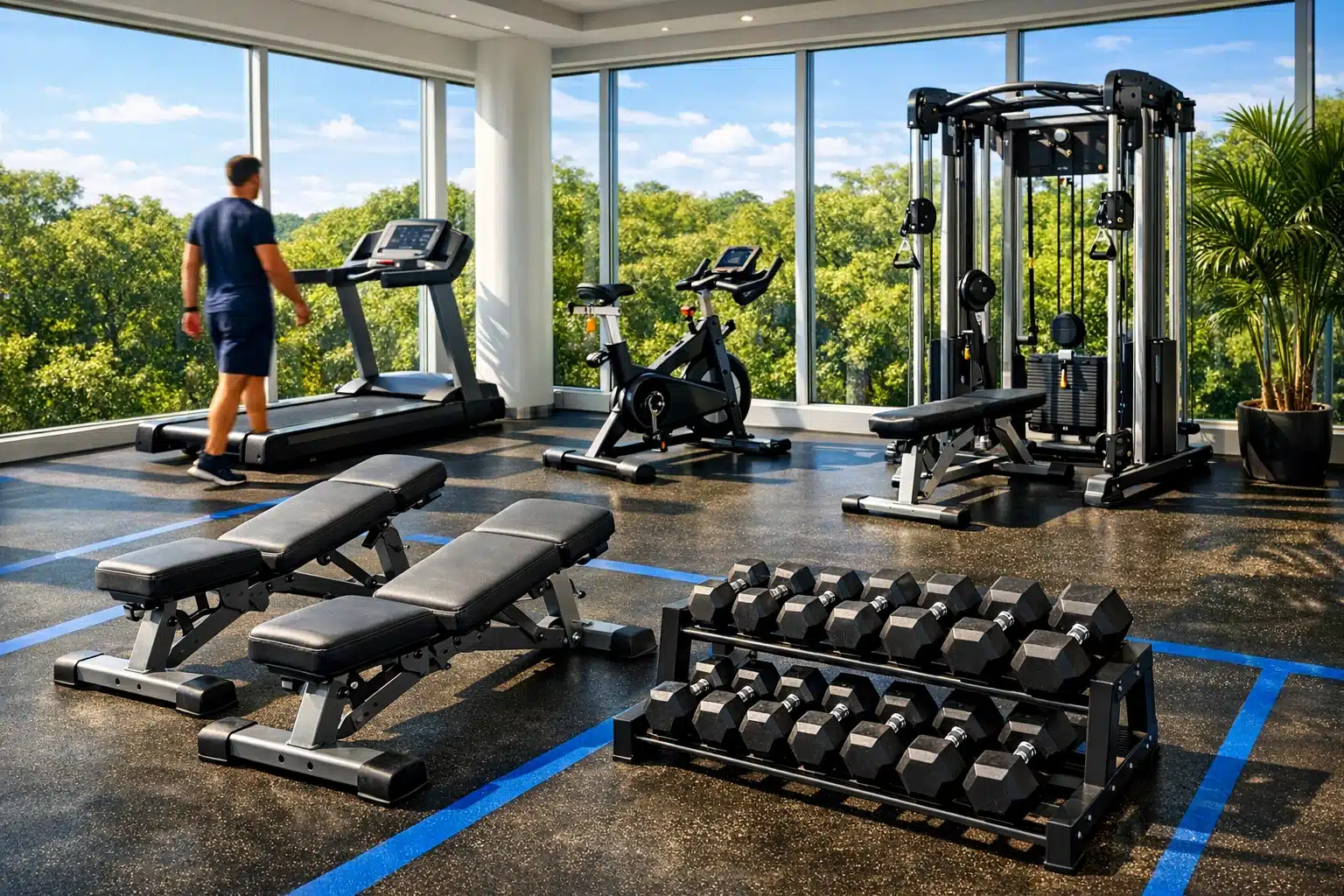
Free weights, benches, racks, sleds, plate trees, and many plate-loaded machines are usually solid used purchases. Their value depends on frame integrity, weld quality, hardware condition, and overall stability. When inspecting these items, look for:
- Rust that appears deep rather than surface-level
- Cracks near welds, bolt holes, and stress points
- Bent uprights, warped safeties, or uneven feet
- Missing bolts, pins, J-cups, or adjustment parts
- Torn upholstery or unstable bench pads
Cardio equipment needs a more careful approach. Treadmills, ellipticals, rowing machines, and exercise bikes contain moving parts that wear at different rates. A treadmill belt may need replacement, a deck may be worn, or a console may have dead pixels and failing buttons. Ask about total usage if available, but do not rely on numbers alone. Listen for grinding sounds, test speed changes, check incline functions, and make sure emergency stop features work correctly. On bikes and rowers, pay attention to resistance changes, seat movement, and any wobble that appears under real use rather than light tapping.
Cable machines deserve special attention because their problem areas are easy to overlook. Inspect pulleys for smooth rotation, cables for fraying, and guide rods for corrosion or sticking. Replacement cables are possible, but custom lengths and fittings add cost and delay. If the stack does not travel smoothly or the frame twists during a pull, walk away unless the price clearly accounts for repair.
Another useful comparison is residential versus commercial equipment. Residential units are often lighter, easier to move, and better suited to small rooms. Commercial units tend to be sturdier, yet they are also bulkier and sometimes require special flooring, higher ceilings, or dedicated circuits. A used commercial treadmill may be a powerhouse, but it can weigh several hundred pounds. A compact home trainer may fit the room better even if it is less impressive on paper.
Finally, match the purchase to your routine. If you mainly do strength training, spend more attention on a rack, barbell, plates, and a good bench. If you prefer conditioning sessions, prioritize machine function, noise level, and foot print. The smartest used purchase is not the fanciest one. It is the one you will use consistently, maintain easily, and fit safely into your space.
Where to Find Good Deals and How to Judge Listings and Sellers
The second hand fitness market has widened dramatically in recent years, which is good news for buyers but also a reason to stay alert. Equipment now appears through local marketplaces, auction sites, refurbishers, gym liquidation sales, community groups, classified ads, and word of mouth. Each source has its own balance of price, convenience, and risk. The cheapest listing is not always the best deal, and the most polished listing is not always the most honest.
Local peer-to-peer marketplaces are often the first stop because they allow in-person inspection and avoid shipping costs. Here, patience matters. Excellent deals appear when people move house, reclaim garage space, or lose interest in a project. The trade-off is inconsistency. Some sellers know exactly what they own; others post blurry photos, vague descriptions, and unrealistic prices. A careful buyer should request clear answers before traveling. Useful questions include:
- How old is the equipment and how often was it used?
- Has it been stored indoors in a dry environment?
- Are all original parts, pins, cords, and attachments included?
- Has any repair or replacement work been done?
- Can I test it fully before payment?
Refurbishers and specialty resellers often charge more than private sellers, but they may provide cleaning, inspection, replacement parts, or short warranties. That extra cost can be worthwhile for buyers who want lower risk, especially with cardio machines. Liquidation sales from studios or training facilities can also be attractive because commercial equipment is built for serious use. However, heavy wear is common in those environments, so maintenance history matters more than a shiny frame.
Learning to read a listing is almost a sport of its own. Good listings usually include multiple angles, close-ups of wear points, model information, dimensions, and a realistic summary of condition. Weak listings often rely on generic claims such as “works great” without showing the belt, cables, pulleys, padding, or console. If a seller avoids basic questions or refuses a function test, consider that a warning sign rather than a small inconvenience.
Trust also comes from context. A seller who can explain why they bought the item, how long they used it, and why they are selling it tends to be easier to evaluate than someone who seems to be flipping goods without knowing their history. That does not automatically mean a private owner is safer than a reseller, but it gives you more signals to read. In the used fitness market, details tell the story. The right questions and a calm eye can reveal more than a dramatic discount ever will.
How to Compare Prices, Negotiate Fairly, and Plan for Hidden Costs
A good used purchase is never just about the sticker price. The real cost includes transport, possible repairs, cleaning supplies, replacement parts, flooring, and the time needed to set everything up properly. Buyers often focus on the obvious saving between new and used, yet a bargain can lose its shine if you need to rent a van, replace a belt, buy missing hardware, and pay for help carrying a machine upstairs. Thinking in total cost terms leads to better decisions.
Start by comparing the asking price with current retail value, not with the original price printed in an old brochure. Fitness equipment changes over time, and some categories drop in value faster than others. Basic plates and racks usually hold value better than complex cardio machines because they are simple, durable, and easier to service. A seller may say, “I paid a fortune for this,” but what matters is what a buyer can reasonably purchase today. Age, condition, included accessories, and local demand should guide the number.
Negotiation works best when it is calm and evidence-based. Instead of making an aggressive low offer, point to concrete factors:
- Visible wear on upholstery, cables, or belts
- Missing attachments or safety hardware
- The need for disassembly and transport labor
- Market comparisons from similar local listings
- Any uncertainty about maintenance history
This approach is more effective than vague bargaining because it shows that you understand the item rather than simply want a discount. Many sellers respond better to a fair and immediate offer than to a higher promise loaded with delays and conditions.
Transport deserves special planning. Measure doorways, stairwells, ceiling height, and floor space before you buy. Check the product dimensions both assembled and, if possible, partially disassembled. A power rack may fit nicely once installed, yet its crossmembers might not turn a tight hallway corner. Heavy cardio machines can damage floors if moved carelessly, and some require partial dismantling to leave the seller’s home. Bring straps, blankets, work gloves, and the right tools. If an item weighs several hundred pounds, recruit help or arrange professional delivery instead of improvising on the day.
After the equipment arrives, budget for hygiene and maintenance. Clean contact surfaces, vacuum dust from motors or rails where appropriate, tighten hardware, lubricate moving parts according to manufacturer guidance, and replace worn consumables when needed. These steps are not glamorous, but they turn a second hand purchase into a dependable training tool. The best deal is the one that remains safe, quiet, and useful long after the excitement of the pickup is over.
Conclusion: A Smart Buying Strategy for Home Gym Builders and Budget-Conscious Buyers
For most readers interested in second hand gym equipment, the goal is not simply to spend less. It is to create a setup that feels reliable, motivating, and suited to real life. That means choosing equipment that matches your training style, your room, your budget, and your willingness to maintain what you buy. A compact apartment user may do better with adjustable dumbbells, resistance tools, and a foldable bench. A garage gym enthusiast may prefer a sturdy rack, barbell, plates, and a simple conditioning machine. A small coaching studio may need commercial pieces that can handle repeated sessions without constant repair.
If there is one theme running through this guide, it is that second hand equipment rewards preparation. Know your measurements before you shop. Know your must-have exercises before you chase a flashy machine. Know the likely repair points before you believe a listing description. Once those basics are in place, the used market becomes far less intimidating and far more useful.
A practical buying path often looks like this:
- List your training priorities and available space
- Set a total budget that includes transport and minor repairs
- Target durable essentials before specialty machines
- Inspect function, frame integrity, and missing parts in person whenever possible
- Walk away from rushed deals, vague answers, or unsafe equipment
Many buyers discover that their best purchases are not the most expensive or the most advanced. They are the pieces that quietly fit into weekly routines and keep getting used. A second hand bench that feels stable, a rack that inspires confidence, or a bike that starts every morning without drama can matter more than any impressive display screen. There is a kind of satisfaction in that: not the thrill of buying new, but the steadier reward of choosing well.
If you are building a home gym, upgrading an existing space, or opening a modest training area, second hand equipment can be a practical and intelligent route. Shop slowly, inspect thoroughly, compare honestly, and let usefulness outrank hype. When you do that, the result is not just a cheaper gym. It is a better decision, built one sensible piece at a time.