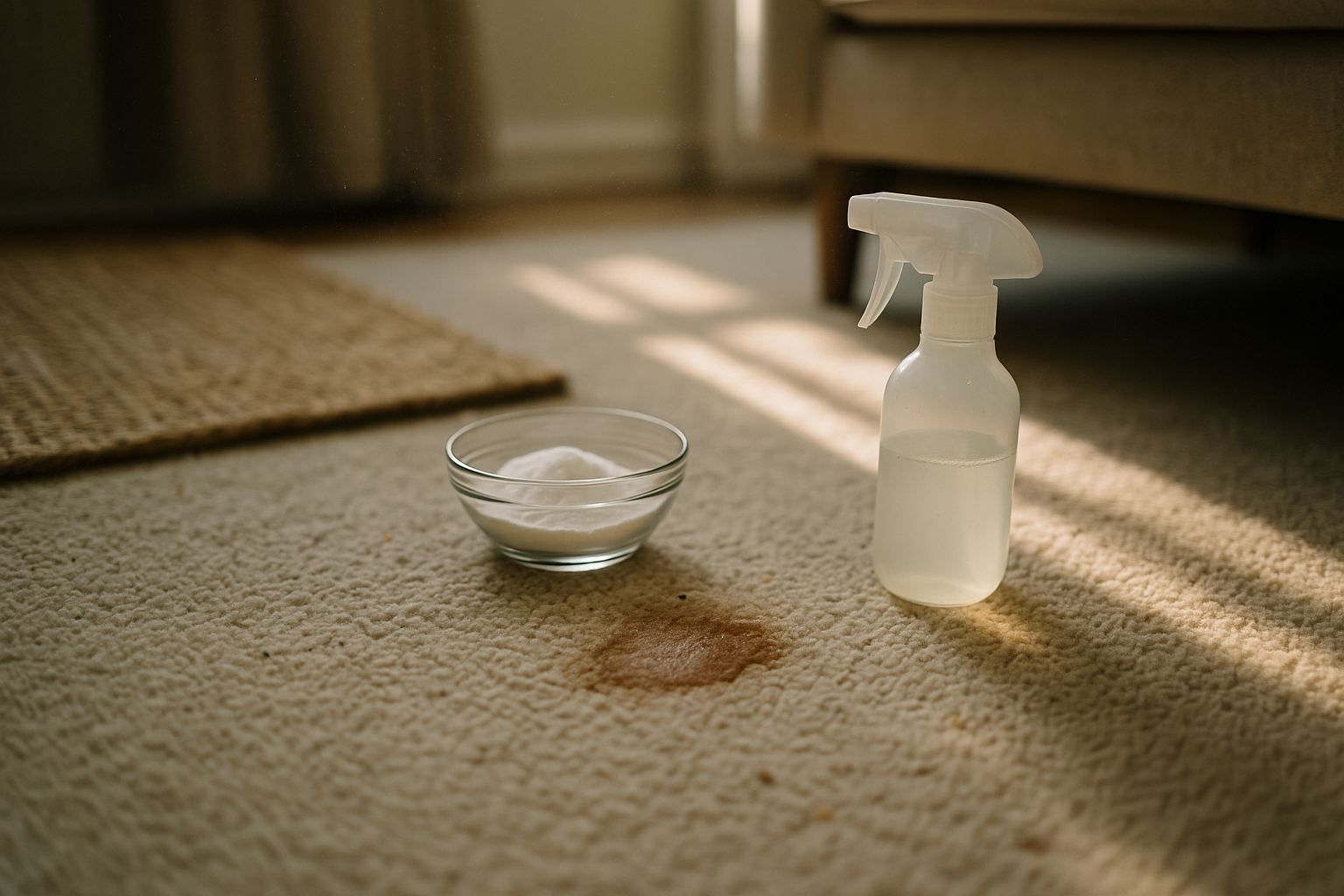
Homemade Carpet Cleaning Solutions: Safe, Effective, and Budget-Friendly Tips
Overview & Outline: Why Homemade Carpet Cleaners Matter
When a splash of coffee or a muddy paw print hits the carpet, timing and technique matter more than panic. Homemade carpet cleaners can be remarkably effective, kinder to indoor air, and gentle on budgets, especially when you understand the science behind them. Most carpet fibers fall into a few families—synthetic (nylon, polyester, olefin) and natural (wool, some plant blends). Each responds differently to water, pH, and agitation. Broadly, soils on carpet are a mix of water-soluble residues (sugars, salts), oils and greases, and particulate grit. The goal is to lift, suspend, and rinse away soils without over-wetting or damaging dye sites. That’s where simple chemistry—acids, bases, surfactants, and oxidizers—meets smart technique.
Outline of what you’ll learn:
– What makes homemade solutions work, and when to deploy them
– Everyday all-purpose mixes with exact ratios and methods
– Targeted stain playbooks for wine, coffee, pet accidents, grease, and mud
– Deep-clean routines, drying, deodorizing, and fiber-safe practices
– Cost, sustainability, and a practical checklist to finish strong
Why it matters: frequent spot cleaning extends carpet life, saves replacement costs, and keeps allergens in check. Simple tools—white microfiber cloths, a spoon for scraping, a spray bottle, a wet/dry vacuum, and a fan—boost your results. Safety first: always patch-test in an inconspicuous area, blot rather than scrub, and avoid mixing chemicals you don’t fully understand. Never combine chlorine bleach with ammonia or vinegar; the resulting gases are hazardous. Be cautious with high alkalinity on wool and with acids on dyed fibers prone to bleeding. If you own natural stone adjacent to the carpet, keep acidic solutions off the stone to prevent etching. Finally, respect moisture: carpets have a face fiber, backing, and pad; too much water can delaminate backing and invite odors. With measured application and quick drying, homemade solutions can handle most everyday messes with confidence.
All-Purpose Mixes: Ratios, Methods, Pros and Cons
Start with a stable of reliable, pantry-based solutions and a plan to apply them sparingly. The everyday trio is a mild detergent solution, a diluted organic acid rinse, and an absorbent deodorizer. Each serves a role: surfactants in soap break surface tension and lift oily soils; dilute acetic acid helps neutralize alkaline residues and some odors; sodium bicarbonate absorbs moisture and odors while offering light alkalinity.
Core recipes and how to use them:
– Mild soap spotter: Mix 2–3 drops of clear, fragrance-free dish soap per 1 cup (240 ml) of warm water. For larger batches, scale consistently (about ½ teaspoon per quart). Apply by misting the stain lightly, then blot with a white cloth from the outer edge toward the center. Rinse by blotting with plain water to prevent resoiling from leftover surfactant.
– Vinegar rinse (for many water-based stains and odors): Blend 1 part white distilled vinegar with 2 parts cool water (e.g., 1 cup vinegar to 2 cups water). Lightly mist and blot. Do not soak. Vinegar’s pH is around 2–3, so it can help neutralize alkaline residues. Avoid on fibers or dye systems that show bleeding in a spot test.
– Baking soda deodorizer: Sprinkle a thin, even layer over a fully dry, vacuumed area. Let sit 8–12 hours, then vacuum thoroughly. Great after pet odor treatment as a final step, not as the only step.
Optional oxygen boost (light-colored synthetics only): Mix 1 part 3% hydrogen peroxide with 2 parts water. Lightly apply to lingering organic stains after detergent and rinse. Patch-test carefully; peroxide can lighten dyes. For sensitive fibers like wool, stick to cool water and mild soap at neutral pH and minimize dwell time.
Pros and cons:
– Pros: inexpensive, low odor, easy to mix in small batches, effective on everyday soils and many fresh stains.
– Cons: limited power on set-in dyes, tar/ink, or heavy grease; peroxide may lighten fabrics; acids can unsettle some dyes; excessive soap without thorough rinsing causes rapid resoiling.
Technique tips: Use white cloths to avoid color transfer; switch to a clean area of cloth with each blot so you don’t re-deposit soil; pre-vacuum before wet work to remove grit; and finish with a plain-water blot to leave the fiber free of residue. Patience beats brute force—light, repeated passes outperform heavy scrubbing that can fuzz or distort pile.
Stain-Specific Playbook: Wine, Coffee, Pets, Grease, and Mud
Not all stains are equal. Tannins from beverages, protein and urea compounds from pet accidents, and oils from the kitchen each demand a tailored approach. The common rule is quick action: remove solids, absorb liquids, then treat deliberately with the mildest effective option. Work from the outside inward to prevent spreading and keep moisture controlled so the backing and pad don’t get saturated.
Red wine and colored beverages: Immediately blot—don’t rub—to remove as much liquid as possible. Apply a mild soap solution (2–3 drops per cup of water) and blot. If color persists, try a vinegar rinse (1:2 vinegar to water). For light-colored synthetics only, a cautious follow-up with diluted 3% hydrogen peroxide (1:2 with water) can help with dye residues. Blot between steps and finish with a water-only blot. For dark or patterned carpets, rely on soap and water and thorough blotting to avoid hue shift.
Coffee and tea (tannins, sometimes with dairy sugars): Blot, then apply mild soap solution. If a shadow remains, lightly mist a vinegar rinse and blot again. Stubborn spots on light synthetics may respond to a brief peroxide dab, followed by a water blot. If dairy was involved, act quickly to limit odor; after cleaning, allow to dry fully and consider a final baking soda deodorizer once the area is completely dry.
Pet accidents (urine, vomit): Remove solids with a spoon, then blot moisture using pressure and clean towels. Treat with mild soap solution first, then a vinegar rinse to address odor-causing residues. Avoid ammonia—it can mimic urine’s scent and invite re-marking. For entrenched odors, repeated light applications and thorough drying help. True enzymatic breakdown of pet residues is highly effective, but if you prefer homemade only, plan for multiple gentle passes and long dwell times for deodorizing with baking soda after the area is dry.
Grease and cooking oils: Scrape excess carefully. Apply a few drops of mild soap solution and blot. Isopropyl alcohol (70%), dabbed sparingly on a cloth and pressed onto the spot, can help dissolve oils—patch-test first, keep away from backing, and ventilate. Alternate alcohol dabs with soap-and-water blots to lift suspended grease, then finish with a plain-water rinse blot.
Mud and tracked soil: Let it dry fully; trying to clean wet mud often smears fine sediments deeper. Once dry, crumble gently, vacuum thoroughly, then spot-treat remaining marks with mild soap solution and a water rinse. For repeated outdoor traffic, place entry mats and vacuum them often—it’s preventive care that pays off.
General safeguards:
– Use small amounts of liquid; several light treatments beat one flood.
– Keep a stack of fresh white towels ready and rotate frequently.
– If dye transfer appears on your towel during testing, stop and switch to plain water only.
Deep-Clean Routines: DIY Extraction, Drying, and Deodorizing
Spot cleaning preserves appearances, but traffic lanes benefit from periodic deep cleaning to flush embedded soils. You can pre-treat with homemade solutions and use a rental extractor or a wet/dry vacuum to pull out residues. Think of it as two phases: pre-spray to loosen, then rinse-and-recover to remove. Keeping chemistry gentle and moisture managed is the key to success.
Pre-spray: Lightly mist high-use areas with a mild soap spotter (½ teaspoon per quart of warm water). For odor-prone zones, a follow-up light mist of vinegar rinse (1:2) can help rebalance pH before the rinse step. Allow 5–10 minutes of dwell time, but do not let the area dry out fully; keep it slightly damp to maintain cleaning action.
Extraction and rinse: For machines, consult the manual; if in doubt, run plain warm water in the rinse tank and rely on your pre-spray for soil suspension. Make slow, overlapping passes, then make additional dry passes (no spray) to remove as much moisture as possible. If using a wet/dry vacuum, apply rinse water by spray bottle, agitate gently with a soft brush, and extract promptly. Avoid adding excessive soap to machine tanks—leftover residue attracts soil and makes carpets look dingy sooner.
Drying and post-care: Rapid drying is non-negotiable. Open windows when weather allows, run fans to move air across the carpet, and use a dehumidifier if humidity is high. Aim for a dry time under 12 hours. Groom the pile with a clean brush to prevent matting. Once dry, deodorize by sprinkling a light coat of baking soda, waiting overnight, and vacuuming thoroughly. For furniture dents, place an ice cube in the depression, let it melt, then lift fibers with a spoon edge; blot excess and allow to dry.
Frequency and prevention: Light households might deep-clean every 9–12 months; busy homes with kids or pets may prefer every 3–6 months for traffic lanes. Bolster the routine with prevention: vacuum 1–2 times weekly (more in high-traffic zones), use entry mats, remove shoes where practical, and address spills immediately. These small habits dramatically cut the load on your deep cleans and extend carpet life.
Safety reminders:
– Patch-test sensitive fibers, particularly wool; keep solutions near neutral and cool on natural fibers.
– Never mix vinegar with chlorine bleach.
– Limit total moisture to protect backing and pad from over-wetting and lingering odors.
Cost, Sustainability, and Your Final Checklist (Conclusion)
Homemade cleaning earns its reputation by balancing effectiveness, health considerations, and cost. Consider expenses: a deep-clean of one room with store-bought specialty products can add up quickly, while pantry solutions often cost a small fraction per treatment. A gallon of white vinegar and a box of baking soda support dozens of spot treatments and multiple whole-room rinses. Fewer synthetic fragrances and dyes mean fewer volatile organic compounds indoors, which many households appreciate, especially in tight winter months when ventilation is limited.
Environmental upside extends beyond ingredients. Mixing at home reduces packaging and transport footprints; you make only what you use. Measured, minimalist chemistry also helps preserve fiber integrity over time—less residue equals slower resoiling and fewer aggressive cleanings later. That said, set-in dyes, heavy tar, rust, and certain pet odor issues may challenge homemade formulas. Knowing those limits avoids frustration and helps you choose the right moment to call a professional for specialty treatments or hot-water extraction with advanced filtration.
Quick comparisons:
– Performance: Homemade excels on fresh, water-based spills, mild oils, and everyday odors; specialized or aged stains may need targeted professional chemistry.
– Safety: Fewer heavy perfumes, straightforward ingredients, and clear patch tests reduce surprises; still, respect pH and never mix reactive chemicals.
– Cost: Per-spot cost is typically pennies, with reusable tools like microfiber cloths and spray bottles driving long-term savings.
Final checklist—your calm, capable routine:
– Pre-vacuum thoroughly before any wet work.
– Blot liquids immediately with white towels; scrape solids gently.
– Apply the mildest solution first, in small amounts; repeat as needed.
– Rinse with plain water to remove residues; extract or blot dry.
– Speed-dry with airflow and low humidity; finish with baking soda deodorizing once fully dry.
– Keep notes on what worked for specific stains to refine your playbook.
Conclusion: With a little chemistry, simple tools, and steady technique, you can handle most carpet mishaps quickly and affordably. Homemade solutions reward patience and precision—small doses, careful blotting, and prompt drying. Follow the ratios, test first, and you’ll maintain fresher fibers, calmer cleanups, and a healthier home underfoot.


