One-Pot Meals for Seniors: Easy and Nutritious Recipes
One-pot meals offer something many older adults value more each year: a way to cook real food without turning dinner into a tiring project. With one pan, one pot, or one slow cooker insert, the work stays simpler, cleanup stays lighter, and the risk of forgetting a second burner is lower. That matters when energy, appetite, budget, or hand strength can shift from day to day, yet good nutrition still deserves a dependable place at the table.
Why One-Pot Meals Make Sense for Seniors
Before diving into ingredients and recipes, it helps to see the shape of the article at a glance. The outline is simple: first, why one-pot cooking is such a strong fit for older adults; second, how to build a balanced meal in a single vessel; third, which ingredients and tools make preparation easier; fourth, what kinds of dishes work especially well; and finally, how to turn all of that into a routine that feels realistic instead of demanding.
- Less lifting, less standing, and fewer dishes to wash
- Better control over portion size and leftovers
- An easier path to balanced meals with protein, vegetables, and grains
- Flexible recipes that can be softened, simplified, or stretched
- Lower food waste and more predictable grocery spending
For many seniors, the appeal of one-pot meals begins with effort. A classic dinner made in several pans may look impressive, but it often means chopping at length, moving between burners, draining pasta, baking a side dish, and washing everything afterward. That sequence can be tiring for anyone, yet it becomes especially inconvenient when arthritis, reduced stamina, limited mobility, or balance concerns are part of daily life. A one-pot dish trims away much of that motion. Ingredients go in step by step, the heat stays in one place, and cleanup is often limited to the cooking pot, a spoon, and a bowl.
There is also a safety angle that should not be ignored. Fewer burners mean fewer chances to leave something heating unattended. Less carrying of hot liquids reduces the risk of spills. Sitting at the table to peel carrots or trim beans becomes easier when the whole meal is headed into one pot rather than three separate dishes. In practical terms, one-pot cooking supports independence. It lets many people keep preparing meals at home instead of defaulting to packaged food or costly takeout.
Comfort matters too. A gently simmering soup or skillet meal can fill the kitchen with the kind of aroma that feels like company. That may sound small, but appetite is influenced by mood, smell, and routine. Many older adults eat better when food feels inviting and familiar. One-pot meals are often soft, warm, and easy to portion, which is useful when chewing is difficult or when large meals no longer feel appealing. Instead of treating cooking as a performance, this approach treats it as a support system, and that is precisely why it works so well.
Building a Balanced One-Pot Meal Without Overcomplicating It
A good one-pot meal is not just convenient; it should also carry real nutritional value. Seniors often need meals that are easier to eat while still supplying enough protein, fiber, vitamins, minerals, and fluids. Appetite can shrink with age, which means every serving has to work a little harder. The smartest approach is to think in parts rather than complicated recipes. In most cases, a reliable one-pot meal includes a protein source, vegetables, a carbohydrate or legume, healthy fat, and seasoning that adds flavor without relying too heavily on salt.
Protein deserves special attention because maintaining muscle becomes more important over time. Many dietitians encourage older adults to include meaningful protein at each meal, often around 20 to 30 grams, though personal needs vary depending on body size, activity, and medical conditions. In a one-pot recipe, protein can come from chicken, turkey, eggs, lentils, beans, tofu, fish, Greek yogurt stirred into a soup, or shredded beef used in modest amounts. A pot of vegetables with a little broth may taste pleasant, but it will not keep hunger away for long or do much for strength. Add lentils, chicken, or white beans, and the same pot becomes far more useful.
Carbohydrates are equally important when chosen well. Rice, oats, potatoes, barley, pasta, quinoa, and beans can all add energy and texture. The difference lies in how they feel and how they fit the eater. Barley and brown rice bring more chew and fiber, which some people enjoy, while potatoes, oats, and small pasta shapes create a softer result that may be easier for sensitive teeth. Fiber helps with digestion and bowel regularity, an issue many seniors pay close attention to. As a general guide, older adults benefit from regular fiber intake, often around 21 grams daily for women and 30 grams for men, though individual needs vary.
Vegetables should not be treated as decoration. In one-pot meals, they can disappear gracefully into the structure of the dish. Carrots sweeten broth, onions build flavor, spinach wilts down in seconds, and frozen peas add color without extra chopping. This is one area where one-pot cooking shines: vegetables become easier to eat when softened by heat and mixed into a savory base. That matters for people who struggle with large raw salads or crunchy textures.
- Choose low-sodium broth when possible, since many canned soups can be very high in sodium
- Add herbs, garlic, ginger, lemon, or mild spices for flavor before reaching for more salt
- Use olive oil, avocado, or nuts in small amounts to add richness and calories when appetite is low
- Adjust texture by cooking longer, mashing beans slightly, or cutting ingredients smaller
The beauty of a balanced pot is that it is forgiving. If chewing is difficult, make the pieces smaller and cook them longer. If blood sugar needs closer management, pair starches with protein and fiber instead of serving them alone. If dehydration is a concern, soups and stews offer the quiet advantage of extra fluid. What looks like a simple bowl can, when built thoughtfully, become a strong foundation for daily nourishment.
Smart Ingredients, Pantry Staples, and Helpful Tools
The easiest one-pot meals usually begin long before the stove is turned on. They start with a kitchen stocked for low-effort cooking. Seniors often benefit from keeping a mix of shelf-stable, frozen, and fresh ingredients on hand so that meals remain possible even on lower-energy days. A well-planned pantry can turn dinner from a decision into a sequence: open, pour, simmer, eat.
Canned and frozen foods deserve more respect than they sometimes get. Frozen vegetables are typically processed soon after harvest, which means they retain much of their nutritional value and require almost no prep. Canned beans, tomatoes, salmon, tuna, and low-sodium broths are similarly practical. The comparison between dried beans and canned beans is a good example of how convenience and nutrition can coexist. Dried beans cost less per serving and offer full control over texture and sodium, but they require soaking and longer cooking. Canned beans are faster, softer, and often more realistic for weeknight meals, especially if they are rinsed before use.
Fresh ingredients still matter, especially for flavor. Onions, garlic, carrots, celery, potatoes, cabbage, zucchini, and leafy greens can anchor a wide range of meals. The key is choosing produce that keeps well and softens nicely. Delicate greens can spoil quickly, while carrots and cabbage last much longer in the refrigerator. Pre-cut vegetables can also be a worthwhile trade-off. They may cost a bit more, but they can save time, reduce hand strain, and remove the barrier that stops cooking from happening at all.
A short list of pantry staples can support dozens of one-pot combinations:
- Low-sodium broth or bouillon
- Canned beans and lentils
- Rice, oats, pasta, or barley
- Canned tomatoes
- Olive oil and mild seasonings
- Frozen mixed vegetables
- Protein options such as eggs, canned fish, tofu, or cooked chicken
The pot itself matters less than people assume. A medium soup pot, deep skillet, Dutch oven, or slow cooker can all do the job. A heavy-bottomed pot distributes heat more evenly and lowers the chance of scorching. A slow cooker is especially useful for seniors who prefer to avoid standing over the stove, though it still requires careful handling when full and hot. A deep skillet works well for smaller households because it heats quickly and is lighter to lift.
Food safety should stay part of the routine. Leftovers should be cooled and refrigerated within about two hours, then used within three to four days unless frozen. Dividing a large batch into small containers helps it cool faster and makes reheating easier later. Labeling portions with the date is a tiny habit that pays off. In many kitchens, the difference between wasted food and a helpful future meal is simply whether the container was easy to find and easy to trust.
Five One-Pot Meal Styles That Work Especially Well
Not every one-pot dish feels the same, and that is good news. Variety keeps meals interesting while still respecting the need for simplicity. For seniors, the best options tend to be dishes that are flavorful, soft enough to eat comfortably, easy to divide into portions, and flexible enough to welcome substitutions. Think of these meal styles as templates rather than strict formulas. Once you understand the pattern, dinner becomes much easier to improvise.
- Chicken, rice, and vegetable pot
- Lentil and tomato soup
- Turkey or bean chili
- Salmon and potato chowder
- Pasta with beans and greens
A chicken, rice, and vegetable pot is one of the most dependable choices. Start with onion and carrot, add small pieces of chicken, stir in rice and broth, then finish with peas or spinach. Compared with a baked chicken dinner plus separate sides, this version asks for less lifting and creates a softer texture. It is comforting, easy to reheat, and simple to season with herbs, lemon, or a little parmesan.
Lentil and tomato soup is a strong plant-based option. Red lentils cook faster and break down into a smooth texture, making them especially useful for people who prefer gentler meals. Green or brown lentils hold their shape more firmly and create a heartier bowl. With canned tomatoes, garlic, broth, and chopped vegetables, lentils build a meal that is rich in fiber and reasonably affordable. Add a spoonful of yogurt at serving time if extra creaminess or protein is needed.
Chili deserves a place in the conversation because it scales so well. A pot made with turkey, beans, tomatoes, and mild spices can feed one person for several meals or a couple for several days. Compared with many casseroles, chili freezes better and tolerates substitutions more gracefully. If heat is an issue, paprika and cumin can provide warmth of flavor without too much spice. For a softer texture, mash some of the beans into the broth.
Salmon and potato chowder is particularly useful when chewing is a concern. Potatoes soften, flaked fish requires very little effort to eat, and milk or evaporated milk can make the broth richer without much work. Canned salmon is practical here and offers protein along with nutrients many older adults look for, including calcium when soft bones are included. If seafood is not appealing, the same structure works with white beans or shredded chicken.
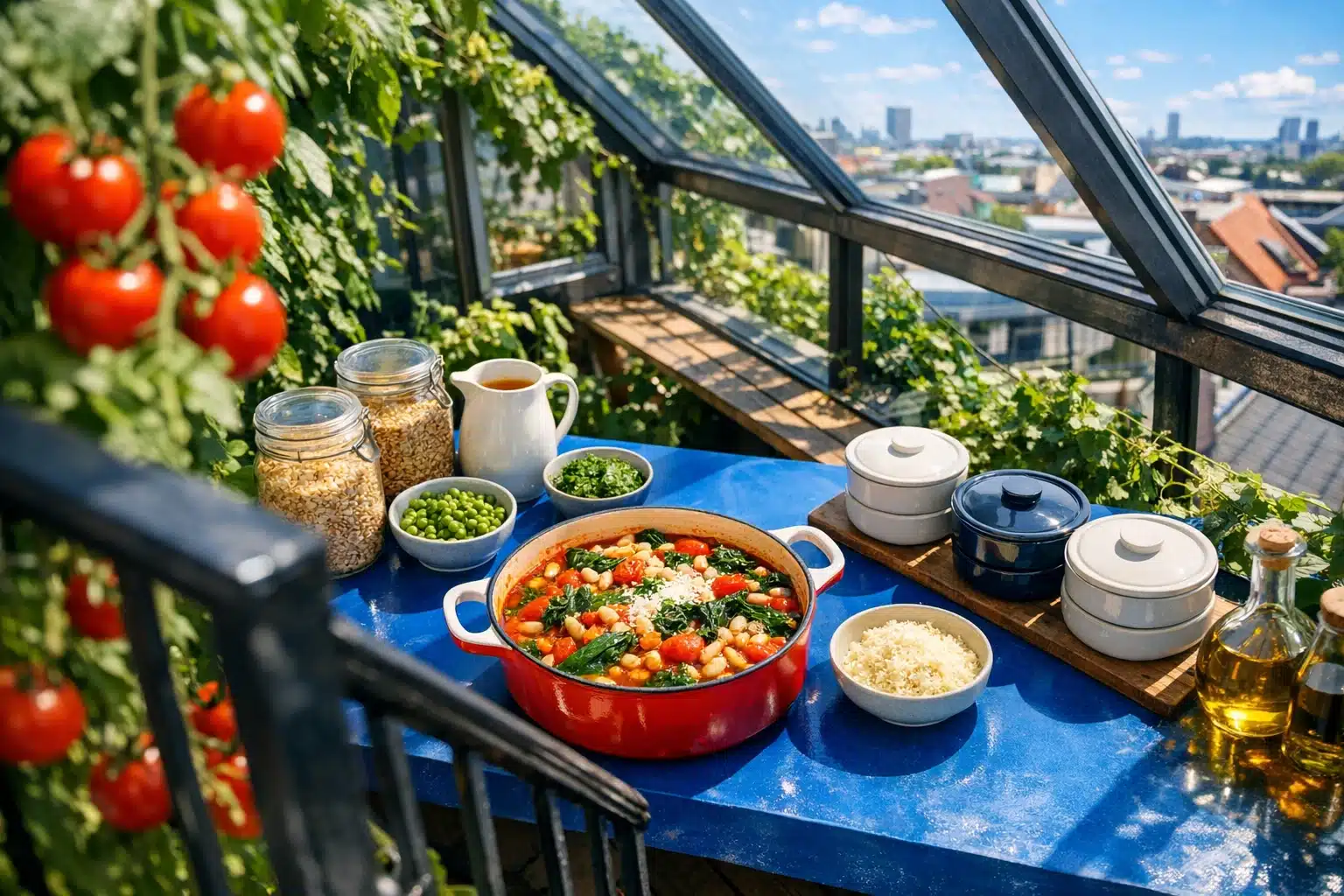
Pasta with beans and greens sits somewhere between soup and skillet supper. Small pasta shapes cook directly in broth with tomatoes, beans, and chopped kale or spinach. The result is hearty without feeling heavy. On a cold evening, the steam rising from the bowl can feel almost theatrical, a small curtain lifting before a very practical show. That combination of warmth, simplicity, and nourishment is exactly why one-pot meals earn their place in everyday life.
Conclusion: A Simpler Way for Seniors to Eat Well
For seniors, one-pot meals are not just a cooking trend; they are a sensible answer to everyday realities. They reduce physical strain, save time, help manage grocery costs, and make balanced eating more achievable on ordinary days. Just as importantly, they respect the fact that a useful meal does not need to be elaborate. It needs to be nourishing, appealing, and realistic to prepare again next week.
If you are cooking for yourself, the greatest advantage may be consistency. One good pot of soup, stew, rice, or pasta can cover several meals without making the kitchen feel like a workplace. If you are cooking for two, one-pot recipes make it easier to share the same base meal while adjusting portions and texture as needed. If family members help with shopping or prep, these dishes are also easy to communicate: one protein, a few vegetables, a starch, broth, seasonings, done.
The best starting point is not a dramatic pantry overhaul. It is one reliable recipe. Choose something you already enjoy, simplify it, and cook it in a single vessel. Then build a short routine around it. Keep a few staples on hand, portion leftovers promptly, and notice which textures and flavors feel best. Over time, you will probably find that the method matters as much as the specific recipe. When the process is easier, cooking happens more often. When cooking happens more often, eating well becomes less of a project and more of a habit.
- Begin with one familiar meal each week
- Use frozen or canned shortcuts without guilt
- Favor softer textures when comfort matters
- Freeze extra portions for future low-energy days
- Ask a clinician or dietitian for tailored advice if medical needs affect your diet
There is a quiet dignity in a meal that is both manageable and satisfying. A pot on the stove can hold more than ingredients; it can hold routine, independence, comfort, and a little breathing room at the end of the day. For older adults who want food that supports health without demanding too much in return, one-pot cooking is not merely convenient. It is a genuinely practical way to keep the table welcoming.