Places Debit Cards Should Never Be Used
Why Debit Cards Need Extra Caution
Your debit card looks convenient, almost invisible in daily life, yet it carries a quiet risk that many shoppers underestimate. Unlike a credit card, it pulls money straight from your checking account, so a fraudulent charge can disrupt rent, groceries, or bill payments before a dispute is resolved. That is why the safest payment choice often depends less on what you buy and more on where you use the card in the first place.
Debit cards feel like modern cash: quick, common, and tied to the account you already use. That convenience is also what makes misuse so disruptive. When a credit card number is stolen, the disputed charge usually sits between you and the card issuer. When a debit card is abused, the money can vanish from your available balance first, then return only after review. In the United States, Regulation E gives consumers important protections for unauthorized electronic transfers, but timing matters. Reporting a problem quickly usually limits liability, while delays can increase losses. Many banks also advertise zero-liability policies, yet those promises do not always remove the immediate stress of pending bills, overdraft concerns, or frozen funds during an investigation.
Outline:
• why debit card fraud feels worse than credit card fraud
• outdoor payment points such as fuel pumps, ticket machines, and independent ATMs
• hotels, car rentals, and travel merchants that place large temporary holds
• unfamiliar online sellers, subscriptions, and merchants that store card details
• restaurants, bars, and event venues where the final amount may change after authorization
• practical alternatives such as credit cards, mobile wallets, and account alerts
The main lesson is simple: a debit card is not always dangerous, but it is often the wrong tool in places where skimming, delayed settlement, or oversized authorization holds are common. Think of it as bringing your wallet to the edge of a dock. You may never fall in, but the closer you stand, the less room you have to recover from a slip. For people living paycheck to paycheck, that margin matters even more. A hold for a few hundred dollars can force awkward decisions, from postponing a utility payment to skipping a planned purchase. The following sections focus on the places where that risk becomes most visible and explain what to use instead whenever possible. The goal is not fear. It is control, and control begins with knowing when convenience carries a higher price than it first appears to.
Gas Pumps, Ticket Kiosks, and Independent ATMs
Few payment spots deserve more suspicion than unattended card terminals. Gas pumps, transit ticket machines, parking kiosks, and independent ATMs offer convenience at the exact moment you want speed, which is why they remain attractive targets for card skimmers and tampered readers. A skimmer is a device installed over or inside a legitimate card slot to capture data from the magnetic stripe. Criminals may also hide tiny cameras to record PIN entries or place fake keypad overlays on top of real ones. Even in the chip era, old vulnerabilities have not disappeared. Many outdoor machines still rely on older hardware, are exposed to less supervision, and may not be inspected as often as indoor checkout lanes.
Fuel pumps are especially risky because people tend to swipe fast, glance at the screen, and leave. At some stations, a debit purchase can also trigger a large preauthorization hold, sometimes far above the amount of fuel you actually buy. If your checking balance is tight, that temporary hold can be as frustrating as fraud itself. A credit card cushions that process because the issuer is extending funds rather than pulling directly from your bank account. If you must buy gas with a debit card, paying the cashier inside is generally safer than inserting your card at the pump. Better yet, use a credit card or a mobile wallet if the station supports tap-to-pay, since tokenized wallet payments reduce the exposure of your real card number.
Independent ATMs deserve similar caution. Machines located in convenience stores, bars, corner shops, or tourist corridors can be legitimate, but they often lack the layered security and monitoring found at bank-owned ATMs. They may also charge steep fees and display confusing screens that rush your choices. Warning signs include:
• a loose or bulky card reader
• a keypad that feels thicker than normal
• security seals that look broken
• a machine placed in a dim or isolated area
• strange resistance when inserting the card
Whenever possible, use an ATM operated by your own bank or a major financial institution. If that is not practical, inspect the machine, shield your PIN, and avoid choosing “debit” at unattended terminals unless cash withdrawal is truly necessary. The small detour to a safer location is often cheaper than the hours spent fixing a compromised account. In this category of payment points, speed is the bait. Slowing down is the defense.
Hotels, Rental Cars, and Travel Desks That Freeze Your Cash
Travel merchants are a different kind of hazard. At a hotel front desk or a rental car counter, the problem is not always fraud first. It is often the perfectly legal temporary hold that ties up real money in your checking account. Hotels commonly preauthorize a card for room charges plus incidentals, and the amount can range from modest to surprisingly large depending on the property, the number of nights, and local policy. Rental car companies may place even heavier holds to cover fuel, tolls, late returns, or damage risk. With a credit card, that hold reduces available credit. With a debit card, it can reduce the cash you were counting on for meals, transportation, or emergency expenses while you are away from home.
This is where debit cards can turn a smooth trip into a budgeting puzzle. Imagine checking into a hotel after a long flight, only to learn that the property has placed a hold several hundred dollars above the room rate. The reservation is valid, the desk staff is polite, and nothing illegal happened, yet your available balance suddenly shrinks. If you then rent a car or check into another hotel before the first hold is released, the squeeze gets tighter. Holds do not always disappear instantly at checkout, either. Depending on the merchant and the bank, release times can take days rather than hours.
Travel merchants also create a second complication: disputes are often messier. Final charges may differ from the original authorization because of minibar items, fuel replacement, late fees, or local taxes. Even when the merchant is correct, the moving numbers can make a debit account harder to track in real time. A credit card statement creates a buffer and a clearer dispute lane if something looks wrong. For frequent travelers, that difference is practical rather than theoretical.
Safer strategies include:
• reserve hotels and rental cars with a credit card whenever possible
• ask about incidental holds before check-in, not after
• keep a separate travel account if you must use debit
• use one card for booking and another for daily spending
• review receipts and release times before leaving the property
A hotel lobby often feels polished, bright, and trustworthy, but marble floors do not change payment mechanics. The card terminal at a travel desk is one of the last places where you want your everyday checking balance exposed. When merchants are known for large authorizations and delayed releases, debit is rarely the smartest card to hand over.
Unfamiliar Online Stores, Social Media Checkouts, and Recurring Billing Traps
The internet has made impulse buying frictionless. A jacket appears in a social feed, a gadget is promoted in a video, and two taps later the order seems complete. That speed is exactly why unfamiliar online stores are dangerous places to use a debit card. When you type a debit card number into a website, you are trusting the merchant’s security, the checkout software, the data storage practices, and often the honesty of a seller you discovered only minutes earlier. If anything in that chain is weak, your checking account can become the first point of impact.
Some risky sites are obvious: poor design, awkward spelling, no contact details, and prices that look unreal. Others are polished enough to appear legitimate while still offering weak consumer protection, slow refunds, or aggressive subscription terms. A debit card makes those problems worse because a disputed or delayed refund affects your own money immediately. A credit card usually offers a more comfortable dispute process for merchandise not received, duplicate charges, or unauthorized recurring billing. Banks can investigate debit disputes too, of course, but consumers often feel the cash-flow pain sooner.
Recurring billing deserves special attention. Free trials, subscription boxes, app upgrades, streaming add-ons, and membership programs can quietly convert into repeat charges. Canceling may be harder than signing up, and customer service may move at a glacial pace. With a credit card, you are disputing a line item. With a debit card, you may be trying to stop direct erosion of the account used for rent and essentials. The difference is not dramatic in theory; it is dramatic on the day the grocery budget no longer matches the balance you expected.
Before using any card online, pause and check:
• whether the site shows clear business information and return policies
• whether the checkout uses secure encryption
• whether reviews come from multiple independent sources
• whether the merchant is charging a one-time payment or storing the card for future use
• whether a virtual card number or mobile wallet option is available
For online purchases from a retailer you do not know well, a credit card or a virtual card number is usually safer than debit. If you prefer debit for budgeting, consider using it only with established merchants you trust and only through secure, tokenized payment methods. The web rewards urgency, but your bank balance prefers skepticism. In online commerce, the extra minute of verification is not hesitation. It is insurance against a preventable mess.
Restaurants, Bars, Event Venues, and a Smarter Payment Routine
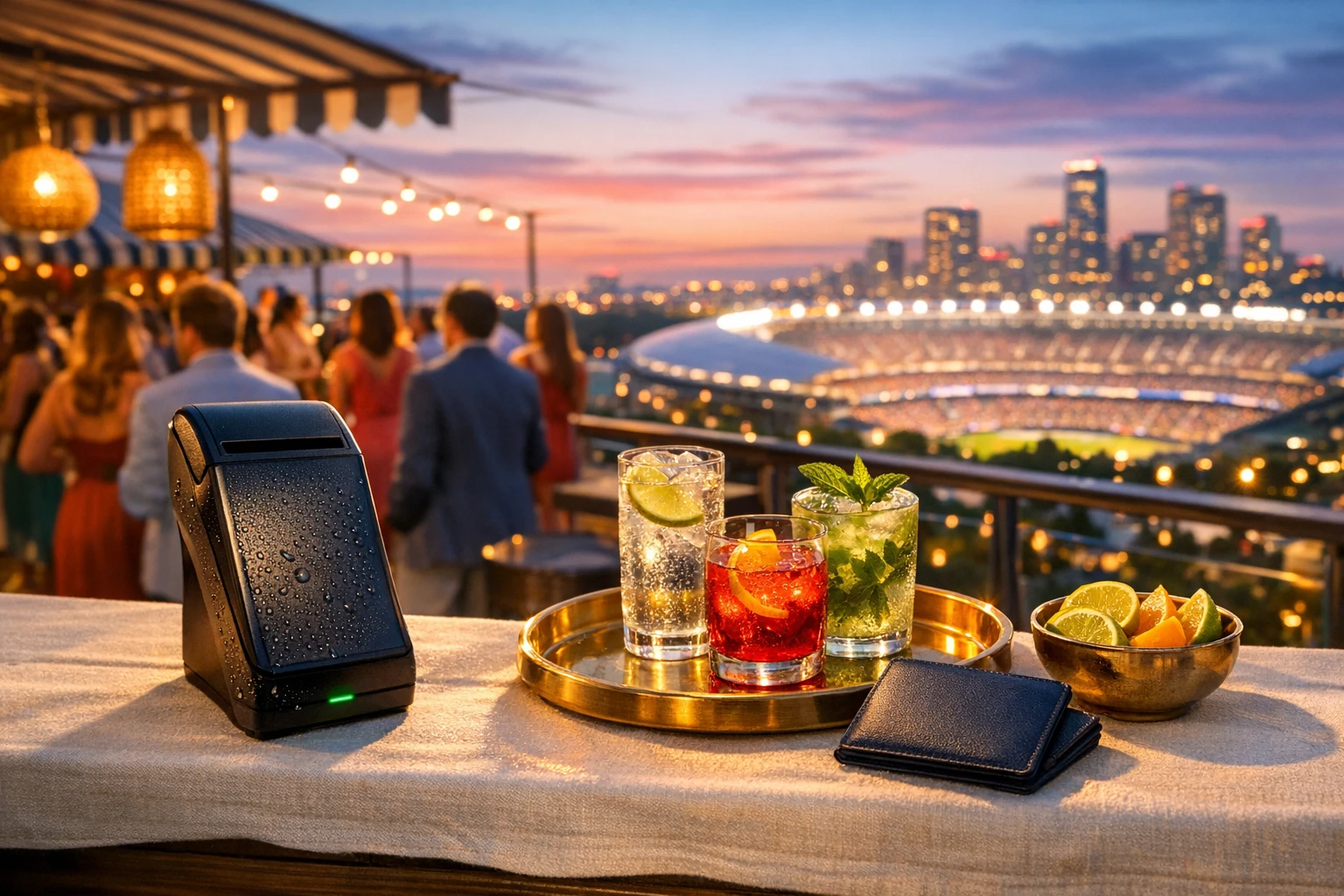
Restaurants and bars feel ordinary, which is exactly why many people drop their guard there. In some countries and businesses, the card terminal comes to the table and the payment is completed in front of you. In others, your card may still disappear into the back for a few moments that feel routine and harmless. Most of the time nothing goes wrong, but this is still a place where a debit card is not ideal. Tips can be adjusted after the initial authorization, tabs may stay open for hours, and crowded environments increase the chance of mistakes, double charges, or the simple chaos of a rushed staff member closing the wrong check.
Bars and event venues add another layer. Festivals, stadium concessions, and pop-up counters often use temporary equipment, overloaded networks, or improvised service setups. That does not make them dishonest, but it does make them less predictable. A pending debit transaction may not match the final amount right away, especially when gratuity is added later. If you are traveling, distracted, or splitting costs with friends, spotting an error becomes even harder. A credit card is usually the better choice because it absorbs the delay between authorization and settlement without immediately tightening your day-to-day cash flow.
This is also where habit matters. Many people use debit cards everywhere simply because they want to avoid debt, and that instinct is understandable. The smart alternative is not careless spending on credit. It is using credit as a safer payment rail while paying the balance in full and on time. If you do that, you preserve the fraud protection and dispute advantages of credit without turning dinner into interest-bearing debt.
A safer everyday routine looks like this:
• use a credit card for restaurants, bars, travel, and unfamiliar merchants
• reserve your debit card for bank ATMs and trusted routine purchases
• enable transaction alerts for both cards
• keep your checking account balance leaner if you are worried about exposure
• review pending charges regularly instead of waiting for a monthly surprise
For students, busy families, frequent travelers, and anyone managing a tight monthly budget, this topic is less about paranoia and more about protecting breathing room. Debit cards are useful tools, but they should not be your default in places where holds, skimming, or delayed final charges are common. If you remember one takeaway, let it be this: choose debit where access is controlled and the transaction is simple; choose credit where uncertainty enters the picture. That single shift can spare you the most frustrating kind of financial problem, the one where the money is yours, yet suddenly unavailable when you need it most.