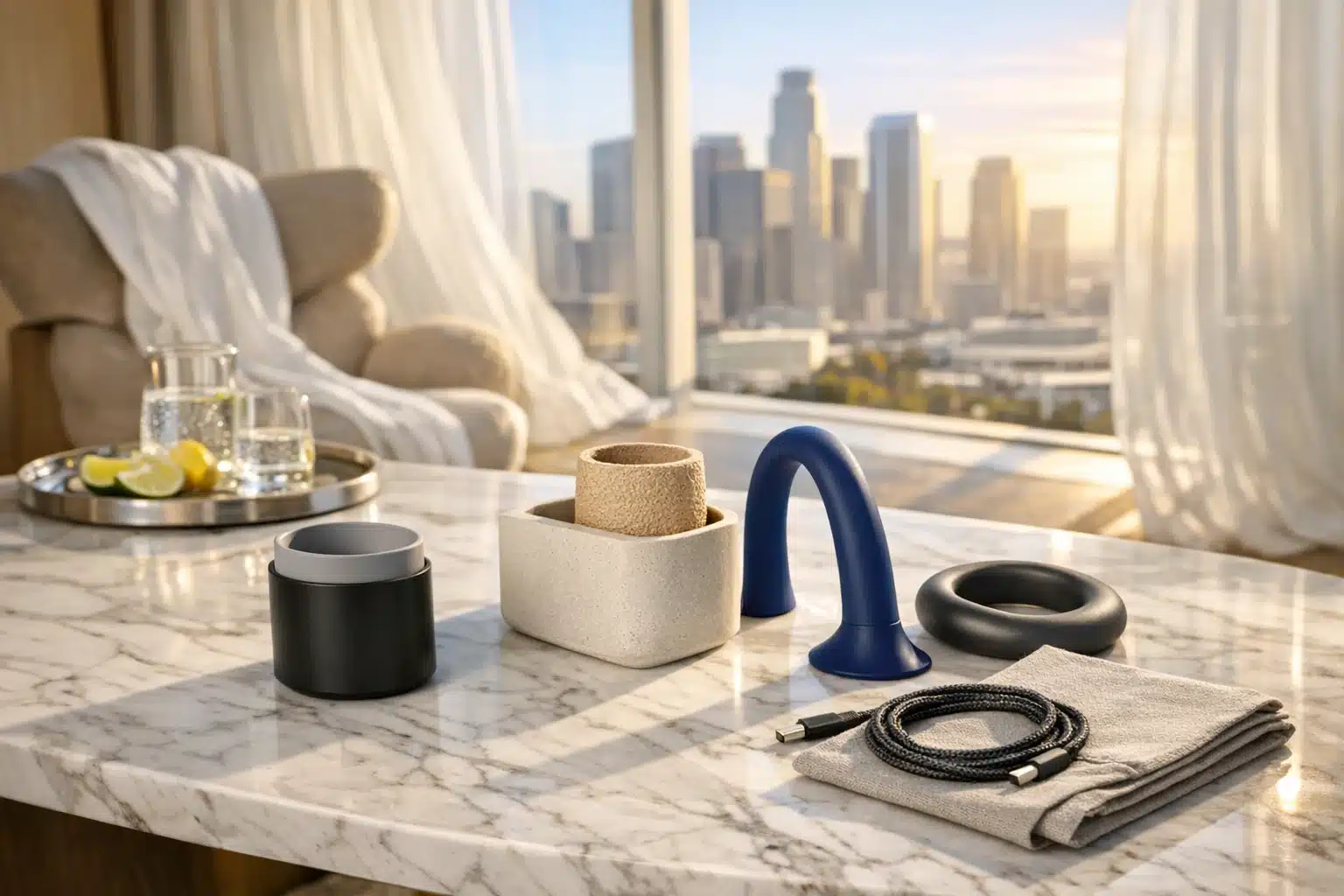
Popular Male Intimate Wellness Devices to Consider This Season
Shopping for intimate wellness devices can feel oddly similar to buying headphones: the market is crowded, the specs can blur together, and the difference between a clever feature and a gimmick is not always obvious. This season, men are leaning toward quieter motors, easier cleaning, body-safe materials, and more personalized settings. That shift matters because comfort, privacy, and usability often decide whether a device becomes a regular part of a wellness routine or ends up forgotten in a drawer.
Outline
- A look at the trends shaping this season’s choices and why men are shopping differently.
- A comparison of manual sleeves, automatic strokers, and vibrating rings, including strengths and trade-offs.
- An overview of prostate massagers and pelvic floor devices, with attention to wellness, comfort, and safe design.
- A practical review of materials, app features, hygiene, and privacy factors that matter more than marketing buzzwords.
- A final buyer-focused guide to matching a device with lifestyle, budget, experience level, and long-term use.
Why These Devices Are Getting More Attention This Season
The biggest change in the male intimate wellness space is not simply that more products exist. It is that the conversation around them has matured. Devices that were once marketed almost entirely as novelty items are now increasingly framed around comfort, stress relief, body awareness, and personal wellness. That shift has made a real difference in how people shop. Men are asking more practical questions than they did a few years ago. Instead of wondering only about intensity or unusual features, many now compare materials, cleaning routines, battery life, storage, and how discreet a product looks when it arrives at the door.
Seasonal interest often rises when people refresh routines, spend more time at home, travel differently, or become more open to self-care purchases. In that environment, intimate wellness devices benefit from the same broader trends seen across personal care categories: cleaner design, stronger focus on usability, and better technology. A sleek finish, a quieter motor, and a USB rechargeable battery may not sound dramatic, but these details matter. They reduce friction, and in consumer products, less friction often means more consistent use.
Another reason for the growing attention is that product descriptions and user reviews have become more specific. Buyers commonly look for clues such as whether the main material is non-porous silicone, whether an internal sleeve can be removed for cleaning, or whether a device has a travel lock. Those are not glamorous features, yet they are often the difference between a good purchase and a frustrating one. In plain terms, the category is growing up. The packaging is more neutral, the controls are more intuitive, and even the language on many retail pages sounds less like a wink and more like a guide.
A few clear preferences are shaping what people choose right now:
- Body-safe materials over mystery plastics or porous compounds.
- Quieter operation for privacy in shared spaces.
- Simpler controls instead of complicated button combinations.
- Easier maintenance, especially removable parts and rinse-friendly construction.
- Compact storage for apartments, travel, or generally low-profile living.
There is also a wider emotional shift at play. Men who might once have felt awkward browsing these products are more willing to approach the category like any other wellness purchase. That does not mean every device is equally useful, of course. Some still lean heavily on gimmicks. But the rise in thoughtful design suggests a market responding to more informed customers. In a way, this season’s popular devices tell a small story about modern consumer behavior: people want products that fit real life, not just products that look exciting on a screen.
Automatic Strokers, Manual Sleeves, and Vibrating Rings Compared
If there is one part of the market where choice can feel overwhelming, it is this trio. Manual sleeves, automatic strokers, and vibrating rings are among the most visible male intimate wellness devices, but they serve different preferences and routines. Thinking of them as interchangeable leads to bad buying decisions. A better approach is to compare them by control, maintenance, noise, portability, and the type of experience they are designed to provide.
Manual sleeves are often the most accessible starting point. They usually cost less than motorized devices, require no charging, and offer direct control over speed and pressure. That hands-on control is a major advantage for people who want simplicity or who do not want to learn a device interface. Many sleeves now include textured interiors, stretchier openings, and removable cases for easier handling. On the downside, material quality varies widely. Some low-cost models use porous elastomers that can wear out faster or hold odor more easily than higher-grade options. Cleaning also matters. A sleeve that cannot be opened or fully dried can quickly become annoying to maintain.
Automatic strokers appeal to buyers who want less manual effort and more variation. These devices often use air pulses, stroking mechanisms, vibration, or rotating movement patterns to create a more programmed experience. They can feel more premium, and many offer adjustable intensity settings, warming functions, or app-linked control. The trade-off is that they demand more from the user in every practical sense. They are usually bulkier, more expensive, louder, and more dependent on careful cleaning. The best models justify their price with removable inserts, stable motors, and controls that make sense at a glance. The weaker ones hide average performance behind flashy feature lists.
Vibrating rings sit in a different lane. They are more compact, often easier to store, and can work for solo use or shared experiences. Their appeal lies in simplicity: minimal setup, smaller size, and a quick learning curve. Some users also like them because they do not dominate a drawer or a budget. Still, they are not a universal answer. Fit matters, comfort matters, and anyone with circulation concerns should follow the manufacturer’s guidance and use common sense about duration.
A useful way to compare the three categories is this:
- Choose a manual sleeve if you want affordability, direct control, and near-silent use.
- Choose an automatic stroker if you want hands-free features, patterns, and a more tech-forward experience.
- Choose a vibrating ring if you want portability, quick setup, and a compact design.
There is no universal winner. The right choice depends less on hype and more on your tolerance for setup, cleanup, storage, and noise. A device can be impressive in theory and still be a poor fit for your routine. In this category, lifestyle fit beats novelty almost every time.
Prostate Massagers and Pelvic Floor Devices: Wellness Beyond Novelty
One of the most interesting developments in this space is the growing visibility of prostate massagers and male pelvic floor devices. These are often misunderstood, partly because they get grouped into a broad “adult product” label that hides their practical differences. In reality, this part of the market brings together curiosity, physical comfort, body awareness, and, for some users, a more intentional approach to wellness. It is less about shock value and more about better design meeting better information.
Prostate-focused devices have become more approachable because the design language has improved. Many beginner-friendly models now feature slimmer inserts, tapered shapes, softer silicone surfaces, and flared bases that support safer use. Some add external vibration points meant to rest comfortably against the body, while others focus on gentle internal stimulation with more modest power settings. That matters because first-time users often need reassurance more than intensity. A bulky shape, an unclear angle, or a harsh motor can turn a promising product into a one-time experiment.
Pelvic floor devices deserve attention for a different reason. The male pelvic floor plays a role in bladder control, core stability, and sexual function, and interest in this area has grown as men become more open to preventive health and rehabilitation conversations. Some devices are simple resistance or feedback tools, while others use app-based guidance to help users understand contraction patterns and consistency. They are not miracle products, and no responsible guide should pretend otherwise. But they can support body awareness and structured routines when used correctly and with realistic expectations.
When comparing products in this category, a few design details matter more than dramatic marketing copy:
- Shape and size, especially for beginners who need gradual entry and comfort.
- Base design, because insertable products should have a secure stopping point.
- Motor placement, which affects whether vibration feels focused or scattered.
- Flexibility and firmness, since a device that is too rigid can feel uncomfortable.
- Instruction quality, including cleaning advice, charging details, and safe-use guidance.
It is also worth stressing that these products should never cause sharp pain. If discomfort, bleeding, or lingering soreness occurs, stopping use and seeking medical advice is the right move. People with recent surgery, significant hemorrhoid symptoms, or ongoing pelvic pain should be especially cautious and consider professional guidance first.
The rising popularity of this category says something useful about the season overall: more men are willing to explore products that are not purely about novelty or speed. They want devices that meet them where they are, whether that means curiosity, relaxation, or a more body-aware wellness routine. In a market full of noise, that is a surprisingly grounded direction.
Smart Features, Materials, Cleaning, and Privacy: What Actually Matters
It is easy to get distracted by feature lists. App control, warming modes, pulse patterns, suction algorithms, memory presets, magnetic charging, splashproof construction, travel locks, and whisper-quiet motors all sound appealing on a product page. But the real question is not whether a device has many features. It is whether the useful ones are supported by solid materials, realistic maintenance, and sensible privacy practices. A product with ten flashy extras and poor hygiene design is still a weak purchase.
Start with materials. In intimate wellness products, body-safe silicone is widely favored because it is non-porous, smooth, and easier to clean than many softer compounds. ABS plastic is also common for hard outer shells and can be perfectly appropriate when paired with removable silicone or elastomer inserts. Where buyers should slow down is with vague listings that describe a product as “soft premium material” without naming what it is. If the material is unclear, the long-term cleaning story is unclear too. That alone is a good reason to move on.
Next comes cleaning. This part is not glamorous, but it is central. A device that takes ten minutes to disassemble, rinse, dry, and reassemble may sound manageable at first and then quietly become a burden. Removable sleeves, fully openable channels, and straightforward drying are major advantages. Water-based lubricant is often the safer default, especially with silicone components, because some silicone-based lubricants can affect the finish of certain products over time. Manufacturer instructions should always guide the final decision, but easy cleanup nearly always predicts happier ownership.
Smart features deserve a more skeptical eye. App control can be genuinely useful for custom settings, remote adjustment, or saving favorite patterns. It can also be unnecessary if the physical buttons are well designed. Battery life, charging speed, and travel locks often matter more in daily life than the ability to scroll through thirty modes. Noise is another underappreciated factor. A device that is only slightly too loud can feel dramatically less usable in an apartment, dorm, or shared home.
A practical checklist helps cut through the clutter:
- Look for clearly named materials, not vague marketing language.
- Check whether parts are removable and easy to dry thoroughly.
- Confirm the water resistance level instead of assuming waterproof means fully submersible.
- Read privacy details for app-based products, especially account requirements and data permissions.
- Prioritize controls you can understand quickly, especially in low light or without a manual nearby.
Privacy deserves its own final note. If a connected device asks for broad permissions, requires a permanent account, or buries its policy in confusing language, pause before buying. For many shoppers, the best technology is quiet, clean, and forgettable in the best possible way. If the device respects your time, your space, and your data, it is already ahead of much of the field.
Final Thoughts for Men Choosing a Device This Season
If you are trying to narrow the field, the smartest move is to stop searching for the “most advanced” option and start looking for the most compatible one. The right device is the one that fits your routine, comfort level, storage situation, and tolerance for upkeep. A surprisingly large number of disappointing purchases happen because a buyer selects for excitement instead of fit. The product may be well reviewed, nicely made, and packed with features, yet still be wrong for the person using it.
For first-time buyers, simpler is usually better. A well-made sleeve, a compact vibrating ring, or a gently designed beginner device often provides a clearer sense of personal preference than jumping straight into a complex motorized model. For experienced users, the decision may shift toward refinement: quieter operation, better materials, more consistent motors, or smarter ergonomics. Frequent travelers might value compact storage and a reliable travel lock more than raw power. People who prioritize hygiene may want removable inserts and minimal seams above everything else. Men exploring prostate or pelvic floor devices may care most about shape, firmness, and trustworthy instructions.
Budget matters too, but not only in the obvious way. The purchase price is just one part of ownership. You may also need lubricant, a cleaner approved for the material, a discreet storage pouch, or replacement sleeves if the design uses them. Spending a bit more on a device that is durable and easy to maintain can be more sensible than saving money on something awkward to clean and uncomfortable to use. Value is not the lowest price tag. Value is the best balance of comfort, longevity, and usability.
Here is a simple way to frame the final decision:
- If you want low fuss and low noise, start small and manual.
- If customization is your priority, focus on app-supported or motorized models with strong cleaning design.
- If body awareness and targeted wellness interest you, compare beginner-friendly prostate or pelvic floor tools carefully.
- If privacy is non-negotiable, give extra weight to packaging, sound level, and data practices.
The seasonal trend is clear: men are choosing more intentionally. They are looking for products that feel less like impulse buys and more like well-designed personal care tools. That is a useful mindset to keep. Read the materials, inspect the cleaning setup, think about how and where the device will actually be used, and choose the product that makes sense for your real life. When a device matches your habits instead of just your curiosity, it has a far better chance of being worth the purchase.