Practical Ways to Remove Dog Odor from Your Home
Why Homes Smell Like Dogs: Sources, Science, and a Quick Diagnosis
Outline of what you’ll learn and in which order:
– Understanding where dog odor comes from and how to pinpoint the worst spots.
– Step-by-step cleaning for fabrics, floors, and hard surfaces.
– How ventilation, filtration, and humidity control remove odor from the air.
– Grooming and daily routines that prevent smells from coming back.
– A realistic long-term maintenance plan you can actually follow.
Dog odor isn’t a single smell; it’s a mix of compounds produced by skin oils, saliva, paws, and the microbes that live on fur and in damp places. When fur gets wet, microbial byproducts rise with the moisture, which is why “wet dog” has a distinct profile. Fabrics, carpets, and foam trap these molecules, and porous materials can hold them for weeks. Urine adds another challenge: crystals can persist even after a spill dries, reactivating with humidity. The home itself participates too—poor ventilation, high humidity, and dusty filters give odor particles a place to linger. In short, your dog is only part of the equation; the building and your cleaning patterns matter just as much.
Start with a quick diagnosis so you’re not guessing. Walk a slow “sniff map” around the house after you’ve been outside for a few minutes; fresh noses notice more. Focus on high-traffic zones, soft furnishings, and anywhere your dog naps. Look for hidden sources: under couches, behind curtains, inside crates, and beneath area rugs. A small flashlight helps you spot stains and hair clumps in corners. For suspected urine, a 365–395 nm blacklight can reveal splatter and rings that normal light misses. Note humidity while you’re at it—aim for roughly 40–50% relative humidity, measured with a simple hygrometer; higher levels encourage microbial activity and make odors bloom.
As you identify trouble spots, categorize them by material type and intensity. Fabrics and foam need different tactics than sealed tile or varnished wood. Persistent smells usually trace back to three patterns: trapped hair and dander, dampness that never fully dries, and organic residues that weren’t fully broken down. The plan ahead addresses all three with targeted cleaning, better air handling, and habits that reduce recontamination. Think of this as odor math: remove the source, improve dispersion, prevent return. Once you get those variables right, the living room stops smelling like last week’s hike.
Fabric, Floors, and Surfaces: Step-by-Step Odor Removal
Soft materials act like odor sponges, so begin where smells cling. Strip beds, blankets, and cushion covers. Wash items in the warmest water the care label allows, adding a longer soak cycle if available. Enzyme-based detergents are useful for protein-rich residues like saliva and urine; they need time to work, so respect dwell-time recommendations. For very stubborn textiles, a second wash with oxygen-based bleach (color-safe, not chlorine) can brighten and neutralize lingering notes. Air dry in sunlight when possible; ultraviolet exposure and moving air help disperse volatiles and discourage microbes.
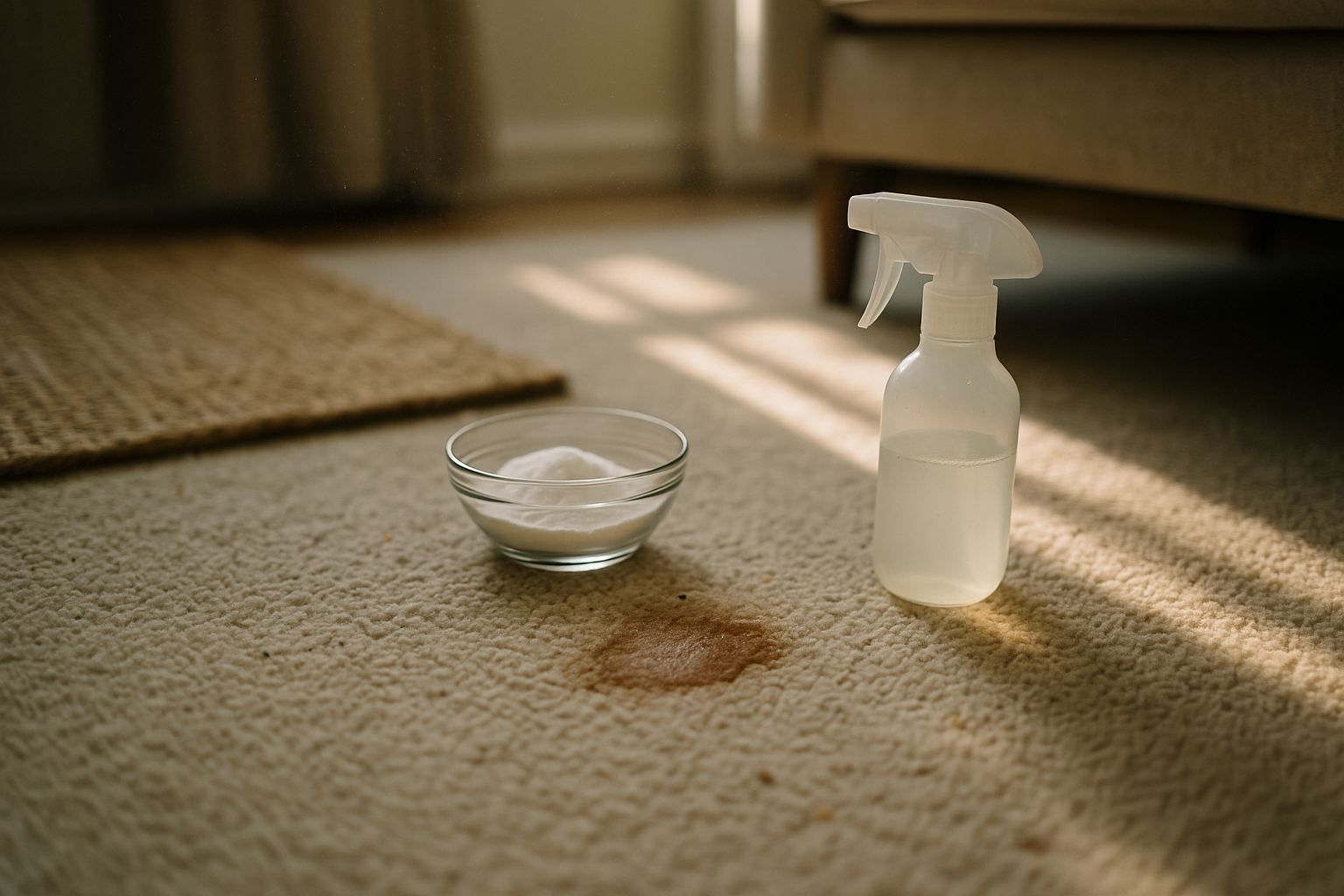
For carpets and rugs, vacuum slowly in overlapping passes; most vacuums only reach peak pickup at a careful walking speed. Then treat targeted spots. On fresh accidents, blot—don’t rub—to keep the liquid from spreading. Apply an enzyme cleaner, allowing 10–15 minutes (or as directed) before blotting again. For dried stains, rehydrate slightly with warm water, apply enzyme solution generously, cover with a damp cloth, and let it sit up to an hour. Sprinkle baking soda once the area is just slightly damp, allow 8–24 hours to absorb odors, and vacuum thoroughly. Avoid steam on protein-based stains until after enzymatic treatment; heat can set them.
Hard floors and surfaces need material-aware care. On sealed hardwood, start with a gentle, pH-neutral cleaner and quick-dry the surface; standing water seeps into seams and subfloor. For tile and grout, an oxygen-based solution plus gentle scrubbing can release odor lodged in pores. Be cautious with acidic mixes like vinegar on natural stone (marble, limestone, travertine); acids can etch and invite future staining. Stainless bowls and silicone mats should be washed frequently; even perfectly clean water dishes collect biofilm. Crates, plastic bins, and litter-like pee pads benefit from a mild detergent wash followed by a rinse and full air-dry.
Do’s and don’ts for efficient, damage-free cleaning:
– Do patch-test any cleaner on an inconspicuous area.
– Do allow enzymes a proper dwell time; rushing cuts their effectiveness.
– Do vacuum after deodorizing powders to avoid residue buildup.
– Don’t mix chlorine bleach with ammonia-based residues; harmful gas can form.
– Don’t oversaturate carpets; excess moisture feeds mildew and wicks stains upward.
Finally, address the overlooked fabric magnets: curtains, throw pillows, and upholstered dining chairs. If covers aren’t removable, a fabric-safe deodorizing mist followed by methodical, slow vacuuming with an upholstery tool can make a measurable difference. Repeat light maintenance weekly for a month; odors that took time to accumulate usually take a few cycles to unwind.
Fresh Air, Filters, and Ventilation: Managing Odor in the Air
Even after deep cleaning, the air can hold odor molecules and fine particles that remind you a dog lives here. Good news: air movement and filtration can nudge your home back to neutral. Start with simple ventilation. Open windows on opposite sides of a room to create crossflow for 10–20 minutes when weather allows. Fans placed to push stale air out and pull fresh air in multiply the effect. This purge reduces the overall concentration of volatiles and moisture—two levers that shape what you smell.
For days when outdoor air is limited by pollen, pollution, or temperature, filtration steps in. A purifier with a HEPA-grade filter captures fine dander and hair fragments; look for a Clean Air Delivery Rate (CADR) that suits your room. A practical rule: choose a purifier with a CADR at least two-thirds of the room’s area in square feet (e.g., 150 CADR for a 225 sq ft room). If you prefer metric, target approximately 4–5 air changes per hour (ACH) in living areas; odor and allergen-sensitive households can aim higher. Activated carbon in the filter stack adsorbs odors and many volatile compounds; thicker beds and slower airflow improve contact time, enhancing results.
Your central system can help too. Upgrade to a higher MERV-rated filter compatible with your blower—often MERV 11–13 is a sweet spot that captures smaller particles without overstraining equipment. Replace filters on schedule or sooner if hair and dust accumulate fast. Consider running the fan on low “circulate” for parts of the day to even out air quality across rooms. Pair this with humidity control: keep relative humidity about 40–50%. A dehumidifier in damp seasons or an energy-efficient air conditioner cycle reduces the “wet dog” surge that appears after baths or muddy walks.
Deodorizers can play a role, but understand their limits. Sprays and gels often mask rather than neutralize; they’re most effective after you’ve removed the sources and filtered the air. Better yet, choose products labeled as odor absorbers or neutralizers rather than heavy fragrances. Practical reminders:
– Position purifiers where your dog lounges; treat the actual cloud.
– Keep an eye on noise levels; you’ll only use a device you can live with.
– Replace carbon and HEPA media per guidance; saturated filters stop performing.
With steady airflow, right-sized filtration, and balanced humidity, the background “dog house” note fades, and you’re left with a room that simply smells like your room.
Grooming, Habits, and Prevention: Fix the Odor at the Source
The cleanest room will still smell like a kennel if the source keeps recharging it. Prevention begins with routine grooming tailored to your dog’s coat, skin, and lifestyle. Bathing frequency varies—too often can dry skin and prompt more oil production, too rarely leaves residues that smell. For most healthy dogs, every 4–8 weeks with a gentle, pH-balanced shampoo is reasonable; rinse thoroughly, then dry fully so moisture doesn’t linger near the skin. Between baths, brush to lift loose hair and dander; this reduces what falls into carpets and cushions.
Ears, teeth, and paws matter as much as fur. Ear canals can harbor yeast or bacteria that produce sharp odors; wipe the outer ear gently with a vet-approved cleaner and cotton pads, avoiding deep insertion. Dental care curbs bad breath that spreads to beds and blankets; daily brushing or dental chews support fresher air around the muzzle. Paws track in outdoor smells and moisture; a quick wipe after walks keeps grime from grinding into rugs. Collars and harnesses pick up sweat, oils, and mud; toss them into a laundry bag and wash as often as you launder the dog bed cover.
Speaking of beds, treat them like a weekly laundry item. Choose beds with removable, machine-washable covers and, ideally, inner liners that resist liquid penetration. After washing, fluff the insert in the sun when possible; light and fresh air do quiet, steady work. Create breathable storage for spare blankets so they don’t sour in a closet. Train consistent nap zones using washable throws; controlling where your dog lounges concentrates cleaning effort where it pays off most.
Diet and hydration influence odor subtly through skin oils and digestion. A balanced diet appropriate for your dog’s age and activity level supports a healthy coat and gut; sudden dietary shifts can cause gas or skin changes that add to household odors. Keep water bowls clean and refreshed daily; stale water grows film and carries a musty note. Exercise and enrichment reduce stress-related grooming and drool, which can otherwise spread smells to fabrics.
Practical prevention checklist:
– Brush 3–5 minutes daily; short, frequent sessions outperform marathon grooming.
– Dry thoroughly after rain or baths; aim for fur that feels room-dry at the skin.
– Wash beds, throws, and soft toys on a schedule you can maintain—weekly or biweekly.
– Wipe paws at the door and rotate two doormats: one outside to knock debris, one inside to absorb moisture.
– Store pet gear clean and dry to prevent a background “kennel” aroma in closets.
Conclusion and Long-Term Odor Control Plan
Odor control that sticks is a routine, not a one-time sprint. Build a simple plan you can follow even on busy weeks. Start with weekly maintenance: vacuum high-traffic areas slowly, launder the dog bed cover, wipe bowls and mats, and run an air purifier at a comfortable setting. Every month, add a targeted session: spot-treat rugs with enzymes where your dog lounges, wash curtains or throws, and check humidity. Replace or clean filters on purifiers and HVAC per their intervals; set calendar reminders so it happens before performance drops.
Seasonal deep cleans help reset the home. In spring and fall, pull furniture away from walls, vacuum baseboards, and inspect beneath rugs and cushions. If you inherited persistent urine odor from a previous pet, consider sealing subfloors or painting walls with a stain- and odor-blocking primer before reinstalling carpet or adding new textiles. For rooms that never quite clear, evaluate the materials themselves: dense foams and old carpets can hold on to smells despite diligent care; swapping a rug or cushion insert can make an outsized difference.
Prevention wraps around lifestyle. Create a “mudroom moment” at the entry with two mats and a small towel so paw wipes become automatic. Keep a small caddy of supplies—enzyme cleaner, microfiber cloths, a scrub brush, baking soda—in the area you’re most likely to need them. Address accidents immediately, giving enzymes time to work before anyone steps through the area. Encourage consistent nap spots with washable covers; every minute you spend guiding habits saves ten in cleanup later.
Quick reference mini-schedule:
– Daily: quick brush, wipe paws, refresh water, run purifier on low.
– Weekly: vacuum slowly, launder bed cover or throw, clean bowls and feeding area.
– Monthly: enzyme spot-treat favored lounges, wash curtains or pillows, check humidity.
– Quarterly: move furniture, deep vacuum edges, wash or replace filters as needed.
You don’t need perfection to beat dog odor—just a steady rhythm that removes sources, clears the air, and keeps humidity in check. With those pillars in place, your home smells like you again, and you still get every tail-thumping welcome at the door.