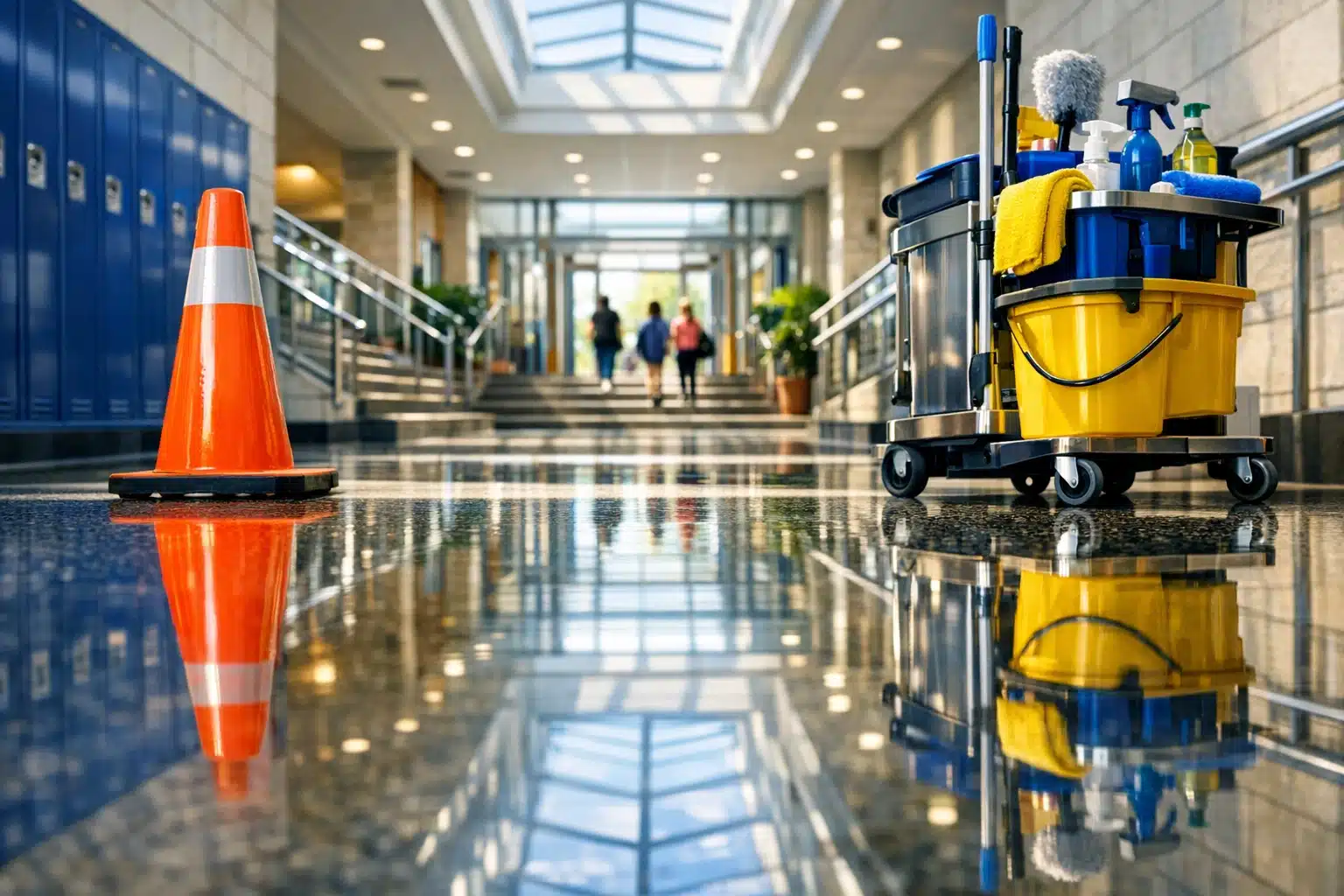
School Cleaning Work: Duties, Skills, and Career Insights
Behind every calm classroom and polished hallway is work that rarely gets applause but shapes the school day in visible and invisible ways. School cleaning work supports health, safety, concentration, and the overall mood of a campus, from the first unlocked door in the morning to the last bin emptied at night. This article outlines the field, then explores daily duties, practical skills, workplace realities, and career paths for people considering or managing this essential job.
Understanding the Scope of School Cleaning Work
To map the topic clearly, this article follows five parts: the scope of the job, daily duties by area, the skills and tools involved, the realities of scheduling and teamwork, and final guidance for job seekers and school leaders. That outline matters because school cleaning work is often underestimated. From a distance, it can seem like a simple matter of sweeping floors and taking out trash. Up close, it is a structured form of facility care that combines routine, judgment, and responsibility. A school is not just another building. It is a place where children, teenagers, teachers, office staff, kitchen workers, and visitors move through the same rooms all day, touching desks, door handles, railings, faucets, lockers, and shared equipment.
Compared with office cleaning, school cleaning usually involves more varied messes, more traffic, and a stronger emphasis on hygiene in common areas. Compared with hospital cleaning, the infection-control standards are different, but the need for consistency remains high. A school cleaner works in an environment where small oversights can have outsized effects. A spill left on a stairwell can become a safety hazard. Overflowing waste bins in a restroom can quickly affect the whole corridor. Dust buildup in corners, vents, or storage areas may not make headlines, but it quietly lowers the standard of the space.
The role also changes depending on the type of school. An elementary school may require more attention to restrooms, classroom floors, and accidental spills. A middle school often brings heavier hallway traffic and more frequent touchpoint cleaning. A high school may add locker rooms, science labs, workshops, or larger cafeteria demands. In many schools, cleaning staff also help with room setups, emergency response, seasonal deep cleaning, and reporting maintenance problems that others miss.
In practical terms, school cleaning work sits between custodial service and campus stewardship. Cleaners do not just react to dirt. They help maintain order, extend the life of school property, and create conditions that support attendance, focus, and trust. When a building looks cared for, people tend to treat it with more care as well. That quiet influence is one of the strongest reasons this work deserves serious attention.
Daily Duties Across Classrooms, Hallways, Restrooms, and Shared Spaces
The daily routine of school cleaning work is shaped by space, timing, and traffic. No two campuses are identical, but most cleaners move through a predictable sequence of tasks designed to keep the building usable, sanitary, and presentable. A classroom, for example, may need trash removal, desk wiping, whiteboard area tidying, sweeping or vacuuming, and spot cleaning on doors or glass. A hallway asks for something different: floor care, litter pickup, stair rail cleaning, entrance mat attention, and a sharp eye for spills or mud tracked in from outdoors. The work is physical, but it is also observational. A skilled cleaner notices what changed since yesterday.
Restrooms are often the most demanding area because they combine hygiene, odor control, supply management, and frequent use. In many schools, restrooms are checked multiple times beyond the main cleaning round, especially during busy periods or illness season. A typical restroom routine can include:
• emptying waste bins
• cleaning and disinfecting toilets, urinals, sinks, and partitions
• refilling soap, paper, and tissue
• mopping floors with attention to corners and edges
• checking for leaks, clogs, or damage that should be reported
Cafeterias, gyms, libraries, staff rooms, and entrances each bring their own cleaning logic. Cafeterias may require grease control, table sanitation, and fast turnaround between meal periods. Gym floors need methods that protect the finish while still removing dirt and sweat residue. Libraries and offices often require quieter, more detailed work around electronics, shelves, and paper-heavy spaces. Entrances can become the front line during wet weather, where mats, puddles, and mud demand constant attention.
There is also a big difference between routine cleaning and periodic deep cleaning. Routine work keeps the building functional day by day. Deep cleaning happens during breaks, weekends, or summer periods and may include stripping and refinishing floors, washing walls, cleaning vents, shampooing carpets, and addressing neglected buildup. This is where the job resembles long-form craft rather than quick maintenance.
What makes school cleaning distinct is not just the number of tasks, but the constant balancing act behind them. Cleaners must decide what is urgent, what can wait, and where limited time will have the greatest effect. A fresh-smelling classroom and a dry, safe corridor may look effortless to everyone else, but they are usually the result of dozens of small decisions made well.
Skills, Tools, and Safety Standards That Matter on the Job
Good school cleaning is not only about effort. It depends on skill, method, and safe use of equipment. The strongest cleaners are not always the fastest people in the building. They are the ones who understand how to work efficiently without cutting corners, how to use products correctly, and how to protect both themselves and the people who use the school. That means reading labels, following dilution instructions, using the right cloth or mop for the right area, and knowing when a surface needs cleaning, sanitizing, or disinfecting. Those terms are often treated as interchangeable in casual conversation, but on the job they can involve different procedures.
Common tools in school cleaning work include microfiber cloths, mops, wet floor signs, auto scrubbers, vacuums, spray bottles, floor machines, carts, and color-coded supplies used to prevent cross-contamination. Many schools rely on a system where separate cloths or tools are assigned to restrooms, classrooms, and food areas. That simple practice helps reduce the chance that germs from one zone are spread to another. In addition, cleaners may use product safety data sheets, checklists, and locked storage protocols for chemicals and equipment.
Important job skills often include:
• time management and route planning
• attention to detail
• safe lifting and body mechanics
• communication with staff and supervisors
• basic problem reporting for leaks, broken fixtures, or damage
• adaptability during events, bad weather, or unexpected messes
Safety deserves special attention because school cleaners work around slippery floors, electrical equipment, cleaning agents, heavy bags, and occasionally biohazard situations such as vomit or blood cleanup. Training usually covers glove use, ventilation, proper chemical handling, and emergency procedures. In many workplaces, one of the golden rules is simple: never mix chemicals unless the product guidance explicitly allows it. Another is equally practical: a wet floor sign can prevent a serious injury just as surely as a mop can remove grime.
Soft skills matter too. School cleaning staff often interact with teachers, students, principals, office teams, and parents attending events. Courtesy, calm communication, and reliability build trust. When people know a cleaner is dependable, they are more likely to report problems early and respect the workspace. In that sense, the job combines technical routine with human presence. The best cleaners leave behind more than clean rooms. They leave behind a feeling that the building is in capable hands.
Work Conditions, Scheduling, and Team Coordination in a School Setting
One of the biggest realities of school cleaning work is that the job happens around everyone else’s schedule. While some tasks are done during the day, a large portion of cleaning is often completed early in the morning, late in the afternoon, or at night. That timing can be both an advantage and a challenge. Some workers prefer quieter shifts with fewer interruptions. Others find the hours difficult, especially when balancing family responsibilities or transportation. Either way, the work depends on rhythm. Bells ring, classes rotate, after-school programs begin, sports teams finish practice, and cleaners fit their tasks into the moving gaps between all of it.
Day shift and evening shift roles can look quite different. Day staff may focus on touchups, restroom checks, entrance maintenance, spill response, lunch area support, and urgent requests from administration. Evening staff often handle the heavier reset of the building: classrooms, floors, trash, equipment storage, and full-zone cleaning. In larger schools, work is divided by area. In smaller schools, one cleaner may wear several hats and move from office wing to gym to restroom without much pause.
Team coordination is essential because school cleaning is rarely a solo system, even when a person spends most of the shift working alone. Someone has to monitor supply levels. Someone has to track which rooms were used for evening events. Someone has to communicate when a science project left glitter across three tables, when a storm turned the front lobby into a patchwork of wet footprints, or when a broken dispenser keeps undoing yesterday’s progress. Good supervisors make this easier by setting clear zones, realistic expectations, and written procedures.
Work conditions can also vary with the age and condition of the building. Older schools may have worn floors, outdated ventilation, or storage limitations that make cleaning harder. Newer buildings may be easier to maintain in some ways, yet larger in size and filled with specialized surfaces. Weather is another silent manager of the job. Rain, snow, leaves, and dust can change the workload within an hour.
There is an emotional side to the work as well. Cleaning roles are sometimes invisible until something goes wrong. Yet many custodial staff describe real pride in restoring order at the end of a chaotic day. When the building is reset and ready before sunrise, it feels a bit like backstage theater. The audience arrives to a polished scene, rarely seeing the labor that made it possible.
Conclusion for Job Seekers and School Leaders: Why This Work Deserves Respect
For people considering school cleaning as a job, the clearest takeaway is this: it is honest, necessary work that rewards consistency, care, and practical intelligence. It may not always come with public recognition, but it offers something many jobs cannot promise so plainly: the chance to improve a shared environment every single day. If you are dependable, comfortable with physical activity, willing to learn safe procedures, and able to work without constant supervision, this field can be a solid path. It can also be a gateway into broader facilities roles, lead custodian positions, maintenance support, or site operations work.
For school leaders, the lesson is equally important. Cleaning should not be treated as an afterthought or a line item that only matters when budgets tighten. The quality of custodial work influences student experience, staff morale, building preservation, and public perception. A clean campus communicates standards before a single lesson begins. When cleaning teams have proper staffing, training, tools, and respect, the entire school benefits. When they are rushed, under-equipped, or overlooked, the effects spread quickly through the building.
There are practical ways to strengthen results:
• provide clear cleaning schedules and realistic workloads
• invest in training, especially for safety and product use
• maintain equipment instead of using it until failure
• encourage staff to report messes and maintenance issues early
• recognize custodial work as part of the educational environment, not separate from it
For readers who are students, parents, or teachers, this topic offers a simple shift in perspective. The next time a classroom feels fresh, a restroom is stocked, or a gym is ready after a crowded event, remember that those conditions did not appear by accident. They were built by planning, effort, and repetition carried out with discipline. School cleaning work may happen in the background, but its impact is front and center. It protects routines, supports learning, and helps a school function with dignity. In a world full of flashy job titles, this one remains grounded, useful, and quietly indispensable.