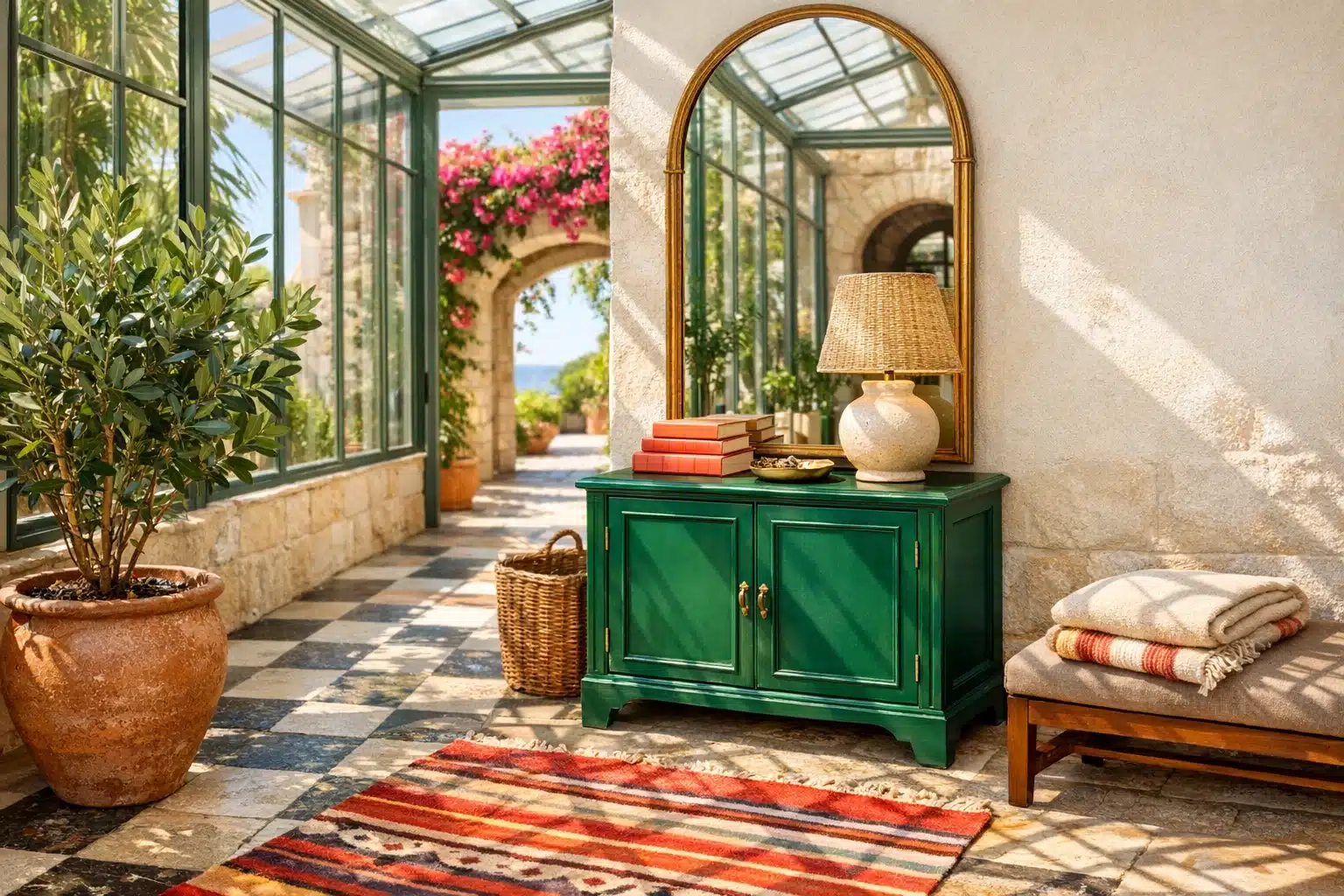
Second-Hand Cabinets: Buying, Restoring, and Styling Tips
Buying a second-hand cabinet is rarely just a budget move; it is often a smarter way to bring sturdier materials, lived-in charm, and practical storage into a home. From vintage kitchen dressers to compact hallway cupboards, used pieces can solve everyday needs while reducing waste. The key is knowing what to inspect, what to repair, and how to place the cabinet so it feels deliberate in the room. This article maps out that process in a clear, usable way for shoppers, restorers, and style-minded homeowners.
Outline: This article looks at why second-hand cabinets remain so appealing, how to inspect them before buying, which restoration methods make sense for different materials, how to style them in modern homes, and what final decision rules help buyers avoid regret.
The Lasting Appeal of Second-Hand Cabinets
Second-hand cabinets continue to attract buyers because they offer something many new pieces struggle to match: substance. In the used market, it is still possible to find cabinets made from solid pine, oak, teak, or other durable woods at prices that can be lower than mass-produced alternatives made from particleboard or thin veneer. That difference matters. Solid wood can often be sanded, repaired, re-stained, and repainted more than once over its life, while cheaper composite furniture is usually less forgiving once chipped, swollen, or structurally weakened.
There is also the matter of character. A second-hand cabinet may arrive with old brass hardware, softened corners, and a finish that has mellowed over time. Instead of looking factory-fresh, it can feel like a piece that has lived somewhere and learned how homes work. That sense of history is one reason vintage and pre-owned storage furniture remains popular in bedrooms, kitchens, living rooms, entryways, and home offices. A cabinet does not need to be an antique to feel special; even a plain mid-century utility piece can add warmth that a glossy showroom unit cannot quite imitate.
Cost is another major factor. In many local resale markets, buyers can often find used cabinets at noticeably lower prices than comparable new pieces with similar size or material quality. Pricing varies by region, condition, and style, but the value gap becomes especially clear when solid timber enters the comparison. A brand-new solid-wood storage cabinet can be expensive, while a second-hand version may simply need cleaning, new hinges, or a coat of paint to become fully functional again.
Environmental value strengthens the case. Choosing second-hand furniture keeps usable materials in circulation and reduces demand for newly manufactured goods, packaging, and transport. For buyers who want a practical way to shop more sustainably without turning their home into a design experiment, used cabinets are a very approachable place to start.
Common reasons people choose second-hand cabinets include:
• Better material quality for the money
• Distinctive style that avoids a copied look
• Lower environmental impact than buying new
• Flexibility to repaint, refinish, or repurpose
• Useful storage for awkward or underused spaces
In short, second-hand cabinets sit at a useful intersection of economy, durability, and style. They are not always perfect, but perfection is rarely the point. The best ones earn their place by being practical, adaptable, and full of quiet visual interest.
How to Evaluate a Used Cabinet Before You Buy
A second-hand cabinet can be a bargain or a burden, and the difference usually comes down to inspection. Before focusing on paint color or decorative details, start with structure. Open and close every door. Pull every drawer. Check whether the cabinet rocks on the floor or sits level. Look at the back panel, shelves, base, and joints. A cabinet with worn finish but sound construction is usually more promising than one that looks polished but wobbles like it has forgotten its own shape.
Joinery reveals a great deal. Dovetail drawers, mortise-and-tenon construction, and securely fitted frames usually suggest better craftsmanship than pieces held together mainly by staples, flimsy brackets, or swelling composite board. That does not mean every cabinet must be old or handmade to be worth buying, but quality construction should be easy to spot once you slow down and inspect beyond the surface.
Measurements matter just as much as condition. Many buyers measure the space where the cabinet will go, then forget the route it must travel to get there. A wonderful cupboard is not much use if it cannot clear the front door, turn on the stair landing, or fit beneath a sloped ceiling. Record the cabinet’s height, width, and depth, then compare those numbers with doorways, hallways, lift dimensions, and the room itself. If the cabinet has doors that need swing space or drawers that extend fully, account for that too.
There are also red flags worth treating seriously. Watch for:
• Signs of active wood-boring insects, such as fresh dust or new holes
• Strong odors from mold, damp storage, smoke, or pet contamination
• Swollen panels, especially near the base, which may indicate water damage
• Deep structural cracks around legs, corners, or load-bearing joints
• Missing parts that are difficult to replace, such as unusual glass panels or custom hardware
If the cabinet is very old and painted, especially in homes or markets dealing with pre-1978 furniture in the United States, lead paint is worth considering before sanding or stripping. A simple test kit or professional advice can help you avoid turning a cosmetic project into a safety problem. Veneer deserves a close look as well. Lifting or bubbling veneer can sometimes be repaired, but large missing areas may take more skill than a casual buyer expects.
Ask the seller practical questions. Has the cabinet been stored in a dry place? Are there repairs already done? Does it come apart for transport? Why is it being sold? Honest answers can save time, and vague answers can tell their own story. A careful inspection may take ten extra minutes, but it often prevents months of regret.
Restoring a Cabinet Without Losing Its Best Qualities
Restoration begins with a simple question: what does this cabinet actually need? Not every used piece benefits from a total makeover. Some only require cleaning, minor tightening, and a thoughtful polish. Others need more serious work, such as regluing joints, replacing damaged runners, repairing veneer, or refinishing a tired surface. The smartest restorations solve real problems first and cosmetic wishes second.
Start with cleaning. Years of wax, kitchen grease, dust, and old polish can make a cabinet look worse than it is. A mild cleaner, soft cloths, and patience often reveal color and grain that were hiding beneath the grime. Once clean, assess the finish honestly. If the original surface is stable and attractive, preserving it may be better than stripping it. Patina, when genuine, can add depth that new paint cannot fake. On the other hand, if the finish is badly flaking, sticky, uneven, or water-damaged, refinishing may be the more practical route.
Structural repairs should come next. Tighten loose screws, reglue separating joints, and replace broken shelf supports or worn hinges. Drawers that stick may only need wax on the runners, but they can also indicate swelling, misalignment, or a twisted frame. Doors that refuse to sit straight often point to hinge wear or a cabinet body that is no longer square. Work methodically. One good repair is better than five hurried ones.
Material type matters during restoration:
• Solid wood can usually be sanded and refinished more confidently
• Veneered cabinets need lighter sanding and careful edge work
• Laminate surfaces are better candidates for cleaning or specialist paint systems than aggressive stripping
• MDF or particleboard often has limited tolerance for water damage and heavy refinishing
Painting is popular because it transforms a cabinet quickly, but it is not always the best first choice. If the wood has appealing grain or the piece has collectible value, stain or clear finish may respect the cabinet more. If the cabinet is ordinary, heavily patched, or made from mixed materials, paint can unify the look and make the piece easier to place in a modern room. Hardware also changes the mood dramatically. Replacing shiny modern knobs with aged brass, matte black pulls, or simple wooden knobs can shift the cabinet from generic to intentional in minutes.
Safety deserves attention too. Sand in a ventilated area, use suitable protective gear, and be cautious with very old finishes, unknown coatings, and rusty fittings. Restoration should not feel like a race. In fact, the most satisfying projects often happen slowly, one decision at a time. A second-hand cabinet does not ask to become unrecognizable. Usually, it just asks for another chance to be useful.
Styling Second-Hand Cabinets So They Look Intentional
Once a cabinet is sound and clean, styling becomes the step that turns it from a practical purchase into a real part of the room. This is where many people hesitate. They worry that a second-hand cabinet will look random, too rustic, too dark, or simply out of place beside newer furniture. In practice, a used cabinet usually works best when it is treated as a feature rather than an apology. The goal is not to disguise it completely, but to integrate it with enough confidence that it feels chosen.
Start by matching the cabinet to the role it will play. A tall glazed cabinet can become a dining room display piece for glassware, books, ceramics, or table linens. A lower sideboard can anchor a living room wall with lamps, baskets, and framed art above it. In a hallway, a narrow cupboard can hold shoes, pet gear, or seasonal accessories while also giving the space visual weight. In a bathroom, a carefully sealed cabinet may provide towel storage and charm that standard units often lack. The more clearly a cabinet serves the room, the more natural it appears.
Color and contrast matter. Dark wood cabinets often look strongest when paired with lighter walls, natural textiles, and a few modern elements that prevent the room from feeling heavy. Painted cabinets can bridge styles more easily. A muted green, warm white, deep blue, or earthy clay shade can help an older piece feel current without stripping it of personality. If you want a softer approach, keep the cabinet’s original wood tone and modernize around it with contemporary lighting, simple rugs, or restrained accessories.
Useful styling ideas include:
• Repeat one finish elsewhere in the room, such as brass, black metal, or oak
• Balance visual weight with art, mirrors, or shelving nearby
• Use baskets, trays, and boxes inside open shelving for a neater look
• Leave some negative space on top so the cabinet can breathe
• Mix old and new objects rather than filling it with matching décor
Scale is easy to overlook. A large cabinet in a small room can work beautifully, but only if surrounding furniture is edited down. Likewise, a petite cabinet may get lost on a long empty wall unless it is supported by lighting, artwork, or a chair. Think of the cabinet as part of a composition, not a lone object dropped into a corner.
The most inviting interiors often have one or two pieces that feel as though they arrived with a story. A second-hand cabinet can do that quietly. It can hold dishes, files, linens, or toys, yet still give the room a sense of memory. That blend of function and atmosphere is why these pieces keep earning space in well-lived homes.
Conclusion: Practical Advice for Buyers, DIY Restorers, and Style-Conscious Homeowners
If you are considering a second-hand cabinet, the smartest approach is to balance enthusiasm with discipline. It is easy to fall for carved doors, aged timber, or a bargain price tag, but the best purchases are the ones that suit your space, your skill level, and your daily needs. For a busy household, that may mean a sturdy cabinet with minor wear and no serious repair issues. For a confident DIY enthusiast, it may mean a tired but well-built piece that can be refinished over a weekend. For someone shaping a more personal interior, it may simply be the cabinet that brings warmth and individuality into a room that currently feels flat.
The decision becomes easier when you use a simple framework. First, check structure and size. Second, estimate the cost of transport, hardware, paint, tools, or professional repairs. Third, decide whether you want to preserve the cabinet’s age or reinterpret it for a different style. Fourth, imagine its job in the room: storage, display, room balance, or all three. If the numbers work and the cabinet fits both physically and visually, you are probably making a sound choice.
A useful final checklist looks like this:
• Is the cabinet structurally stable?
• Does it fit the room and the access route?
• Are repairs within your budget and ability?
• Will it improve storage in a meaningful way?
• Can you already picture how it will look once cleaned, repaired, or styled?
Just as important is knowing when to walk away. Severe water damage, active infestation, persistent odors, or missing essential parts can quickly erase any savings. There is no prize for rescuing every piece. Good second-hand shopping is selective, not sentimental at all costs.
For the target audience of this topic, the real appeal is clear: second-hand cabinets let you buy more thoughtfully. They offer storage with personality, value with flexibility, and the chance to build a home that feels gathered over time rather than ordered in one click. When chosen carefully, restored with restraint, and styled with purpose, a used cabinet can become one of the most useful and memorable pieces you own.