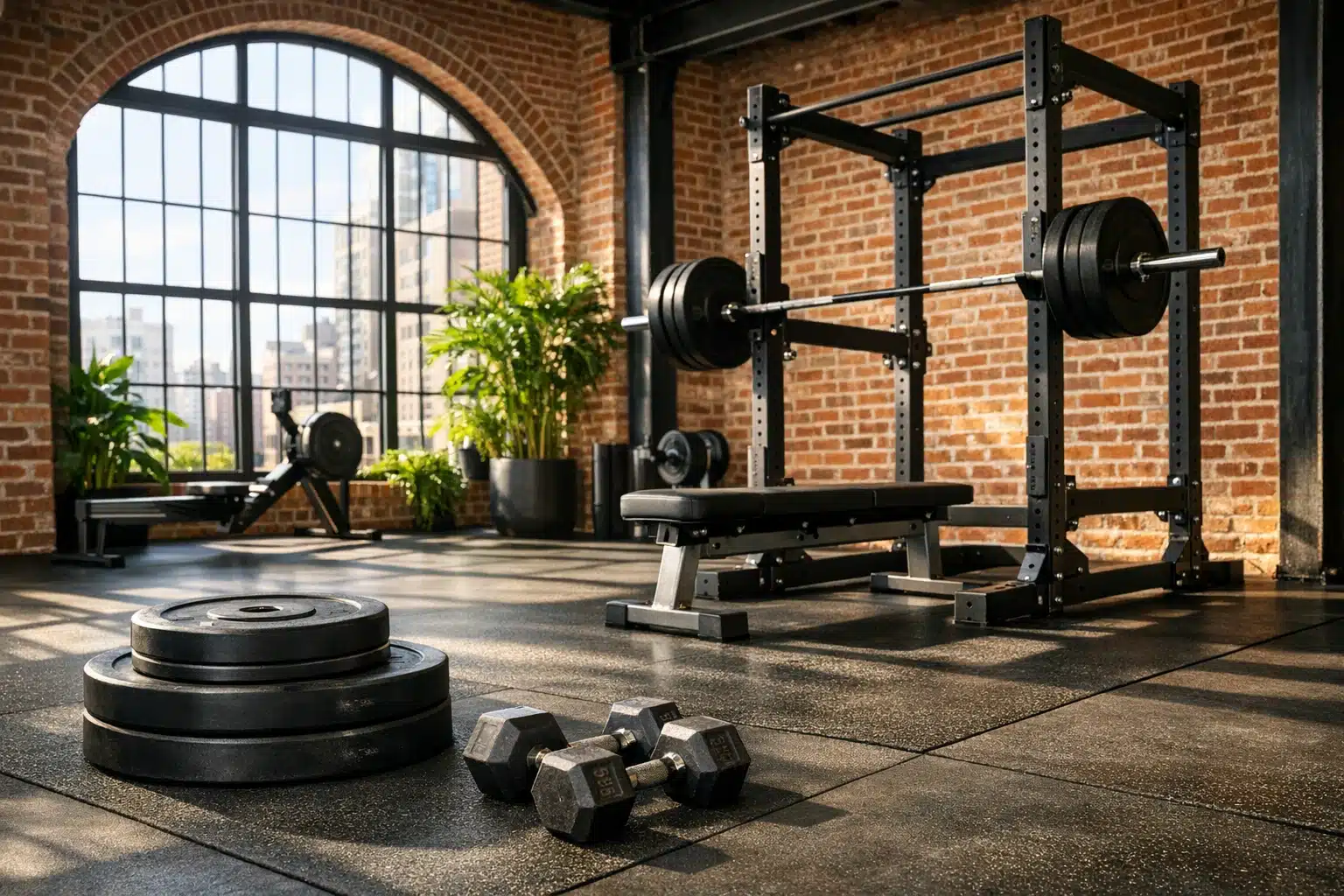
 Artificially generated image
 Second-Hand Gym Equipment: A Practical Guide to Buying Used Fitness Gear
Second-hand gym equipment sits at the intersection of practicality and ambition. For many buyers, it is the shortest path from “I should work out more” to a room that actually supports the habit. Used machines, benches, racks, and weights can lower startup costs, reduce waste, and open access to sturdier commercial-grade gear than many new budgets allow. The catch is simple: every bargain carries a story, and not every story ends with a smooth first workout.
Outline
- Why second-hand fitness gear has become a sensible option for home users, trainers, and small studios.
- How to inspect used equipment for safety, wear, maintenance history, and remaining lifespan.
- How prices differ across free weights, racks, benches, and cardio machines, and where value tends to hold.
- Where to buy, how to negotiate, and what transport, assembly, and cleaning can add to the total cost.
- How to build a sensible purchase plan and decide when buying new is the smarter move.
Why Second-Hand Gym Equipment Has Become a Serious Buying Option
Used fitness gear is no longer just the territory of garage sales and dusty basements. It has become a practical category for home gym builders, personal trainers, apartment dwellers, and even small commercial facilities looking to control costs without sacrificing training quality. Part of the appeal is financial, of course. A new commercial treadmill can cost several thousand dollars, while a well-maintained used model may sell for far less. The same pattern shows up in power racks, weight benches, indoor bikes, cable stations, and plate-loaded machines. Depreciation hits gym equipment hard, especially when owners move house, lose interest, or close training spaces.
That depreciation creates opportunity. In many cases, a buyer can afford better engineering by shopping used. A sturdy commercial bench, for example, may outlast a brand-new budget bench made with lighter steel and less stable welds. This is one of the biggest advantages of the second-hand market: it sometimes lets buyers trade freshness for durability. A steel power rack can age like a cast-iron skillet, while a bargain treadmill with weak electronics can age like milk. Knowing which category you are shopping in makes all the difference.
There is also a broader shift in how people think about training spaces. Home workouts expanded sharply in recent years, and many people discovered that consistency often depends less on motivation and more on convenience. If the equipment is ten steps away instead of a twenty-minute drive, workouts become easier to start. For buyers trying to build that convenience on a realistic budget, used gear can be the bridge between intention and action.
Second-hand equipment also appeals to buyers who value sustainability. Fitness products contain steel, rubber, foam, electronics, and plastics that require energy and resources to manufacture. Extending the life of a squat stand, rowing machine, or set of dumbbells is not just economical; it is also a form of reuse that keeps durable items in circulation.
- Budget-conscious beginners can start training without overspending.
- Experienced lifters can upgrade to heavier-duty equipment for the same money.
- Studios and trainers can scale up faster by buying in batches.
- Eco-minded shoppers can reduce waste through reuse.
The market is attractive because it offers access, but access alone is not enough. Used equipment rewards informed buyers and punishes rushed ones. The next step is learning how to inspect gear before a low price distracts you from the real question: is this item still safe, stable, and worth bringing home?
How to Evaluate Condition, Safety, and Remaining Lifespan
Inspecting second-hand gym equipment is where smart buying begins. Price matters, but condition matters more, because a cheap item that needs repairs, replacement parts, or immediate disposal is not really cheap. The inspection process should be different for each category, yet the underlying principle stays the same: check structure first, function second, cosmetics last. Scratches and chipped paint may look rough but mean little compared with frame damage, worn bearings, frayed cables, or unreliable electronics.
Start with strength equipment. On racks, benches, and plate-loaded machines, examine the frame for cracks, bent supports, unstable feet, corrosion near joints, and poor-quality repairs. Welds should look even and intact. A little surface rust is common, especially in garage-stored equipment, but deep rust around bolts or load-bearing areas deserves caution. Benches should not wobble when pressure is applied from different angles. Adjustable benches should lock firmly at every angle with no slipping.
For barbells and dumbbells, spin sleeves if the bar design allows it, inspect knurling for excessive smoothing, and check whether collars fit securely. Rubber-coated dumbbells often show cosmetic wear long before they become unusable, but loose heads are a major warning sign. Weight plates are usually straightforward; cracks, severe chipping, or damaged center holes are more important than faded lettering.
Cardio machines require a more careful eye because they combine mechanical wear with electronics. On treadmills, listen for belt slippage, motor strain, grinding sounds, and inconsistent speed changes. Ask to see the incline function, console display, emergency stop, and total usage if the model tracks hours. On exercise bikes and ellipticals, test resistance settings and look for jerky pedal motion or side-to-side play. Rowers should glide smoothly, with a clean chain or strap and a functioning monitor.
- Ask how often the item was used and in what setting: home, studio, or commercial gym.
- Request maintenance records, replacement receipts, or original manuals if available.
- Check whether spare parts are still sold by the manufacturer or third-party suppliers.
- Look up the exact model number before you commit, especially for older electronics.
Hygiene also matters, but it should be handled rationally. Upholstery can often be cleaned or re-covered, and rubber surfaces can be sanitized. Odor, mildew, and water damage are different issues because they may point to long-term storage problems. If the seller avoids basic questions, refuses a demonstration, or claims “it just needs a tiny fix” without specifics, treat that as useful information. In the used market, transparency is almost a form of maintenance history. A clear seller is not a guarantee, but a vague one is already a risk.
Comparing Equipment Types, Price Ranges, and Long-Term Value
Not all second-hand gym equipment ages the same way, and buyers who understand that gain a real advantage. Some products are structurally simple, easy to inspect, and likely to remain useful for years. Others are full of moving parts, proprietary electronics, or wear items that quietly inflate the total cost of ownership. The smartest approach is to compare categories instead of treating “used gym equipment” as one giant basket.
Free weights are usually the safest place to start. Dumbbells, kettlebells, bumper plates, iron plates, and basic barbells tend to retain value because they do one job and have fewer failure points. A used set of plates often sells close to its practical worth, especially in active local markets. Cosmetic scuffs rarely matter. Even older commercial dumbbells from brands such as Rogue, York, or Ivanko can remain highly functional if the heads are tight and the handles are solid. In many regions, free weights are priced by total weight, while premium branded pieces may command a modest markup.
Racks, stands, and benches are also strong used candidates. A quality squat rack or flat bench has little technology and can last for years if it was built from thick steel and stored reasonably well. Commercial and semi-commercial brands like Rogue, REP, Body-Solid, Hammer Strength, Life Fitness, and Precor often show up on resale platforms. A good used rack may cost significantly less than a new one, yet perform almost identically in daily training. This is where second-hand shopping shines brightest.
Cardio machines are more complicated. Treadmills often depreciate faster because they are large, noisy, expensive to move, and harder to maintain. That sounds great for buyers, but it also reflects real risk. Motors, belts, decks, rollers, and consoles can turn a low purchase price into an ongoing project. Indoor bikes and rowing machines often fare better. A well-kept Concept2 rower, for instance, usually keeps its value because parts are widely available and the design has a reputation for durability. Ellipticals and multifunction home gym stations vary widely depending on brand, age, and service support.
- Best used value often comes from racks, benches, plates, and commercial selectorized machines in good condition.
- Moderate-value categories include indoor bikes, rowers, and cable systems with available parts.
- Higher-risk categories include older treadmills, aging smart machines, and entry-level equipment with discontinued electronics.
Buyers should also compare total ownership cost, not just sticker price. A used treadmill at half the price of a new one may still be the worse deal if moving, servicing, and replacement parts close the gap. Meanwhile, a used power rack at 60 to 70 percent of new price can still be excellent value if the model is sturdy, compatible with attachments, and likely to serve for a decade. Think beyond the first payment. In this market, the cheapest item is not always the least expensive decision.
Where to Buy, How to Negotiate, and What the Real Logistics Look Like
Finding second-hand gym equipment is easier than it used to be, but buying well still requires patience. The main sources include local marketplace apps, classified sites, auction platforms, commercial gym liquidations, specialty refurbishers, and word-of-mouth sales from trainers or facility owners. Each source has trade-offs. Local private sellers may offer the lowest prices, but the least support. Refurbishers often charge more, yet they may inspect, clean, replace parts, and offer a short warranty. Gym closures can be gold mines, though stock may show heavy use and disappear quickly.
Before negotiating, research the exact item rather than the general category. Model names matter. A commercial stair climber from a respected manufacturer is a different animal from a foldable consumer treadmill sold in a big-box store five years ago. Look up the original retail price, current replacement cost, spare part availability, and recent local resale listings. This gives you a realistic price band and helps you avoid both overpaying and making lowball offers that kill a reasonable deal.
When communicating with a seller, ask direct questions that reveal both condition and honesty. Useful questions include: How old is it? Was it used in a home or a public gym? Are there any defects? Has anything been replaced? Can I test every function? Do you have the manual, accessories, safety pins, or power cord? A short, specific answer is often more reassuring than a dramatic sales pitch.
- Bring a tape measure to confirm the item fits your space, doorway, and vehicle.
- Factor in delivery, stairs, disassembly tools, and reassembly time before agreeing on price.
- Photograph serial numbers and key parts if you want time to research before paying.
- Never assume “easy to move” means one person can handle it safely.
Logistics are where many buyers miscalculate. A used machine can be affordable and still become inconveniently expensive after van rental, fuel, labor, straps, protective blankets, and setup. Some cardio machines weigh several hundred pounds. Cable stations and smith machines may need partial disassembly. Rubber flooring, spare bolts, lubricants, and replacement upholstery are small line items that add up.
Negotiation should be firm but respectful. Point to comparable listings, mention missing accessories, or note transport costs when discussing price. At the same time, recognize value when you see it. Good equipment sells quickly, especially items that are simple, durable, and in demand. If the condition is excellent, the price fair, and the fit right for your training goals, over-negotiating for a tiny discount can be the move that loses the deal.
Final Takeaway for Budget-Conscious Fitness Buyers
If you are building a home gym, upgrading a training room, or outfitting a small studio, second-hand equipment can be one of the most practical ways to get more capability for less money. The trick is not to chase bargains blindly. The best purchases come from matching your training needs with equipment that ages well, fits your space, and still has years of useful life left. In other words, buy for function first, optimism second.
For most buyers, the strongest used purchases are simple, durable items: plates, dumbbells, kettlebells, benches, squat racks, pull-up stations, and many commercial-grade selectorized machines. These products are easier to inspect and less likely to surprise you with hidden failures. If your budget is limited, it often makes sense to build the backbone of a gym from used strength gear and be more cautious with electronics-heavy cardio. A solid barbell setup can carry a training plan a very long way, even if your dream treadmill has to wait.
There are also times when buying new is the better decision. If you need a manufacturer warranty, if replacement parts are scarce, if the equipment will be used intensely every day, or if safety depends on flawless operation, new gear may offer greater peace of mind. This is especially true for buyers who do not want to troubleshoot motors, consoles, resistance systems, or proprietary apps. Convenience has value too, and it should be counted honestly.
A smart buying plan usually looks like this:
- Decide what exercises you actually do rather than what looks impressive online.
- Prioritize structural equipment and free weights before adding specialized machines.
- Set a full budget that includes transport, flooring, cleaning, and minor repairs.
- Inspect every item carefully and walk away from unclear stories or unsafe wear.
- Leave room for future upgrades instead of filling your space with compromises.
The second-hand market rewards calm decisions. It favors buyers who measure twice, ask precise questions, and understand that value is not the same as cheapness. If that sounds a little unglamorous, good. A useful gym is not built by hype; it is built by equipment that works when you do. For readers who want a practical, long-lasting setup without overspending, used fitness gear can be an excellent route, provided every purchase earns its place one inspection at a time.