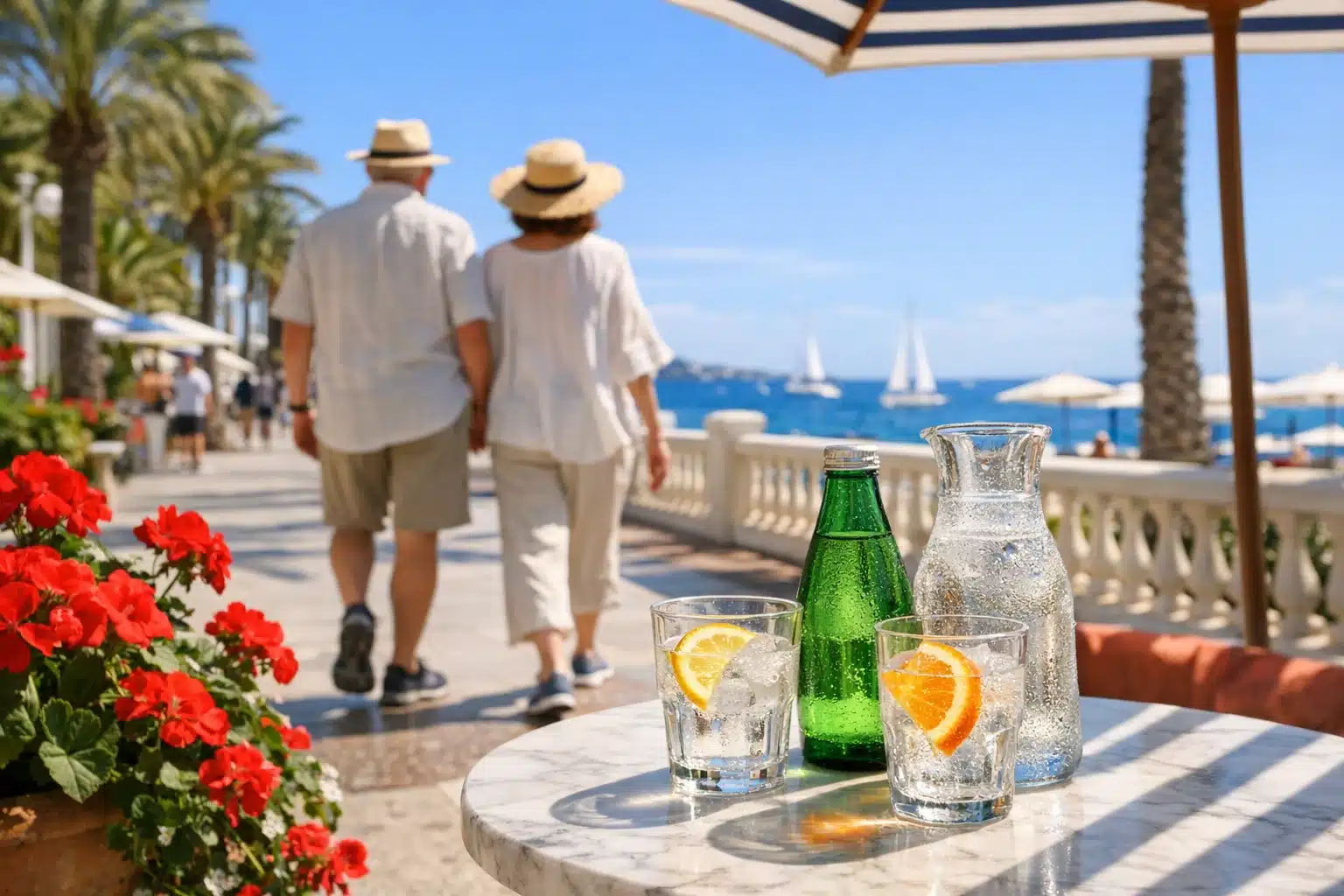
Senior-Friendly Drinks and Habits That May Support Healthy Leg Circulation
Leg circulation can seem like a quiet background issue until ankles swell, feet grow chilly, or a short walk leaves the calves feeling oddly heavy. For many older adults, everyday choices influence how comfortably blood moves through the lower body. The encouraging part is that supportive drinks and gentle routines are often simple, affordable, and easy to begin. This guide looks at what may help, what may get in the way, and when professional advice matters most.
This article follows a practical outline so readers can move from understanding to action without getting lost in medical jargon.
- Why leg circulation matters more with age
- Which drinks may gently support hydration and vascular comfort
- Which beverages are worth limiting or balancing
- Daily habits that can help legs feel lighter and less stiff
- How to build a realistic routine and recognize signs that need medical review
1. Why Leg Circulation Deserves Extra Attention in Later Life
Healthy leg circulation depends on a surprisingly elegant partnership. The heart sends blood outward through arteries, veins carry it back, and the calf muscles act like a steady mechanical assistant that nudges blood upward against gravity. In younger years, that system often runs quietly in the background. With age, however, several changes can make the lower body more vulnerable to sluggish flow. Blood vessels may become less elastic, time spent sitting may increase, and common health conditions such as diabetes, high blood pressure, varicose veins, obesity, and peripheral artery disease can add strain to the system. Some medications may also influence swelling, fluid balance, or blood pressure, which is why circulation is rarely a one-factor issue.
Older adults often notice circulation changes through everyday discomfort rather than dramatic symptoms. Legs may feel tired after routine errands. Feet may stay cold even in a warm room. Ankles can look puffier at the end of the day, especially after long periods in a chair or car. For some people, the problem is more about vein return, which may lead to heaviness, visible veins, or mild swelling. For others, the concern is reduced arterial supply, which may show up as pain during walking, slower wound healing, or feet that look pale or bluish. Those patterns are not identical, and understanding the difference matters.
A useful comparison is this: ordinary fatigue tends to improve with rest and does not keep repeating in the same way, while circulation-related discomfort often follows a pattern. It may appear after sitting, standing, or walking a certain distance. It may also come with skin changes, numbness, or a feeling that the lower legs are carrying invisible sandbags. Think of circulation as a neighborhood delivery route. If roads narrow, timing slips, or return trips slow down, the whole area starts to feel less efficient.
There are also moments when home habits are not enough and medical attention should come first.
- Sudden swelling in one leg
- New redness, warmth, or significant pain
- Chest pain or shortness of breath with leg symptoms
- Sores on the feet or lower legs that heal poorly
- Color changes that are new, dramatic, or persistent
These signs can point to conditions that deserve prompt assessment. In other words, senior-friendly circulation care begins with realistic awareness. Drinks and habits can be useful supports, but they work best when built on a clear understanding of what the legs are trying to say.
2. Senior-Friendly Drinks That May Support Hydration and Vascular Comfort
If leg circulation had a quiet best friend, it would probably be hydration. Blood that is supported by steady fluid intake generally moves more efficiently than blood affected by dehydration, and tissues also depend on adequate fluid balance to function well. For older adults, this matters because thirst can become less reliable with age. A person may already be mildly dehydrated before feeling noticeably thirsty. Add warm weather, indoor heating, diuretic medications, or a busy day with skipped drinks, and the lower body may feel the consequences through cramping, fatigue, or a general sense of heaviness.
Plain water remains the simplest option, and simplicity is often a strength. It has no sugar rush, no alcohol, and no unnecessary additives. Many seniors find that small, regular amounts work better than trying to drink a large volume all at once. A glass in the morning, another with meals, and a few sips between activities can be easier to tolerate. For people who find water dull, flavor can help without turning a basic drink into dessert. Slices of lemon, cucumber, orange, mint, or berries can make hydration more appealing. The goal is not glamour in a glass; it is consistency.
Other beverages can also fit into a circulation-friendly routine. Unsweetened herbal teas are often gentle and comforting, especially in cooler months. Hibiscus, ginger, peppermint, or rooibos can provide variety without the sugar load of soda. Regular tea and coffee may contribute to daily fluid intake too, though some people are sensitive to caffeine and do better with moderate amounts. Milk or fortified plant-based drinks can be useful when they fit a person’s digestion and nutrition needs, offering protein and minerals along with fluid. Low-sodium broths can help some adults who struggle to drink enough, though sodium levels should be checked carefully in packaged products.
A smart comparison is water or unsweetened tea versus sweetened beverages marketed as “energy” or “refreshment.” The first group supports hydration without much metabolic baggage. The second may add large amounts of sugar, excess caffeine, or sodium that can complicate blood pressure, weight management, or swelling. Fruit juice can fit in small portions, but whole fruit usually gives better satiety and fiber.
- Good everyday choices may include water, sparkling water without added sugar, unsweetened tea, and diluted low-sugar options
- Helpful flavor boosters include citrus slices, mint, cucumber, or frozen berries
- Personal needs vary if someone has kidney disease, heart failure, or a clinician-directed fluid restriction
In practical terms, the best drink is often the one a senior will actually choose often enough to stay comfortably hydrated. A sturdy cup by the favorite chair, a refillable bottle for errands, or a warm mug beside a crossword puzzle can turn a health recommendation into a habit that feels human.
3. Beverages to Limit, Balance, or Rethink for Better Leg Comfort
Not every drink sabotages circulation outright, but some make the daily balancing act harder than it needs to be. The first group to watch is sugar-heavy beverages. Soft drinks, sweet tea, flavored coffee drinks, and many bottled fruit beverages can deliver large amounts of added sugar in a small serving. Over time, that pattern may contribute to weight gain, higher blood sugar, and poorer cardiometabolic health, all of which can place extra stress on blood vessels. For seniors already managing diabetes or prediabetes, these drinks can create quick spikes followed by energy slumps, leaving the body feeling less steady overall.
Alcohol deserves a measured, adult conversation rather than a dramatic warning label. A small amount may fit safely into some lifestyles, yet regular or excessive drinking can affect hydration, sleep, blood pressure, balance, and medication safety. Those issues matter because poor sleep and low daytime energy often lead to more sitting, less walking, and weaker muscle pumping in the legs. Alcohol can also increase fall risk, which is especially relevant for older adults with numb feet, weakness, or medications that cause dizziness. If someone notices more ankle swelling or nighttime trips to the bathroom after drinking, the body may already be offering feedback.
Caffeine is more nuanced. Moderate coffee or tea intake is tolerated well by many people and does not automatically dehydrate the body in a dramatic way. The problem usually appears at the edges: very large servings, sugary coffeehouse drinks, or energy beverages with intense stimulant loads. A plain cup of coffee and a whipped, syrupy, oversized dessert drink are not nutritional twins just because both contain caffeine. The first can fit into a normal routine. The second may combine sugar, calories, and stimulation in a way that leaves some seniors jittery, thirsty, or uncomfortable.
Another overlooked issue is sodium in savory drinks and drinkable convenience products. Some canned soups, broths, and meal replacement beverages carry enough sodium to worsen fluid retention in people who are sensitive to salt. That does not mean every prepared beverage is off the table. It does mean labels are worth reading, especially for anyone dealing with blood pressure concerns, edema, or a clinician’s recommendation to moderate sodium intake.
- Limit sugary sodas, sweet bottled teas, and heavily sweetened coffee drinks
- Be cautious with alcohol if it affects sleep, balance, or medications
- Treat energy drinks as a poor fit for most older adults
- Check sodium in broths, soups, and convenience beverages
The broader lesson is balance, not fear. A favorite drink does not need to become forbidden to make room for smarter choices. Often the better approach is substitution: sparkling water with citrus instead of soda, half-sweet iced tea instead of fully sweetened tea, or a smaller coffee with little added sugar instead of a large dessert-style beverage. Small swaps can quietly improve the rhythm of the day, and the legs often appreciate that quiet.
4. Daily Habits That May Help Legs Feel Lighter, Stronger, and Less Stiff
Drinks matter, but circulation is also deeply influenced by movement and posture. The lower legs are not passive passengers; they rely on muscle action to help return blood upward. This is why even modest motion can be surprisingly helpful. Walking is one of the clearest examples. It asks the ankles, calves, thighs, and hips to cooperate, and that repeated contraction acts like a natural pump. A long athletic workout is not required. Several short walks spread through the day can be realistic, joint-friendly, and effective for many older adults. For someone who spends much of the day indoors, a hallway lap after meals or a gentle outdoor stroll in the morning can be enough to start changing the feel of the legs.
Breaking up sitting time is just as important. Extended sitting allows fluid to settle and muscles to stay quiet for too long. A simple rule of thumb is to change position or stand up at regular intervals, even if only for a minute or two. People with limited mobility can still support circulation from a chair. Ankle pumps, heel raises, toe lifts, and seated marches encourage movement without demanding much space. The calf muscles are like small elevators in the lower legs; when they are active, blood gets a better ride home.
- Ankle circles while seated
- Gentle calf raises while holding a stable surface
- Short walks after breakfast, lunch, or dinner
- Leg elevation for a limited period after long sitting
- Footwear that supports comfort and safe walking
Leg elevation can reduce a heavy, pooled feeling for some adults, particularly when swelling tends to build later in the day. The key is moderation and proper positioning rather than sleeping in awkward angles or remaining immobile for long stretches. Compression socks may also help certain people, especially those with venous issues or prolonged standing, but fit and medical suitability matter. Compression is not a one-size-fits-all accessory, and people with arterial disease should speak with a clinician before using it.
Clothing and environment deserve mention too. Very tight bands around the calves or knees may feel restrictive. Cold rooms can make feet feel more uncomfortable, while supportive shoes may encourage more confident movement. Smoking, if present, is another major factor because it harms blood vessels and circulation throughout the body. Quitting is not easy, but it is one of the strongest circulation-supportive steps available.
Habits work best when they blend into real routines. For example, one person may do ankle pumps during television commercials, refill a water glass before lunch, and walk the length of the driveway twice in the afternoon. Another may stand during phone calls and stretch the feet before bedtime. These are small acts, yet they carry an important message: circulation support does not always arrive with fanfare. Sometimes it arrives in slippers, with a mug of tea in hand, one sensible step at a time.
5. A Senior-Friendly Takeaway: Building a Practical Routine and Knowing When to Ask for Help
The most useful circulation plan is rarely the most complicated one. Older adults often do better with a routine that is repeatable, comfortable, and tied to familiar parts of the day. Instead of chasing perfect hydration, perfect meals, and perfect exercise all at once, it can help to build a sequence of small anchors. A glass of water after waking, a short walk after breakfast, a lighter beverage choice in the afternoon, and simple ankle movements before dinner can create a pattern that feels manageable rather than burdensome. Health habits last longer when they fit the shape of everyday life.
It also helps to personalize the goal. Some seniors want to reduce evening ankle swelling. Others want fewer leg cramps at night, warmer feet during the day, or more stamina for shopping and visits with family. Naming the goal makes choices clearer. A person bothered by swelling may focus on sodium awareness, more movement breaks, and leg elevation. Someone who feels weak and dry may need more steady fluids and fewer skipped meals. Another individual may discover that the real obstacle is not knowledge at all, but setup. If the water glass is hard to reach, the shoes are uncomfortable, or the bathroom is far away, the plan may fail for practical reasons rather than lack of motivation.
Keeping a simple log for a week can be surprisingly revealing. There is no need for an elaborate spreadsheet. A notebook can track drinks, walking time, swelling, cramps, and how the legs feel in the morning versus evening. Patterns may appear quickly. Perhaps salty restaurant meals lead to puffier ankles the next day. Perhaps a short afternoon walk leads to less heaviness after dinner. Perhaps several cups of strong coffee replace water and leave the body feeling dry. Information gathered from daily life often produces better decisions than generic advice alone.
There is also wisdom in knowing when self-care has reached its limit. If leg pain appears during walking and reliably improves with rest, if wounds heal slowly, if swelling becomes significant, or if numbness and skin changes develop, a medical evaluation is worth arranging. Sudden symptoms deserve prompt attention. Supportive drinks and habits can complement care, but they should not delay diagnosis when something more serious may be present.
For seniors and the people who support them, the main message is reassuring: better leg comfort does not always require dramatic intervention. Modest hydration, thoughtful beverage choices, frequent movement, and a few well-timed routines can make daily life feel steadier. The body responds to consistency more than intensity. If the legs have been asking for kinder treatment, this is a good place to start: one glass, one walk, one lifted heel, one calmer day built on habits that respect both age and practicality.