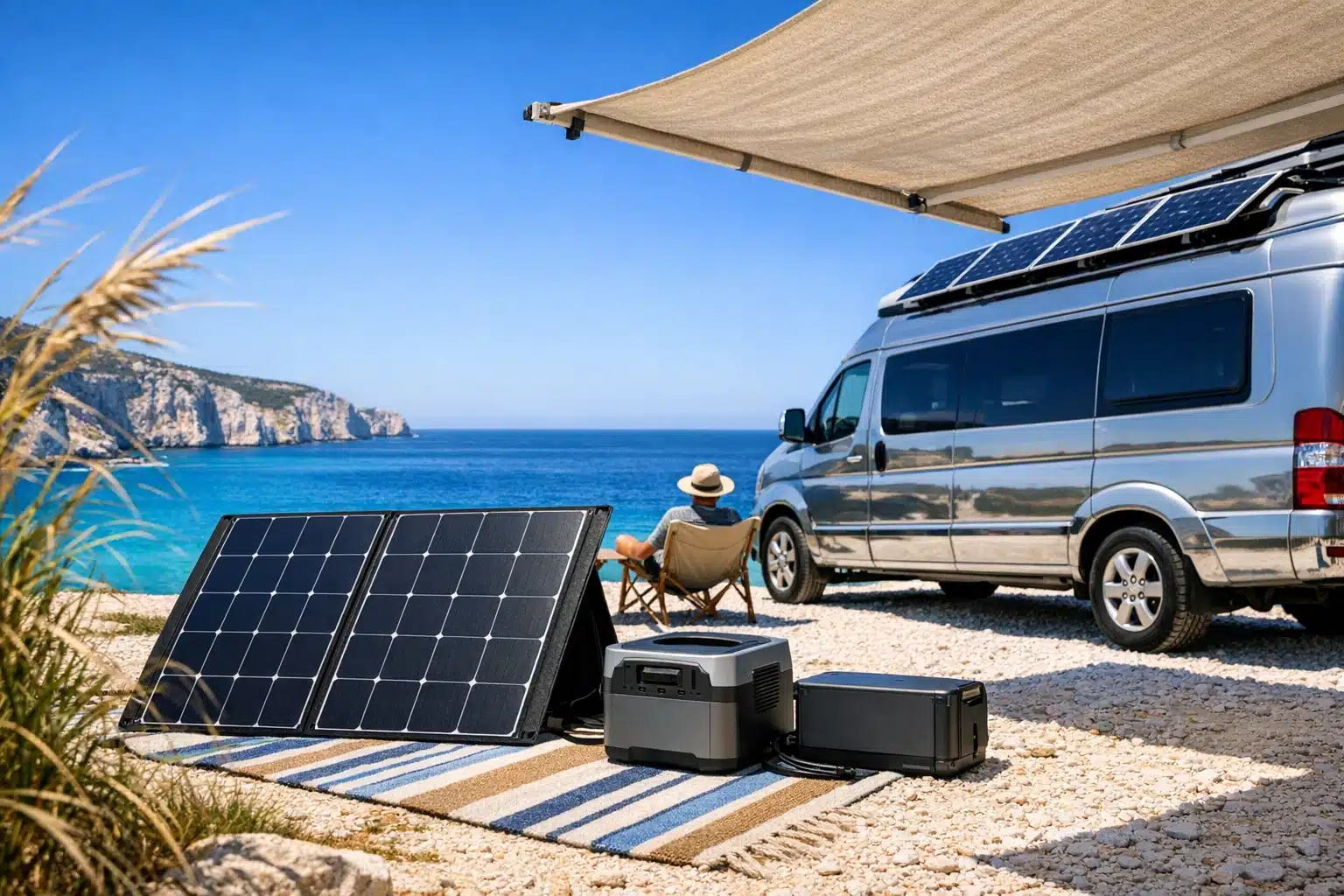
Solar Panel Kit: A Beginner’s Guide
Solar panel kits have moved from niche gadgets to practical tools for homeowners, renters, travelers, and off-grid hobbyists who want more control over energy use. A well-matched kit can power anything from a garden shed to essential household circuits, yet the growing number of options often leaves beginners staring at product pages like they are decoding a new language. This guide sorts the jargon into plain English, showing what matters, what can wait, and how to choose with confidence.
Article Outline
1. What a solar panel kit is, what it includes, and how the main parts work together.
2. How to choose the right kit based on energy needs, property type, and daily usage patterns.
3. What solar panel kits cost, how much energy they can produce, and what affects long-term value.
4. Installation, safety, maintenance, and common mistakes that can reduce performance.
5. A beginner-focused conclusion with a practical buying checklist and next steps.
What a Solar Panel Kit Is and What Comes in the Box
A solar panel kit is a packaged set of components designed to generate electricity from sunlight. Instead of buying every part separately, a kit bundles the basics so a beginner can start with a clearer path. The exact contents vary, but most kits are built around the same idea: collect sunlight, convert it into usable electricity, and deliver that power where it is needed. Think of it as a small energy ecosystem in a box. Each part has a job, and the system only works well when those parts are matched correctly.
Most solar panel kits include:
– One or more solar panels
– Mounting hardware or brackets
– Cables and connectors
– A charge controller for battery-based setups
– An inverter if the system needs standard AC power
– Sometimes a battery, though many kits sell batteries separately
The solar panels create direct current electricity, commonly called DC power. If you are charging a battery bank, the electricity usually passes through a charge controller first. This device protects the battery from overcharging and helps manage energy flow. In small off-grid systems, a PWM controller may be enough, but many better-performing kits use MPPT controllers, which can improve energy harvest, especially in colder weather or when panel voltage is higher. After storage, or directly from the panels in some designs, an inverter turns DC power into alternating current, or AC, which is what standard household appliances use.
There are also important differences between kit types. Off-grid kits are built for independence, making them popular for cabins, sheds, boats, and RVs. Grid-tied kits connect to a utility system and usually require stricter permitting and professional installation. Hybrid kits blend both ideas by working with batteries while also connecting to the grid. For a beginner, understanding this distinction matters more than chasing the highest advertised wattage. A 200-watt kit for an RV and a 200-watt grid-tied starter kit may sound similar, but they serve very different purposes.
Panel technology matters too. Monocrystalline panels are the most common choice today because they generally offer higher efficiency and a sleek appearance. Polycrystalline panels still exist, but they are less common in new premium kits. Flexible panels are lighter and useful on curved surfaces, yet they often run hotter and may not last as long as rigid glass panels. Batteries bring another layer of comparison. Lead-acid batteries cost less upfront, but lithium iron phosphate batteries are lighter, more efficient, and usually provide more usable capacity over their lifespan.
The key lesson is simple: a solar panel kit is not one single product category. It is a family of systems built for different jobs. Before looking at price tags, it helps to understand the basic anatomy of the kit. Once the parts make sense, the shopping process becomes less like a maze and more like a checklist.
How to Choose the Right Solar Panel Kit for Your Needs
Choosing the right solar panel kit starts with a practical question: what do you actually want to power? Beginners often begin with panel size, but the smarter starting point is energy demand. Make a list of devices, note their wattage, and estimate how many hours each runs per day. A 10-watt LED light used for five hours needs 50 watt-hours daily. A small fridge drawing 60 watts on average over 24 hours may use around 1.4 kilowatt-hours per day, depending on efficiency and cycling. Once these numbers are on paper, the kit size becomes easier to estimate.
Here is a simple way to think about sizing:
– Daily energy use is measured in watt-hours or kilowatt-hours
– Panel output is measured in watts
– Battery storage is measured in watt-hours or amp-hours
– Sun availability is often described in peak sun hours
Suppose your devices need 1,200 watt-hours per day and your location gets about 4 peak sun hours on average. In rough terms, you might want around 300 watts of ideal panel output just to match the energy use, but real systems need a buffer for losses from heat, wiring, inverter conversion, dust, and weather. That is why many buyers move up to 400 or 500 watts for a more realistic result. Solar design is part math and part humility. The sun is reliable over the long run, but it does not sign a daily attendance sheet.
Your location and use case also shape the decision. A cabin used only on weekends can rely on slower battery recharging and smaller loads. An RV owner may value low weight, portability, and roof fit more than maximum production. A homeowner looking for emergency backup may want a kit that can run lights, a router, phone chargers, and a freezer during outages. Someone powering a workshop may care more about surge capacity because tools and compressors often need extra startup power.
You should also compare kit categories based on lifestyle:
– Portable kits are easy to move and often pair well with solar generators
– Roof-mounted RV kits save space but need careful cable routing
– Ground-mount kits are easier to angle and clean
– Home backup kits often require larger batteries and stronger inverters
Batteries deserve special attention. If your goal is daytime-only use, you may not need much storage. If you want overnight power or outage resilience, battery capacity becomes central. A 2 kilowatt-hour battery does not mean 2 kilowatt-hours of usable energy in every chemistry. Lead-acid systems are often best kept at around 50 percent depth of discharge for longevity, while lithium systems usually allow much deeper use. That difference affects real value more than sticker price alone.
Finally, check compatibility. Not every inverter pairs cleanly with every battery voltage, and not every mount suits every roof type. Read product specifications for voltage, connector type, controller rating, and expansion limits. A good kit should fit your real habits, not your most optimistic weekend plan. When the sizing matches your routine, the system feels useful from day one instead of becoming an expensive lesson in wishful thinking.
Cost, Performance, and the Real Value Behind the Numbers
The price of a solar panel kit can range from under 200 dollars for a very small trickle-charging setup to several thousand dollars for a serious home backup or off-grid package. That broad range makes sense once you see what changes the bill. Panel wattage, battery size, inverter capacity, controller quality, mounting hardware, and brand reputation all influence cost. In simple terms, you are not just paying for panels. You are paying for the ability to collect, manage, store, and safely use electricity.
Small starter kits in the 100 to 200 watt range are often used for battery maintenance, lights, fans, routers, and light electronics. Mid-size kits from 400 to 800 watts can support larger RV systems, small cabins, or backup loads with the right battery bank. Once you move into 1,000 watts and above, the conversation shifts toward more meaningful household support, though even then it will not power every appliance in a typical modern home. In the United States, many homes use roughly 800 to 900 kilowatt-hours of electricity per month, so a compact kit is usually a supplement or backup solution rather than a full replacement.
Performance depends on more than the label on the box. A 400-watt kit does not produce 400 watts all day long. That rating reflects ideal test conditions. In real use, a 400-watt setup might generate around 1.2 to 2.0 kilowatt-hours per day depending on season, location, tilt, temperature, and shading. Even a small branch shadow can reduce production sharply if panels are wired in a way that makes one weak link affect the string. That is why site conditions matter. Solar panels are like quiet workers: they do their job steadily, but they need a clear workspace.
When evaluating value, look beyond upfront price:
– Cost per watt for the panels
– Cost per usable battery kilowatt-hour
– Warranty length and what it actually covers
– Efficiency losses in the inverter and controller
– Expandability if your needs grow later
Payback is often discussed, but it varies widely. A grid-tied system offsetting expensive utility power may recover its cost faster than an off-grid cabin setup used occasionally. A portable kit for camping may never “pay back” in strict financial terms, but it can still provide value through convenience, silence, and fuel savings compared with a generator. Batteries are another value factor. Lithium systems often cost more upfront, but their longer cycle life and higher usable capacity can make them a stronger long-term investment.
Also watch for hidden costs. Shipping, permits, electrician labor, roof attachments, and extra cabling can change the budget. A cheap kit that omits essential pieces may become more expensive than a complete package from the start. The best buying mindset is not “What is the cheapest solar kit?” but “What system delivers the most useful energy for my actual needs over time?” That question usually leads to better decisions and fewer regrets.
Installation, Safety, and Maintenance Basics Beginners Should Know
A solar panel kit may look approachable, and many small systems are DIY-friendly, but installation still deserves respect. Electricity, roof work, battery storage, and outdoor exposure are not areas where guesswork ages well. The good news is that basic safety principles are straightforward. If you follow the instructions, understand the limits of your kit, and ask for professional help when required, solar can be a manageable project rather than a stressful one.
Start with placement. Panels work best where they receive the most direct sun for the longest part of the day. In many regions, south-facing placement is preferred, though east-west layouts can still make sense depending on roof shape and daily usage patterns. Tilt angle affects seasonal output, and temporary portable kits should be adjusted when possible. Ventilation also matters. Panels lose efficiency as they get hotter, so leaving airflow space under rigid panels can help performance.
Before installation, confirm the basics:
– The surface can handle the weight and wind load
– The mounts match your roof, rack, or ground frame
– Cable runs are protected from abrasion and water intrusion
– Fuse sizes and breaker ratings match the equipment
– Polarity is checked before final connection
Battery safety deserves special mention. Lead-acid batteries can release gas and should be stored in ventilated areas. Lithium batteries are generally cleaner and more efficient, but they still need proper battery management systems and temperature awareness. Never mix incompatible battery types in the same bank, and never assume every battery sold online will work well with every inverter or controller. Voltage matching is essential. A 12-volt battery bank and a 24-volt inverter are not a creative pairing; they are a recipe for frustration.
For larger residential systems, permits and inspections may be legally required. Grid-connected setups almost always involve code compliance, utility coordination, and sometimes licensed electricians. Even when laws allow self-installation, professional review can be wise. Poor grounding, undersized wires, or weak roof penetrations can turn a money-saving project into an expensive repair. It is better to spend extra on correct installation than to pay later for leaks, corrosion, or damaged electronics.
Maintenance is usually light, but not zero. Panels may need occasional cleaning if dust, pollen, leaves, or bird droppings build up. Check connections for corrosion, inspect mounts after storms, and monitor energy production for sudden drops that may indicate shading, wiring faults, or equipment failure. In battery systems, keep an eye on state of charge and temperature trends. Many modern systems include apps or monitoring screens, which can feel like giving your energy system a dashboard voice. Use that data. It helps catch small issues before they become bigger ones.
The biggest beginner mistake is not technical but behavioral: buying a kit and treating it like an appliance that never needs attention. Solar rewards a little curiosity. Learn what normal output looks like, understand your loads, and the system will usually return the favor with years of steady service.
Conclusion: A Smart Buying Checklist for First-Time Solar Kit Shoppers
If you are new to solar panel kits, the smartest move is to slow down before you click buy. A good kit is not the one with the loudest marketing or the biggest wattage number. It is the one that matches your energy goals, your installation space, your budget, and your willingness to maintain the system. For some readers, that means a compact portable kit for camping or emergency charging. For others, it means a more serious battery-backed setup for a cabin, workshop, or home backup plan. There is no single perfect kit, only a better fit for the job you actually need done.
A beginner-friendly checklist looks like this:
– Define what you want to power and for how many hours
– Estimate daily energy use in watt-hours
– Check your available sunlight and installation space
– Decide whether you need batteries, and how much usable storage matters
– Compare inverter type, surge rating, and expansion options
– Review warranty terms, included accessories, and support quality
– Budget for extras such as mounts, cables, fuses, permits, or labor
It also helps to think one step ahead. If you might expand later, choose a system with room to grow. A charge controller with extra capacity or an inverter designed for future battery additions can save money in the long run. Beginners often buy the smallest possible setup, only to discover a month later that they also want to run a fridge, a pump, or a few more lights. Solar has a funny habit of making people ambitious once they see free daylight turning into usable power.
At the same time, keep expectations realistic. A small kit will not replace a whole-house energy system, and even a larger kit depends on weather, season, and proper setup. But within the right limits, solar panel kits can offer a practical blend of energy independence, quieter backup power, and lower reliance on fuel or grid electricity. They are especially useful for remote spaces, emergency planning, RV travel, and entry-level renewable energy projects.
For the target reader of this guide, the path forward is simple: start with your needs, not the product catalog. Learn the core parts, size the system honestly, compare total value rather than sticker price, and respect installation safety. If you do that, a solar panel kit stops being a confusing bundle of hardware and becomes something much more useful: a clear, workable step into cleaner and more controllable energy.