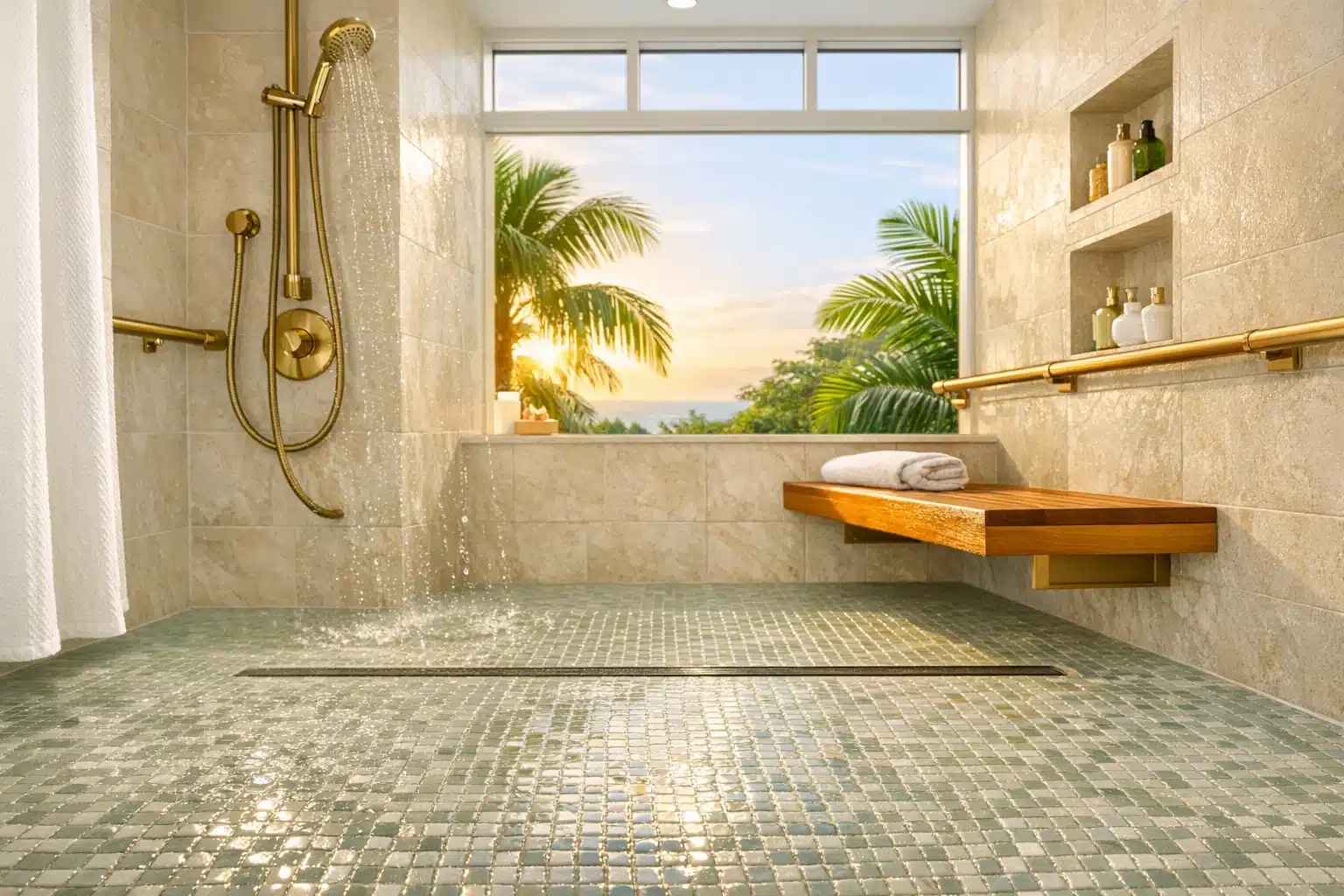
Stylish Solutions for Safe Showers
Safe showers no longer have to look clinical or improvised. Thoughtful design now blends slip resistance, easy access, smart storage, and polished finishes into spaces that feel modern rather than medical. Whether you are planning for aging in place, a busy family bathroom, or recovery after an injury, the right upgrades can reduce risk without draining personality from the room. This guide explores how to make a shower safer, more comfortable, and far better looking at the same time.
Outline: 1. Why shower safety matters and how modern design changed the conversation. 2. Flooring, drains, and entries that reduce slipping before it starts. 3. Support features such as grab bars, benches, and fixtures that look intentional. 4. Lighting, controls, and comfort details that improve daily use. 5. How to choose the right safe-shower strategy for your household, budget, and long-term plans.
Why Safe Shower Design Matters More Than Ever
The bathroom is one of the smallest rooms in the home, yet it asks the body to do a surprising amount of work. You step over thresholds, shift on wet surfaces, reach for bottles, bend to wash, and turn in a space where balance can disappear in a second. Safety matters here not because people are fragile, but because water changes everything. A floor that feels stable in dry socks can become slick when shampoo, steam, and hurried movement enter the picture.
Public health guidance consistently points to falls as a major source of injury, especially for older adults, and bathrooms are a common setting for those accidents. That does not mean shower safety is only an issue for seniors. Children, athletes with temporary injuries, pregnant adults, and anyone rushing through a weekday morning can benefit from a better-designed shower. In that sense, a safe shower is less a special adaptation than an example of good design doing its job quietly.
For years, many homeowners resisted safety upgrades because the products looked institutional. Thick rails, bulky seats, and awkward plastic accessories often clashed with the visual language of the rest of the home. That design gap has narrowed dramatically. Today, manufacturers offer brushed brass grab bars, matte black support rails, teak fold-down benches, stone-textured pans, and elegant handheld shower systems that feel at home in both minimalist and traditional spaces. The result is a welcome shift: accessibility is becoming part of mainstream bathroom design rather than an afterthought hidden behind the door.
There is also a financial and practical case for getting ahead of the issue. Retrofitting after an injury is usually more stressful, more expensive, and more limited than planning ahead during a remodel. When homeowners build in proper blocking for future grab bars, choose a low-threshold entry, or install an adjustable shower head before it becomes necessary, they create flexibility without locking themselves into a medicalized look.
A well-designed safe shower usually supports several goals at once:
• lower slip risk
• easier entry and exit
• better comfort for users with changing mobility
• simpler cleaning and maintenance
• stronger resale appeal for buyers who value thoughtful design
In other words, shower safety is not just about protection. It is about dignity, independence, convenience, and the pleasure of walking into a space that feels composed rather than compromised. When beauty and usability work together, the shower stops being a hazard to manage and becomes a room that quietly serves everyone better.
Floors, Drains, and Entry Styles That Build Safety from the Ground Up
If you want a shower to be safer, start where the risk begins: underfoot. Surface selection, slope, water control, and entry design matter more than many decorative upgrades because they shape the most basic interaction between body and space. A beautiful fixture can catch the eye, but a well-planned floor prevents the awkward micro-slip that starts the chain of trouble.
Flooring is often the first major decision. Large polished tiles may look luxurious, yet they can become slippery when wet unless the finish and texture are chosen carefully. Smaller mosaic tiles are popular in safer showers because the extra grout lines create traction. Textured porcelain also performs well, offering durability, low maintenance, and a wide range of colors that imitate stone, concrete, or terrazzo. Acrylic and fiberglass pans can be cost-effective and easy to clean, but their slip resistance varies by model. For households prioritizing both style and grip, stone-look porcelain and matte-finish mosaics often strike the strongest balance.
The shower entry matters just as much. A traditional curb can help contain water, but it also creates a tripping point. A low-threshold shower reduces that obstacle while still managing splash reasonably well. A curbless or walk-in shower offers the smoothest entry and is especially useful for wheelchairs, walkers, and anyone with limited balance. It also gives the room a sleek, hotel-like openness that many homeowners love. However, curbless designs demand careful planning for floor slope, waterproofing, and drainage. Without that precision, water may wander into the rest of the bathroom.
Drain placement is another quiet hero. Linear drains are often used in modern accessible showers because they allow a single-direction slope and can make large-format tile easier to install. Center drains are common and effective, but they may require more complex floor shaping. Neither choice is universally better; the right option depends on the layout, tile size, and installer skill.
Key layout priorities often include:
• a clear path into the shower without sharp turns
• enough standing room to shift safely
• a floor slope that moves water efficiently
• shelves or niches within easy reach
• a door or screen that does not create a narrow entrance
When comparing enclosures, frameless glass looks airy and upscale, but it should be paired with easy-to-grip hardware and enough opening width. Sliding doors save space, though tracks can collect debris and sometimes limit access. A well-chosen shower curtain is less glamorous, yet it can be practical, inexpensive, and easy to navigate in tight bathrooms. The best choice depends on how the shower is used, not just how it photographs.
A safe shower begins with engineering disguised as calm design. When the floor grips properly, water exits efficiently, and the entry welcomes rather than challenges the user, the rest of the room can shine with far less effort.
Grab Bars, Benches, and Fixtures That Add Support Without Looking Clinical
The most recognizable shower safety features are also the ones that have changed the most. Grab bars and seats were once treated as obvious signs of limitation, but good design has rewritten that story. Today, support can be subtle, elegant, and fully integrated into the room. The difference lies in choosing products that are engineered for real use while still belonging visually to the rest of the bathroom.
Grab bars are the clearest example. A properly installed grab bar is not the same as a suction handle sold as a quick convenience item. Decorative suction products may assist with light stabilization, but they should never be treated as reliable fall-prevention tools. Wall-anchored grab bars mounted into studs or reinforced blocking are the safer standard. The encouraging news is that they now come in many forms. Some look like refined towel bars. Others are built into corner shelves, toilet paper holders, or vertical shower rails. Finishes such as brushed nickel, warm brass, matte white, and oil-rubbed bronze make them easier to coordinate with faucets and hardware.
Placement matters as much as appearance. A horizontal bar near the controls can support standing balance. A vertical bar at the entry can help with stepping in and out. A longer side-wall bar may assist with turning or transferring to a seat. The ideal arrangement depends on the user’s movement patterns, which is why occupational therapists and experienced bathroom designers can add real value during planning.
Shower seating deserves the same level of attention. Built-in benches offer a polished, architectural look and can double as a ledge for bathing children or storing products. Fold-down wall seats save space and suit compact showers. Freestanding teak stools bring warmth and a spa-like feel, though they need enough room and regular upkeep. For users with significant mobility limitations, a transfer bench or specialized medical seat may be more appropriate, even if it is less visually seamless. Safety should lead, then style should support it.
Fixtures can also reduce strain when chosen wisely:
• handheld shower heads on adjustable slides allow seated or standing use
• lever-style controls are easier to operate than small twisting knobs
• pressure-balanced or thermostatic valves help prevent sudden temperature swings
• recessed niches reduce awkward bending and bottle clutter on the floor
The best shower design often works like a well-tailored jacket: it supports movement without calling attention to itself. When grab bars align with the hardware, benches echo the tile palette, and fixtures are positioned for comfort, the space feels intentional rather than adapted. That subtlety matters. People are more likely to use safety features when those features feel natural, attractive, and fully part of everyday living.
Lighting, Controls, and Comfort Details That Make Daily Use Easier
A shower can have excellent flooring and strong support features, yet still feel difficult if the controls are awkward, the light is dim, or the room shifts from steamy to slippery in minutes. Safety is not built only from obvious hardware. It also comes from the smaller details that reduce confusion, hesitation, and physical strain. These are the quiet upgrades that often make a bathroom feel genuinely thoughtful.
Lighting is one of the most overlooked elements. Many bathrooms rely on a bright vanity fixture and leave the shower area comparatively shadowed. That can be a problem for anyone with reduced vision, but even younger users may struggle to spot pooled water, soap residue, or the edge of a bench in poor light. Recessed wet-rated ceiling lights over the shower can improve visibility without adding visual clutter. Layered lighting around the room also helps the eyes adjust more comfortably during early mornings and late nights. Warm, even illumination tends to feel more relaxing than harsh blue-white brightness.
Controls deserve equally careful planning. Thermostatic valves are particularly useful because they maintain a chosen water temperature even when other fixtures in the house are running. That can reduce scald risk and make showering more comfortable for children and older adults alike. Pressure-balanced valves also add protection, though they usually offer less precision. Placing controls near the entrance allows the shower to be turned on without stepping directly into cold or hot water, a small design choice that feels surprisingly luxurious once you live with it.
Other practical upgrades can improve both comfort and safety:
• anti-scald technology for consistent temperature control
• larger control plates or levers for easier grip
• contrasting colors between walls, floors, and fixtures for better visual definition
• efficient ventilation to reduce lingering moisture and mildew
• radiant floor heating outside the shower to limit slippery condensation and add comfort
Storage is another daily-use detail that deserves respect. Bottles balanced on the floor or perched along a narrow ledge create clutter and force awkward reaching. A recessed niche set at the right height keeps essentials within reach and helps the shower remain visually calm. Two smaller niches are often more useful than one large opening because they separate everyday items from backup supplies.
There is also a growing market for smart bathroom technology, from digital temperature presets to voice-activated controls. These features can be helpful, especially for users with dexterity challenges, but they should complement basic usability rather than replace it. A shower should still work comfortably during a power outage or for a guest who has never seen the app. The most successful rooms pair modern convenience with simple, intuitive operation. When every element is easy to see, easy to reach, and easy to understand, the whole experience becomes safer without losing its sense of ease.
Conclusion: Choosing the Right Safe Shower for Your Home and Lifestyle
The best safe shower is not defined by a single product or trend. It comes from matching design choices to the people who will actually use the space. A retired couple planning to age in place may benefit most from a curbless entry, reinforced walls, a bench, and a handheld shower system. A family with young children may prioritize slip-resistant flooring, easy-clean surfaces, and temperature control. Someone recovering from surgery may need immediate support features now, while a renter may focus on nonpermanent changes and better organization until a larger remodel becomes possible.
Budget matters, of course, and it helps to think in layers. Some upgrades are foundational and worth prioritizing because they are hardest to add later. These include waterproofing, drain placement, structural blocking for future grab bars, and the general footprint of the shower. Other features can be phased in, such as a fold-down seat, upgraded hardware, improved lighting, or premium finishes. That staged approach allows homeowners to protect function first while leaving room for aesthetic refinement over time.
A useful planning framework is to ask three simple questions:
• What movement feels awkward or risky in the current shower?
• Which changes would improve daily comfort right away?
• Which upgrades would still make sense ten years from now?
The answers usually lead to better decisions than chasing a showroom look in isolation. A wide, open walk-in shower may be beautiful, but not if it leaves nowhere to hold a towel or no dry place to pause while stepping out. A stylish black fixture package may look dramatic, but not if the controls are hard to read or grip. Good bathroom design lives in the details where appearance, maintenance, comfort, and safety meet.
For homeowners, renovators, caregivers, and anyone thinking ahead, the real opportunity is this: you do not have to choose between a bathroom that looks good and one that works well. The most satisfying showers today combine texture, warmth, smart engineering, and graceful support in ways that feel natural from day one. They welcome a rushed morning, a tired evening, a healing body, and changing needs over time. When that balance is achieved, the shower becomes more than a utility zone. It becomes a well-designed part of the home that offers confidence every single day.