The Allure of Adults-Only Resorts
Introduction: Why Adults-Only Resorts Matter
Adults-only resorts have become more than a niche escape for honeymooners; they now appeal to travelers who want stillness, flexible schedules, and spaces shaped around adult conversation rather than constant activity planning. In a market crowded with lookalike holidays, these properties stand out by offering a different rhythm: quieter mornings, longer dinners, calmer pools, and a setting that lets relaxation unfold without noise chasing every corner.
The growing interest in adult-focused hospitality reflects a wider shift in how people travel. Many guests are no longer looking only for a place to sleep between excursions. They want an environment that influences the entire mood of a trip. For some, that means romance. For others, it means reading by the pool without splashing games nearby, enjoying late dinners without a rush, or booking a spa treatment in a property that feels serene from lobby to shoreline. In short, the concept is less about exclusion for its own sake and more about intention. A resort that is built for adults can organize space, entertainment, dining, and service around a very different set of expectations.
Outline of this article:
• why these resorts feel so appealing in practice
• how design, amenities, and service change the guest experience
• where adult-focused properties differ from family-friendly resorts
• what trade-offs travelers should consider before booking
• which types of guests are most likely to enjoy this style of stay
This topic matters because vacation choices are expensive, emotionally loaded, and often tied to limited time off. Booking the wrong environment can change the entire tone of a holiday. A couple wanting connection may end up in a bustling family complex. A solo traveler seeking peace may land in a loud party property. By understanding what adults-only resorts actually offer, travelers can move past glossy brochures and choose a setting that matches the experience they really want.
The Core Appeal: Quiet, Space, and a Different Travel Rhythm
The deepest allure of an adults-only resort is not always luxury in the obvious sense. Often, it is the feeling of mental spaciousness. Noise levels tend to be lower, shared areas feel less hectic, and the daily pace becomes more fluid. Breakfast can stretch into mid-morning without a soundtrack of hurried routines. A poolside hour can remain exactly that: an hour of stillness. For travelers whose normal lives are full of deadlines, school schedules, commuting, and notifications, this change in rhythm can feel surprisingly restorative.
What makes that rhythm possible is not merely the absence of children; it is the presence of adult-oriented planning. Resorts in this category commonly extend dining hours, offer lounges with a quieter atmosphere, and program entertainment later in the evening. Conversations replace constant activity announcements. Wellness areas tend to be used differently as well, with more emphasis on uninterrupted spa circuits, meditation spaces, hydrotherapy pools, or beachfront yoga. Even small operational choices matter. A check-in desk handling mostly couples, solo guests, or friends often moves at a different pace than one managing family arrivals with strollers, extra bedding, and children eager to run ahead.
The emotional appeal varies by traveler:
• couples often value privacy and uninterrupted time together
• solo travelers may appreciate safety paired with calm social spaces
• friend groups often enjoy stylish common areas without a family-centered atmosphere
• burned-out professionals may simply want silence, sleep, and good food
There is also a psychological component that marketers understand well: adult guests often associate these properties with permission to slow down. In a family resort, even guests without children can feel caught in the energy of organized games, early meal rushes, and high-volume public spaces. In contrast, an adults-only property signals that rest is not an afterthought. That signal alone can shape expectations before the suitcase is even unpacked.
Of course, quieter does not always mean sleepy. Some adult-focused resorts are built around nightlife, mixology, and live music rather than whisper-soft tranquility. Yet even those properties usually organize the atmosphere around adult preferences instead of family logistics. That distinction explains the category’s broad appeal. People are not only buying a room; they are buying relief from a certain kind of noise, and they are choosing a social environment that feels more aligned with how they want to spend their limited time away.
How the Experience Changes: Design, Dining, Wellness, and Social Life
Adults-only resorts often feel different from the first few minutes on property, and the difference is usually architectural as much as cultural. When a resort does not need kids’ clubs, shallow splash zones, character-themed programming, or family game rooms, it can dedicate more space to restaurants, bars, spas, garden paths, lounge terraces, and larger pool decks. This changes the visual language of the stay. Instead of bright, high-energy zones designed to keep all ages entertained at once, many adult-focused resorts lean into open layouts, muted color palettes, slower transitions between public and private space, and rooms positioned for quiet rather than constant convenience.
Dining is one of the clearest examples. Family-friendly properties often need broad menus, faster turnover, and early seating pressure. Adults-only resorts can be more experimental. It is common to find tasting menus, wine pairings, chef-led dinners, sushi bars, cocktail programs, or late-night tapas service that would be harder to anchor in a heavily family-oriented setting. This does not mean every property becomes a gourmet destination, but it does mean the food-and-drink strategy can be more focused. Guests who care about atmosphere notice these details quickly: lower lighting, longer meal pacing, stronger beverage lists, and restaurants where conversation remains the center of the evening.
Wellness also tends to receive more attention. In recent years, wellness tourism has grown into a major force within global travel, and adult-focused resorts fit neatly into that demand. A property may include:
• hydrotherapy circuits and treatment rooms
• fitness classes aimed at adults rather than mixed-age recreation
• sleep-focused room features such as blackout curtains and pillow menus
• quiet beaches or pool zones reserved for reading, rest, and low-volume lounging
Social life shifts in equally interesting ways. Without family programming dominating the calendar, adult resorts can offer cooking workshops, dance lessons, sunset cruises, live jazz, guided tastings, or casual mixers that feel sophisticated rather than performative. The result is a social environment that can be romantic, but not exclusively so. A solo guest can enjoy an aperitif at the bar without feeling out of place. A group of friends can move from spa appointments to dinner to live music without the mood changing abruptly from one area to the next.
The best properties understand that adults are not one single market. Some travelers want candlelit quiet. Others want beach clubs and DJs. The strongest resorts communicate their style clearly, because the magic lies in fit. When design, amenities, and programming align with guest expectations, the experience feels polished, easy, and deeply intentional.
Adults-Only Versus Family-Friendly Resorts: Differences, Trade-Offs, and Common Myths
It is easy to frame adults-only resorts as “better” than family-friendly ones, but that is too simple to be useful. A more accurate comparison is that they are designed for different emotional outcomes. Family resorts often prioritize variety, all-day activity, flexible dining for mixed ages, and entertainment that keeps many people engaged at once. That can create an energetic, communal atmosphere that suits multigenerational travel, active schedules, and guests who enjoy motion and noise. Adults-only properties, by contrast, usually prioritize mood, pacing, privacy, and consistency across spaces. The question is not which model wins in general; it is which one suits the traveler in front of the booking screen.
Price is one important trade-off. Adult-focused resorts sometimes charge more because guests are paying for quieter infrastructure, elevated food-and-beverage programs, spa facilities, and a more curated atmosphere. However, a higher rate does not automatically mean better value. Some travelers will use every benefit: the serene pool, the late dinner seating, the premium cocktail bar, the couples’ spa area, the adults-only beach section. Others may spend most of the day off-property exploring a destination, in which case the atmosphere premium matters less. Value depends on how much time a guest plans to spend enjoying the resort itself.
Several myths deserve correcting:
• adults-only does not automatically mean party-heavy
• it does not automatically mean romantic couples only
• it does not guarantee luxury, because quality varies widely by brand and location
• it is not inherently anti-family; it is simply built around a different guest profile
Another trade-off involves social comfort. Some people thrive in a lively family setting because it feels casual and forgiving. Others prefer the composed energy of adult spaces. A quiet resort can feel elegant to one guest and too subdued to another. Likewise, a vibrant family property can feel joyful to one traveler and overstimulating to someone else. This is why photos alone are not enough. Travelers should examine dining schedules, entertainment descriptions, room locations, noise expectations, and guest reviews that mention atmosphere in practical terms.
The smartest approach is honest self-assessment. If a traveler wants structured family fun, water slides, broad buffet options, and a universally active vibe, a child-free property may feel unnecessary or even limiting. If the goal is rest, conversation, a slower routine, and common areas that remain composed throughout the day, the adults-only format can be a remarkably good match. Clarity about personal habits beats marketing language every time.
Who Should Book One? A Practical Conclusion for the Right Traveler
Adults-only resorts make the most sense for travelers who see the resort itself as a core part of the holiday rather than a simple base camp. If the dream trip includes slow breakfasts, long pool afternoons, spa rituals, unhurried dinners, and evenings shaped by cocktails, music, or conversation, these properties often deliver a smoother version of that fantasy. Couples are the most obvious audience, especially for anniversaries, honeymoons, and reconnection trips, but they are far from the only one. Solo travelers who want peace without isolation, friend groups celebrating milestones, and professionals escaping a demanding season of work can all find real value in this setting.
Choosing well matters more than choosing the label alone. Before booking, it helps to ask a few simple questions:
• do you want quiet relaxation, active nightlife, or a balance of both
• will you spend significant time on the property
• is food quality important enough to influence your hotel choice
• do you prefer a social atmosphere or a retreat-like environment
• are you paying for beachfront access, wellness facilities, or room privacy above all else
These questions turn a broad category into a practical decision. An adults-only beach club resort in a nightlife destination will feel very different from a secluded spa property tucked into a hillside or a boutique all-inclusive designed for culinary travelers. Reading recent reviews, studying site maps, and checking restaurant policies can reveal more than glossy marketing ever will. Look for clues about noise, service consistency, maintenance standards, and whether the resort’s identity feels sincere rather than generic.
For the target audience most drawn to this topic, the central appeal is simple: these resorts often create the conditions for a more intentional holiday. They remove some of the friction that can make a trip feel busy when it was meant to feel restorative. They are not magical, and they are not universally ideal, but for travelers craving calm, privacy, polished social spaces, or adult-centered leisure, they can be an excellent fit.
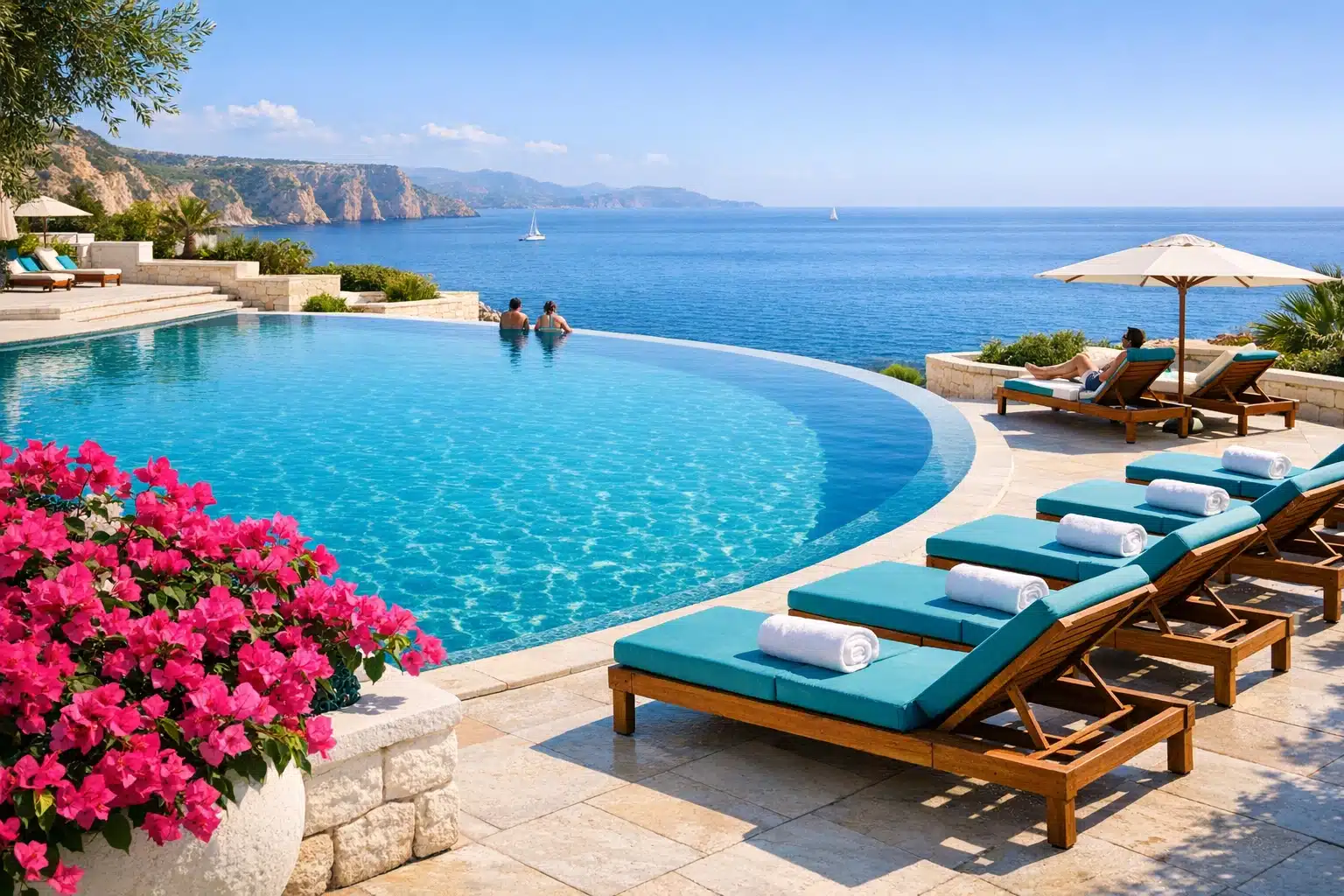
In the end, the best adults-only resort is not the one with the flashiest photos or the highest room rate. It is the one that matches your tempo. If you want your next escape to feel less like crowd management and more like breathing room with a sea view, this category is well worth serious consideration.