The Complete Guide to Granny Pods for Senior Living at Home
More families are searching for ways to keep aging parents close without turning every day into a logistical scramble, and granny pods have emerged as a practical option. These compact backyard homes can preserve independence while making help easier to reach. At the same time, they bring real questions about rules, costs, privacy, and care needs. This guide breaks down the essentials so you can judge the idea by everyday realities rather than marketing buzz.
Article Outline
This article covers five core areas: what granny pods are and how they compare with other senior housing choices, the main benefits and drawbacks for families, the costs and legal issues that shape every project, the design and safety features that matter most, and the everyday caregiving questions that determine whether this setup truly works over time.
1. What Granny Pods Are and How They Compare With Other Senior Housing Options
A granny pod is a small, self-contained home placed on the same property as a family member’s main house, usually in the backyard. In many housing discussions, it falls under the broader category of an accessory dwelling unit, often shortened to ADU. Some people also use terms like backyard cottage, in-law suite, tiny home for seniors, or detached guest house. The names vary, but the central idea is the same: create a private living space that keeps an older adult close to family without placing everyone under one roof.
This distinction matters because a granny pod is not exactly the same as converting a basement, adding a bedroom over the garage, or moving a parent into a spare room. Those options can work well, but they usually reduce privacy for both generations. A detached structure creates a different rhythm. The senior can maintain a front door of their own, keep personal routines, and still have support a short walk away. In the best cases, the arrangement feels less like dependency and more like a respectful middle ground.
Compared with assisted living, granny pods offer stronger family proximity and often greater control over the living environment. Compared with a nursing home, they are usually best suited for seniors who do not require intensive medical supervision around the clock. A person who can manage many daily tasks independently, or with part-time help, may do well in a granny pod. Someone with advanced dementia, high fall risk, or complex nursing needs may eventually need a setting with more structured staffing.
Here is where granny pods usually fit in the larger senior housing landscape:
- They offer more privacy than sharing a single-family home.
- They provide more family connection than a distant apartment.
- They usually involve less institutional structure than assisted living.
- They require more planning and property-specific approval than a standard home modification.
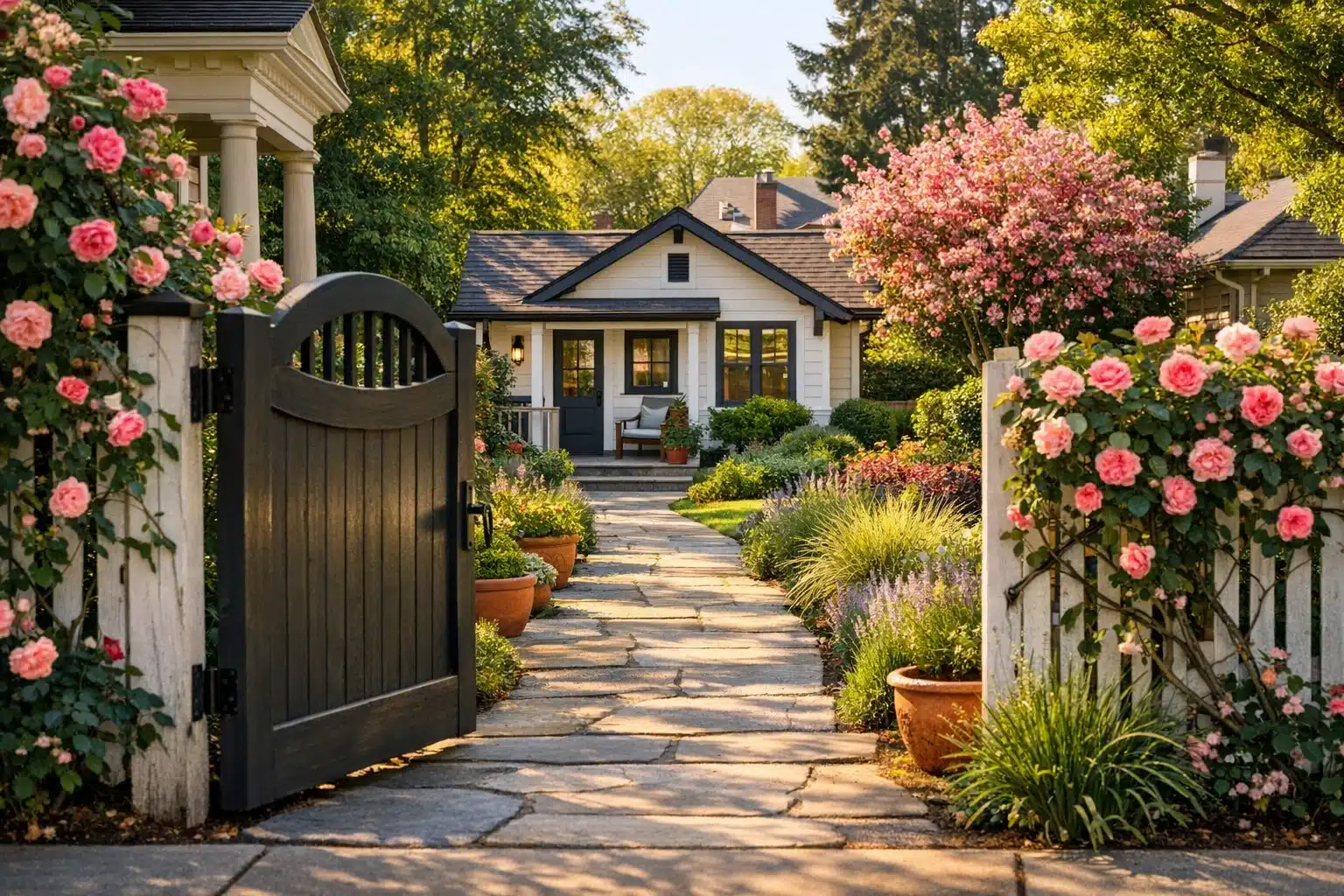
Historically, multigenerational living is not a new concept at all. What feels new is the modern version: a compact dwelling designed around accessibility, utility connections, and local zoning rules. In some neighborhoods, the granny pod looks like a tidy studio cottage with a porch and broad windows. In others, it may resemble a high-quality modular unit delivered in sections. The image is modest, almost quiet, yet the implications are large. Housing, family life, caregiving, and personal dignity all meet at the same garden gate.
2. Why Families Choose Granny Pods and Where the Model Can Fall Short
The appeal of a granny pod is easy to understand. Many older adults want to stay near loved ones without giving up autonomy. Many adult children want to help without forcing a parent into a facility before it is necessary. A granny pod can bridge those goals. The senior has a separate place to sleep, cook, relax, and receive visitors, while the family can assist with meals, transportation, medications, or companionship more easily than if everyone lived miles apart.
Emotionally, this setup can reduce loneliness and improve peace of mind. A daughter can check on her mother after work without an hour-long drive. A grandchild can stop by to share tea, a school story, or a puzzle. Even simple moments matter. Aging at home often depends less on grand gestures and more on the reliable presence of ordinary support. That is part of the charm of the granny pod: it turns help into a nearby habit rather than a major expedition.
There can also be financial logic behind the decision. In many markets, building or installing a small ADU may cost less over time than paying years of private senior housing fees, especially if the family already owns suitable land. A backyard unit may also add flexibility to the property for future use, although resale value varies by location, quality, and local demand. Some families later use the unit for guests, a caregiver, rental income where allowed, or a home office.
Still, the model has real limitations. Proximity is not the same as preparedness. A granny pod can make caregiving easier, but it does not magically create time, skill, or emotional stamina. Families sometimes underestimate how quickly health needs can change. If a senior begins wandering, needs help with toileting, or cannot safely manage medications, a beautiful backyard cottage may no longer be enough.
Common advantages include:
- Greater independence than living inside a relative’s home.
- Easier access to family support and social connection.
- Potential long-term usefulness of the structure.
- More control over design, routines, and meals.
Common drawbacks include:
- High upfront costs and unpredictable site expenses.
- Zoning restrictions or neighborhood opposition.
- Blurred boundaries if family expectations are unclear.
- Caregiver fatigue when support needs expand.
The best way to think about a granny pod is as a housing tool, not a universal solution. It can be thoughtful, efficient, and deeply humane. It can also strain budgets or relationships if everyone assumes closeness will solve every problem by itself. Sometimes the pod becomes a peaceful little haven under the maple tree. Other times, it reveals that the family needed more formal care planning long before the foundation was poured.
3. Costs, Financing, Zoning, and Legal Questions Before You Build
If the idea of a granny pod feels warm and hopeful, the planning process is usually more technical. Cost is the first major reality check. In the United States, a granny pod or ADU for senior living often costs anywhere from roughly $100,000 to $300,000 or more, depending on size, location, materials, utility access, local labor rates, accessibility features, and whether the unit is site-built or modular. In high-cost areas, the number can rise significantly. Families are often surprised that the structure itself is only part of the budget.
Site preparation can add considerable expense. You may need grading, a concrete foundation, trenching for water and power, sewer connection or septic upgrades, permits, architectural drawings, and inspections. If the property has difficult access, mature trees, drainage issues, or strict design review rules, those costs can climb fast. A smaller unit does not always mean a small bill. The hidden line items often live underground or in municipal paperwork.
Before any commitment, families should investigate:
- Local zoning rules for ADUs or detached accessory structures.
- Minimum lot size and setback requirements.
- Occupancy rules, utility hook-up requirements, and parking standards.
- Permit fees, inspection timelines, and design restrictions.
- Whether the unit may be occupied by a family member only or by any resident.
Financing can be equally complex. Some households use savings, a home equity loan, a home equity line of credit, cash-out refinancing, or construction financing. Others combine family contributions. If the senior is contributing funds, that should be documented carefully. A casual handshake may feel trusting in the moment, but elder housing arrangements benefit from clarity. Who owns the structure? Who pays for maintenance? What happens if the senior later moves to assisted living? What if the property is sold, or a caregiving child divorces, relocates, or dies?
Legal planning is not the glamorous part of the dream, but it is the part that protects the dream from becoming a dispute. Families should strongly consider speaking with a real estate attorney, a local contractor familiar with ADU rules, and in many cases an elder law attorney. This is especially important if there are concerns about Medicaid eligibility down the line, estate planning, long-term care costs, or shared ownership arrangements. Insurance also needs review, since the new unit may affect liability, dwelling coverage, and the presence of paid caregivers on site.
A granny pod is not simply a backyard purchase. It is a housing project, a family agreement, and in many cases a long-range care decision. When people pause to do the legal and financial homework, the idea becomes less romantic but far more workable.
4. Design, Accessibility, Safety, and Smart Features That Matter Most
A granny pod should not just be small. It should be easy to live in safely. That difference is crucial. A compact unit with stylish finishes but poor accessibility can become frustrating or dangerous very quickly. Good senior-friendly design begins with universal design principles, which aim to make spaces usable by people with different levels of mobility and changing physical needs. The smartest granny pods are built for the resident today while quietly preparing for the resident five years from now.
The floor plan should favor simplicity. Wide doorways, minimal thresholds, generous turning space, and a layout without unnecessary obstacles are far more valuable than decorative complexity. A zero-step entrance is one of the most useful features because it helps not only wheelchair users but also people with walkers, canes, or limited balance. Inside, flooring should be stable and slip-resistant. Bathrooms deserve special attention, since falls often occur there. A curbless shower, grab bars anchored properly into framing, handheld showerheads, and a shower seat can make a major difference.
Features worth prioritizing often include:
- Zero-step entry and wide interior doors.
- Lever-style door handles and easy-to-reach controls.
- Bright, layered lighting with limited glare.
- Slip-resistant flooring and minimal rugs.
- A curbless shower and comfort-height toilet.
- Accessible kitchen counters and simple appliance controls.
- Emergency alert systems and smoke or carbon monoxide detectors.
Technology can add another layer of support, but it should be practical rather than flashy. Motion-sensor lighting can reduce nighttime falls. Video doorbells can help identify visitors without rushing to the door. Smart thermostats can keep the unit comfortable and lower energy waste. Medication reminders, emergency call systems, and remote check-in tools may support peace of mind. Still, technology is not a substitute for human judgment. A sensor can report that a door opened at 2 a.m., but it cannot interpret whether the resident is fine, confused, or in distress.
Comfort also matters. Good insulation, quiet HVAC systems, fresh air circulation, natural light, and a welcoming sitting area all contribute to mental well-being. A granny pod should not feel like a medical box dropped in the yard. It should feel like a real home, scaled carefully and designed with dignity. A flowering window box, a small porch chair, and a path that is smooth underfoot may seem modest, yet these details shape daily life more than many families expect. The goal is not to create a miniature institution. It is to create a place where a person can still feel at home in their own story.
5. Daily Life, Caregiving Reality, and How to Decide Whether a Granny Pod Is the Right Choice
The biggest question is not whether a granny pod can be built. It is whether life inside it will work well for the senior and for the family over time. This requires honest assessment, not wishful thinking. Start with the senior’s current abilities. Can they manage bathing, dressing, cooking, medications, mobility, and emergency response safely? Do they need daily check-ins, transportation help, meal support, or supervision? A person who is mostly independent may thrive in a granny pod. Someone with advancing cognitive decline may need a higher level of oversight than a detached space can provide.
It also helps to evaluate the family’s real capacity. Who will handle doctor appointments, groceries, maintenance, and surprise needs on a rainy Tuesday? Who steps in if the main caregiver gets sick or goes on vacation? Families often talk about love, but they also need to talk about schedules, sleep, money, and boundaries. Without those conversations, resentment can creep in quietly. The backyard may be close, yet caregiving can still feel very far from evenly shared.
A practical decision framework includes these questions:
- Is the senior emotionally comfortable living near family but not inside the same house?
- Can the property legally support the unit?
- Can the family afford both construction and future care adjustments?
- Will the setup still work if health needs increase?
- Is there a backup plan if the arrangement stops being safe or sustainable?
Comparing alternatives can sharpen the choice. If the senior mainly needs companionship and a safer bathroom, renovating part of the main house may be enough. If they need social programming, transportation, and meals but not intensive nursing, assisted living may offer better daily support. If skilled care is already becoming necessary, the granny pod might be a short-lived answer. The right option depends less on the trend and more on the trajectory of health needs.
Families should also consider a trial mindset. Spend time together discussing routines before building. Review medications, mobility, transportation, and nighttime support. Write down expectations about privacy, visiting hours, caregiving tasks, meals, and costs. Even an informal family care agreement can prevent confusion later. If outside caregivers may be hired, plan for that possibility from the start.
In the end, a granny pod works best when it matches the senior’s abilities, the property’s constraints, and the family’s willingness to plan with clear eyes. It is a thoughtful option for many households, but only when everyone understands that a lovely structure is just the frame. The real foundation is ongoing care, communication, and flexibility.
Conclusion for Families Considering a Granny Pod
For families trying to support an older parent without rushing into institutional care, granny pods can offer a meaningful balance of independence and proximity. They are most effective when the senior wants privacy, the property can legally accommodate an ADU, and the family has a realistic plan for caregiving now and later. The strongest projects begin with careful budgeting, legal review, and design choices that prioritize accessibility over novelty. If you are exploring this path, think beyond the building itself and plan for how everyday life will actually unfold, because that is where the success of a granny pod is truly measured.