Top 10 Seaside Towns To Live In The UK
Introduction, Outline, and What Makes a Seaside Town Truly Livable
Dreaming of a home near the water is easy; choosing the right coastal town is the harder part. In the UK, seaside living can mean anything from a creative harbour with a university crowd to a calm promenade geared toward walkers and retirees. Prices, jobs, schools, rail links, and winter atmosphere vary wildly from one shore to the next. This ranking focuses on places that feel livable in February as well as in July. That is where the real test begins.
The appeal is obvious. Sea views can make an ordinary walk feel cinematic, many coastal towns offer a slower rhythm than major cities, and remote work has made location more flexible for many households. Yet the postcard version of seaside life leaves out practical concerns: thin job markets in some areas, strong second-home pressure in others, limited rental stock, and the fact that a lovely promenade does not help much if you need reliable trains, decent schools, or healthcare close by. A town worth living in needs year-round services, not just a bustling August.
This article uses a simple editorial framework: connectivity, daily amenities, housing pressure, community feel, scenery, and long-term livability. It also considers variety. A great coastal move looks different for a family with school-age children, a remote worker, a retiree, or someone trying to keep one foot in a major city job market. Flood risk, seasonal overcrowding, and winter quietness also matter more than many buyers expect.
The outline of the ranking is as follows: 1. North Berwick, 2. Falmouth, 3. Tynemouth, 4. Tenby, 5. Whitstable, 6. St Ives, 7. Llandudno, 8. Deal, 9. Southwold, 10. Folkestone. The next three sections explain why each place made the list, where each town shines, and where the compromises lie. Some win on access to London or Edinburgh, others on cultural life, schooling, outdoor lifestyle, or a sense of genuine community that lasts after the holidaymakers leave. Think of this as a guide for real life by the sea, not a beauty contest.
Ranks 10 to 8: Folkestone, Southwold, and Deal
At number 10, Folkestone earns its place because it offers something many seaside buyers want but cannot always find: reinvention with practical access. High-speed rail has made journeys to London notably easier, which gives the town a commuter edge that many prettier but more remote resorts simply do not have. Over the past decade, parts of Folkestone have developed a stronger creative identity, with galleries, independent businesses, and refurbished public spaces adding life to the centre. The harbour area has become a talking point for good reason. Still, Folkestone remains uneven. Some streets feel sharply improved while others still show the slower pace of regeneration, so buyers need to be selective rather than starry-eyed.
Southwold, at number 9, is almost the opposite story. It is graceful, compact, and deeply atmospheric, the kind of place where the sea, the pier, and the painted beach huts create an instantly recognisable setting. For lifestyle, it is hard to fault. The town has a polished feel, strong local identity, and access to the Suffolk coast’s gentler, more contemplative beauty. But Southwold is also one of the clearest examples of charm meeting scarcity. Housing stock is limited, prices are typically high, and the market can be heavily influenced by second homes and holiday demand. For full-time residents, that can mean a quieter winter and less everyday buzz than in larger coastal towns. It suits downsizers, semi-retirees, and buyers who value peace over pace.
Deal takes number 8 because it balances elegance with usability. Its seafront, Georgian and Victorian architecture, independent shops, and strong food scene make it attractive without feeling theatrical. Importantly, it also has direct rail connections to London, which keeps it within reach for hybrid workers and occasional commuters. Compared with Whitstable, Deal can feel slightly less publicised and a touch calmer, which some people will count as a major advantage. It has enough activity to avoid feeling sleepy, yet it still offers room to breathe. The trade-off is price pressure, especially for homes close to the waterfront or in the prettiest historic pockets.
Taken together, these three towns show how different seaside value can be. Folkestone is the improver with urban energy, Southwold is the polished classic, and Deal is the balanced all-rounder. None is perfect, but each offers a credible path to coastal living for the right sort of resident.
Ranks 7 to 5: Llandudno, St Ives, and Whitstable
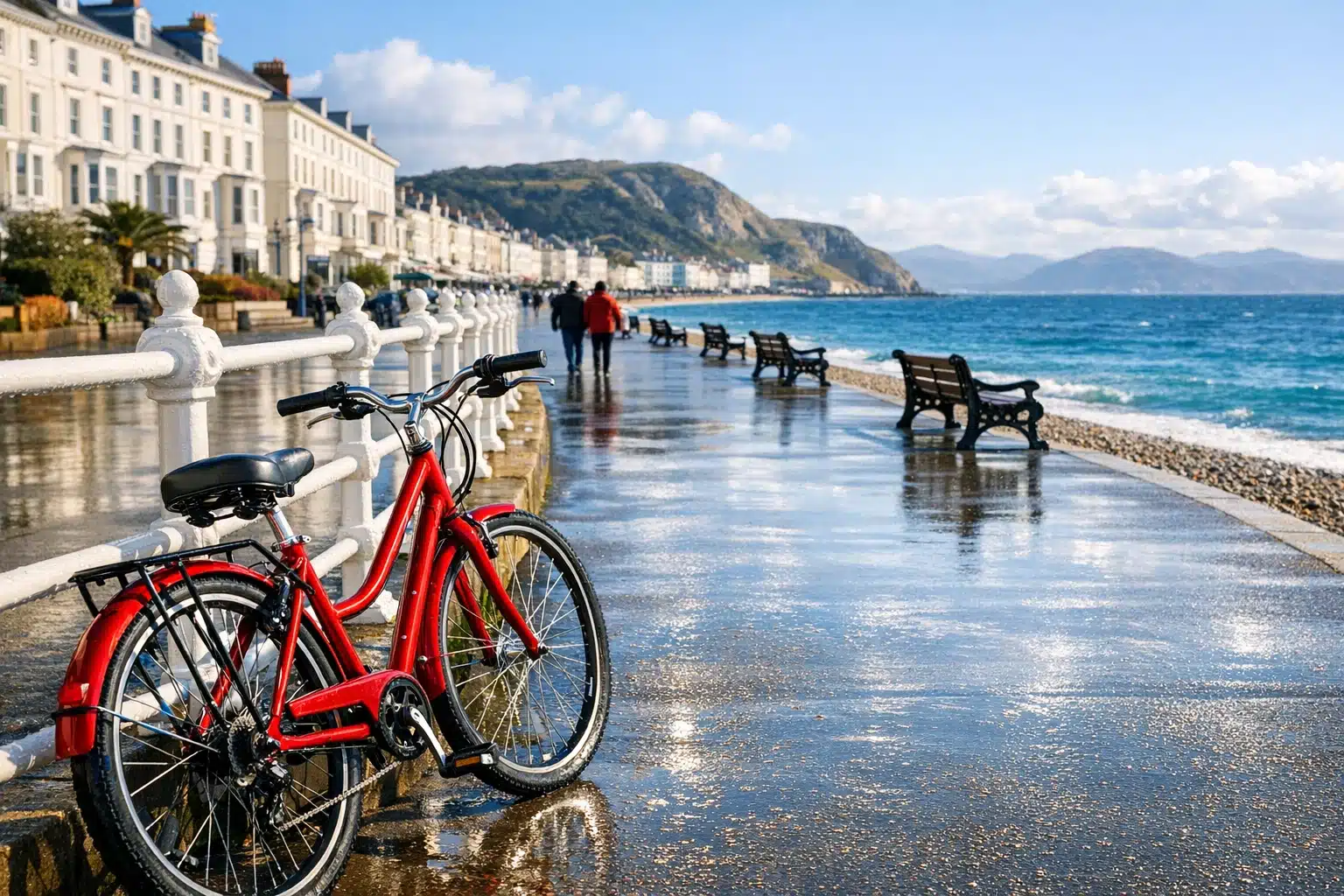
Llandudno comes in at number 7, and it deserves more attention in conversations about living by the sea. Too often, it is treated as a classic holiday resort and left at that, yet as a place to live it has solid advantages. The promenade is broad and handsome, the setting between headlands gives the town a clear sense of place, and everyday amenities are better than many smaller coastal towns can offer. There is a practical side to Llandudno that matters: shops, services, rail access along the North Wales coast, and proximity to the mountains of Eryri for anyone who wants sea and upland scenery in the same week. The local demographic skews older in places, and some buyers may find the atmosphere gentler than they want, but for retirees, remote workers, and households seeking steadiness rather than trendiness, that calm is part of the appeal.
At number 6, St Ives is one of the most beautiful towns on this list, and possibly the one that tempts the imagination most quickly. The light, beaches, harbour, and artistic heritage give it a distinct identity that few British towns can match. On a clear day, it can feel almost unreal, as if someone quietly upgraded the colour settings on the world. Yet beauty is only part of the story. St Ives has a thriving visitor economy and strong cultural pull, but that popularity brings real strains: seasonal crowding, expensive housing, and a market affected by holiday lets and second homes. For full-time residents, the question is whether the scenery outweighs the pressure. For creatives, hospitality professionals, and people who genuinely want a small Cornish town rather than a broad employment market, it can absolutely work. For others, it may feel restrictive outside peak season.
Whitstable takes number 5 because it pairs coastal character with modern demand in a way few towns manage. It has become one of the southeast’s most sought-after seaside addresses thanks to its oyster-town reputation, independent cafés, attractive high street, and manageable rail access to London. Unlike some purely tourist-driven places, Whitstable feels inhabited year round. There is a recognisable local culture rather than a stage set. That said, popularity has consequences. Prices are often high relative to surrounding areas, and buyers can find that the so-called casual coastal look comes with a decidedly serious bill. Even so, Whitstable remains one of the strongest options for people who want a walkable town, decent connections, and a shoreline that still feels woven into daily life rather than fenced off for visitors.
These three towns prove there is no single model of coastal success. Llandudno offers value and stability, St Ives offers artistic magnetism and dramatic beauty, and Whitstable offers connectivity wrapped in a lifestyle brand that, in fairness, is rooted in real substance.
Ranks 4 to 1: Tenby, Tynemouth, Falmouth, and North Berwick
Tenby secures number 4 by delivering what many people mean when they say they want to live by the sea: beauty, walkability, family appeal, and a strong sense of place. The Pembrokeshire setting is a major asset, with access to beaches, coastal paths, and a slower rhythm that can feel restorative without becoming lifeless. The old town is compact and attractive, and the wider area offers a good outdoor lifestyle for families and active retirees alike. Tourism is significant, of course, so the population swells in holiday periods and the housing market can feel squeezed. Even so, Tenby’s charm does not vanish when the season turns. It still functions as a real town, not just a summer performance.
At number 3, Tynemouth stands out as one of the most practical and enjoyable seaside moves in England. It combines beach life with metropolitan access better than most rivals. The Tyne and Wear Metro links it into Newcastle and the wider region, which means residents can enjoy surf, sea air, and a lively high street without giving up city jobs, universities, or major services. Tynemouth also benefits from strong local character: independent cafés, weekend market culture, and a promenade that feels integrated into everyday life. It is not cheap, and its popularity means competition for attractive homes can be fierce. But if your ideal coastal life includes both morning dog walks on the sand and a realistic commute, Tynemouth is hard to ignore.
Falmouth takes number 2 because it may be the most complete all-rounder on the list. It has maritime heritage, a working harbour, a university presence through the Falmouth and Penryn campuses, creative energy, and a social life that extends beyond tourism. That matters. A town that attracts students, academics, artists, hospitality workers, and marine-sector professionals tends to keep more life in the streets throughout the year. Falmouth also has excellent natural scenery and a distinctly Cornish identity without feeling as constrained as some smaller hotspots. Housing affordability remains a challenge, as it is across much of Cornwall, but Falmouth offers more economic and cultural depth than many equally beautiful alternatives.
North Berwick earns the top spot because it combines the coastal dream with a remarkably functional everyday reality. Set on the East Lothian coast, it offers beaches, striking views, golf, strong local amenities, and reliable rail access to Edinburgh in well under an hour. That final point matters enormously. It allows residents to enjoy a genuinely high-quality seaside environment while staying connected to one of the UK’s strongest city economies. The town also benefits from good schools and an affluent, well-kept feel that many movers seek. The downside is obvious: demand is strong and prices can be correspondingly steep. Still, if the question is which UK seaside town best balances beauty, practicality, community, and long-term livability, North Berwick makes the strongest case.
Conclusion: Which UK Seaside Town Best Fits Your Life?
If you are seriously considering a move, the most useful takeaway is this: the best seaside town is not the prettiest one, but the one that fits your daily routine without making every practical task harder. A surfer, a retiree, a remote worker, and a family with two teenagers will not need the same things. That is why this list spreads its bets. North Berwick and Tynemouth excel if you want coastal life with major-city access. Falmouth is ideal if culture, creativity, and year-round energy matter as much as scenery. Tenby and Llandudno suit people who value pace, landscape, and a strong local identity. Whitstable, Deal, and Folkestone appeal to buyers who want the sea while staying within reach of the southeast job market.
A simple way to narrow the field is to think in priorities rather than dreams. Ask yourself the questions that actually shape a move: can you afford the housing stock that comes onto the market, are there schools or healthcare services you would trust, what happens in winter, and how much tourism are you happy to live with? A glorious August weekend can hide a quiet January or a difficult parking reality. On the other hand, a town that feels understated on first visit can become deeply satisfying once you notice the station, the high street, the local butcher, the swimming group, and the way people use the seafront on an ordinary Tuesday.
Here is the short version for different readers. • Best for commuters: North Berwick, Tynemouth, Deal, Whitstable, Folkestone. • Best for creative or cultural life: Falmouth, St Ives, Folkestone. • Best for classic scenic charm: Tenby, Southwold, St Ives, North Berwick. • Best for a calmer later-life move: Llandudno, Southwold, Tenby. • Best all-round balance: North Berwick and Falmouth.
The sea has a way of making plans feel clearer. Even so, a smart move needs more than a horizon line and a nice promenade. Visit in bad weather, check transport on a weekday, and look beyond the waterfront to the streets where people actually live. Do that, and these ten towns offer some of the strongest places in the UK to build a coastal life that still works when the holiday mood fades and ordinary life returns.