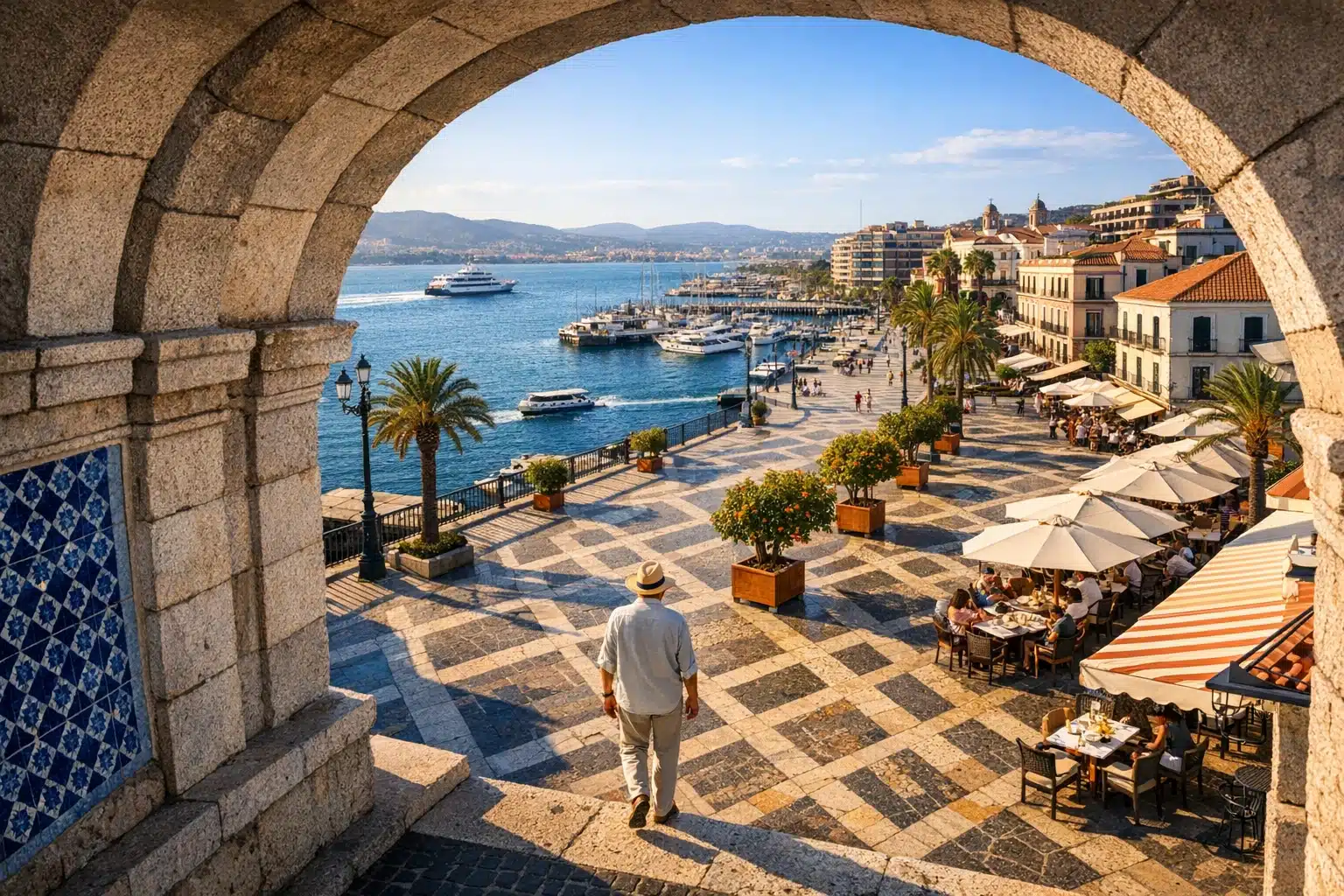
Top 5 Countries Where U.S. Military Veterans Are Retiring
Retiring overseas can stretch a fixed income, open the door to warmer climates, and place daily life on a slower, more satisfying rhythm. For U.S. military veterans, the decision carries extra layers, from healthcare access and visa rules to tax treatment and distance from family. This guide looks at five countries that frequently appear in veteran and expat conversations for practical reasons, not fantasy-postcard promises. Think of it as a field map for comparing comfort, cost, and long-term fit.
Article Outline
This article uses a practical veteran-first lens rather than a glossy travel ranking. The countries below were selected because they regularly appear in expat retirement research and veteran discussions, and because they offer a meaningful mix of affordability, healthcare options, residency pathways, transportation links, and established foreign communities. It is not an official U.S. government list, and no single country is right for every retiree.
- Mexico for proximity, familiarity, and flexible lifestyle choices close to the U.S.
- Portugal for safety, infrastructure, and a calm European retirement pace.
- The Philippines for low living costs, English usage, and its unique VA presence in Manila.
- Panama for retiree incentives, the U.S. dollar, and easy financial adjustment.
- Spain for quality of life, strong transport, and a rewarding Mediterranean rhythm.
One important note applies to every destination: Medicare usually does not pay for care received abroad, while the VA Foreign Medical Program generally covers treatment for service-connected conditions overseas, not ordinary routine care. That means veterans should compare local private insurance, out-of-pocket healthcare costs, and realistic access to hospitals before choosing a country.
1. Mexico: The Closest Big Leap From Home
Mexico is often the first country U.S. veterans consider, and the reasons are easy to understand. It is close, familiar in many border and coastal areas, and flexible enough to fit several retirement styles. A veteran who wants to be a short flight from Texas, Arizona, or California can settle in places like Lake Chapala, Puerto Vallarta, Mérida, San Miguel de Allende, or the Baja region and still feel connected to the United States. That matters more than people admit. Retirement abroad sounds adventurous on paper, but when family events, medical appointments, or grandkids’ birthdays enter the picture, geography suddenly stops being abstract.
Cost is a major draw. In many Mexican cities, rent, dining, transportation, and private healthcare remain lower than in comparable U.S. metro areas, although premium expat enclaves can be far more expensive than newcomers expect. A veteran living modestly in an inland city will usually spend less than one living in a high-demand beach town. That range is part of Mexico’s advantage: it offers choices. You can build a retirement around urban walkability, colonial charm, beach weather, or a quieter small-city pace.
Healthcare is one of Mexico’s strongest retirement arguments. Large cities and popular expat zones have private hospitals and specialists that many foreigners use regularly. For veterans, that is especially relevant because Medicare generally does not follow you abroad, and the VA Foreign Medical Program usually applies only to service-connected treatment. Mexico’s private care system can make routine appointments, imaging, dental work, and prescriptions feel far more manageable than they do in the United States.
Mexico also works well for veterans who want to ease into overseas life rather than jump into it blind. It is easy to test with extended stays, scouting trips, and seasonal living. In practical terms, Mexico often appeals most to veterans who value:
- Short travel times back to the U.S.
- Lower daily living costs than many U.S. retirement markets
- Established expat communities with familiar support networks
- A broad menu of climates and city types
The drawbacks are real. Safety varies sharply by region, and broad national headlines can be misleading in both directions. Some places feel calm and orderly, while others demand more caution. Spanish is not optional if you want to handle real life smoothly, even in expat-heavy zones. Residency requirements also change over time, so veterans should verify current financial thresholds with official sources or qualified immigration help. Still, for many former service members, Mexico remains the most practical starting point because it offers something precious in retirement: room to adjust without feeling cut off.
2. Portugal: A Measured, Safer, and Highly Livable European Choice
Portugal has become one of the most talked-about retirement destinations for Americans, including veterans, because it combines a mild climate, walkable cities, comparatively low crime, and a lifestyle that feels settled rather than frantic. In a world where many retirement brochures promise paradise, Portugal’s real strength is that it feels sustainable. Daily life can be pleasant without needing to be extravagant. A coffee on a tiled square, a train that actually arrives, a coastal town with clean sidewalks, a healthcare appointment that does not feel like a financial ambush; these small details add up.
For veterans, Portugal stands out as a quality-of-life destination rather than a rock-bottom budget destination. It is often cheaper than major U.S. coastal cities, but it is no longer the bargain some articles still describe, especially in Lisbon, Porto, and parts of the Algarve. Housing costs have risen, and popular areas reflect growing international demand. Even so, smaller cities and secondary towns can still offer a better balance of cost and comfort than many Americans find at home.
Healthcare is another strong point. Portugal has a respected public system and a widely used private sector, and many expats rely on private insurance for speed and convenience. That matters because veterans abroad typically need a healthcare plan for non-service-connected needs. Portugal’s infrastructure also makes day-to-day living smoother than in many lower-cost destinations. Roads, trains, internet, pharmacies, and administrative systems are far from perfect, but they are generally dependable.
Why do veterans keep Portugal on their shortlist? Usually because it scores well across multiple categories instead of dominating just one. It offers:
- Relative safety and political stability
- Good transport within the country and into wider Europe
- A mild climate in many regions
- An easier social transition for English-speaking retirees than some expect
There are trade-offs. Portuguese bureaucracy can test anyone’s patience. Learning basic Portuguese is important outside tourist zones. Tax rules deserve careful professional review, especially because some earlier expat tax advantages have narrowed or changed. Compared with Mexico, Portugal is farther from family in the U.S. Compared with Panama, it may feel less financially simple. Yet for veterans who want a structured, calm, and modern retirement setting, Portugal often feels like the country where retirement becomes less about surviving expenses and more about enjoying ordinary days well.
3. The Philippines: Low Costs, Deep U.S. Ties, and a Unique Veteran Advantage
The Philippines occupies a special place in conversations about veteran retirement abroad, and not just because of its low cost of living. It has long historical ties to the United States, English is widely spoken, and Manila hosts the only VA medical center located outside the United States and its territories. That single fact gives the country a level of veteran-specific relevance that few other retirement destinations can match. For some former service members, that makes the Philippines less of a gamble and more of a carefully considered extension of familiar systems.
On pure cost, the Philippines can be very attractive. Housing, food, domestic services, transportation, and many everyday expenses are often significantly lower than in the United States, especially outside the most expensive districts of Metro Manila. Cities such as Cebu, Dumaguete, Davao, Subic, and areas near Angeles have drawn retirees who want a balance between affordability and services. For a veteran living on military retired pay, VA disability compensation, Social Security, or some combination of these, the math can work favorably.
Language is another major advantage. Because English is widely used in government, education, business, and healthcare settings, everyday tasks can feel easier here than in many parts of Latin America or southern Europe. That may sound minor, but it changes daily life in powerful ways. Reading a lease, discussing symptoms with a doctor, understanding a bank form, or asking a contractor to fix a leak becomes less stressful when language barriers are lower.
The Philippines is especially appealing for veterans who prioritize:
- Lower monthly living costs
- Broad use of English
- A veteran community shaped by long-standing U.S. ties
- Access to the VA clinic presence in Manila for eligible care
Still, the country is not easy in every respect. The distance from the continental U.S. is substantial, and long-haul flights can make family visits expensive and tiring. Infrastructure varies widely. Healthcare quality is strongest in major urban centers, while smaller locations may require travel for serious treatment. Typhoons, humidity, traffic congestion, and uneven utilities are part of the real picture. Retirement visas and residency rules also change, so veterans should confirm current requirements rather than rely on old forum advice. The Philippines can be rewarding, warm, and affordable, but it is best suited to retirees who understand that low costs come bundled with logistical complexity. For the right veteran, that is a trade worth making. For others, it is a bridge too far across the Pacific.
4. Panama: Financial Familiarity With a Strong Retiree Framework
Panama has built one of the clearest retiree brands in the Americas, and for veterans that matters because simplicity is often underrated. The country uses the U.S. dollar alongside its own balboa system, has a long history of interaction with Americans, and offers residency pathways that have made it especially visible in retirement planning. Many retirees are drawn to Panama not because it is the absolute cheapest option, but because it can feel easier to understand. Money looks familiar. Flights to the U.S. are manageable. Panama City offers modern services. For a retiree who wants fewer moving parts, that combination is compelling.
The country’s Pensionado program has long attracted attention because it provides benefits and discounts to qualifying retirees, though exact requirements should always be verified through current official channels. In practical terms, Panama often appeals to veterans who have stable pension income and want a country that actively recognizes retirees as a meaningful part of the economy. Places like Boquete, Coronado, and Panama City are frequently mentioned because they offer different versions of retirement life, from mountain-climate calm to urban convenience to coastal ease.
Healthcare is another reason Panama stays near the top of many lists. Panama City in particular has modern private hospitals, internationally trained physicians, and services that compare well with other popular expat destinations. For veterans, this is important for the same reason it is in Mexico and Portugal: routine non-service-connected care needs a practical solution abroad. Panama often supplies that solution without requiring a complete adjustment to an unfamiliar financial or administrative landscape.
Panama’s strongest advantages usually include:
- Use of the U.S. dollar, which reduces currency stress
- Retiree-focused residency and discount structures
- Good air connectivity to the United States and Latin America
- Modern healthcare options in major population centers
The limitations are real. Imported goods can be expensive. Humidity and heat can wear on people who imagine tropical weather as permanently pleasant. Spanish becomes increasingly important outside expat circles. Costs in prime areas are no longer as low as old retirement articles suggest, and tax planning still requires care because U.S. citizens remain subject to U.S. filing rules. Compared with Portugal or Spain, Panama may feel less culturally layered to some retirees. Compared with the Philippines, it may not stretch a modest income as far. Even so, Panama remains one of the most balanced retirement destinations for U.S. veterans who want international living with fewer sharp edges.
5. Spain: A Lifestyle Upgrade for Veterans Who Value Rhythm Over Rock-Bottom Costs
Spain earns its place on this list because retirement is not just an accounting exercise. Yes, monthly budgets matter. But so do sunlight, sidewalks, public transport, neighborhood life, food quality, and the feeling that an ordinary Tuesday can still be interesting. Spain offers that in abundance. For veterans drawn to the Mediterranean coast, cities such as Valencia, Alicante, Málaga, and smaller Andalusian or eastern coastal towns can deliver a lifestyle that feels rich even when spending stays controlled. It is not the cheapest destination in this group, but it is one of the most satisfying for retirees who care deeply about daily experience.
Infrastructure is one of Spain’s strongest cards. The country has extensive rail networks, solid roads, respected healthcare, and urban design that supports walking far better than most of the United States. That makes aging abroad more realistic. A veteran does not necessarily need to drive everywhere, and that alone can change retirement economics and quality of life. In addition, Spain’s private healthcare system is widely regarded as strong, while the public system is highly respected once residency and eligibility are sorted out. For veterans comparing Europe, Spain often feels broader and more regionally varied than Portugal, offering everything from fast urban life to slower coastal living.
Spain suits veterans who want:
- A high quality of life with strong public infrastructure
- Access to excellent food, culture, and climate variety
- Good healthcare options in cities and larger towns
- A base for travel across Europe
The trade-offs are just as important. Prime Spanish locations are not cheap, and housing in major coastal hotspots can surprise budget-focused retirees. Spanish bureaucracy can be slow, and residency routes such as the non-lucrative visa require financial proof and private insurance. Taxes deserve serious attention, especially for Americans balancing U.S. reporting obligations with Spanish residency rules. Language also matters more than some newcomers assume. English can take you through a café order; it will not carry you through every legal, medical, or banking conversation.
Still, Spain has a rare ability to make retirement feel expansive rather than reduced. That is why it appeals to a particular type of veteran: someone willing to spend a bit more in exchange for better infrastructure, deeper culture, and a more textured day-to-day life. If Mexico is about practical access, and Panama is about smooth transition, Spain is about building a retirement that feels fully lived rather than merely affordable.
Conclusion: How Veterans Can Choose the Right Country for Retirement
For U.S. military veterans, the best retirement country is usually the one that matches personal priorities rather than the loudest online ranking. Mexico works exceptionally well for those who want lower costs without being far from home. Portugal and Spain appeal to veterans who place a premium on safety, infrastructure, and quality of life. The Philippines offers unusually strong veteran relevance through history, English usage, and the VA presence in Manila, while Panama stands out for financial familiarity and retiree-friendly systems.
Before making a move, veterans should test a destination with an extended stay, build a realistic monthly budget, and confirm how medical care will actually be paid for. It is also wise to review residency rules, tax obligations, estate planning, and how military retired pay, VA disability compensation, and Social Security are handled in that country. A short checklist can prevent expensive surprises:
- Verify current visa and residency requirements through official sources
- Price private insurance and routine care before moving
- Check air routes and travel times back to family in the U.S.
- Spend time in the exact city, not just the country in general
Retirement abroad can be rewarding, but it works best when romance is balanced with reconnaissance. Veterans already know the value of preparation. In this decision, that mindset is not just useful; it is the difference between a pleasant overseas chapter and a costly misfire.