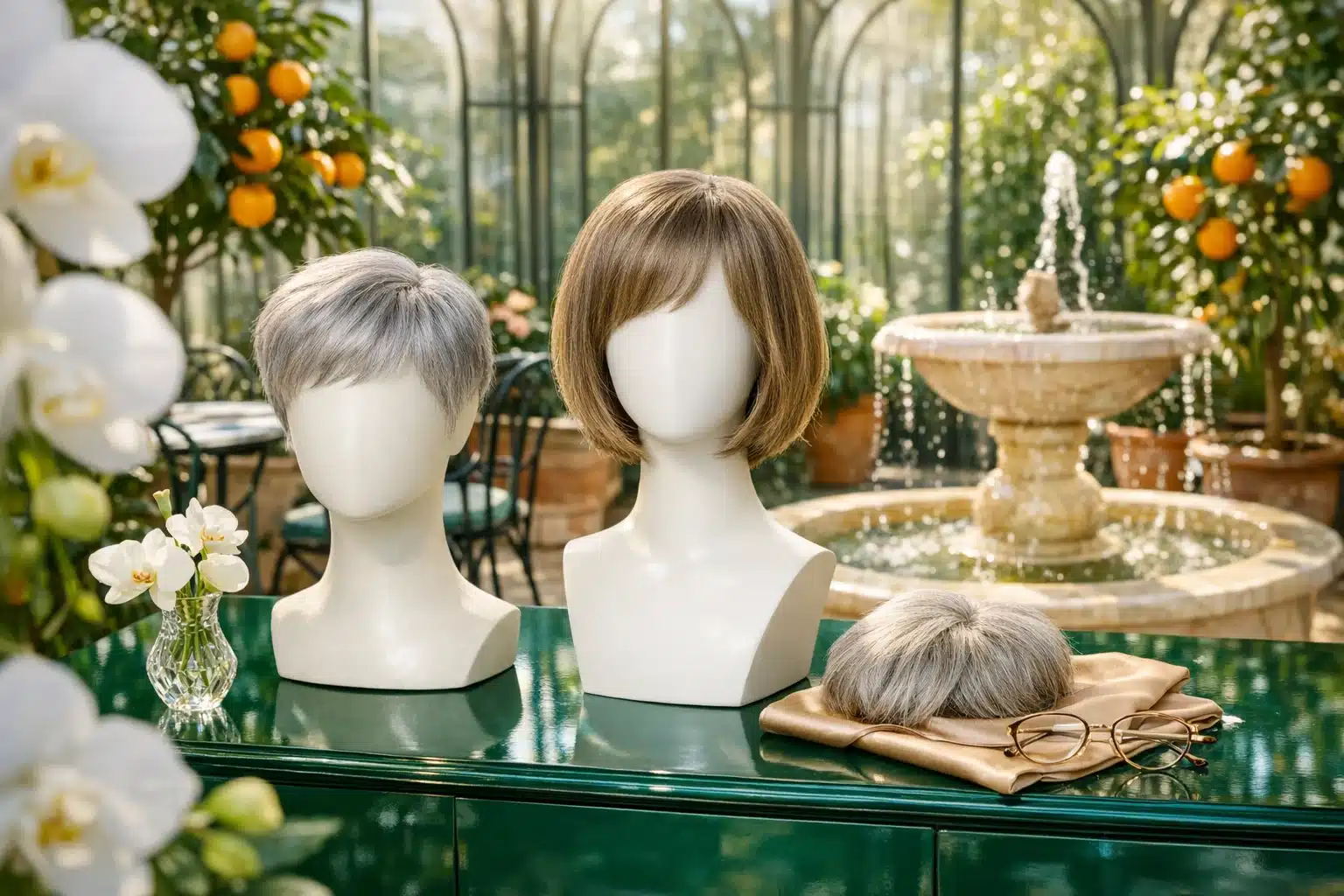
Top-Rated Wigs and Toppers for Senior Women: A Practical Buying Guide
For many senior women, choosing a wig or topper is not about pretending time stood still; it is about feeling comfortable, polished, and in control of daily routines. Hair often becomes finer after menopause, illness, stress, or genetics, and that change can affect confidence more than people admit. A well-chosen hairpiece can restore ease without looking stiff or overly styled. This guide breaks down the options in plain language so you can compare comfort, realism, maintenance, and value before you buy.
1. Article Outline and the Buying Priorities That Matter Most
Before comparing fibers, brands, and price tags, it helps to know what this guide is covering and why those topics matter for senior women in particular. “Top-rated” sounds simple, but strong reviews usually come from products that solve practical problems well. Older shoppers often place comfort ahead of runway drama, and for good reason. A scalp can become more sensitive with age, hands may not enjoy fussy styling, and eyewear or hearing aids can change how a wig feels around the ears. The best hairpiece is often the one that disappears into the day rather than announcing itself the moment you walk into a room.
- How wigs differ by cap construction, fiber, weight, and realism
- How toppers work for crown thinning, diffuse loss, or part-line widening
- Which wig and topper categories tend to earn the best feedback from mature shoppers
- How to match size, color, density, and length to real-life needs
- What to know about care, budget, and common buying mistakes
Hair loss or thinning is common in later life, especially after menopause. Dermatology research often notes that visible female pattern hair loss affects a substantial share of women by midlife, with prevalence increasing with age. That does not mean every senior woman needs a full wig; many need only a topper that adds coverage at the crown or along the part. Others want the simplicity of putting on a short synthetic style and being done in five minutes. There is no single correct solution, which is why comparisons matter more than hype.
Another priority is density. Many top-rated pieces for younger buyers use more hair for a dramatic look, but mature shoppers often prefer light to medium density because it appears believable and feels easier on the head. Color also changes the equation. Soft rooted shades, gray blends, silver highlights, and low-contrast tones can look more natural against aging skin than one flat dark color. Even style shape matters. A gentle bob, layered pixie, chin-length shag, or softly waved crop often lifts the face without demanding constant effort.
Think of this article as a practical fitting room in written form. It begins with how wigs are built, moves into topper selection, then compares the categories and brands that are often reviewed favorably, and ends with care and shopping guidance. If you know what problem you are solving, the market becomes far less intimidating.
2. Understanding Wigs: Cap Construction, Fiber Types, and Everyday Comfort
When a wig receives high marks from older shoppers, the praise usually centers on three things: comfort, realism, and easy upkeep. Those qualities come from how the wig is built. Cap construction is the first place to look. A basic cap, sometimes called an open-wefted cap, is usually the most breathable and budget-friendly option. It allows air to pass through the wefts, which can feel welcome in warm weather or for anyone who dislikes heavy headwear. The trade-off is that it may look slightly fuller and less skin-like at the part than premium constructions.
Monofilament caps are popular because they create a more natural-looking part and scalp effect. Individual fibers are tied into a fine material that lets the part appear more realistic from above. Many senior women appreciate this feature because subtle realism matters more than dramatic styling. A lace front adds another benefit: a softer, less obvious hairline around the face. If you like to sweep hair back or off to the side, a lace front can make the wig look much less “wiggy.” Hand-tied caps are often considered the comfort upgrade. They allow movement, softness, and less bulk, which can help if the scalp is tender or the wig will be worn for long stretches.
Fiber choice matters just as much. Synthetic wigs are often top-rated for convenience. They hold their style after washing, dry faster than human hair, and require less day-to-day effort. Heat-friendly synthetic gives more styling flexibility, but the texture may not last as long as standard premium synthetic if it is frequently heat styled. Human hair offers the most styling freedom and a familiar feel, yet it usually costs more and needs regular blow-drying or setting to look polished. That can be a joy for some women and a chore for others.
- Best for convenience: premium synthetic
- Best for realism at the part: monofilament top
- Best for a natural hairline: lace front
- Best for sensitive scalps: hand-tied construction
- Best for maximum styling flexibility: human hair
A useful rule is to match the wig to your routine, not to an idealized version of yourself. If you want to wash, shake, and wear, a short synthetic monofilament wig may beat a luxurious human hair style every single morning. If you enjoy styling and want the option to curl or straighten, human hair may justify its higher price. Reviews are helpful, but a wig becomes truly top-rated only when its construction fits your habits, climate, and tolerance for maintenance.
3. Understanding Toppers: Coverage, Attachment, and When a Topper Is Better Than a Full Wig
A topper is often the quiet problem-solver of the hair world. It does not replace all of your hair; it adds coverage where you need it most. For senior women with thinning at the crown, a widening part, or reduced volume on top, a topper can feel less dramatic than switching to a full wig. It also allows your own hairline and sides to stay visible, which many women find comforting and natural-looking. That said, a topper works best when there is enough healthy hair to anchor it securely and blend the fibers well.
The first thing to understand is base size. Small toppers cover focused thinning, especially around the part. Medium toppers work well when loss extends across the crown. Larger-base toppers help with more diffuse thinning and can offer impressive coverage without committing to a full wig. Product measurements vary by brand, but shoppers commonly see base sizes ranging from around 3×5 inches for modest part-line support to 8×8 inches or more for broader coverage. The larger the base, the more scalp area is disguised, but the piece can also feel warmer and require more careful blending.
Attachment method matters too. Most toppers use pressure-sensitive clips, which are straightforward but may not suit extremely fragile hair. If clips feel too firm, some women prefer styles with fewer clips, lighter density, or professional alternatives suggested by a salon specialist. The blend line is another deciding factor. A topper must match your own hair color, texture, and movement closely enough that it looks like your hair simply had a better week. Gray blending deserves special attention here. Mixed shades with silver, ash, or soft white strands often outperform one-note colors because natural gray hair rarely grows in a perfectly even tone.
- Choose a small base if thinning is mostly at the part or crown spot
- Choose a medium to large base if the loss spreads across the top
- Choose lighter density for easier blending with finer natural hair
- Choose synthetic for easy maintenance and human hair for styling freedom
So when is a topper the better answer? Usually when the perimeter hair is still strong enough to support clips and when you want volume without covering the entire head. A full wig may be more practical when thinning is advanced, the scalp is visible in several areas, or blending with existing hair has become frustrating. Toppers can be wonderfully discreet, but they are not magic. A top-rated topper is one that matches both the pattern of hair loss and the wearer’s patience for clipping, blending, and styling.
4. Top-Rated Wig and Topper Categories for Senior Women, with Practical Comparisons
Rather than declaring one universal winner, it is more honest to look at the categories that repeatedly earn positive feedback from mature shoppers. The first strong category is the short synthetic wig with a monofilament top or lace front. These styles are widely appreciated because they are easy to maintain, light on the head, and polished right out of the box. A classic pixie, cropped bob, or softly feathered short cut can look fresh without demanding heat tools. Brands such as Raquel Welch, Gabor, Jon Renau, Ellen Wille, and Rene of Paris are often mentioned in shopper reviews and salon conversations because they offer a range of mature-friendly cuts and nuanced color blends.
The second category is the low-density, shoulder-grazing wig with soft layers. This appeals to women who still want movement around the face but do not want an overwhelming amount of hair. Lace-front bobs and gentle shag styles often rate well because they balance realism with style. They can look elegant with glasses, flatter a range of face shapes, and feel current without seeming too youthful or overly set. For women who prefer gray, silver, or rooted shades, these medium-length styles often show dimension beautifully.
On the premium end, hand-tied wigs earn strong praise from women who wear a piece daily, especially those with scalp tenderness or a desire for the most natural movement. These tend to cost more, but the softness and flexibility can make the difference between tolerating a wig and forgetting it is there. Human hair wigs also sit in this premium tier, although they are best suited to buyers who truly want styling freedom and understand the upkeep involved.
Toppers have their own top-rated categories. Part-line volumizers are popular for early thinning because they are light, discreet, and easier to blend. Medium-coverage monofilament toppers work well for broader crown loss and often look polished with minimal effort. Larger-base toppers are often the preferred middle ground for women not ready for a full wig but needing more than a tiny boost. Lines commonly praised by experienced shoppers include parting toppers and larger coverage toppers from established brands such as Jon Renau, Raquel Welch, and Ellen Wille, though the best choice still depends on your hair pattern and color match.
- Best low-maintenance choice: short premium synthetic wig
- Best balance of realism and ease: lace-front or monofilament bob
- Best premium comfort: hand-tied wig
- Best for early crown thinning: small part-line topper
- Best for diffuse thinning: larger-base topper with realistic scalp effect
If there is one theme linking top-rated options, it is restraint. Mature shoppers tend to prefer believable density, dimensional color, and shapes that move naturally. The winning piece is rarely the flashiest one on the mannequin; it is the one that fits your life quietly and well.
5. Sizing, Color Matching, Care, Budget, and the Mistakes Worth Avoiding
Even a beautifully made wig can disappoint if the size is wrong. Most shoppers begin with head measurements, especially circumference, front hairline to nape, and ear-to-ear across the top. Brand sizing can vary, so checking each maker’s chart matters. Many senior women fall into the average size range, but petite and large options are absolutely worth seeking if standard caps feel loose, tight, or unstable. If you wear glasses or hearing aids, pay attention to ear tab comfort and side coverage. A cap that pinches near the temple may become irritating surprisingly quickly.
Color matching is where many otherwise sensible purchases go off track. Indoor lighting flatters almost nothing, so evaluate shades near a window if possible. Rooted colors, blended highlights, and soft gray mixtures usually look more natural than a single flat tone, especially on mature skin. If your own brows and complexion have softened over time, a slightly lighter shade can often feel gentler than the very dark hair you may have worn years ago. For topper buyers, the match must be especially careful because your own hair remains visible around the piece.
Budget is another practical concern. Prices vary by retailer and construction, but basic synthetic wigs often start in the lower hundreds, while monofilament or lace-front options commonly rise into the mid-range. Hand-tied and human hair wigs can move well beyond that, sometimes exceeding a thousand dollars. Toppers follow a similar pattern, with smaller synthetic pieces often more accessible and large-base human hair toppers reaching premium pricing. Expensive does not automatically mean better for you. A modestly priced synthetic wig that looks natural and feels easy may deliver more real value than a luxury piece that sits in a box because it feels demanding.
Care habits affect lifespan. Synthetic wigs usually need gentle washing after several wears, followed by air drying on a stand. Human hair requires more traditional hair care and usually more styling effort after washing. Toppers should be brushed carefully, stored neatly, and clipped on with patience rather than force.
- Do not buy the darkest shade first just because it matches an old photo
- Do not ignore return policies, especially when shopping online
- Do not choose very high density if your natural look is fine or thinning
- Do not assume a topper will work if the anchor hair is too fragile
- Do not judge a piece in the box before trying basic styling and fit adjustments
The smartest shoppers pause before buying and ask three questions: Will this feel comfortable by lunchtime, can I maintain it without resentment, and does it resemble the version of me I actually want to see? Those answers matter more than marketing language ever will.
Conclusion for Senior Women Choosing Wigs and Toppers
For senior women, the right wig or topper is rarely the boldest or most expensive option. It is the piece that respects comfort, matches everyday habits, and restores confidence without creating a new chore. If your hair is thinning mainly on top, a topper may give you exactly the lift and coverage you need. If blending has become frustrating or overall loss is more advanced, a lightweight wig with realistic construction can be the simpler path.
Try to shop with calm expectations and a clear sense of your routine. Prioritize soft cap design, natural density, flattering color blends, and a style you can manage with ease. Reading reviews helps, but your own needs should have the final vote. When the fit is right, the color is believable, and the upkeep feels reasonable, a good hairpiece does more than change appearance; it can make the whole day feel a little lighter.