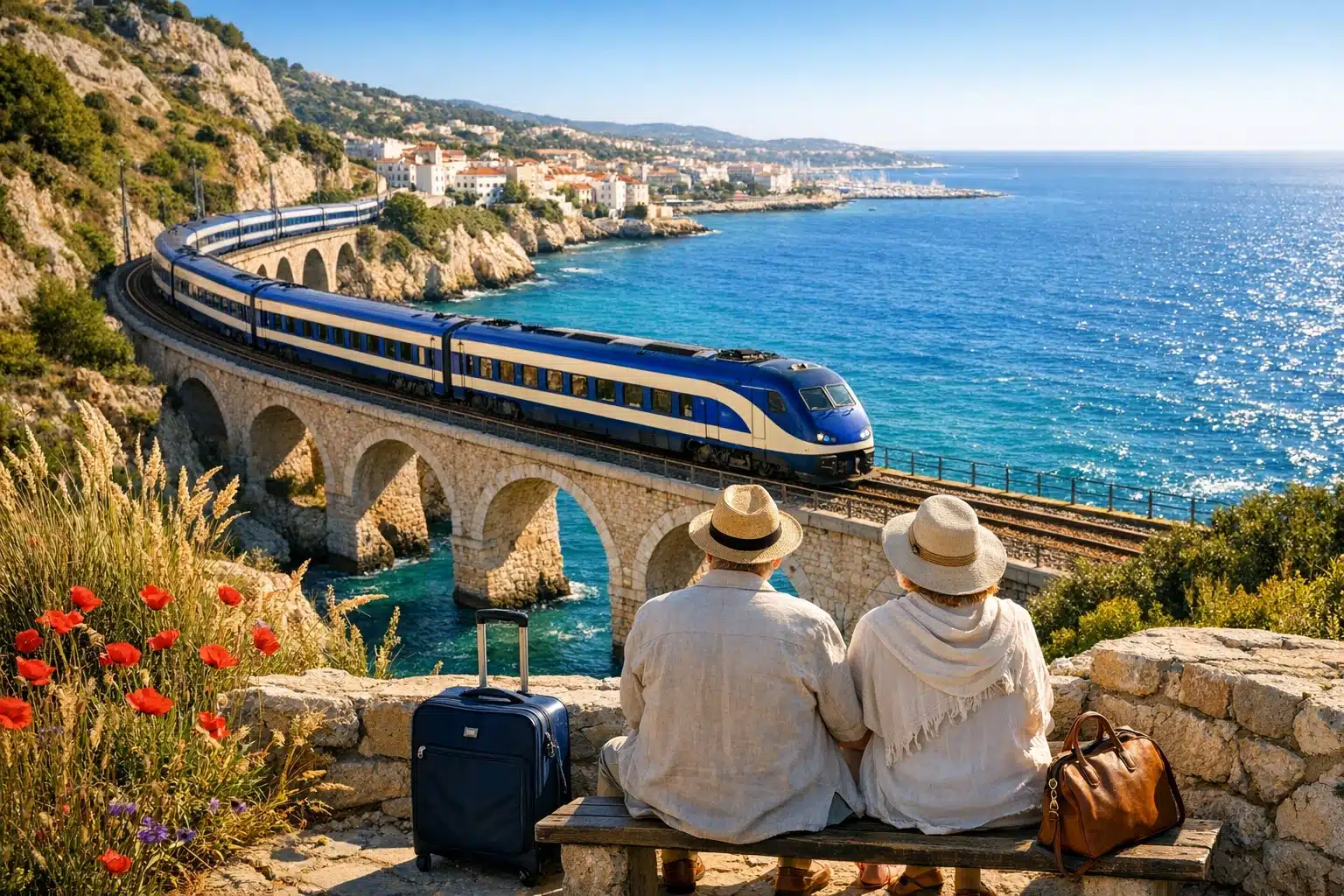
Train Trips for Older Seniors: Comfort, Planning, and Travel Tips
For many older seniors, travel is no longer about racing through an itinerary; it is about choosing a pace that feels gentle, practical, and worth remembering. A train trip can offer that balance by reducing the strain of long drives and the rigid choreography of airport routines. With wide views, easier movement, and stations that often place travelers near the heart of a city, rail travel remains highly relevant for later-life adventures. This guide explains how to plan wisely, stay comfortable, and enjoy the journey with fewer surprises.
Outline: The article begins by explaining why rail travel suits older seniors, then moves into booking strategies, station preparation, and support services. It next explores comfort on board, including seating, meals, rest, and energy management. The final sections compare route styles, costs, and safety considerations before closing with practical advice designed for travelers in later life.
Why Train Travel Often Fits the Needs of Older Seniors
Train travel has a special kind of logic for older seniors because it removes several of the friction points that make other forms of travel tiring. Driving long distances can become stressful when traffic is heavy, weather shifts quickly, or night vision is no longer what it once was. Flying, while sometimes faster on paper, often demands early arrivals, long security lines, gate changes, and a level of hurry that can turn a holiday into a test of stamina. By contrast, rail travel tends to reward patience rather than speed. The platform replaces the crowded highway, and the window becomes part of the experience rather than a barrier between one task and the next.
One major advantage is freedom of movement. On many trains, passengers can stand up, stretch, visit the café car, or walk a short distance without waiting for a stop. That matters for older adults who may feel stiff after sitting too long. Even a few minutes of gentle movement can make a long trip feel more manageable. Many rail stations are also located closer to town centers than airports, which can reduce the number of transfers needed at the start or end of the trip. Fewer handoffs often mean less confusion, less lifting, and less fatigue.
There is also an emotional benefit that should not be dismissed. Travel in later life is often about savoring rather than collecting. A train allows that slower pleasure. Fields, rivers, neighborhoods, and old industrial yards pass by like pages in a moving book. The pace invites conversation, quiet reading, or simple observation. For some travelers, that is not a side benefit; it is the entire point.
Compared with other options, trains offer a middle path:
– More space to move than most flights
– Less physical strain than long hours behind the wheel
– Better opportunities to enjoy scenery during the journey
– Simpler routines for travelers who value predictability
Of course, train travel is not perfect. Delays happen, some stations are large and busy, and not every route offers premium comfort. Yet for older seniors who want a calmer rhythm and fewer physically draining moments, the advantages are often substantial. Rail travel turns transportation into part of the holiday itself, and that is a powerful reason it continues to appeal across generations.
Planning Ahead: Tickets, Timing, Seats, and Station Support
Good train travel begins long before the first whistle or departure board. For older seniors, planning ahead is not about overcomplicating the trip; it is about removing unnecessary pressure. A little preparation can prevent the most common problems, such as rushing through a station, lifting too much baggage, or discovering too late that a connection is tighter than expected. Thoughtful choices at the booking stage often shape the entire experience.
The first decision is route design. Direct trains are usually easier than itineraries with multiple changes, even if the journey takes a bit longer. A nonstop route can save energy, reduce the chance of missed connections, and limit the need to move quickly between platforms. When a transfer is unavoidable, it helps to choose one with a comfortable buffer rather than the shortest possible layover. Ten extra minutes on a screen may not look dramatic, but in a real station it can mean the difference between a calm walk and an anxious scramble.
Seat selection matters more than many people expect. If possible, choose seats near the door, near restrooms without being directly beside them, or on a lower level if the train has multiple floors. Window seats are often wonderful for scenery, but aisle seats can be more practical for travelers who need to get up regularly. On longer routes, a quieter carriage may be worth prioritizing over a bargain fare. If a train operator offers accessible seating, luggage assistance, wheelchair ramps, or boarding help, it is wise to request those services early because availability can be limited.
A practical planning checklist might include:
– Book direct routes when possible
– Check platform change policies and station maps
– Pack one main bag you can manage without strain
– Keep medications, documents, glasses, and a phone charger in a small day bag
– Confirm whether senior discounts, railcards, or companion fares apply
Timing is another overlooked factor. Mid-morning departures can be easier than very early starts, especially for travelers who take time to get ready or manage morning medication routines. Daylight arrivals may also feel more comfortable in unfamiliar places. It is smart to arrive at the station earlier than a younger traveler might, not because delay is inevitable, but because extra minutes create calm.
Finally, if mobility, hearing, or vision limitations are part of the picture, contacting the rail company in advance is often worth the effort. Many operators provide assistance services, though the details vary by country and route. Asking questions early can transform the trip from uncertain to manageable. Planning, in this case, is not fussiness. It is a quiet form of independence.
Comfort on Board: Managing Mobility, Rest, Meals, and Energy
Once the journey begins, comfort becomes the real measure of whether a train trip works well for older seniors. The ticket gets a traveler onto the train, but the on-board experience determines whether the day feels easy, draining, or unexpectedly delightful. Comfort is not only about luxury. It is about how well the journey matches the traveler’s body, habits, and energy level.
Seating is the first element to get right. Some seniors prefer a firm upright seat with a table nearby for reading, card games, or lunch. Others value extra legroom above all else. On longer routes, first class or business class can sometimes be worth the extra cost if it provides quieter cars, fewer passengers, wider seats, or at-seat service. That does not mean premium travel is always necessary; standard class can be perfectly comfortable on many routes. The key is matching the seat type to the length of the journey and the traveler’s needs rather than buying by habit.
Mobility needs deserve special attention. Standing and walking periodically may help prevent stiffness during a long ride. Supportive shoes are a better choice than stylish but slippery ones, especially when train cars sway slightly. Some older travelers like to bring a small cushion, a lightweight shawl, or a compact lumbar support pillow. These are simple items, yet they can make several hours on board feel far less tiring. For overnight travel, sleeper compartments or couchettes may offer privacy and rest, but they vary widely in layout and ease of access, so reviewing photos before booking is helpful.
Food and hydration are equally important. Some trains have café cars, trolley service, or station food options during stops, while others offer very little beyond vending machines. It is wise to carry water, light snacks, and anything needed for dietary restrictions. Travelers managing blood sugar, digestive sensitivity, or medication schedules often do best when meals are predictable rather than improvised.
Useful comfort habits include:
– Stretch gently every hour or two if practical
– Keep essential items within easy reach
– Dress in layers because train temperatures can change
– Use a neck pillow or eye mask if rest matters more than scenery
Energy management is often the hidden skill behind a successful trip. A packed sightseeing schedule immediately after arrival may sound efficient, but it can erase the advantages of comfortable travel. Many older seniors enjoy the journey more when the first day is intentionally light: a short walk, an easy dinner, and an early night. A train can carry a person from one city to another, but it should not carry away all the energy needed to enjoy the destination. When comfort is approached thoughtfully, rail travel becomes less about endurance and more about ease.
Choosing the Right Route: Comparing Scenic Value, Cost, Convenience, and Safety
Not all train trips offer the same experience, and older seniors usually benefit from choosing a route style that matches the purpose of the journey. A short regional ride through attractive countryside feels very different from a cross-country itinerary with multiple transfers, and both differ again from an overnight sleeper. The best option depends on what matters most: scenery, simplicity, savings, or time. Knowing those trade-offs in advance can prevent disappointment.
Scenic routes are often the most memorable. Coastal lines, mountain railways, river corridors, and classic countryside services can turn a routine transfer into the highlight of the trip. These routes usually work best when taken during daylight and in a season with stable weather. A beautiful landscape loses some of its magic when hidden by darkness or heavy rain. For travelers who enjoy conversation, books, or quiet observation, scenic rail has a rare charm. It invites attention without demanding effort.
Budget also matters, especially for longer itineraries. Rail fares can vary widely depending on country, season, cabin type, booking window, and flexibility. Advance tickets are often cheaper, but they may be less changeable if plans shift. Flexible fares cost more, yet they can be valuable for seniors who want breathing room around health appointments, family events, or uncertain energy levels. Senior discounts are available on many networks, though the rules are not universal. It is sensible to compare:
– Standard versus premium seating
– Direct services versus cheaper routes with changes
– Day trains versus overnight cabins
– Advance purchase savings versus flexible tickets
Safety is another key part of route choice. Train travel is generally straightforward, but large stations can be tiring and occasionally confusing. Travelers should keep valuables close, avoid leaving bags unattended, and remain alert in crowded waiting areas. A printed itinerary can be useful if phone batteries run low or mobile signals fail. If traveling alone, it may help to share the route and arrival time with a family member or friend. Simple habits create a safer experience without turning the trip into a source of worry.
Compared with driving, trains reduce the burden of navigation, parking, and road fatigue. Compared with flying, they often offer a smoother sequence of events and less emphasis on rushing. Their main drawback is that delays and track changes can disrupt plans, especially on complex routes. For that reason, the most senior-friendly rail journey is often not the cheapest or fastest one. It is the one with the best balance of ease, visibility, comfort, and resilience when plans change.
Conclusion: Practical Advice for Older Seniors Who Want a More Enjoyable Journey
For older seniors, train travel can be more than a convenient way to get from one destination to another. It can be a form of travel that respects changing priorities: comfort over haste, clarity over chaos, and enjoyment over sheer efficiency. That does not mean every rail trip will be effortless. It does mean that with sensible planning, the challenges are often easier to manage than the demands of airports or long road journeys.
The strongest strategy is to think in layers. First, choose a route that suits your energy level instead of admiring an ambitious itinerary that may prove exhausting in practice. Second, book the journey around your real needs, whether that means direct trains, extra luggage space, a more accessible seat, or help at the station. Third, protect your comfort on board with simple routines: drink water, keep essentials nearby, stand up occasionally, and avoid overloading the first day after arrival. None of these decisions is dramatic. Together, they shape the difference between a pleasant memory and a tiring obligation.
It also helps to travel with self-awareness rather than nostalgia. Many people remember earlier decades of travel and assume they should move in the same way now. Yet smart travel in later life is not about proving anything. It is about adapting wisely. A midday departure may be better than dawn. One carefully chosen bag may be better than two awkward ones. A slower route with one seat and one view may be better than the technically faster option with multiple stressful changes.
If you are considering a rail holiday, start small if needed. Try a day trip, a short intercity route, or one scenic journey with a comfortable overnight stay. Learn what feels easy, what feels tiring, and what you would change next time. Confidence often grows through experience rather than research alone. Soon the sound of a rolling train, the rhythm of the tracks, and the steady opening of the landscape may feel less like logistics and more like freedom.
For older seniors especially, the finest trip is rarely the one that covers the most ground. It is the one that leaves enough strength to enjoy the places, people, meals, and moments along the way. In that sense, train travel remains a remarkably good companion for later-life exploration: steady, observant, and quietly generous with time.