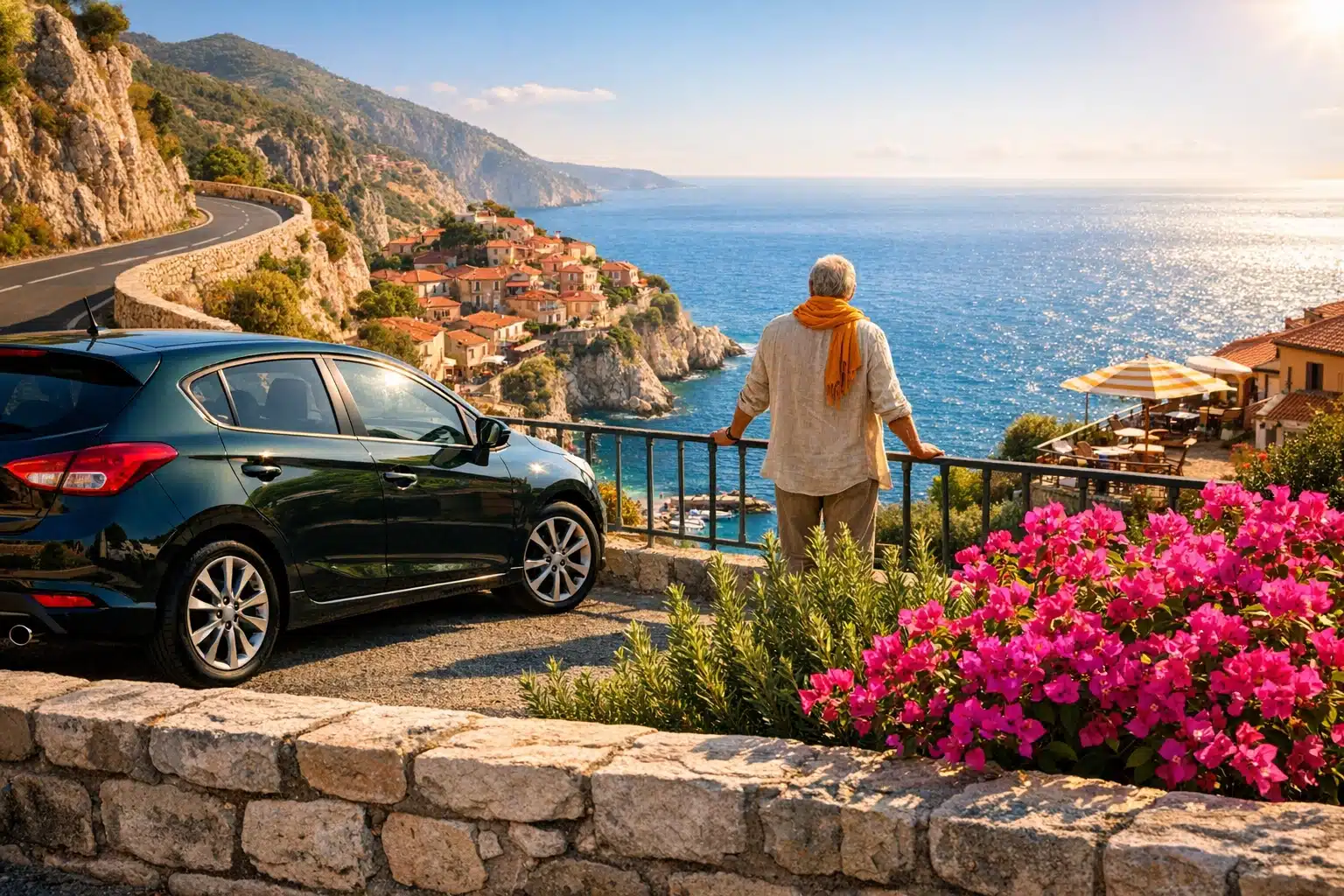
Travel Options for Older Solo Explorers
For many older adults, solo travel is less about proving independence and more about using it wisely. The right transport choice can lower stress, protect energy, and turn a complicated itinerary into a trip that feels spacious rather than tiring. That is why travel options matter so much in later-life journeys: when comfort, safety, flexibility, and budget are balanced well, traveling alone becomes not a risk to manage but a freedom to enjoy.
Outline
This article begins with the practical questions that shape a good solo trip, then moves through the main transport choices available to older travelers. It compares independent options such as rail, flights, cruising, coach travel, and driving, before looking at guided and semi-guided formats that offer support without removing personal freedom. The final parts focus on cost, insurance, booking strategy, safety, health, and a realistic conclusion for travelers who want confidence more than speed.
- How to match travel style with stamina, budget, and personal preferences
- Comparing trains, planes, coaches, cruises, and road trips
- When guided tours and hybrid itineraries make sense
- Budgeting, insurance, accessibility, and timing
- Safety, health, and a practical conclusion for older solo explorers
1. Start with the Traveler, Not the Destination
The most useful way to choose a travel option is to begin with personal capacity rather than a map. Many solo travelers in their sixties, seventies, and beyond are energetic and experienced, but even seasoned explorers often notice that the mechanics of travel feel different over time. A route with four short flights, two late check-ins, and a staircase-heavy guesthouse may look efficient on paper, yet feel exhausting in real life. By contrast, a slower journey with fewer transfers can create more room for enjoyment, rest, and spontaneous discovery.
Older solo explorers often benefit from thinking in terms of “travel load.” This means looking not only at distance, but also at how much physical and mental effort a trip demands. Lifting bags onto trains, finding unfamiliar bus stops after dark, navigating airports with long walks, or changing hotels every night can all add up. The goal is not to avoid challenge entirely; it is to choose the kind of challenge that still leaves energy for museums, landscapes, meals, conversation, and the ordinary pleasures of being somewhere new.
A helpful rule is to match the transport method to the rhythm of the trip. A city break may work well with direct flights and one central hotel. A scenic regional journey often suits rail travel, where stations are usually closer to town centers than airports. Remote areas may call for a car, but only if the driver is comfortable with local traffic rules, signage, and parking. Cruises and escorted tours can remove logistical strain, yet they may feel too structured for travelers who value long afternoons alone with a notebook and a café table.
Before booking, it helps to ask a few practical questions:
- How many times will I need to lift my luggage in a typical travel day?
- What happens if a connection is missed or delayed?
- Will I have easy access to food, bathrooms, and seating during transit?
- How much walking, stair climbing, or standing is built into this route?
- Do I prefer social contact built into the trip, or long stretches of quiet independence?
These questions may sound simple, but they often reveal whether a plan is realistic. The most satisfying solo journeys are rarely the ones that squeeze in the greatest number of stops. They are the ones that leave enough energy to notice details: the hush of a platform before departure, the kindness of a hotel clerk who remembers your name, the pleasure of arriving in a new place without feeling worn out before the real trip even begins. Good travel options do not merely move a person from one location to another; they protect the traveler’s attention, confidence, and sense of ease.
2. Comparing the Main Travel Options: Rail, Air, Coach, Cruise, and Car
Each major travel mode offers a different mix of comfort, convenience, cost, and independence, and there is no universal winner. For older solo travelers, the best choice often depends on how much control they want over time, how tolerant they are of waiting and transfers, and whether the journey itself is part of the pleasure.
Rail travel is often one of the strongest options for solo explorers who value ease and scenery. Trains usually offer more legroom than economy flights, fewer baggage restrictions, and the simple pleasure of stepping on in one city center and stepping off in another. On many routes, especially in Europe and parts of Asia, rail can reduce the hassle of airport transfers, security lines, and tight baggage rules. It also allows movement during the journey, which can be helpful on longer days. The drawbacks are worth noting: some stations have stairs, platform changes can be quick, and complex national booking systems are not always user-friendly. Even so, for many older travelers, rail strikes a rare balance between independence and comfort.
Air travel remains the fastest way to cover long distances and may be essential for international trips or far-flung domestic routes. A direct flight can be far easier than a lengthy overland itinerary, especially when time matters. Airlines commonly provide wheelchair assistance, early boarding in some circumstances, and other support services when requested in advance. The challenge is that air travel often compresses many stress points into one day: security screening, long terminal walks, delays, gate changes, and baggage claim. Budget airlines can also look cheap until seat selection, luggage, food, and airport transfer costs are added. For solo travelers, one direct daytime flight is frequently worth paying more for than a low-fare itinerary with multiple connections.
Coach and long-distance bus travel can be economical and straightforward, particularly where rail networks are limited. Modern coaches may offer reserved seats, air conditioning, onboard restrooms, and simple point-to-point routes. Still, comfort varies widely by operator and country. Buses can be tiring on long stretches, and stops may be less central than rail stations. For older solo travelers, coach travel often works best for shorter intercity segments rather than full-day marathons.
Cruises and river cruises appeal to travelers who want unpack-once convenience. Meals, accommodation, and transport are bundled, and organized shore options reduce planning effort. River cruising, in particular, can suit those who like cultural sightseeing without constant hotel changes. Ocean cruises may offer broader itineraries, though ports can be crowded and solo supplements sometimes increase the price. Cruises also vary in how independent they feel; some travelers love the effortless structure, while others find it overly scheduled.
Car travel offers unmatched flexibility, especially in rural areas, national parks, and small towns. It lets the traveler stop when needed, set a personal pace, and reach places not served well by public transport. Yet driving alone also means handling navigation, parking, fuel stops, unfamiliar road rules, and fatigue without a companion. For some, a short scenic road trip is liberating. For others, the hidden workload makes it less restful than expected.
A simple comparison helps:
- Choose rail for scenic comfort and city-to-city simplicity.
- Choose direct flights for long distances and time-sensitive trips.
- Choose coach travel for budget-conscious shorter routes.
- Choose cruises for low-effort logistics and built-in services.
- Choose a car for flexible travel in remote or rural regions.
The best solo journeys often combine these modes. A traveler might fly to a region, continue by train, join a short guided excursion, and use local taxis for the final mile. Smart travel is rarely about loyalty to one format. It is about building a route that fits the body, the budget, and the mood of the traveler actually taking the trip.
3. Guided Tours, Hybrid Itineraries, and Social Travel Without Losing Independence
Not every solo journey needs to be entirely self-managed. In fact, one of the most practical travel options for older solo explorers is the hybrid trip: a journey that mixes personal freedom with selective support. This approach works especially well for travelers who enjoy making their own choices but would rather avoid the most tiring logistics, such as airport transfers, language-heavy train changes, or navigating a new destination late at night.
Small-group tours are a strong example. Unlike large coach tours built around speed and rigid schedules, smaller groups often move at a more humane pace and allow better access to guides, local experiences, and flexible downtime. They can be particularly appealing for solo travelers who want company at meals or on excursions without feeling locked into constant socializing. Many tour operators now design itineraries around cultural immersion, food, history, walking, gardens, photography, or soft adventure rather than a one-size-fits-all bus circuit. That variety matters, because older travelers are not a single category. Some want archaeology and expert lectures; others want easy coastal scenery and reliable hotel elevators.
Day tours and short local excursions are another excellent middle ground. A traveler can book their own flight and accommodation, then add guided elements once on the ground. This keeps the core of the trip independent while removing stress from specific activities. A solo traveler in Lisbon, for example, might stay in one central hotel for five nights, take a guided day trip to Sintra, and spend the remaining days exploring at a personal pace. This model offers structure where it is helpful and freedom where it is enjoyable.
Rail holidays and escorted transport packages can also work well. These often include reserved seats, baggage handling between hotels, and pre-arranged transfers. For travelers who love the romance of trains but dislike wrestling luggage across platforms, that support can transform the experience. Likewise, river cruises and small-ship voyages provide a social environment with relatively low logistical effort, which is useful for those who want connection without the challenge of planning every detail from scratch.
There are, however, trade-offs to weigh carefully:
- Many tours charge a single supplement, which can significantly raise the cost.
- Some itineraries include early starts and long walking days, so reading the fine print matters.
- Group chemistry can affect enjoyment, especially on longer trips.
- Free time may be more limited than brochures suggest.
When considering organized options, it helps to examine three things: pace, inclusions, and autonomy. Ask how often hotels change, whether porterage is included, how much walking is expected, and how much time is genuinely free. The best guided formats do not replace independence; they protect it by removing the parts of travel that feel like work. For older solo explorers, that can mean the difference between merely reaching a destination and actually enjoying it.
4. Budget, Insurance, Booking Strategy, and Comfort Planning
Travel choices are rarely shaped by preference alone. Cost, insurance rules, and booking logistics have enormous influence, especially for older solo travelers who are paying the full bill themselves and do not have a companion to share rooms, taxis, or private transfers. A trip that looks affordable at first glance can become surprisingly expensive once single supplements, baggage fees, airport hotels, and travel insurance are added. That does not mean solo travel is impractical; it means the planning needs to be more deliberate.
One of the smartest strategies is to think in terms of total trip cost rather than ticket price. A low-fare flight to a distant airport may require a costly taxi, an overnight stay, and extra luggage fees. A slightly more expensive train or direct flight may actually cost less overall once hidden expenses are counted. The same logic applies to accommodation. A centrally located hotel near public transport often saves money and energy compared with a cheaper place on the outskirts that requires daily rides and long walks.
Shoulder season travel is often especially useful for older solo explorers. Traveling just before or after peak season can mean lower prices, lighter crowds, and more comfortable temperatures. That can improve both budget and physical ease. Summer heat, crowded stations, and long attraction queues can turn an otherwise enjoyable solo trip into a draining one. Spring and early autumn often offer a better balance.
Insurance deserves close attention. Many insurers increase premiums with age, and policies can vary sharply when pre-existing conditions are involved. A cheaper policy is not necessarily the better choice if it excludes important medical coverage, trip interruption, or emergency evacuation. Reading the policy wording matters. So does declaring health conditions accurately. It may feel tedious, but it is far less tedious than discovering a gap in coverage during a crisis.
A practical booking plan often includes the following:
- Prioritize direct routes when possible, even if they cost more upfront.
- Book seats, accessible rooms, and assistance services early.
- Check cancellation terms before paying nonrefundable deposits.
- Build at least one buffer day into long or international trips.
- Keep digital and paper copies of passports, prescriptions, and insurance details.
Comfort planning matters just as much as money planning. That means choosing hotels with lifts when needed, confirming whether showers are walk-in or over-bath, checking how far the property is from the station, and understanding whether a “short walk” in a listing actually includes steep hills or cobblestones. Small details become big details when no travel companion is available to troubleshoot them on the spot.
There is also a strong case for slower travel. Staying five or seven nights in one place can reduce transport costs, lower fatigue, and create a deeper sense of familiarity. The neighborhood bakery starts to recognize you, the route back to the hotel becomes second nature, and the city feels less like a puzzle and more like a temporary home. For older solo travelers, that kind of steadiness is not a compromise. Very often, it is the upgrade.
5. Safety, Health, and Conclusion: Traveling Confidently at Your Own Pace
Safety for older solo travelers is often discussed in dramatic terms, but the most effective precautions are usually ordinary, calm, and repeatable. The aim is not to travel fearfully. It is to create a routine that reduces avoidable problems and makes it easier to respond when something unexpected happens. Good habits matter more than constant worry.
Health planning is a central part of that routine. Carrying enough prescription medication for the full trip, plus a small extra supply in case of delays, is one of the simplest and most valuable steps. Medicines should remain in original packaging where possible, and a list of generic drug names can be helpful if replacements are needed abroad. It is also wise to pace days realistically. The temptation to do too much can be strong when traveling alone, yet fatigue often makes travelers less alert, less patient, and more vulnerable to small mistakes. A well-timed rest is not lost time; it is maintenance for the rest of the journey.
Digital tools can support solo travel, but they should be used sensibly. Offline maps, translation apps, ride-hailing services where available, and hotel check-in messages all make movement easier. At the same time, relying entirely on a phone is risky if the battery dies or the connection fails. A printed address card for the hotel, a written emergency contact, and a basic paper itinerary still have real value. The old methods are not obsolete; they are reliable backups.
Everyday safety habits are straightforward:
- Arrive in unfamiliar places during daylight when possible.
- Use bags that close securely and keep valuables distributed, not concentrated in one wallet.
- Share itinerary details with a family member or trusted friend.
- Be cautious with alcohol when alone in unfamiliar settings.
- Trust discomfort early; changing a plan is often the smartest decision.
It also helps to choose travel options that make assistance easy to find. Stations with staffed information desks, reputable hotels, licensed taxis, and organized transfer services can all reduce uncertainty. Many older solo explorers discover that confidence does not come from traveling in the boldest possible way. It comes from building a trip where support is available without being intrusive.
Conclusion: for older adults traveling alone, the best option is rarely the fastest, cheapest, or trendiest one. It is the one that protects energy, matches personal interests, and leaves room for pleasure instead of constant problem-solving. Some travelers will thrive on scenic rail journeys, others on direct flights with comfortable city stays, and others on river cruises or small-group tours that simplify the moving parts. The common thread is not age, but fit. If you choose routes with care, plan for comfort as seriously as you plan for sights, and allow yourself a generous pace, solo travel can remain not only possible but deeply satisfying. The world does not become smaller with age; in many ways, it becomes easier to appreciate when you travel through it on terms that truly suit you.