Trending Handbag Styles to Watch This Season
Handbags do more than finish an outfit; they influence how clothing looks, how a day unfolds, and how personal style is read at a glance. That makes seasonal bag trends worth watching, especially now that fashion is leaning toward pieces that blend polish with utility. Instead of one runaway favorite, current collections highlight several strong directions, from slim shoulder bags to suede carryalls and relaxed hobos. A little trend awareness can help shoppers choose better, spend smarter, and build outfits that feel current without becoming costume.
Outline
- How silhouette is shaping the newest handbag trends
- Why soft, slouchy bags are back in everyday wardrobes
- The materials and finishes drawing the most attention now
- How practical handbags are becoming more stylish and versatile
- What shoppers should consider before buying into any trend
The Silhouettes Defining the Season
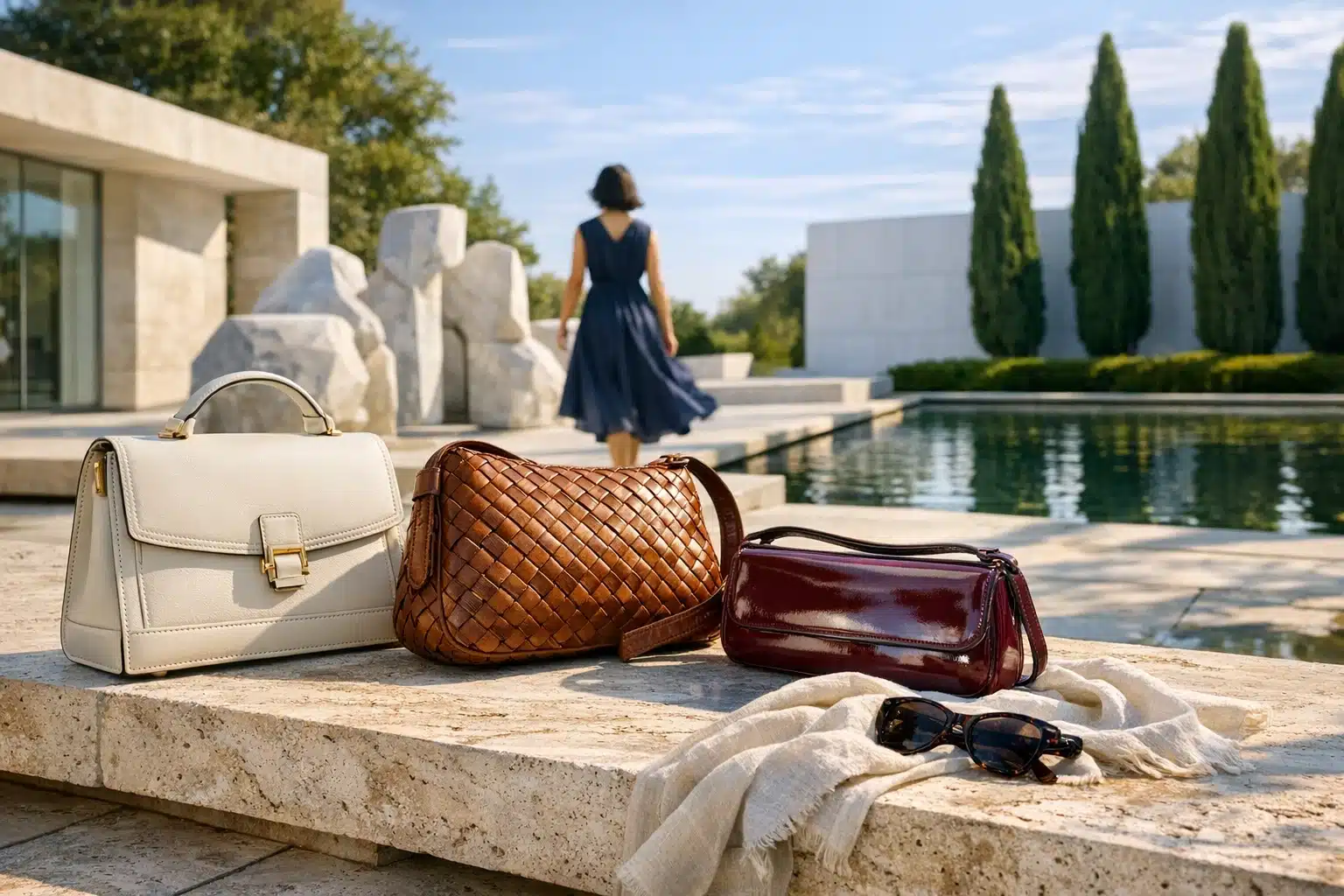
If one idea ties together many of the strongest handbag trends this season, it is shape. The silhouette of a bag now carries as much visual weight as its color or hardware, and that shift helps explain why some familiar designs suddenly feel new again. Elongated east-west bags, narrow baguette-inspired shoulder styles, compact top-handle shapes, and clean rectangular satchels are all gaining attention because they change the line of an outfit. A long, slim bag tucked under the arm creates a crisp horizontal effect, while a structured top-handle bag adds a more upright, composed note. In other words, a handbag is no longer only storage; it is geometry in motion.
The east-west style is especially notable. Unlike a bucket bag or boxy crossbody, an east-west bag stretches across the body visually, often appearing sleek and refined even when it is not large. This silhouette connects naturally with the continued interest in 1990s and early-2000s dressing, but it looks current because materials and proportions have been updated. Newer versions usually feature cleaner seams, subtler branding, and slightly roomier depths so they can fit modern essentials more comfortably. That matters because a trend survives longer when it solves a practical problem. A bag that photographs beautifully but cannot hold a phone, keys, cards, and a small cosmetic pouch tends to remain a novelty rather than becoming part of daily rotation.
Structured top-handle bags are another important direction. They offer a more formal alternative to slouchier styles and work particularly well for office wear, dinners, and smart casual outfits. Compared with very soft bags, they hold their shape better, create a more polished impression, and often make simple clothing look more intentional. The trade-off is flexibility: they are less forgiving when overfilled and may feel less casual on highly relaxed days.
When comparing the leading silhouettes, shoppers should pay attention to a few details:
- Depth: slim bags look elegant, but extra depth improves usability
- Opening: top zips and magnetic flaps affect access during busy days
- Strap drop: a short strap creates a sharp under-arm fit, while a longer one softens the look
- Base structure: reinforced bottoms help a bag keep its shape over time
The reason silhouettes matter so much this season is simple: clothing is currently moving between tailored minimalism and relaxed ease, and handbags are acting like a bridge between the two. A slim shoulder bag can sharpen jeans and a knit, while a structured satchel can discipline a flowing dress without making it feel stiff. That versatility is why silhouette-led trends have such staying power. They do not rely on novelty alone; they change how an entire outfit is read in a single glance.
Soft Shoulder Bags and the Return of Relaxed Ease
Not every trending handbag this season is crisp, architectural, or sharply outlined. In fact, one of the strongest counterpoints to structured styles is the return of soft shoulder bags, hobo shapes, and crescent silhouettes. These bags bring movement into an outfit. They fold, drape, and settle against the body rather than standing apart from it. That quality makes them feel approachable, easy, and modern in a quieter way. If the structured satchel says precision, the slouchy shoulder bag says confidence without effort.
The appeal is partly emotional. Fashion often swings between formality and comfort, and right now many wardrobes are still responding to the desire for clothes and accessories that feel lived in rather than overly arranged. A soft bag fits that mood perfectly. It works with oversized blazers, loose denim, fluid trousers, long skirts, and knitwear because it does not interrupt the line of the outfit too aggressively. Instead, it echoes softness already present in the clothing. This is why hobo bags and crescent bags are showing up so often in street style, retail edits, and contemporary collections: they align with the wider preference for pieces that look refined but not rigid.
There are also strong practical reasons behind the trend. Soft bags tend to be lighter than heavily reinforced styles, and they often hold awkwardly shaped daily items more comfortably. Sunglasses cases, water bottles, chargers, notebooks, and cosmetic pouches usually fit better into a flexible interior than into a heavily compartmentalized mini bag. The downside, of course, is organization. A very soft bag can become a kind of elegant black hole, where lip balm and earbuds disappear into the corners. That means details such as interior zip pockets, contrast linings, and wider openings become more important when evaluating quality.
Among the soft silhouettes, a few versions stand out:
- Classic hobo bags with a curved top and roomy center
- Half-moon or crescent bags that feel slightly neater and more sculpted
- Slouchy shoulder totes that blur the line between handbag and carryall
- Supple drawstring bags that add texture and volume without bulk
Compared with east-west bags, soft shoulder styles usually read more casual and relaxed. Compared with oversized totes, they feel more intentional and less businesslike. Their sweet spot is versatility. They can go to lunch, commute, weekend shopping, or a relaxed dinner without needing much adjustment. A well-made soft bag in leather, suede, or a durable coated fabric often becomes the bag people reach for repeatedly because it suits the rhythm of ordinary life. And that, more than trend forecasting, is what gives a style momentum: when people discover it is not only attractive but genuinely pleasant to use, it moves from seasonal interest to wardrobe staple.
Materials and Finishes Taking Over: Suede, Woven Textures, Raffia, and Shine
While silhouette is driving many handbag trends, material is what gives them mood. The same shape can look entirely different in brushed suede, smooth calf leather, woven leather, raffia, or glossy patent. This season, texture is doing a great deal of the storytelling. Instead of relying on oversized logos or loud decoration, many trending bags are using surface interest to create distinction. That means shoppers are seeing tactile finishes everywhere, from velvety suedes and artisanal weaves to crisp coated leathers that reflect the light like still water.
Suede is one of the most visible materials in the current mix. It gives bags warmth and softness, which makes even larger silhouettes feel more luxurious and relaxed. A suede tote, for example, often appears less severe than the same design in smooth leather. This is especially appealing in neutral tones such as tobacco, chocolate, olive, sand, and deep burgundy. The color seems to sink into the texture, giving it depth. That said, suede requires more thought. It is more vulnerable to rain, rubbing, and staining than finished leather, so buyers need to consider climate, frequency of use, and willingness to maintain it. In return, suede offers richness that is hard to duplicate with synthetic shine.
Woven textures are another standout. Some are crafted in leather, others in fabric or straw-like fibers, and they bring a handmade, dimensional character to even simple shapes. A woven shoulder bag can make a plain white shirt and jeans feel complete because the texture adds interest without demanding attention. Raffia and straw-based materials tend to emerge more strongly in warm-weather dressing, but their popularity has broadened beyond beach settings. Structured raffia bags with leather trims now work in cities as well, especially when paired with tailored cotton, linen, or uncomplicated dresses.
At the other end of the texture spectrum, polished finishes are also in play. Patent and high-shine leather appear in smaller doses, often on compact shoulder bags or evening-oriented shapes. These finishes catch light dramatically and can make a simple outfit feel sharper. The risk is that they show scratches more clearly and can feel more trend-sensitive than matte materials.
When weighing material choices, it helps to compare them in practical terms:
- Suede: rich, soft, sophisticated, but higher maintenance
- Smooth leather: versatile, durable, and easier to clean
- Woven leather: visually interesting and elevated, though sometimes heavier
- Raffia or straw: airy and seasonal, best for dry conditions
- Patent or glossy finishes: striking and polished, but less forgiving with wear
The broader lesson is that texture now acts as a shortcut to personality. A simple tote in suede feels thoughtful. A slim bag in woven leather feels artisanal. A small patent shoulder bag feels urban and direct. The material changes the tone before the outfit says a single word, and that is why finishes matter so much in today’s handbag landscape.
Function First: Oversized Totes, Satchels, and Convertible Bags
For several seasons, fashion paid enormous attention to tiny bags that looked charming but offered limited usefulness. This season, the pendulum has swung toward practicality again, though in a more polished form than the purely utilitarian carryalls of the past. Oversized totes, belted satchels, roomy shoulder bags, and convertible styles are trending not because consumers suddenly lost interest in aesthetics, but because daily life demands more from accessories. A modern bag often needs to carry a laptop, charger, water bottle, notebook, sunglasses, wallet, and the small extras that gather over a long day. When a handbag can do that without looking bulky or dull, it immediately earns relevance.
The oversized tote is perhaps the clearest example. Once associated mainly with commuting or travel, it now appears in softer leathers, cleaner lines, and richer colors that make it feel more fashion-conscious. Some versions lean minimalist, with almost no hardware and a quiet luxury sensibility. Others include belts, buckles, contrast stitching, or exaggerated proportions that make the tote itself the focal point. The key difference between a good oversized tote and an awkward one is balance. If the drop is too short, it becomes uncomfortable over layers. If the body is too deep without internal organization, the bag can become heavy and unruly. Well-designed totes solve these issues with interior pouches, flat bases, reinforced handles, or removable straps.
Satchels are also returning in a way that feels adult and useful rather than purely corporate. Their appeal lies in structure and access. Compared with an open tote, a satchel often feels safer and more organized. Compared with a mini top-handle bag, it offers room for real life. Belted details and flap closures add visual interest while keeping the shape neat. For many shoppers, this makes the satchel a practical middle ground between professionalism and personal style.
Convertible bags deserve special attention because they respond directly to changing routines. A bag that can switch from top handle to shoulder or crossbody wear becomes more adaptable across settings. That flexibility is particularly helpful for commuters, travelers, parents, and anyone who moves through several environments in one day.
Useful features to look for include:
- A base wide enough for daily essentials without tipping over
- Handles that fit comfortably over coats or blazers
- An optional shoulder strap for hands-free wear
- Interior compartments that separate work items from personal items
- Secure closures for public transport and busy city use
The growing popularity of function-driven handbags reflects a mature shift in shopping behavior. Buyers are becoming more selective. Rather than purchasing a bag for a single outfit or a single month of attention, many want pieces that support their routines and still feel stylish. In that sense, the most current bags are not simply decorative. They are tools with taste, and that combination is what makes them especially compelling right now.
How to Choose the Right Trend for Your Wardrobe This Season
Seeing a trend is one thing; choosing the right version of it is another. Handbag shopping becomes far more successful when it begins with wardrobe reality rather than internet excitement. A stylish bag that clashes with your clothing habits, daily schedule, or comfort preferences will spend more time on a shelf than on your shoulder. The smartest way to approach seasonal trends is to translate them into your own routine. Ask what you actually carry, how you usually dress, and when you most often use your bags. Those answers matter more than any viral photo.
Start with scale. If you are usually in tailored outfits, a sharply defined east-west bag or compact top-handle style may integrate easily because it echoes clean lines. If your wardrobe leans relaxed, with denim, trench coats, knitwear, and softer fabrics, a hobo or crescent bag may feel more natural. Size should also match your habits. Someone who carries only essentials can enjoy smaller shoulder bags without frustration. Someone who leaves home for ten hours at a time may be much better served by a medium satchel or oversized tote. A trend only becomes flattering when it works with proportion and lifestyle at the same time.
Color deserves equal attention. Seasonal trend pieces are often more wearable in neutrals than in highly specific statement shades. Black, espresso, tan, cream, burgundy, olive, and navy usually deliver more outfit combinations and higher cost-per-wear. That does not mean bright colors are a mistake. It means they work best when the rest of the wardrobe is relatively calm or when the buyer already knows a bold accent suits their style. Hardware matters too. Cool-toned wardrobes often pair more easily with silver hardware, while warmer palettes can feel smoother with gold or brass, though these are not hard rules.
A useful checklist before buying includes:
- Can it hold what you carry on an average day?
- Does the strap length suit your outerwear and height?
- Will the material survive your climate and commute?
- Can you imagine at least five outfits with it immediately?
- Does it complement your wardrobe, or is it asking you to rebuild one?
The most satisfying trend purchase usually sits in the sweet spot between freshness and familiarity. It should add something new to your closet without making everything else feel wrong. For some readers, that may mean trying an elongated shoulder bag in a familiar neutral. For others, it may mean investing in a soft suede hobo or replacing an old work tote with a sleeker, more functional version.
Conclusion for shoppers: the best handbag trends this season are not the loudest ones, but the ones that meet modern needs with style and clarity. If you want something current, focus on silhouette first, then material, then practicality. A well-chosen bag can make older clothes feel revived, help daily routines run more smoothly, and give personal style a sharper point of view. Trends come and go, but a bag that fits your life has a way of staying useful long after the season changes.