Understanding Granny Annexes in the UK: Rules, Costs and Key Considerations
Across the UK, the granny annexe has quietly evolved from a simple add-on into a flexible answer to modern family life. For some households, it is a way to support an ageing parent with dignity; for others, it offers room for a returning graduate, a live-in carer, or even a quieter home office later on. The appeal is obvious, yet the practical details are more layered than they first appear. Planning rules, building standards, tax treatment, access, and future resale can all determine whether an annexe becomes a wise move or a costly headache.
Outline: This article first explains what a granny annexe is and why more UK households are considering one. It then looks at planning permission, building regulations, and the legal limits that often apply. Next, it explores build costs, running expenses, and tax issues that can affect the total budget. After that, it considers design choices that shape accessibility, privacy, and daily comfort. Finally, it weighs the benefits, drawbacks, and longer-term implications for families deciding whether to build, convert, or buy a property with an annexe.
What a Granny Annexe Really Is and Why It Matters in the UK
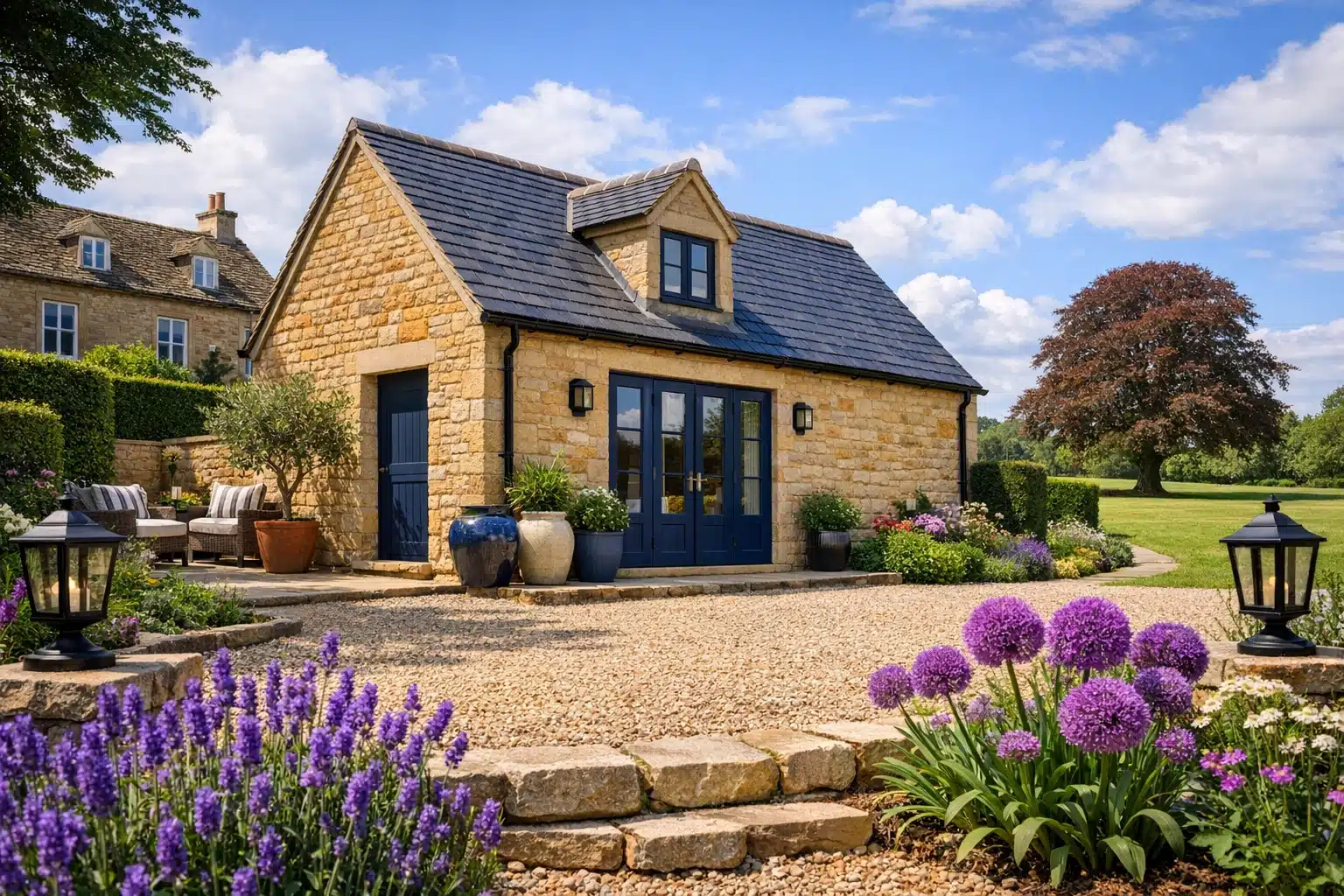
A granny annexe is a self-contained or semi-self-contained living space linked to a main home. It might sit over a garage, occupy a converted outbuilding, form part of an extension, or stand in the garden as a detached structure. The name suggests accommodation for an older relative, but in practice the term covers several forms of ancillary living space used by different generations. Some are designed as compact one-bedroom homes with a small kitchen and bathroom. Others are more like a studio suite with sleeping, sitting, and washing facilities attached to the family property.
In the UK, interest in granny annexes has risen for reasons that are easy to recognise. Housing costs remain high in many areas, care arrangements can be expensive, and families often want a middle ground between full cohabitation and complete separation. An annexe can offer that middle ground. It lets relatives live close enough for support, yet still keeps everyday routines more independent. That balance matters. Sharing one front door can work beautifully for some families, but for others it turns small frictions into daily drama. A cup of tea in the garden is charming; an argument over kitchen space every morning is less so.
There is also a wider social context behind the trend. The UK has an ageing population, and many households are thinking earlier about how care, safety, and mobility may change over time. At the same time, adult children are staying in or returning to the family home more often because renting or buying independently is difficult. A well-planned annexe can respond to both pressures by creating adaptable space rather than forcing a rushed move later.
Common forms of granny annexe include:
- garage or loft conversions within the main property envelope
- single-storey side or rear extensions with independent facilities
- converted outbuildings such as barns or coach houses
- detached garden annexes, including modular or factory-built units
It is important to distinguish a granny annexe from a fully separate dwelling. In planning and legal terms, that difference can be crucial. Many annexes are approved only as accommodation ancillary to the main house, meaning they are intended to remain connected in use, ownership, and function. That affects who may live there, whether it can be sold separately, and how the local authority views it. So while the phrase sounds warm and domestic, it carries real implications in property, planning, and family decision-making.
Planning Permission, Building Regulations and the Rules That Often Catch People Out
If granny annexes had a motto, it might be this: assume nothing and check everything. Many people begin with the hopeful belief that a small annexe in the garden will be treated like a shed with ambition. In reality, local authorities often look closely at whether the building creates a separate residence, alters the character of the site, affects neighbours, or changes parking and access. Rules can vary by location and by the exact form of the project, so advice that worked for a friend in one borough may be useless in another.
Planning permission is one of the biggest areas of confusion. Some modest outbuildings may fall within permitted development rules, but a granny annexe is not automatically covered simply because it is small or sits within a garden. The presence of sleeping accommodation, a kitchen, a bathroom, and independent day-to-day living functions can make the planning position more sensitive. Detached units intended for someone to live in are commonly treated more seriously than hobby rooms or home offices. In some cases, an annexe is approved with a condition that it must remain ancillary to the main house and cannot be occupied or sold as an independent dwelling.
Factory-built garden units bring another layer of confusion. Some suppliers market them as caravans or mobile homes, and there are situations where caravan legislation may be relevant. However, that does not mean planning permission is never needed. The legal test can involve dimensions, mobility, intended use, siting, and whether the unit remains within the residential curtilage and is occupied in a genuinely ancillary way. This is precisely the sort of detail that makes a pre-application enquiry or planning consultant worth considering.
Even when planning permission is not required, building regulations often still apply. These cover matters such as:
- structural safety and foundations
- fire safety and means of escape
- insulation and energy efficiency
- drainage, plumbing, and electrics
- ventilation, glazing, and access standards
Access is another practical issue. If the annexe is for an older resident, the route from the main home or driveway matters almost as much as the interior layout. A beautifully finished unit at the far end of a steep, slippery garden may look clever on paper and feel exhausting in winter. Local authorities may also consider overlooking, noise, parking pressure, and the impact on neighbouring amenity, particularly in tighter suburban plots.
Finally, regional differences matter. Planning systems in England, Scotland, Wales, and Northern Ireland are not identical, and local policy can shape outcomes strongly. Properties in conservation areas, green belt locations, listed buildings, or areas with restrictive covenants need extra scrutiny. The safest approach is usually straightforward: speak to the local planning authority, review title restrictions with a solicitor if needed, and do not commit to a supplier’s promise until the legal position has been checked independently.
Costs, Running Expenses and Tax Questions: What a Granny Annexe Can Really Cost
The headline price of a granny annexe rarely tells the whole story. A brochure may show an attractive number for a neat garden unit, but that figure often excludes site preparation, foundations, drainage connections, utility upgrades, access works, landscaping, and professional fees. The true cost depends on size, specification, location, ground conditions, and whether you are converting existing space or building from scratch. As a result, two projects that seem similar in photos can end up with very different budgets.
As a broad guide, UK homeowners might see figures along these lines, though local quotes vary widely:
- garage conversion with bathroom and kitchenette: roughly £20,000 to £50,000 or more
- attached extension designed as an annexe: roughly £40,000 to £100,000 or more
- detached annexe or high-spec modular unit: roughly £70,000 to £150,000 or more
- larger or premium bespoke builds: sometimes well above that range
These are not guarantees, merely realistic starting points for planning. Groundworks alone can change the picture quickly, especially if drainage runs are long or the site is sloped. Kitchens and bathrooms also absorb money faster than many first-time builders expect. Add in architect fees, structural calculations, planning application charges where relevant, building control, surveys, and contingency funding, and the budget becomes more substantial.
Running costs deserve equal attention. An annexe needs heating, hot water, lighting, broadband planning, and usually some degree of separate metering or fair internal cost sharing. If the space is occupied year-round, insulation quality matters enormously. A cheaper build with weak thermal performance can feel like a bargain in summer and a burden by January. Energy-efficient windows, good wall and roof insulation, and modern heating controls may cost more at the outset but often improve comfort and predictability later.
Council tax is another area where homeowners should ask questions early. Some annexes may be assessed separately, and some may qualify for discounts or relief depending on how they are used and who occupies them. In certain circumstances, an annexe occupied by a dependent relative may receive favourable treatment, but rules differ and should be confirmed with the local council. Similar caution applies to utilities, insurance, and mortgage terms. Lenders and insurers may want to know whether the annexe is occupied by family, a carer, or someone unrelated.
People often ask whether an annexe adds value. Sometimes it does, especially in areas where multigenerational living is attractive and the structure is lawful, well-designed, and flexible. Yet value is not automatic. A poorly positioned or heavily restricted annexe may narrow the buyer pool rather than widen it. The smarter way to judge cost is not only by resale potential, but by its practical savings and benefits: reduced care costs, avoided moving expenses, better family support, and a home that can adapt instead of forcing another property search later.
Designing an Annexe That Works: Accessibility, Privacy and Everyday Comfort
The best granny annexes do not feel like improvised spare rooms. They feel like small homes with clear purpose. Good design starts by asking who will use the space now, who might use it later, and how needs could change over ten or fifteen years. A healthy, independent parent in their sixties may want style, quiet, and garden views. Ten years later, the same person may care much more about step-free access, a wet room, brighter lighting, and space to turn safely with a walking aid. Designing with flexibility from the beginning is often cheaper than retrofitting in a rush.
Accessibility is usually the first priority. Features that often make a real difference include level thresholds, wider door openings, non-slip flooring, easy-to-reach switches, lever handles, and bathrooms planned for future grab rails even if they are not installed immediately. A ground-floor layout is usually preferable where mobility is a concern. Natural light also matters more than people sometimes realise. Bright, well-placed windows can improve mood, orientation, and the overall sense that the annexe is a pleasant place to live rather than a practical compromise.
Privacy deserves just as much attention as accessibility. Families are often drawn to annexes because they promise closeness without crowding. That promise can disappear if the annexe faces directly into the main house’s busiest rooms, if outdoor seating areas overlap awkwardly, or if every arrival feels publicly announced. Thoughtful placement, planting, fencing, and separate paths can preserve independence without creating emotional distance. In design terms, a few metres and a smartly positioned window can be worth more than expensive finishes.
Useful design priorities often include:
- a compact but complete kitchen rather than a token kitchenette where appropriate
- storage for coats, medicines, linens, and mobility equipment
- strong insulation and sound separation from the main home
- easy internet access for calls, streaming, and telehealth services
- space for seating, dining, and overnight guests where possible
There is also the question of atmosphere. An annexe intended for a loved one should not feel temporary unless it truly is temporary. Finishes, colours, and furniture choices can influence dignity as much as square footage. A resident who feels they have their own front door, their own routine, and some control over the environment is more likely to enjoy the arrangement. That emotional dimension is easy to overlook when comparing floor plans, but it is often the difference between a space that merely functions and one that genuinely supports family life.
Benefits, Drawbacks and Final Thoughts for Families Deciding Whether to Build One
A granny annexe can be a thoughtful solution, but it is not a universal one. At its best, it supports multigenerational living in a way that respects both connection and independence. An older parent can remain close to family without feeling they have lost all privacy. Adult children or carers can stay nearby without reshaping the entire household. The arrangement may reduce travel for support, make emergencies easier to manage, and offer emotional reassurance that cannot be measured purely in pounds. For many families, those everyday advantages are the real return on investment.
Still, the drawbacks deserve equal honesty. Building work is disruptive, planning approval can be slow, and family expectations are not always aligned. One person may picture a peaceful retreat in the garden, while another imagines regular childcare, shared meals, and constant availability. If those assumptions are never discussed, the project can create tension instead of easing it. There is also the long-term question of what happens if circumstances change. If the intended resident no longer needs the annexe, can the space adapt into guest accommodation, a home office, a studio, or general family living space without breaching planning conditions?
Buyers should also compare the annexe option with alternatives. In some cases, moving to a larger home may be simpler. In others, a well-designed extension with an internal suite may be more cost-effective than a detached unit. Some families may find that nearby rented accommodation, retirement living, or care support delivered to the existing home suits them better. An annexe tends to work best when the property already has adequate space, the local planning context is manageable, and the family has a clear, shared reason for creating it.
Before committing, it helps to ask a short set of direct questions:
- Who is the annexe really for, and how might that change over time?
- Is the intended use ancillary to the main home, or are you hoping for a separate dwelling?
- Can the budget absorb hidden costs and a sensible contingency?
- Will the design remain practical if mobility, health, or occupancy changes?
- Have planning, legal, tax, insurance, and utility issues been checked properly?
For UK homeowners, the smartest approach is usually methodical rather than rushed. Speak to the local authority, get professional drawings where needed, request detailed quotations, and think beyond the first year of use. A granny annexe is not just a building project; it is a long-term living arrangement wrapped in bricks, timber, or modular panels. If it is planned carefully, it can add flexibility, compassion, and resilience to a home. If it is approached casually, it can become a costly lesson in why details matter. For families weighing care, privacy, and future housing choices, that is the central point to remember.