Understanding Senior Living Communities
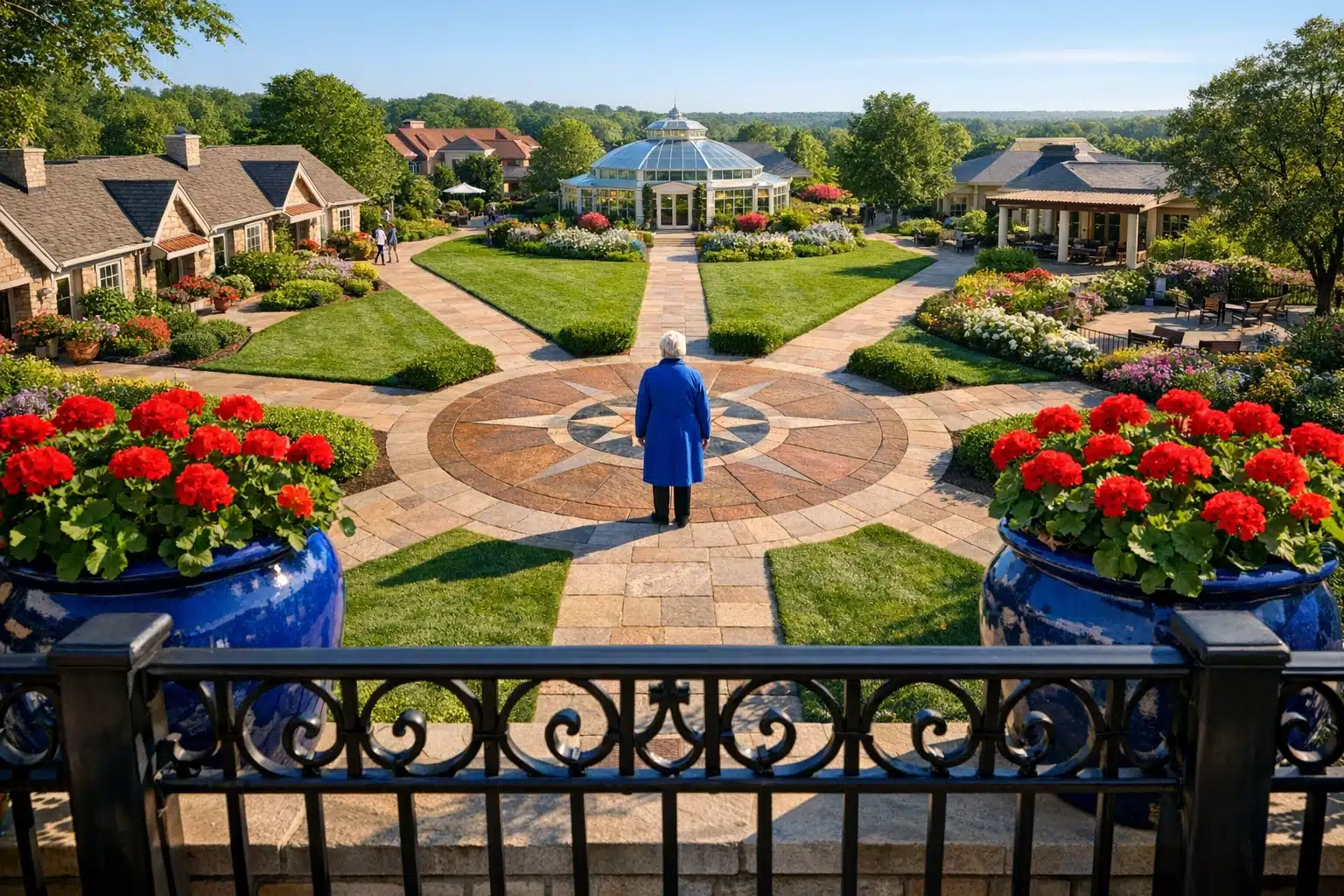
Choosing a senior living community can feel like standing at a busy crossroads: one path promises freedom, another adds daily support, and still another prepares for complex medical needs. The decision matters because housing affects health, finances, routines, friendships, and peace of mind for both older adults and the people who care about them. Understanding the options early makes it easier to compare communities with a calm mind rather than in the middle of a crisis.
Outline
This article follows five practical steps so readers can move from broad understanding to informed decision-making. It begins by explaining what senior living communities are and why they are increasingly relevant. It then compares the main community models, reviews costs and contracts, examines daily life and quality indicators, and ends with a framework for choosing the right fit.
- What senior living communities are and why demand is growing
- Key differences between independent living, assisted living, memory care, nursing care, and continuing care communities
- Typical costs, payment sources, and contract structures
- Services, safety features, staffing, social life, and signs of quality
- How seniors and families can evaluate options and make a confident choice
What Senior Living Communities Are and Why They Matter
Senior living communities are residential settings designed for older adults, but that simple definition barely tells the full story. Some communities offer little more than maintenance-free housing and a calendar full of activities, while others provide meals, medication support, help with bathing, memory-focused programming, or skilled nursing care. What unites them is the idea that aging does not happen in a vacuum. It happens in kitchens, hallways, elevators, gardens, dining rooms, and conversations. A well-designed community recognizes that health is shaped not only by medical treatment, but also by safety, routine, social connection, and the ability to keep participating in daily life.
The topic matters more every year because populations are aging in many countries. In the United States, Census Bureau projections have shown that adults aged 65 and older are expected to outnumber children under 18, a demographic shift that changes housing demand, caregiving needs, and long-term planning. Families are also smaller and more geographically spread out than in earlier generations, which means fewer households can rely on a nearby adult child for daily support. As a result, senior living communities often become part of a practical care network rather than a last resort.
Another reason these communities matter is the impact of isolation. Research has linked prolonged loneliness and social isolation in older adults with poorer physical and mental health outcomes, including higher risks of depression, anxiety, and cognitive decline. A good community can help reduce that risk by making everyday interaction easier. Instead of planning weeks in advance to see someone, a resident may find a walking club down the hall, a bridge game after lunch, or a neighbor ready to chat by the coffee station. That may sound small, yet small routines often carry real emotional weight.
It is also important to challenge an outdated stereotype. Not every senior community is a nursing home, and not every move is driven by severe illness. Many residents choose independent or assisted living because they are tired of home maintenance, worried about stairs, or simply ready for a place where support is available if needs change. In that sense, senior living can be less about giving something up and more about trading one set of burdens for another set of possibilities. The best communities do not erase independence; they support it in more realistic ways.
Comparing the Main Types of Senior Living Communities
One of the biggest sources of confusion for families is that the phrase senior living covers several very different models. Knowing the distinctions can save time, prevent mismatched expectations, and help narrow the search quickly. At the broadest level, these communities range from lifestyle-oriented housing to medically intensive care. The right option depends on mobility, memory, daily support needs, and how much change a person can manage comfortably.
-
Independent living: Best suited for older adults who can manage most daily tasks on their own but want convenience, community, and fewer household responsibilities. These communities often include dining options, housekeeping, transportation, fitness classes, and social events. Think of them as apartment or cottage living with built-in support services nearby, but not hands-on daily care.
-
Assisted living: Intended for residents who need help with activities of daily living such as dressing, bathing, medication reminders, or meal support. Staff are available regularly, but the setting is still residential rather than hospital-like. This is often the middle ground between fully independent living and nursing care.
-
Memory care: Designed for people living with Alzheimer’s disease or other forms of dementia. These communities usually provide secured environments, specially trained staff, structured routines, and programming aimed at reducing confusion and agitation while preserving dignity.
-
Skilled nursing or nursing home care: Appropriate for people who need around-the-clock medical supervision, rehabilitation, or complex long-term care. This level is closer to clinical care and is often used after hospitalization, serious illness, or advanced disability.
-
Continuing care retirement communities, sometimes called life plan communities: These combine multiple levels of care on one campus, allowing residents to move from independent living to assisted living or nursing care if needs increase over time.
Each model solves a different problem. Independent living removes chores. Assisted living adds everyday support. Memory care protects routine and safety. Skilled nursing addresses medical complexity. Continuing care communities aim to reduce future disruption by keeping care transitions within one system. That last model appeals to planners who prefer a long horizon, though it often comes with more complex contracts and, in some cases, large entrance fees.
A practical example makes the differences clearer. A healthy 74-year-old who no longer wants to mow the lawn may thrive in independent living. An 82-year-old with arthritis, frequent falls, and trouble managing medications may do better in assisted living. A spouse with wandering behavior and advanced dementia needs memory care, not merely a social apartment. A person recovering from a stroke may require skilled nursing or short-term rehabilitation before returning home or moving elsewhere. There is no universally best choice; there is only the best fit for a specific stage of life, ability level, and support system.
When families compare communities, they should look beyond labels. Two assisted living residences can differ sharply in staffing, care philosophy, and resident experience. One may feel warm, steady, and attentive. Another may look polished in the lobby but struggle with response times or staff turnover. Names matter less than services, staffing, and how daily life actually unfolds when no tour is underway.
Costs, Contracts, and How Families Can Plan Financially
Money is often the hardest part of the conversation, partly because pricing in senior living can be layered and partly because families may wait too long to review the numbers. Costs vary widely by country, region, apartment size, and care level, but understanding the structure is more useful than chasing a single average. In many U.S. markets, independent living may start in the low thousands per month, assisted living often runs higher because it includes care services, memory care usually adds a premium due to specialized staffing and security, and skilled nursing can cost substantially more because it is medically intensive. Prices in major metropolitan areas are commonly above national averages.
The first rule is simple: ask what the monthly fee actually includes. A quoted rate may cover rent, meals, transportation, housekeeping, and activities, while personal care services are billed separately. In assisted living, this is often done through tiered care levels. A resident who needs help with medication reminders may pay less than one who needs two caregivers for transfers or extensive daily assistance. That means a community that seems affordable at move-in can become more expensive as needs rise.
Contracts also deserve close reading. Some communities use straightforward month-to-month rental agreements. Others, especially continuing care retirement communities, may require an entrance fee plus monthly charges. Entrance-fee models differ: some offer partial refund provisions, some offer priority access to higher care levels, and some transfer more financial risk to the resident. Families should ask for sample contracts early and, when the stakes are high, consider having an elder law attorney or financial planner review them.
Payment sources are another area where assumptions can lead families astray.
- Medicare generally does not pay for long-term custodial care in assisted living or ongoing nursing home residency, though it may cover limited skilled nursing or rehabilitation after a qualifying medical event.
- Medicaid may cover nursing home care and, in some states, certain assisted living services through waiver programs, but eligibility rules are strict and vary by location.
- Long-term care insurance can help, yet benefits depend on the policy language, waiting periods, and whether the resident meets the insurer’s criteria for assistance.
- Some veterans and surviving spouses may qualify for programs that offset parts of care costs.
- Home sale proceeds, retirement income, pensions, savings, and family contributions often fill the remaining gap.
A useful planning habit is to build a two- to five-year budget instead of focusing only on the first month. Include likely rent increases, added care fees, move-in charges, medication costs, and transportation. A senior living decision is not just about what a family can afford today; it is about whether the arrangement remains workable if health needs shift tomorrow. Clear financial planning does not remove emotion from the decision, but it does reduce the chance of a second disruptive move caused by preventable surprises.
Daily Life, Services, and the Quality Markers That Really Matter
Brochures tend to spotlight cheerful dining rooms, flower beds, and holiday events, but daily life in a senior living community is shaped by quieter details. Is the building easy to navigate? Do staff knock before entering? Are meals nutritious and flexible enough for diabetes, swallowing issues, or cultural preferences? Does a resident wait five minutes for help, or forty? A community’s true character shows up in these ordinary moments, not only in the welcome folder.
Services usually fall into several categories: housing, hospitality, personal care, health coordination, and social engagement. Housing includes apartment design, maintenance, emergency call systems, laundry access, lighting, and bathroom safety features. Hospitality covers dining, housekeeping, and transportation. Personal care may include bathing assistance, dressing, mobility support, and medication management. Health coordination can range from wellness checks to visiting clinicians or physical therapy partnerships. Social engagement includes clubs, outings, spiritual programs, lectures, exercise classes, and unstructured spaces where conversation can happen naturally.
A strong community recognizes that safety and dignity must coexist. Older adults are at higher risk of falls, and environmental design matters. Good lighting, grab bars, no-step showers, handrails, clear pathways, and prompt maintenance are not glamorous features, but they can make a serious difference. The same is true for emergency planning. Families should ask how the community handles severe weather, power outages, infectious illness, and nighttime medical concerns. The answers reveal whether preparedness lives on paper or in practice.
Quality markers often include the following:
- Stable leadership and low staff turnover
- Training that matches the resident population, especially dementia care training where relevant
- Clean common areas without strong masking odors
- Respectful staff interactions that preserve privacy and choice
- Visible activity participation rather than a silent schedule posted on a wall
- Clear care plans and regular communication with families
- Transparent complaint procedures and resident councils
Families should also watch the residents themselves. Do people appear engaged, groomed, and comfortable, or withdrawn and unattended? Is the dining room lively in a pleasant way, or hurried and institutional? A good community should feel less like a holding area and more like a neighborhood with a safety net. That atmosphere is hard to fake. Even the small sounds tell a story: a piano in the lounge, chairs moving before a discussion group, a staff member greeting residents by name. Those details suggest the place is built for living, not merely lodging.
How to Choose the Right Community and Make the Transition Easier
Choosing a senior living community is part research project, part family negotiation, and part emotional adjustment. Even when a move is clearly necessary, it can stir up grief, relief, resistance, and hope all at once. The best decisions usually happen when the older adult is involved as early as possible. A move done with someone tends to go better than a move done to someone. That principle sounds obvious, yet it is often ignored when families panic after a hospitalization or fall.
Start with a practical assessment. What support is needed today, and what changes are likely within the next year or two? A senior who is socially isolated but physically steady may need independent living more than medical care. Someone who forgets meals, mixes up medications, and struggles with dressing may need assisted living. A person with dementia-related wandering requires a secure environment, not just friendly neighbors. Matching the setting to the actual need is the foundation of a successful move.
Tour more than once if possible, and visit at different times of day. A polished morning tour does not always reveal the dinner rush, evening staffing pattern, or weekend activity level. Bring a written checklist and ask direct questions.
- What services are included in the base price, and what triggers added fees?
- How is care reassessed if health changes?
- What is the average staff tenure?
- How are emergencies handled overnight?
- What happens if a resident can no longer be served safely?
- How often do residents move to a higher level of care within the organization?
- Can current residents or family members share their experiences?
It also helps to notice red flags. Frequent unanswered call bells, vague pricing, defensive staff, poor cleanliness, high-pressure sales tactics, or residents left idle for long stretches should prompt caution. If a community rushes you away from certain wings or avoids written answers, pay attention. Transparency is not a bonus feature; it is a sign of operational health.
Once a choice is made, the transition itself deserves care. Bring familiar furniture, photos, favorite bedding, books, and small routines from home. Introduce staff to a resident’s life story, preferred name, daily habits, and meaningful interests. A retired teacher may light up at discussion groups. A lifelong gardener may care more about a sunny window than a large closet. Moving well is not only about logistics; it is about preserving identity. When the new place reflects the person rather than just the paperwork, adjustment becomes easier, steadier, and more humane.
Conclusion for Seniors and Families
Senior living communities are not all the same, and that is exactly why careful comparison matters. For older adults, the right choice can protect independence, reduce isolation, and provide support without stripping away personality or routine. For families, a thoughtful decision can replace constant uncertainty with a more reliable plan for safety, care, and everyday comfort. The goal is not to find a perfect brochure or the fanciest lobby, but a setting where needs are met, dignity is preserved, and life still feels recognizably like one’s own. When seniors and families ask clear questions, review costs honestly, and pay attention to the lived atmosphere of a community, they are far more likely to choose a place that works well not just on move-in day, but in the months and years that follow.