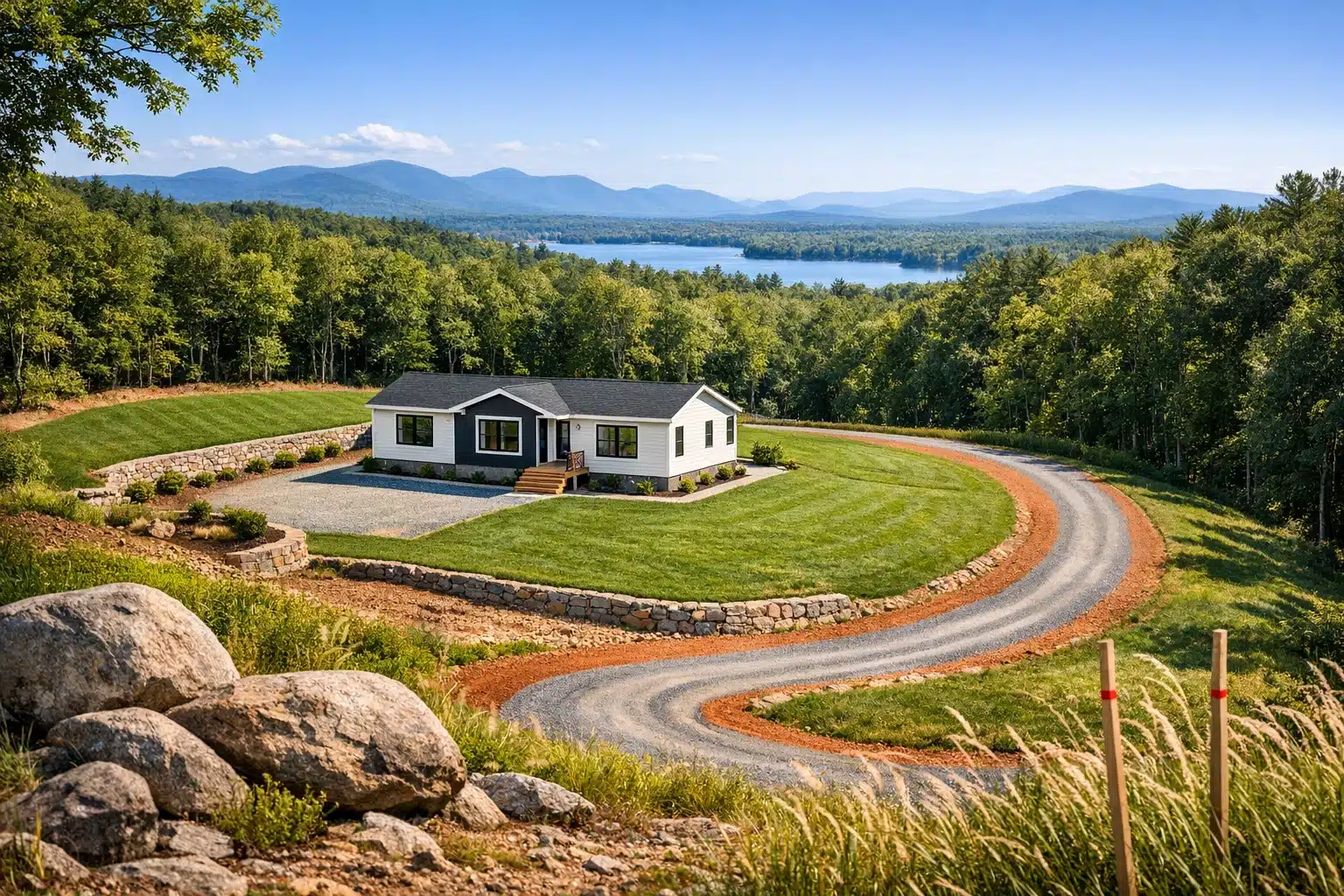
Unsold Modular Homes Guide: What Buyers Should Know
Introduction
An unsold modular home is a little like a finished puzzle still waiting for the right table: much of the hard work is done, yet the final placement decides whether it becomes a smart purchase or a costly detour. Buyers are often attracted by quicker timelines, possible discounts, and floor plans that are already visible rather than imagined from a brochure. Even so, transport limits, site work, code compliance, and financing rules can change the numbers quickly. Learning how those pieces fit together gives you sharper judgment before money changes hands.
Article Outline
This guide moves through five practical stages: understanding what an unsold modular home actually is, weighing the upside against the trade-offs, checking condition and paperwork, planning financing and delivery, and finally deciding whether this route fits your budget, land, and timeline.
1. What Unsold Modular Homes Are and Why They End Up Available
The phrase unsold modular home sounds simple, yet it covers several very different situations. In most cases, it refers to a factory-built home that has already been designed and produced, but has not been purchased and permanently installed for an end user. That could mean a former display model, a home built for a buyer whose financing collapsed, a speculative unit ordered by a dealer, or leftover inventory connected to a delayed development. To a shopper, these homes may appear as ready-made opportunities. To the seller, they are inventory that ties up capital, yard space, or showroom attention.
It helps to start with a basic distinction. A modular home is built in sections inside a factory, then transported to a site and assembled on a permanent foundation according to state or local building codes. That is different from a manufactured home, which is built to the federal HUD code and follows a separate regulatory path. Buyers sometimes use the terms interchangeably in casual conversation, but zoning, financing, appraisals, and resale treatment can differ. If you are reviewing listings, getting this distinction right at the beginning can save days of confusion later.
Unsold inventory usually shows up for practical reasons rather than dramatic ones. Common examples include:
• a custom buyer backs out after a job loss or lending denial
• a retailer orders a popular floor plan that moves more slowly than expected
• a builder creates a model home with upgrades that attract attention but not immediate offers
• interest rate changes cool demand in a specific price range
• a land issue, such as septic approval or access constraints, delays a planned placement
These homes can offer genuine value because some early costs have already been absorbed. Design work may be complete, the floor plan is known, and finishes are visible instead of hypothetical. On the other hand, availability does not automatically equal a bargain. Some units remain unsold because the layout is unusually specific, the exterior color is polarizing, the dimensions create transport challenges, or the home no longer matches current code expectations in a particular jurisdiction without updates. A three-bedroom plan with a luxury bath and limited storage, for example, may sit longer than a less glamorous but more practical layout.
Think of the market for unsold modular homes as a side street off the main road of homebuying. It can be quieter, less standardized, and more negotiable. That is exactly why careful buyers pay attention. The best opportunities tend to come from sellers who can explain the home’s origin, the status of its documentation, the length of storage, and what is included in the final price. When those answers are clear, the home stops being a mystery and starts becoming a real option.
2. Benefits, Trade-Offs, and the Myths That Follow These Homes Around
One reason buyers keep searching for unsold modular homes is speed. A fully custom modular build can still move faster than many site-built projects, yet it involves design approvals, production scheduling, transport planning, and site work. An unsold unit may shorten that chain because the biggest factory-stage decisions are already behind it. If you are relocating for work, replacing housing after a disaster, or trying to lock in land ownership before another season passes, time has value that goes beyond the sticker price.
There can also be pricing advantages, though buyers should avoid fantasy-level expectations. Sellers may discount a home because storage costs money, floorplans age, and unsold stock is not as attractive as a fresh order with a committed customer. Some display or canceled-order homes include upgraded cabinetry, countertops, lighting packages, or energy-efficiency features that would cost extra in a new build. In that sense, the discount is sometimes built into the finish level rather than advertised as a dramatic markdown.
The trade-offs matter just as much. Customization is limited, and this can be more important than it first appears. Moving a wall, reworking a wet area, or changing the roof profile after production is not like swapping paint in a standard showroom. The home may also have been stored for a period of time, transported once already, or exposed to repeated foot traffic if it served as a model. None of those details automatically disqualify the purchase, but they do change the questions you should ask.
Several myths deserve a closer look:
• Myth: unsold modular homes are damaged goods. Reality: many are perfectly sound, though condition still needs verification.
• Myth: every unsold home comes with a huge discount. Reality: some sellers price aggressively, others rely on the appeal of upgrades and faster delivery.
• Myth: financing is impossible. Reality: financing depends on the lender, the land, the installation plan, and how the property will be titled.
• Myth: modular means lower quality. Reality: modular construction can be very solid because factory assembly reduces weather exposure during the build process.
Comparison helps here. An unsold modular home often sits between a brand-new custom order and a completed site-built spec house. Compared with a fresh modular order, it may save time and perhaps some money, but you surrender design freedom. Compared with a site-built inventory house, it may offer a cleaner, more controlled manufacturing process, yet it still requires delivery and site assembly if not already installed. In plain language, you are buying convenience in one area while accepting limits in another.
The smartest buyers do not chase the word discounted by itself. They look for usable value: a layout that fits daily life, a seller who can document the home clearly, and a total cost that still works after land prep, installation, and utility connections are added. That is where excitement turns into sound judgment.
3. How to Inspect an Unsold Modular Home Without Missing the Expensive Details
If a listing looks appealing, the next step is not admiration but inspection. Unsold modular homes reward buyers who slow down and examine what happened before the home reached the listing page. Was it sitting indoors, wrapped in a yard, or partially exposed at a sales center? Was it moved once, twice, or not at all? Was it a finished display with regular visitor traffic? Each answer helps you understand wear patterns that are easy to overlook when you are focused on square footage and finishes.
Begin with the physical shell. Look for signs of moisture intrusion around seams, windows, roof transitions, and any area where protective wrapping may have failed. Check flooring edges, cabinetry bases, trim joints, and ceiling corners for swelling, staining, or separation. Open and close windows and doors to see whether alignment feels crisp or reluctant. Storage and transport can sometimes create minor issues that are fixable, but you want to know the difference between cosmetic touch-up work and a deeper problem. Even a home that appears new can tell a longer story in the details.
Documentation is just as important as condition. Ask for:
• the original floor plan and specifications
• engineering drawings and code certifications where applicable
• manufacturer information and serial or module identification
• the date of production and any transport history
• appliance model numbers and warranty status
• a list of included finishes, fixtures, and site-installed components
• the installation manual and any recommended foundation requirements
Total cost analysis is where many buyers either gain clarity or lose it. The price quoted for the structure may not include everything required to make the home livable. A complete budget should consider transport, crane service if needed, foundation work, set crew labor, marriage-line finishing, roofing or siding completion at seams, utility hookups, land clearing, driveway access, septic or sewer, water service, permits, and final inspections. In some situations, the home itself is not the financial surprise at all; the site is.
A practical comparison can help. Imagine one unsold home listed at a noticeably lower price than another. On paper, it looks like the easy winner. But if that cheaper home is wider, needs a more complex route permit, and requires a crane because of the lot shape, its installed cost may exceed the seemingly pricier option that slides onto a straightforward site. This is why experienced buyers evaluate delivered-and-installed math, not just base price.
Whenever possible, use an inspector or contractor familiar with modular construction. A general home inspector can still be useful, but someone who understands transport joins, module mating points, and off-site construction details may notice issues that others miss. The goal is not to hunt for flaws out of fear. The goal is to replace guesswork with evidence. Once you know what you are buying, negotiation becomes more rational, and the home’s real value becomes easier to see.
4. Financing, Land Preparation, Delivery, and Permits: Where the Real Complexity Lives
For many buyers, the most confusing part of an unsold modular home is not the building itself but everything required to turn it into legal, financeable, insurable housing. This is where enthusiasm often meets paperwork. A home can be well built, attractively priced, and still unsuitable for your property if zoning, access, or lender standards do not line up. In other words, the home and the land have to agree with each other.
Start with the site. Before negotiating too far, verify zoning, setbacks, minimum size rules, foundation requirements, and any design limitations imposed by a municipality or homeowners association. Some areas are perfectly welcoming to modular homes; others are more restrictive in ways that affect roof pitch, exterior appearance, garage placement, or even where the home can sit on the lot. Soil conditions also matter. A sloped parcel, poor drainage, or the need for extensive excavation can add time and cost long before the first module arrives.
Delivery planning deserves serious attention. Ask whether the route to your property can handle the modules, whether trees or utility lines need trimming, and whether a large truck can maneuver safely. Rural land can be appealing, but a narrow bridge, soft shoulder, or sharp bend can turn a promising location into a logistical headache. A seller may be confident about the home, yet the transport company and set crew are the people who will tell you whether it can actually be placed there.
Financing varies by lender and by how the purchase is structured. Some buyers already own land and want a loan that covers acquisition, transport, installation, and permanent conversion into real property. Others are buying a modular home that has already been placed on a foundation, which can make the transaction feel closer to a standard home purchase. Lenders usually care about appraisal support, the foundation type, code compliance, completion status, and whether the home will be affixed as real estate. Early conversations with a lender who has experience in modular transactions can prevent expensive detours.
Useful questions to ask early include:
• Is the quoted price for the home only, or for a complete installed package?
• Who is responsible for permits and inspections?
• Does the seller include transport and set, or just factory release?
• Are utility hookups and site grading excluded?
• When does any manufacturer warranty begin?
• What documents does the lender require before closing or funding?
Insurance and timing also deserve a place in your planning. Coverage can differ during transport, during installation, and after the home is completed. Permit approval can move quickly in one county and crawl in another. Weather can delay excavation or delivery windows. The cleanest path is usually built on sequencing: confirm land suitability, secure lender guidance, review the installation scope, and only then treat the listed price as meaningful. This is the stage where careful planning saves more money than aggressive bargaining.
5. Conclusion: Who Should Buy an Unsold Modular Home and How to Decide Well
An unsold modular home is not a shortcut for every buyer, but it can be a very sensible choice for people who value speed, visible specifications, and a more concrete shopping process than a from-scratch build. First-time buyers with land already lined up may appreciate the chance to see an actual layout before committing. Downsizers may like the predictability of a finished floor plan without months of design meetings. Buyers in rural or semi-rural markets can also benefit when a modular option matches local code and arrives faster than waiting on a long site-built schedule.
That said, the best fit usually shares a few traits. The strongest buyers in this market are organized, realistic, and willing to treat the purchase as a project rather than an impulse. They understand that price is only one layer of the decision. Access to the lot, the cost of foundation work, lender requirements, timing for permits, and the home’s documentation are all part of the same equation. Someone who wants endless customization may feel boxed in. Someone who wants a practical path with fewer design unknowns may feel relieved.
A good final decision framework can be surprisingly simple:
• Buy when the home fits your life, your land, and your budget after full installation costs are included.
• Pause when the seller cannot clearly explain origin, paperwork, warranty status, or what the quoted price covers.
• Walk away when transport, zoning, or site conditions force the numbers beyond reason.
• Move confidently when independent inspection, lender feedback, and local approvals all point in the same direction.
The appeal of an unsold modular home is easy to understand. It offers the promise of momentum in a housing market that often feels slow, expensive, and full of variables. Yet the real advantage belongs to the buyer who can separate appearance from structure and discount from value. A well-chosen unit can become a comfortable, durable home without the long wait of a fully custom project. A poorly researched one can turn into a stack of extra invoices attached to a pretty floor plan.
If you are the kind of buyer who likes clear numbers, tangible options, and fewer surprises after closing, this path may deserve a serious look. Bring a checklist, ask plain questions, verify every included item, and evaluate the site with as much care as the home itself. Do that, and an unsold modular home stops being leftover inventory. It becomes something much better: a smart match between opportunity and preparation.