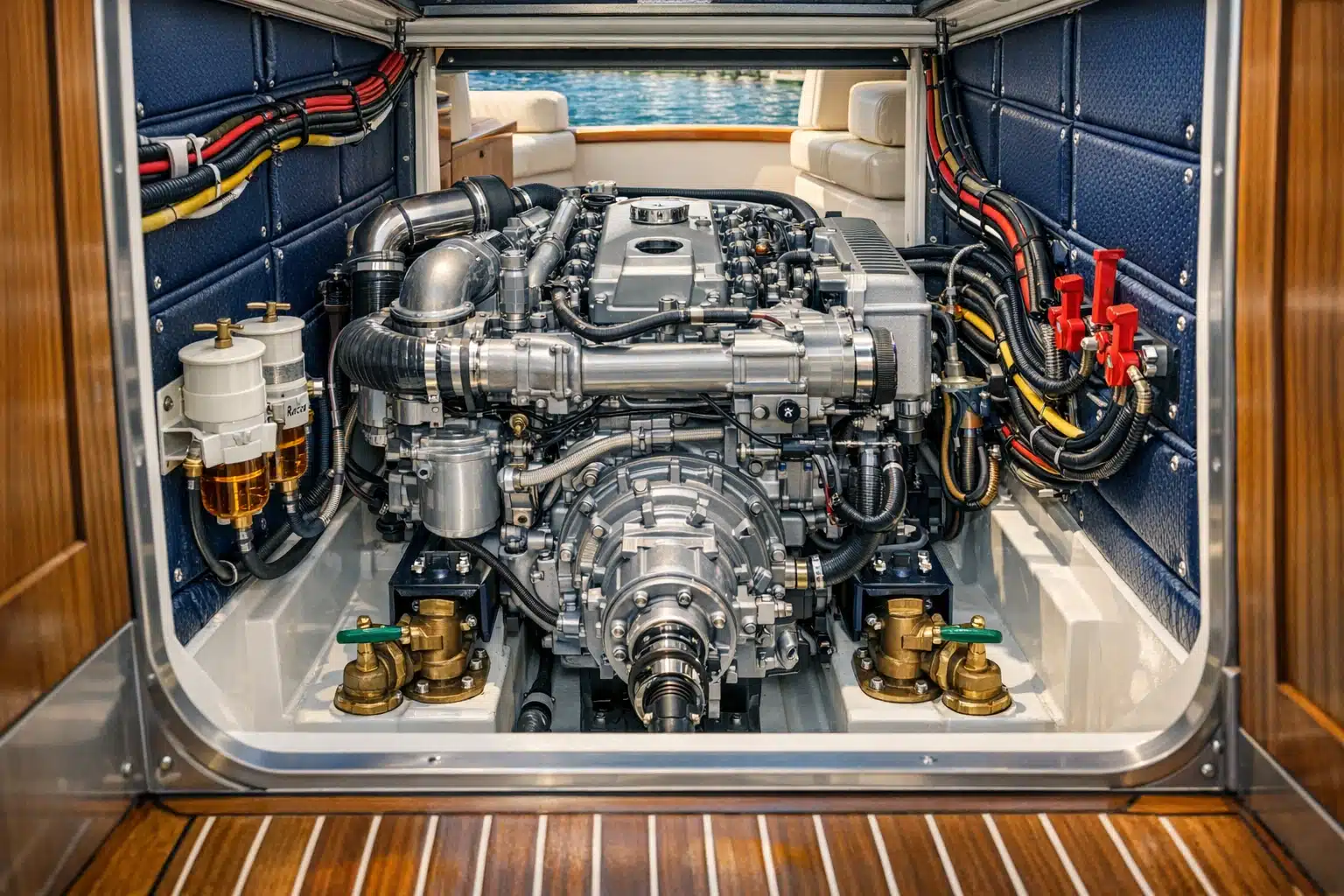
Used Marine Engines for Sale: Buying Guide and Key Considerations
Shopping for a used marine engine can feel a bit like walking a dock at dawn: every option looks promising until the details emerge. A lower asking price may hide corrosion, poor maintenance, or an engine that simply does not suit the hull and drivetrain. At the same time, a carefully chosen used unit can restore a boat, reduce downtime, and save a meaningful amount over buying new. Knowing how to compare engine types, inspect condition, and calculate true ownership cost is what turns a risky purchase into a smart one.
1. Outline of the Buying Process and Why the Used Market Matters
The market for used marine engines exists for a simple reason: new powerplants are expensive, and many boats still have years of useful life left in their hulls, systems, and layouts. For owners of fishing boats, cruisers, sailboats with auxiliary motors, or small commercial craft, buying used can be the practical route between retirement and revival. A repower project often costs less with a pre-owned engine, and in some cases it is the only realistic way to return a vessel to service without rewriting the entire budget. That said, a marine engine lives a harder life than an engine on land. Moisture, salt, vibration, long periods of storage, and inconsistent maintenance can leave a polished exterior hiding serious mechanical issues.
A sensible buying process is less about chasing the cheapest listing and more about reducing unknowns. This article follows a step-by-step path that serious buyers can use before committing to a purchase. The outline is straightforward:
– define the boat’s technical needs and the intended use
– identify the right engine type, fuel system, and power range
– inspect condition, records, and test results
– compare price against installation cost and expected repairs
– review seller credibility, paperwork, and transport details
When buyers skip one of these steps, problems often appear later as alignment issues, weak cooling performance, incompatible controls, or unexpected rebuild costs.
The used market is also broad. Engines may come from private owners, boatyards, rebuilders, brokers, insurance write-offs, commercial fleets, or boats being parted out. Some are take-outs replaced during upgrades, while others are complete packages with transmission, controls, gauges, and wiring harnesses. That difference matters. A lower-cost engine without accessories may end up costing more once missing parts, mounts, or adapters are sourced. In other words, the sticker price is only the first line in the story. For anyone shopping used marine engines for sale, the real goal is not merely to buy an engine. It is to buy the right engine, in honest condition, with a clear understanding of what it will take to make that engine work reliably on the water.
2. Choosing the Right Engine Type, Size, and Configuration
Before comparing listings, buyers need to answer a basic question: what kind of engine actually belongs in the boat? Marine engines are not interchangeable in the casual way online classifieds sometimes suggest. A compact diesel inboard, a gasoline sterndrive engine, an outboard, and an auxiliary sailboat engine each serve different hulls, operating patterns, and installation spaces. Matching the engine to the boat means looking at shaft setup, fuel type, weight, mounting footprint, gear ratio, cooling arrangement, and intended cruising speed. A boat designed around a certain engine family may accept several alternatives, but that does not mean every similar horsepower rating will fit cleanly.
Power is one of the most misunderstood points. More horsepower is not automatically better. Too little power can leave a heavy boat struggling in weather or current, while too much can overstress driveline components, affect trim, and increase fuel burn without meaningful gains. Buyers should compare the candidate engine against the boat builder’s original specifications when available. If that information is missing, a marine mechanic, surveyor, or repower specialist can help estimate a realistic range. Important compatibility questions include:
– Will the engine physically fit the engine room or transom space?
– Does the transmission rotation and reduction match the propeller setup?
– Are the engine mounts and shaft alignment workable without major fabrication?
– Is the electrical system compatible with the boat’s existing wiring and controls?
– Will the cooling system suit the intended operating environment, especially saltwater use?
Fuel choice also shapes long-term ownership. Diesel engines are often favored for inboards because of torque, efficiency, and durability, especially in heavier boats and commercial applications. Gasoline marine engines may cost less initially and can work well in some recreational setups, but fuel availability, safety procedures, and expected usage patterns all matter. Buyers should also think about parts support. An attractively priced engine from a discontinued or obscure manufacturer may become frustrating if injectors, heat exchangers, sensors, or gasket kits are difficult to source. A used marine engine is not only a machine; it is a future maintenance relationship. If the engine fits the boat but local technicians will not service it and replacement parts must be hunted like treasure, the bargain may quickly lose its shine. Smart buyers balance horsepower, fit, support, and intended use rather than letting a single number drive the decision.
3. How to Inspect a Used Marine Engine Before You Buy
Inspection is where the romance of a bargain meets the reality of machinery. An engine can look clean, wear fresh paint, and still have internal corrosion, low compression, or a cooling system that has quietly suffered for years. The first layer of inspection is visual. Buyers should look for oil leaks, fuel leaks, cracked hoses, frayed wiring, rust trails, salt deposits, damaged mounts, and evidence of overheating. On raw-water-cooled engines, corrosion around manifolds, risers, heat exchangers, and pump housings deserves special attention. Belts, clamps, and seals do not tell the whole story, but they often reveal how the engine has been treated. An owner who ignored obvious wear items may also have ignored less visible maintenance.
Documentation matters almost as much as the hardware. Service records, rebuild invoices, oil analysis reports, and hour-meter history can add credibility, although buyers should remember that records support a story rather than replace an inspection. Hours alone are not enough to judge value. A well-maintained diesel with significant hours may be healthier than a low-hour engine that sat neglected with contaminated fuel and trapped moisture. Ask direct questions:
– Has the engine been removed from a running boat, and if so, why?
– Was it winterized and stored correctly?
– Has it ever overheated, ingested water, or undergone a major rebuild?
– Are serial numbers visible and consistent with the paperwork?
– What accessories are included in the sale?
If the seller avoids specifics or becomes vague when technical questions arise, that hesitation is useful information.
Whenever possible, move beyond a static inspection. A cold start reveals a great deal: hard starting, unusual smoke, rough idle, delayed oil-pressure response, or persistent alarms should never be brushed aside. Compression testing, leak-down testing where appropriate, borescope inspection, coolant analysis, and oil analysis can uncover problems that no exterior glance will catch. A sea trial is ideal when the engine is still installed, because load behavior matters more than driveway confidence. Watch operating temperature, charging voltage, exhaust flow, vibration, and throttle response under load. If the engine is already out of the boat, buyers should strongly consider paying a qualified marine mechanic to inspect it before purchase. That fee is small compared with the cost of a cracked block, damaged turbocharger, or a rebuild that turns a bargain into a costly lesson. In the used marine engine world, skepticism is not negativity. It is maintenance for your wallet.
4. Understanding Price, Total Cost, and Real Value
The asking price on a used marine engine is only one part of the financial picture. Buyers who focus on the listing number alone can end up underestimating the true cost by a wide margin. A complete engine package with transmission, harness, controls, panel, and mounts may be worth far more than a stripped long block listed at a lower price. Likewise, an engine that starts and idles nicely on a pallet may still need injectors, a heat exchanger service, new hoses, mounts, alignment work, and freight handling before it becomes useful. The cheapest engine in the search results often becomes the most expensive one to install properly.
To compare value realistically, build a simple cost stack before negotiating. Typical items include:
– purchase price
– survey or mechanic inspection
– shipping or local transport
– lifting and yard handling
– installation labor
– transmission service or replacement
– controls, gauges, and wiring updates
– fuel system cleaning
– exhaust, cooling, and mounting parts
– immediate preventive maintenance such as impellers, filters, belts, and fluids
This exercise changes the conversation. An engine that costs more upfront but includes verified service history, a matched transmission, and a clean test record may be the better deal by a substantial margin.
Condition, brand reputation, parts availability, and current demand all influence pricing. Engines from widely supported manufacturers often hold value because buyers know they can find technicians and replacement components. Fresh-water history may command a premium over engines that spent years in harsh saltwater conditions. Rebuilt engines require careful review as well. A professional rebuild with detailed invoices, machine work records, and warranty terms is not the same as a vague claim that the engine was “gone through.” When negotiating, keep the discussion anchored to evidence rather than emotion. Use missing accessories, uncertain hours, visible corrosion, weak documentation, or upcoming maintenance to justify your offer. At the same time, do not expect a proven engine to sell for salvage pricing simply because it is used. Good marine equipment tends to find buyers quickly. Real value comes from paying a fair price for an engine with known qualities, rather than gambling on a suspiciously cheap listing that leaves too many questions unanswered.
5. Conclusion: Where to Buy, How to Negotiate, and What Smart Buyers Should Remember
Where you buy a used marine engine can shape both risk and convenience. Private sellers may offer attractive pricing and direct knowledge of the boat’s history, but the sale is often final and the paperwork may be thin. Rebuilders, specialty dealers, and marine salvage yards may provide more structure, better inventory details, and sometimes limited startup warranties, though pricing can be higher. Boatyards and mechanics occasionally know of take-out engines that never make it to public listings, and those leads can be valuable because the engine’s local service history is easier to verify. Online marketplaces widen the search, but they also widen the pool of exaggerated claims, incomplete descriptions, and engines that are far more interesting in photos than in person.
Negotiation works best when it is calm, technical, and documented. Buyers should request serial numbers, recent service records, compression results if available, and a clear list of included components. It helps to confirm payment terms, loading responsibility, and whether the engine is sold as-is. A careful purchase checklist might include:
– verify ownership and any available bill of sale details
– confirm model, horsepower rating, and serial number
– photograph the engine from multiple angles before pickup
– list accessories included in writing
– define whether the seller will demonstrate operation
– note any promises about condition or recent service
These small steps reduce misunderstandings later, especially when transport or third-party installation is involved.
For boat owners, refit planners, and small commercial operators, the best used marine engine is rarely the one with the flashiest listing. It is the one that matches the vessel, comes with a believable history, passes inspection, and fits the full budget once installation and maintenance are counted. If you are shopping this market, patience is not wasted time; it is part of the savings. Walk away from fuzzy details, pressure tactics, or stories that do not align with the evidence in front of you. A dependable engine should inspire confidence before the first voyage, not anxiety at the dock. Buy with clarity, ask more questions than feels comfortable, and let facts steer the decision. That approach gives you the best chance of turning a used engine purchase into reliable time on the water instead of an expensive repair project.