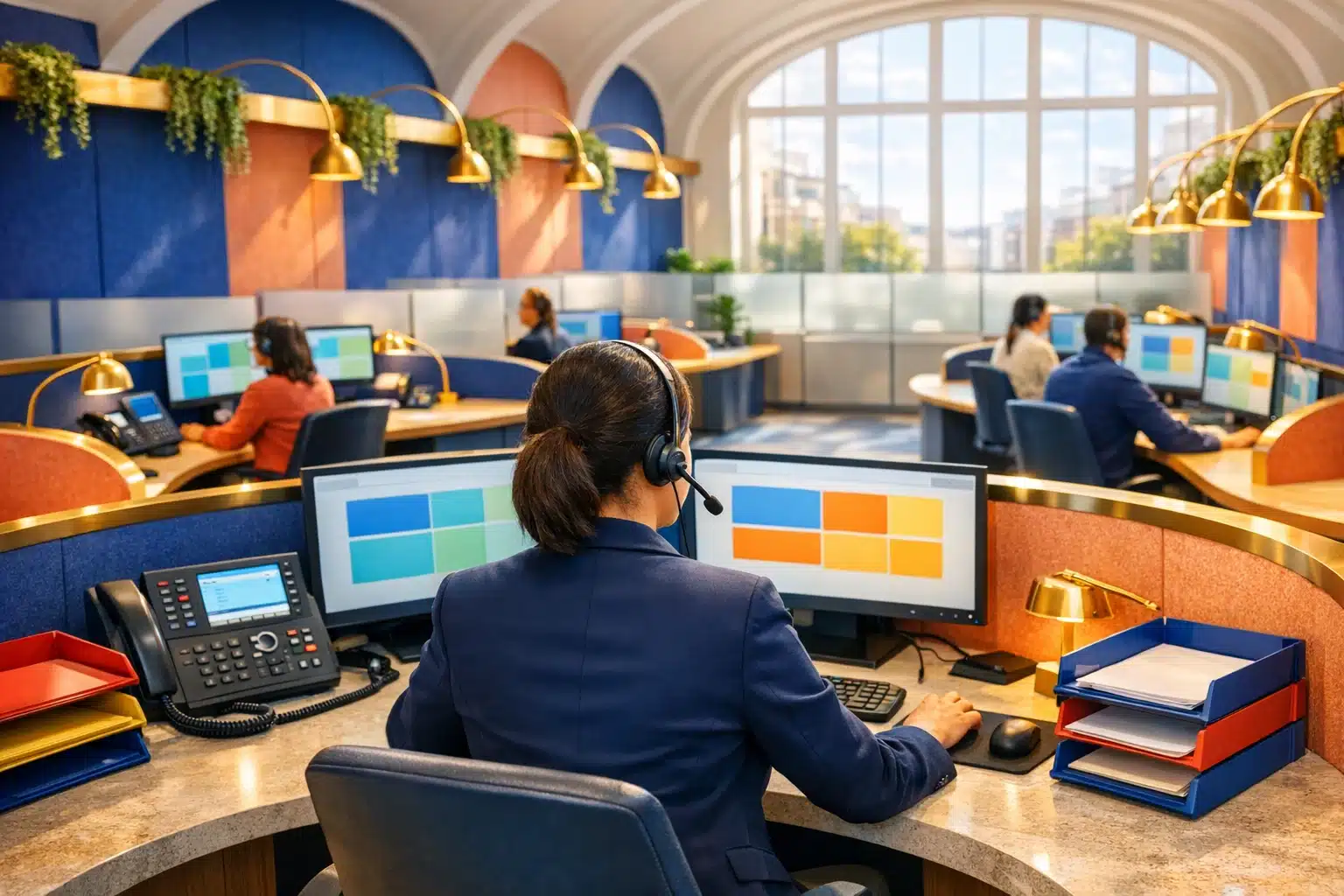
Virtual Receptionist Roles in NHS Care: Responsibilities, Skills, and Career Insights
When people think about NHS front desks, they often picture a busy surgery entrance, a ringing phone, and a queue that never seems to shrink. Yet a growing share of that essential first contact now happens remotely, through virtual reception roles that keep patients moving toward the right service. These jobs sit at the crossroads of access, administration, and reassurance. Understanding how they work helps both employers and job seekers see why they have become such a practical part of modern care delivery.
Article Outline
This article first looks at why virtual reception has become relevant in NHS care. It then breaks down the core responsibilities attached to the role, the skills and systems needed to perform it well, and the advantages and limitations compared with a traditional front desk. Finally, it explores training, progression, and what applicants should know before pursuing this kind of healthcare support career.
1. Why Virtual Reception Matters in NHS Care
Virtual receptionist roles have gained visibility because NHS services operate under constant pressure to balance patient access, staff availability, and administrative accuracy. In GP practices, community clinics, outpatient departments, and support hubs, the first interaction a patient has with a service is often not with a clinician but with an administrator. That moment matters more than it seems. A patient who reaches the right person quickly is more likely to get the right appointment, receive the correct guidance, and avoid unnecessary delays. A patient who cannot get through, by contrast, may call repeatedly, attend in person when it is not needed, or feel that the system is simply closed to them.
This is where virtual reception fits in. Rather than relying only on a physical desk inside one building, some services now use remote reception staff, shared administrative hubs, or hybrid teams that answer calls and manage patient contact from another location. The aim is not to remove the human element. In many cases, it is the opposite: to make sure more people can actually speak to a calm, trained person during busy periods. Morning call surges are a familiar example. Many surgeries experience sharp demand when patients call to request same-day appointments, cancel bookings, ask about letters, or check referral progress. A virtual receptionist can help absorb that volume and reduce bottlenecks.
The importance of the role also reflects wider changes in healthcare delivery. Patients now use phone lines, online forms, text reminders, digital booking systems, and email-style messaging channels more often than before. Someone has to monitor these streams, interpret what is non-clinical and what may need urgent escalation, and document interactions clearly. Virtual receptionists often provide that bridge. Their work may include:
• managing inbound calls during peak periods
• supporting appointment flow across different clinicians or clinics
• redirecting non-urgent administrative requests
• escalating safety concerns using local protocols
Compared with a solely on-site model, virtual reception can improve flexibility. A clinic affected by sickness, leave, or temporary staff shortages may still maintain continuity if part of the reception function is handled remotely. That said, the role is not a magic fix for every access problem. It works best when processes are clear, systems are secure, and communication between remote and local teams is smooth. In NHS care, that combination can turn a role that sounds purely administrative into one that quietly strengthens the patient journey from the very first hello.
2. Core Responsibilities of a Virtual Receptionist in NHS Settings
At first glance, the title sounds simple: answer calls, book appointments, pass on messages. In reality, the day-to-day responsibilities are broader and more structured. A virtual receptionist in an NHS-related setting often acts as the operational traffic controller for non-clinical patient contact. They are not there to diagnose, prescribe, or give medical advice, but they are expected to help people reach the correct service safely and efficiently. That requires a careful mix of process knowledge, judgement, and consistency.
One of the main duties is handling incoming communication. This may involve telephone calls, voicemail tasks, online contact requests, digital booking queries, or internal messages from other staff members. The receptionist usually verifies identity using approved procedures before discussing personal details. Accuracy at this point is essential. A wrong date of birth, a misheard surname, or a message entered against the wrong patient record can create confusion that spreads through the rest of the care pathway. For that reason, even seemingly routine tasks demand concentration.
Appointment management is another central responsibility. Depending on the service, a virtual receptionist may book routine GP appointments, arrange follow-up clinic slots, cancel or move appointments, place patients on waiting lists, or explain local booking rules. In some teams, they also support care navigation by directing patients toward the most suitable non-emergency option, such as a pharmacist, practice nurse, physiotherapy service, or administrative callback. This is not clinical triage, but it does require a solid understanding of service boundaries.
Typical responsibilities often include:
• answering calls promptly and professionally
• confirming patient details before discussing records
• booking, amending, or cancelling appointments
• passing tasks and messages to clinicians or admin colleagues
• signposting patients to the correct service or process
• recording every interaction clearly in the relevant system
• escalating urgent concerns according to practice or clinic policy
The role may also involve document handling and follow-up work. Some virtual receptionists process referrals for review, manage correspondence queues, check that forms are complete, or monitor generic inboxes. Others may send standard patient communications such as appointment reminders or instructions about what to bring to a clinic visit. In community or outpatient environments, they may liaise with transport teams, interpreters, or family contacts where permitted.
What makes the job demanding is the constant switching between tasks. One call might be from an anxious patient who cannot find a hospital letter. The next could be a carer trying to rearrange an appointment, followed by a clinician needing administrative support before a session starts. A strong virtual receptionist handles that flow without sounding rushed, while still knowing when a matter has crossed from administrative to potentially urgent and must be escalated immediately. In NHS care, that boundary awareness is one of the most important parts of the role.
3. Skills, Standards, and Technology Behind Effective Virtual Reception Work
A good virtual receptionist does far more than speak clearly on the phone. The role depends on a cluster of practical and interpersonal skills that have to work together under pressure. Communication is the most visible one, but it is only the beginning. Listening carefully, asking focused questions, summarising information accurately, and adjusting tone to the situation are just as important. Some callers are calm and prepared; others may be upset, confused, hard of hearing, or unfamiliar with NHS processes. A receptionist who can slow the pace, remove jargon, and keep the conversation respectful often makes the difference between a productive exchange and a frustrating one.
Empathy matters, but structure matters too. Because virtual receptionists work in healthcare environments, they must follow confidentiality rules, data protection standards, and local information governance policies. They regularly handle personal details, appointment information, and sensitive messages. That means secure systems, verified identity checks, and disciplined note taking are part of the job, not optional extras. Remote working can sometimes give outsiders the impression that the role is more casual than front-desk work. In reality, it usually requires even tighter process control, because supervisors cannot rely on informal desk-side clarifications every few minutes.
Technology confidence is another major requirement. Different employers use different software, but common tools may include VoIP phone systems, appointment scheduling platforms, electronic patient record systems, shared inboxes, secure messaging tools, and internal task lists. In UK healthcare administration, systems such as EMIS or SystmOne may appear in some environments, although not every employer uses the same platform. The key is not memorising one brand name. It is learning quickly, navigating multiple screens, and documenting actions correctly while still maintaining a natural conversation.
Strong performance in the role usually depends on:
• clear verbal communication and active listening
• fast but accurate keyboard and data-entry skills
• calm behaviour during high call volume
• understanding of confidentiality and patient privacy
• confidence using digital systems and remote communication tools
• good judgement about escalation and service boundaries
There is also a less obvious skill: emotional steadiness. Healthcare reception work can expose staff to frustration, grief, impatience, and occasional confrontation. The virtual format does not remove that weight. Sometimes it intensifies it, because tone of voice must carry the whole interaction without the help of eye contact or body language. The strongest receptionists stay courteous without sounding robotic. They use scripts as anchors, not cages. They know when to be brisk, when to be reassuring, and when to stop the conversation and seek help from a senior colleague or clinician.
In short, the job blends human sensitivity with procedural discipline. It is part customer service, part administration, part system coordination. That combination is exactly why employers value people who can do it well, and why the role can serve as a serious entry point into broader healthcare operations.
4. Virtual Reception Versus Traditional Front Desk Support: Benefits and Limits
It is tempting to frame virtual reception as a direct replacement for an on-site front desk, but that comparison is too simple. In practice, the two models solve overlapping problems in different ways. A traditional receptionist has immediate physical presence. They can greet people entering the building, notice non-verbal cues, print forms, support someone who looks distressed, and coordinate directly with nearby clinical staff. A virtual receptionist, on the other hand, is built for scale, flexibility, and concentration on communication channels that often become overloaded first, especially telephone and digital contact.
One major benefit of virtual reception is coverage. Remote teams can help manage overflow without crowding a physical reception area, and they may support services across more than one site. That can reduce abandoned calls, shorten response times, and free on-site staff to deal with patients who need face-to-face help. In a busy surgery, for example, an in-person receptionist may be checking arrivals, handling a prescription query at the desk, and trying to answer a ringing phone all at once. A virtual colleague can remove part of that pressure and allow each person to focus more effectively.
Potential advantages often include:
• better handling of peak call demand
• flexibility during staff absences or seasonal pressure
• support for multi-site practices or centralised admin models
• less interruption for on-site teams managing footfall
• clearer division between digital tasks and front-desk tasks
Still, the model has limits. Remote staff may not have the same local awareness as someone sitting inside the building every day. They might not immediately know that a clinic is running late because a room changed, that a lift is out of order, or that a clinician is speaking with a family in difficult circumstances. Communication gaps can also appear if local protocols are inconsistent. A patient might be told one thing over the phone and something slightly different at the desk, which can erode trust quickly.
Virtual reception also depends heavily on system design. If booking rules are unclear, if escalation pathways are weak, or if digital records are not updated promptly, even a skilled receptionist will struggle. Some patients prefer face-to-face reassurance, especially older adults, people with language barriers, or those navigating complex care needs. For them, a purely remote model may feel distant or confusing. That is why many services use a blended approach rather than choosing one format over the other.
The most useful comparison is not which model is superior in every situation, but which tasks each model handles best. Virtual reception is excellent for structured communication, overflow management, and remote administration. Traditional reception remains vital for physical presence, real-time observation, and local coordination inside a care setting. When the two are connected well, the patient experience can feel smoother rather than more fragmented.
5. Career Paths, Training, and Final Advice for Aspiring Virtual Receptionists
For job seekers, virtual receptionist work in NHS care can be an accessible and worthwhile entry route into healthcare administration. Many roles do not require a clinical background, but they do favour people who can demonstrate reliability, digital confidence, and a genuine understanding of patient-facing service. Experience in customer service, call handling, office administration, social care, hospitality, education support, or public sector contact centres can all transfer well. The crucial question is not whether someone has stood behind a medical reception desk before. It is whether they can communicate clearly, follow process, and remain calm when the pace shifts from steady to relentless.
Training requirements vary by employer. NHS-employed roles, GP practices, community providers, and outsourced support organisations may all structure onboarding differently. New starters are often trained in local booking rules, information governance, safeguarding awareness, call handling standards, complaint pathways, and the use of internal systems. Some positions may sit within administrative support grades in NHS settings, while others are offered by external providers on separate pay structures. Because titles differ, applicants should read job descriptions closely. A post labelled virtual receptionist may overlap with patient services advisor, care navigator, medical administrator, or contact centre coordinator.
Applicants can strengthen their chances by highlighting:
• experience handling sensitive information responsibly
• examples of managing difficult conversations professionally
• evidence of accuracy in scheduling or record keeping
• confidence with headsets, online systems, and multitasking
• understanding of when to escalate an issue rather than improvise
Career progression is one of the more overlooked advantages of the role. A person who starts in virtual reception may move into senior administrator posts, referral coordination, medical secretarial work, team leadership, patient access management, or broader operational roles. The role can also provide exposure to how services are organised behind the scenes, which is valuable for anyone considering longer-term careers in healthcare management or service improvement. It is the kind of job that teaches how the system breathes: where delays occur, how patient expectations are shaped, and why precise communication matters.
For people considering this path, the main advice is practical. Be honest about your strengths, especially around patience, organisation, and technology. Do not underestimate the emotional side of the work, because callers often arrive with worry, irritation, or uncertainty. At the same time, do not assume the role is only about being nice on the phone. It is also about structure, boundaries, and safe escalation.
Final thoughts for readers exploring this field are straightforward. If you want a role that combines public service, communication, and operational problem-solving, virtual reception in NHS care can be a strong fit. For employers, these roles can support access and resilience when designed well. For applicants, they offer a realistic way to build a meaningful career inside healthcare support, one careful conversation at a time.