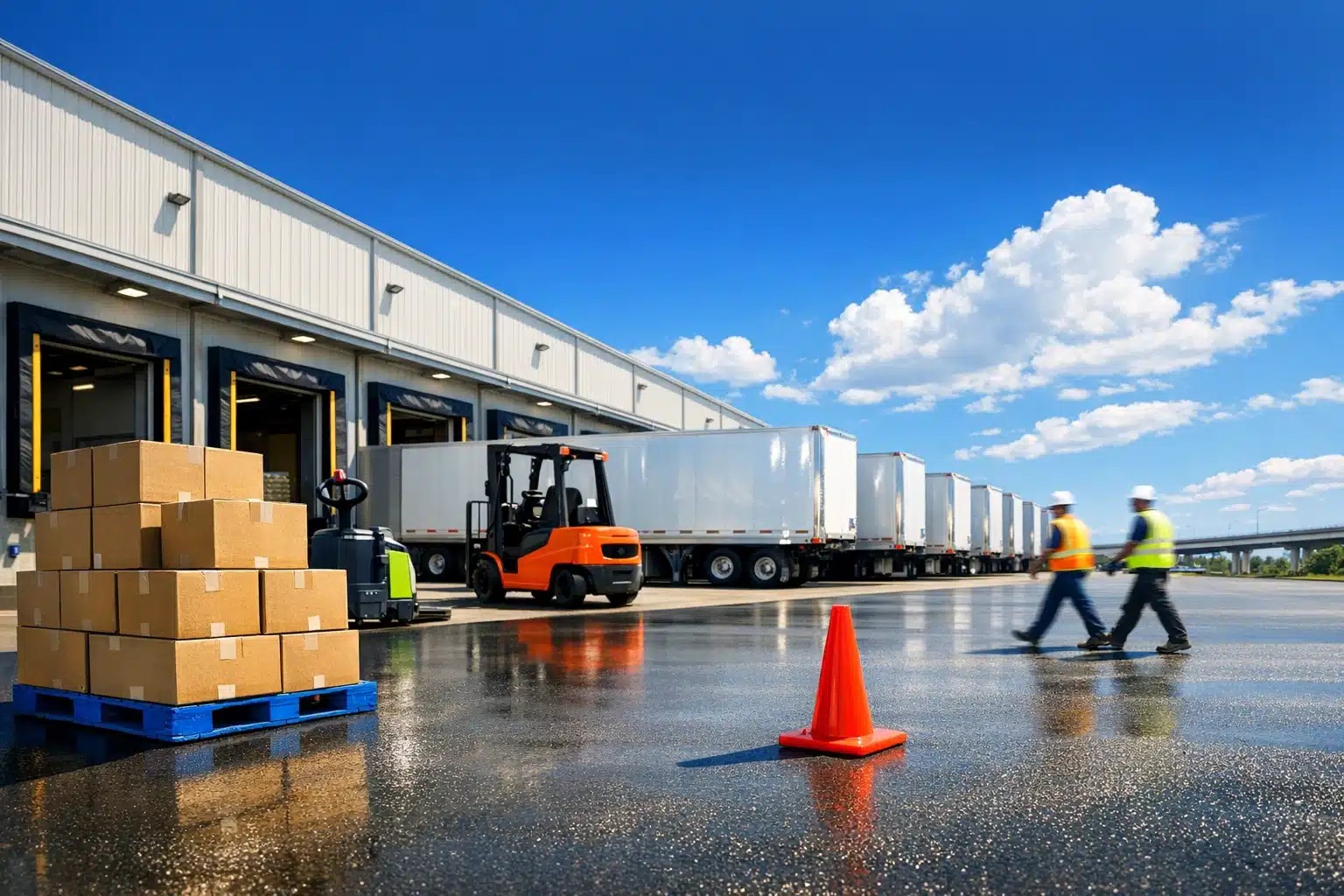
Warehouse and Logistics Jobs Hiring Now
Openings in warehouse and logistics work are easy to spot right now because modern commerce never really sleeps. Online shopping, same-day delivery expectations, manufacturing demand, and supply chain adjustments have pushed employers to recruit faster and more often. For job seekers, that creates a rare mix of accessible entry points, practical training, and room to move up. This article maps the landscape so you can understand the roles, compare the options, and apply with a clearer strategy.
Article outline:
- Why warehouse and logistics employers are hiring now
- The main job types and how they differ
- Pay, schedules, benefits, and advancement opportunities
- How to apply effectively and improve your chances
- How to choose the right path and move forward with confidence
Why Warehouse and Logistics Jobs Are Hiring Now
Warehouse and logistics hiring is strong because the movement of goods has become both faster and more complex. A generation ago, many customers expected standard shipping and were willing to wait. Today, people track packages in real time, businesses run lean inventories, and stores replenish stock more frequently. That change has raised the value of every worker who helps products move accurately and on schedule. If a warehouse is the engine room of commerce, logistics is the map, the timing, and the coordination that keeps the machine from stalling.
Several market forces are behind the hiring wave. E-commerce continues to create demand for fulfillment centers, returns processing teams, and last-mile delivery networks. Manufacturers need dependable inbound shipments of parts and raw materials. Grocery, healthcare, and cold-chain employers require fast handling because delays can affect freshness, compliance, or patient care. Third-party logistics providers, often called 3PLs, are also expanding because many brands prefer to outsource storage and shipping instead of building their own network from scratch.
Employers are not only filling new positions; many are also replacing turnover in physically demanding or shift-based roles. Warehouse work can be stable, but it is not casual work. It usually involves pace, accuracy targets, time on your feet, and careful safety habits. Because not every applicant wants that environment, companies regularly reopen roles and keep recruiting pipelines active. That is one reason you may see the same employers hiring often, especially in larger distribution hubs near highways, ports, airports, rail yards, and population centers.
Seasonality is another factor. Peak periods can arrive during major shopping holidays, back-to-school cycles, harvest seasons, and promotional events. Companies may add temporary workers first and then convert strong performers into permanent staff. In practical terms, that means a short-term opening can become a long-term career entry point for someone reliable and ready to learn.
Common hiring drivers include:
- Growth in online order volume and home delivery expectations
- More frequent inventory replenishment for retailers and wholesalers
- Expansion of regional distribution networks
- Ongoing demand for drivers, forklift operators, and inventory specialists
- Need for workers who can use warehouse management systems and scanners
For job seekers, this matters because the field offers multiple ways in. Some roles require little formal experience, while others reward technical knowledge, equipment certification, route planning ability, or analytical skill. That range makes the industry relevant to recent graduates, career changers, veterans, workers returning after a break, and people who simply want a job market with visible openings rather than vague promises.
Main Roles in Warehouse and Logistics and How They Compare
One reason this job market can feel confusing is that “warehouse and logistics” covers many different jobs. Two openings may sit on the same job board and still lead to very different workdays. A warehouse associate may spend most of the shift picking items, packing cartons, labeling pallets, or loading trailers. A logistics coordinator might spend the day on a computer and phone, tracking shipments, solving delays, and updating customers or internal teams. Both are part of the same supply chain, yet they demand different strengths.
Entry-level warehouse roles often include picker, packer, shipping associate, receiving associate, dock worker, loader, and general laborer. These jobs usually focus on physical execution. Workers may scan barcodes, verify product counts, move cartons, stage orders, and keep work areas organized. Accuracy matters because a small error can turn into a return, a stockout, or a delayed truck. Employers often look for punctuality, stamina, willingness to follow procedures, and comfort with handheld scanners or basic software.
Equipment-based roles add another layer of skill. Forklift operators, reach truck drivers, pallet jack operators, and clamp truck drivers help move goods efficiently and safely. These positions often pay more than standard entry-level work because equipment use affects productivity and safety. In some facilities, certification or previous operating experience makes a candidate much more competitive.
On the logistics side, common positions include dispatcher, logistics coordinator, inventory control specialist, route planner, transportation clerk, import-export assistant, and supply chain analyst. These roles may involve scheduling appointments, monitoring on-time performance, preparing shipping documents, communicating with carriers, checking stock discrepancies, and reviewing data in spreadsheets or a warehouse management system. The work can feel less physically intense, but it demands concentration, calm communication, and problem-solving under pressure.
Here is a simple way to compare common paths:
- Warehouse associate: good for people who prefer active, hands-on work and visible daily results
- Forklift operator: ideal for workers who want a technical edge and equipment responsibility
- Inventory control: suitable for detail-oriented people who like counts, records, and process accuracy
- Dispatcher or coordinator: best for strong communicators who can juggle timing changes and priorities
- Driver or delivery role: attractive for people who prefer time on the road and route-based independence
No single job is “better” in every situation. The right fit depends on what kind of work you enjoy, how much physical activity you want, whether you like data and scheduling, and what schedule you can handle. A person who dislikes sitting still may thrive on the warehouse floor. Someone who loves organizing moving parts may find logistics coordination surprisingly satisfying. The industry is broad enough to reward both kinds of talent.
Pay, Hours, Benefits, and Career Growth in Real Terms
One of the most practical questions any applicant asks is simple: what does the job really offer? In warehouse and logistics hiring, compensation depends heavily on geography, shift timing, employer type, and specialization. Entry-level warehouse roles often start with hourly pay that is accessible for first-time applicants, while experienced forklift operators, CDL drivers, inventory specialists, and planners can earn more because their work directly affects efficiency, compliance, or throughput. Large distribution employers may also add shift differentials for evenings, overnights, weekends, or peak seasons.
Benefits vary, but many established employers offer a package that goes beyond wages. Health coverage, paid time off, attendance bonuses, retirement plans, tuition support, and referral bonuses are common in competitive markets. Some companies promote weekly pay or rapid onboarding because speed matters when labor demand is high. Temporary agencies can provide a quick entry point, although direct-hire jobs may offer stronger long-term benefits and clearer advancement paths. That comparison matters: a fast start is useful, but so is knowing where the path leads after the first ninety days.
Scheduling is another major factor. Warehouses often run multiple shifts, including early mornings, late nights, and weekends. That creates opportunities for people who need unusual hours, but it also means applicants should be honest about stamina and availability. Peak periods can bring overtime, which some workers welcome for the extra income and others avoid because of family or transportation needs. Logistics office roles may follow more regular business hours, though dispatch and transportation functions can still involve off-hour problem solving when shipments move around the clock.
Career growth is stronger in this field than many first-time applicants expect. A worker may start picking orders, then learn receiving, then train on equipment, then move into inventory control or lead responsibilities. In a different path, a shipping clerk might become a dispatcher, then a transportation supervisor, and later move into broader operations management. Employers value people who understand the floor because practical knowledge helps when making decisions about staffing, slotting, routing, and process design.
When comparing opportunities, look closely at:
- Base pay versus likely overtime
- Shift schedule and commute time
- Training provided on equipment or systems
- Benefit eligibility and waiting periods
- Promotion patterns inside the company
- Safety culture and turnover levels
A job posting is a signpost, not the whole road. Two offers with similar pay can feel very different once you account for training quality, team stability, management style, commute cost, and future mobility. The strongest choice is often the one that balances today’s paycheck with tomorrow’s options.
How to Apply, Stand Out, and Get Hired Faster
Because many warehouse and logistics roles move quickly, the application process often rewards preparation more than perfect credentials. Employers want proof that you can show up, follow instructions, learn systems, and work safely. A polished resume helps, but reliability and clarity matter just as much. If the hiring market is a conveyor belt, your goal is to make sure your application does not slide past unnoticed.
Start by matching your resume to the role. For warehouse jobs, highlight physical work, shipping, receiving, inventory, scanner use, packing, loading, quality checks, and attendance. For logistics or dispatch roles, emphasize scheduling, customer communication, data entry, spreadsheets, shipment tracking, vendor coordination, and problem solving. Even experience from retail, food service, construction, military service, or office administration can translate well when framed around pace, accuracy, teamwork, and accountability.
Applications also move faster when candidates prepare a few direct examples. During interviews, employers often ask how you handled a deadline, fixed a mistake, learned a process, or kept up in a busy environment. You do not need dramatic stories. A simple example about meeting order targets, resolving a stock discrepancy, or helping during a rush period can show exactly what managers want to see.
Useful ways to improve your chances include:
- Apply early, especially when postings are fresh
- Use keywords from the job description honestly and naturally
- List equipment experience, certifications, and software knowledge clearly
- Confirm shift availability, transportation, and start date
- Respond quickly to calls, texts, or email screening requests
- Bring identification and work documents to interviews if requested
If you lack direct experience, focus on transferable strengths. Employers often train new hires on their specific processes, but they cannot easily train someone to care about punctuality, safety, and consistency. Mention jobs or responsibilities where you handled repetitive tasks accurately, worked with time pressure, lifted materials, or coordinated tasks with a team. Those examples are highly relevant.
It is also smart to research the employer. Read the job description carefully and understand whether the company is a retailer, manufacturer, parcel carrier, food distributor, or third-party logistics firm. The rhythm of work differs in each setting. Asking thoughtful questions about training, productivity expectations, safety practices, or promotion paths shows maturity and interest. In a crowded applicant pool, that kind of practical curiosity can set you apart more effectively than flashy language ever will.
Choosing the Right Role and Next Steps for Job Seekers
The best warehouse or logistics job is not simply the first one that appears on a hiring board. It is the role that fits your energy, schedule, income needs, and long-term goals. Some people want immediate work with minimal barriers to entry. Others are looking for a stepping stone into transportation, inventory analysis, purchasing, supply chain planning, or operations leadership. Knowing which camp you are in helps you sort opportunities more intelligently.
Begin with an honest self-check. If you prefer movement, visible tasks, and a shift that passes quickly because you are physically engaged, warehouse floor work may suit you well. If you enjoy tracking details, solving timing issues, and communicating across teams, logistics coordination may be a better match. If independence matters most, driving or route-based work can be appealing, provided you meet the licensing and safety expectations. There is no prestige gap in choosing the path that fits you; the real mistake is ignoring your strengths and ending up in a role that drains you.
It also helps to think in stages rather than labels. A first job does not have to be a forever job. Many successful operations professionals began in roles that looked modest from the outside. They learned the flow of goods, understood where delays happen, built credibility, and then stepped into better-paying or less physically demanding positions. In that sense, the warehouse floor can be more than a place to clock in. It can be a classroom with steel racks, scanner beeps, trailer doors, and lessons that no textbook explains quite as clearly.
As you compare openings, ask yourself:
- Do I want fast entry, long-term growth, or both?
- Can I manage the shift, commute, and physical demands consistently?
- Does this employer train people well or simply replace them often?
- Will I gain equipment, systems, or process knowledge that improves my next option?
- Does the job align with the kind of workday I actually enjoy?
For job seekers looking at warehouse and logistics jobs hiring now, the main takeaway is encouraging. This is one of the few broad employment areas where demand is visible, the ladder is real, and practical skills matter quickly. If you bring reliability, attention to detail, and a willingness to learn, you do not need a perfect background to make progress. Choose carefully, apply deliberately, and treat each role as both work and training. The next opening may not just pay the bills; it may quietly start a career with more momentum than you expected.