Working in Switzerland in Hotel Hospitality: A Practical Guide
Few countries combine scenery and structure quite like Switzerland, where a breakfast shift can begin under snowy peaks and end with standards measured to the minute. For hospitality workers, that mix creates both appeal and pressure, because guests often expect calm precision rather than improvised charm. Understanding the market before applying is essential, especially when housing, permits, and regional language differences can shape daily life as much as the job itself. The guide below maps the terrain clearly so you can judge whether Swiss hotel work fits your goals.
Outline
- The structure of the Swiss hotel market and the regions where jobs are most common
- The roles, skills, languages, and service standards employers usually expect
- Pay, contracts, working hours, housing, and the high cost of living
- Permits, recruitment cycles, application strategy, and practical job search steps
- A final assessment for readers deciding whether Swiss hotel hospitality suits their career plans
1. Understanding the Swiss Hotel Market and Why It Attracts Workers
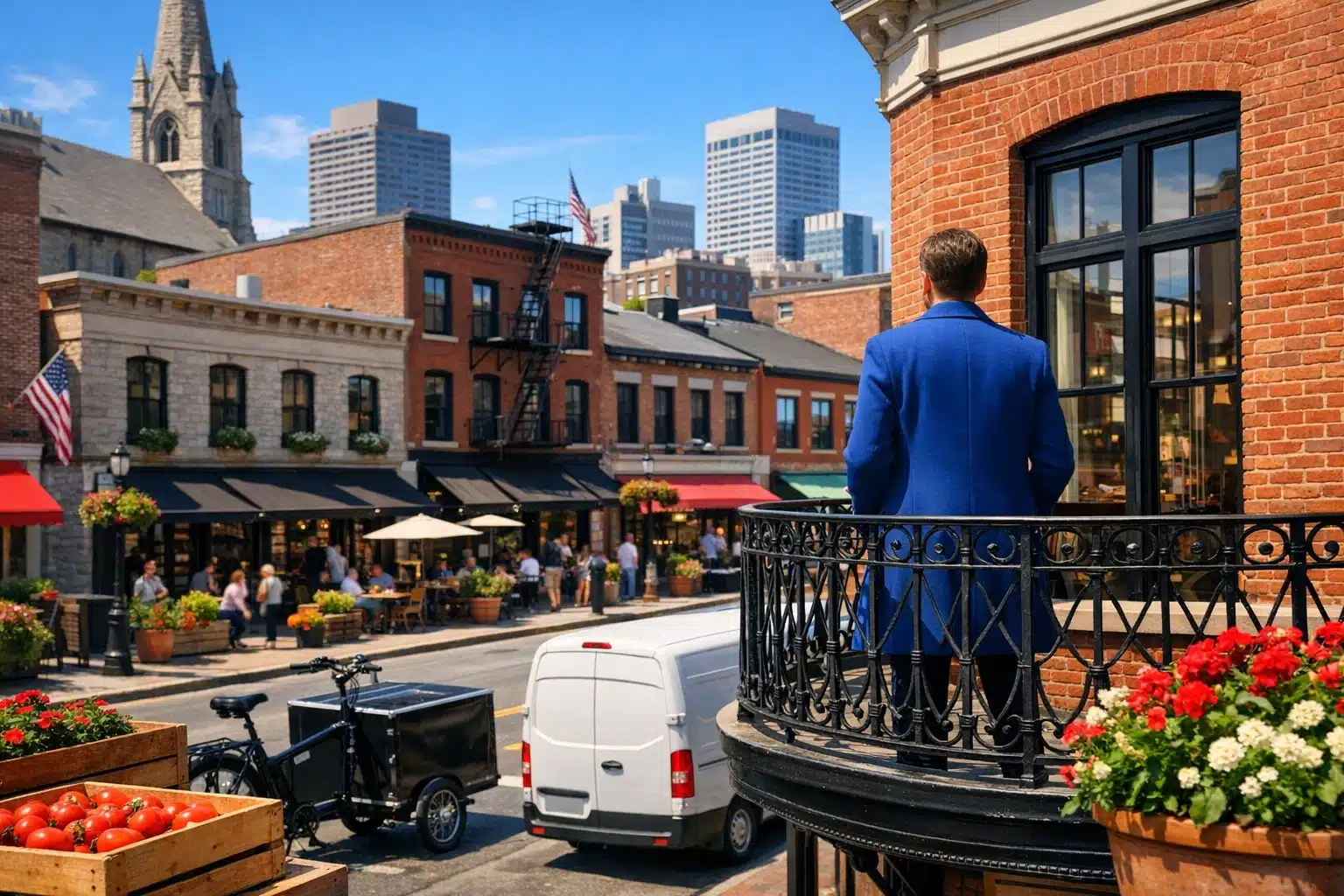
Switzerland has an unusually strong reputation in hospitality because tourism is woven into the country’s economic identity. Luxury city hotels, conference properties, wellness resorts, ski lodges, and family-run alpine houses all operate within a culture that values punctuality, cleanliness, and discreet service. In recent years, the country has recorded well over 40 million overnight stays annually, showing that demand is not limited to a single niche. Business travelers support major cities such as Zurich, Geneva, and Basel, while leisure tourism drives destinations like Zermatt, St. Moritz, Verbier, Interlaken, and Lucerne. That variety matters for job seekers, because working life in Swiss hospitality changes dramatically depending on where you land.
A mountain resort hotel often runs on seasonal intensity. Winter and summer peaks can feel like a moving train: once it starts, the whole team keeps pace together. Staff may work in a more communal environment, sometimes living in employer-arranged accommodation, sharing meals with colleagues, and dealing with guests whose expectations are high because they are paying premium rates for a memorable holiday. By contrast, an urban business hotel may offer more stable year-round demand, more standardized shifts, and more exposure to conference operations, executive travelers, and international corporate standards.
One reason people aim for Switzerland is that the country adds a recognizable line to a hospitality CV. Employers elsewhere often associate Swiss experience with discipline, service consistency, and familiarity with multicultural guests. There is also a long-standing prestige linked to Swiss hospitality schools and luxury service culture, even if not every hotel is glamorous. Some jobs are physically tiring and highly practical, especially in housekeeping, stewarding, and kitchen production. The postcard image is real, but it only shows half the picture.
Common employment zones include:
- German-speaking cantons, where many large hotels and resorts operate with German as the main workplace language
- French-speaking areas, especially around Geneva, Lausanne, and Montreux, where luxury and business travel are significant
- Italian-speaking Ticino, where hospitality has a different regional feel and strong seasonal rhythms
- Alpine destinations, where hotels often hire heavily for winter sports and summer hiking seasons
The central argument is simple: Switzerland is attractive not merely because it is beautiful, but because it combines strong tourism demand with a service culture that can sharpen a hospitality career. At the same time, that same professionalism makes entry more demanding than many applicants expect.
2. Roles, Skills, Languages, and What Swiss Employers Usually Expect
Swiss hotels hire across the full hospitality chain, from entry-level operational roles to specialized management positions. The most common vacancies tend to include housekeeping attendants, room porters, servers, bartenders, receptionists, reservation agents, cooks, pastry staff, spa personnel, maintenance workers, and supervisors. In larger properties, roles are often segmented with clear reporting lines, while smaller hotels may ask one employee to cover several functions. That difference is important. A luxury resort with multiple outlets may value deep specialization, but a compact family hotel may prefer someone who can help at breakfast, handle a guest request, and switch easily between front and back of house.
Language ability often decides who gets interviewed. English is widely useful, especially in international hotels, but it is not always enough on its own. Front desk and guest-facing positions commonly favor applicants who can speak the dominant local language of the region, whether German, French, or Italian. Even basic local language ability can raise your chances because it helps with guest communication, team coordination, and routine tasks such as understanding safety instructions or internal briefings. In back-of-house departments, language requirements may be more flexible, but communication still matters.
Employers usually look for a blend of technical competence and behavioral reliability. A polished CV opens the door, but everyday habits keep it open. The strongest candidates typically show:
- Previous experience in hotels, restaurants, or resorts with measurable responsibilities
- Comfort with fast-paced service and physically active shifts
- Attention to detail in cleanliness, timing, grooming, and guest interaction
- Language skills relevant to the region and the guest profile
- Professional references that confirm punctuality and teamwork
The service style in Switzerland can surprise newcomers. In some countries, hospitality leans on warmth and improvisation; in Switzerland, warmth still matters, but structure often comes first. A guest may remember the view from the terrace, yet management is equally focused on whether check-in was accurate, breakfast was reset on time, and standards were followed without reminders. That is why employers value calm, methodical staff who do not lose rhythm when the dining room fills or late arrivals appear at the desk.
Training also helps. Formal hospitality diplomas, culinary certificates, or apprenticeships can strengthen an application, particularly for kitchen, front-office, and supervisory roles. Still, practical experience often speaks louder than theory for operational jobs. Someone who has survived a busy ski season or a fully booked summer resort already understands the hidden mechanics of guest service: the speed, the fatigue, the diplomacy, and the quiet art of fixing problems before they become complaints.
3. Pay, Contracts, Housing, and the Reality of Everyday Working Conditions
One of the biggest reasons people look at Switzerland is pay. Wages in Swiss hospitality are often higher than in many neighboring countries, but salary figures only make sense when you place them next to living costs. Switzerland does not have a single national minimum wage across all sectors, and actual earnings vary by canton, job type, employer size, experience, and whether a hotel follows the industry collective labor framework often known as L-GAV. In practice, many hospitality roles are shaped by structured wage tables, classification levels, and rules on working time, rest, and deductions. That creates more predictability than in many loosely regulated markets, although it does not eliminate pressure.
Entry-level roles can offer gross monthly pay that appears attractive at first glance, yet rent, health insurance, transport, and food are expensive by European standards. A staff room in a resort may reduce costs significantly, while private accommodation in Geneva or Zurich can consume a large share of income. This is why two jobs with similar salaries may produce very different real outcomes. A mountain hotel that provides subsidized housing and staff meals might leave you with more usable income than a city hotel paying slightly more but offering no practical support.
When comparing offers, look beyond headline salary. Ask about:
- Whether accommodation is provided, optional, or unavailable
- Meal arrangements during shifts
- Weekly hours and whether split shifts are common
- Overtime compensation or time-off rules
- Holiday entitlement, probation period, and notice period
- Whether a 13th-month salary or similar annual payment applies
The work itself can be demanding. Hospitality in Switzerland often means early starts, weekend duty, public holiday shifts, and intense peak periods. Housekeeping is physically repetitive, kitchen work can be hot and relentless, and front-office teams must stay composed through language barriers, last-minute requests, and premium guest expectations. Tipping exists, but it usually plays a smaller role than in systems where service staff rely heavily on gratuities. Stable pay is more central than dramatic tip income.
There is also a quality-of-life trade-off. Swiss transport is efficient, streets are orderly, and many staff appreciate the personal safety and predictable systems. At the same time, the social rhythm can feel expensive and disciplined. Going out casually, finding affordable long-term housing, or adjusting to local bureaucracy may take time. The strongest job decision is therefore not “Which hotel pays most?” but “Which contract creates the best overall living situation?” In Swiss hospitality, that question is often the difference between a rewarding season and a stressful one.
4. Permits, Recruitment Cycles, and How to Apply Strategically
Getting hired in Switzerland depends not only on skill, but also on legal access to work. This is where many applicants lose momentum. Citizens of EU and EFTA countries generally have a more straightforward route, especially when they secure a valid job offer and complete the necessary registration procedures in the canton of employment. Non-EU applicants usually face stricter rules, and employers often need to justify the hire more carefully. In practical terms, this means hotel groups may be more open to non-EU candidates for specialist, experienced, or hard-to-fill positions than for basic entry-level jobs.
Recruitment timing matters. Resorts often hire months before the winter ski season and the summer high season, while city hotels may recruit more continuously. Sending applications too late can leave you chasing roles that are already informally filled. A smart approach is to track demand cycles. For winter jobs, serious hiring frequently begins in late summer or early autumn. For summer roles, many employers plan in winter or early spring. Larger chains may publish vacancies on their own career pages, while independent hotels may use regional boards, hospitality networks, or direct email applications.
A strong Swiss-style application is usually neat, factual, and easy to scan. Include a clear CV, relevant experience, language ability, availability dates, and references. Some employers still appreciate certificates, recommendation letters, or a concise cover letter tailored to the property. Useful preparation steps include:
- Researching the hotel’s segment, guest profile, and seasonality before applying
- Adapting your CV to the exact role instead of sending a generic file everywhere
- Checking permit rules through official Swiss and cantonal sources
- Preparing for interviews that test reliability, schedule flexibility, and service mindset
- Asking practical questions about housing, uniforms, meals, and start dates
Be alert to realism as well. Switzerland’s reputation attracts many hopeful applicants, which means competition can be strong. If you have limited language skills and no hotel background, targeting housekeeping support, kitchen assistance, or seasonal operational roles may be more realistic than aiming immediately for front-office positions in luxury properties. On the other hand, experienced chefs, receptionists with multilingual ability, and supervisors from quality hotels can be very competitive candidates.
One useful rule is to treat the process like a professional project, not a dream purchase. The mountains may sparkle in recruitment photos, but hiring managers focus on attendance, competence, and legal eligibility. The more precisely you present those three elements, the more credible your application becomes.
5. Final Thoughts for Future Swiss Hotel Staff
If you are considering hospitality work in Switzerland, the best mindset is neither romantic optimism nor unnecessary caution. Think of it as a serious career move into a demanding but respected market. For ambitious hospitality workers, Swiss experience can be valuable because it demonstrates exposure to organized operations, international guests, and exacting service standards. It can help early-career workers build discipline, and it can help experienced professionals refine their profile in luxury, resort, culinary, or front-office environments.
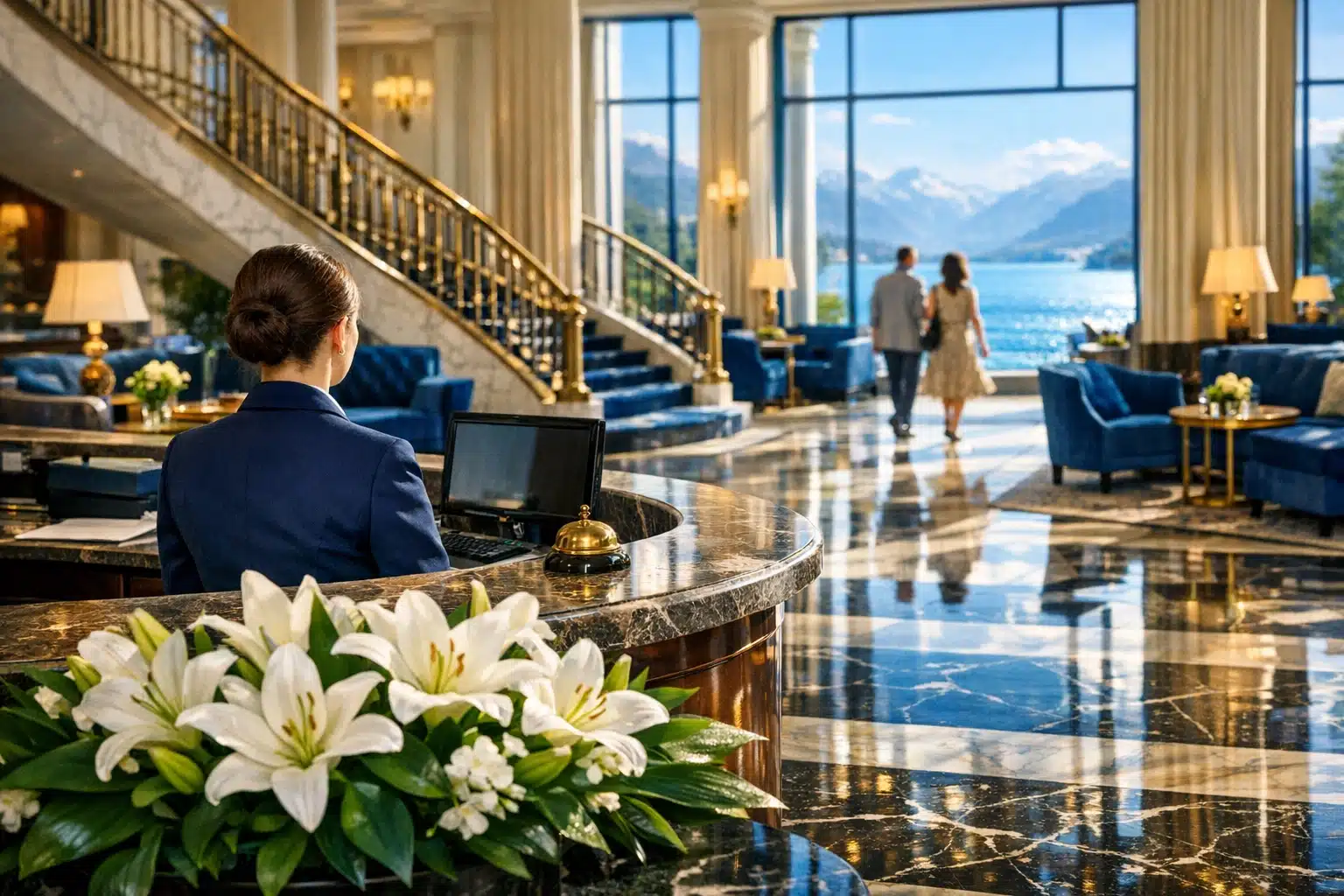
That said, Switzerland is not automatically the right choice for everyone. It tends to suit people who can handle structure, routine, punctuality, and the pressure of delivering polished service repeatedly. If you enjoy improvising around weak systems, dislike formal standards, or expect scenic surroundings to compensate for hard shifts, the adjustment may be difficult. Behind the polished brass of a lakeside hotel or the warm wood of a mountain lodge, the work is still work: trays still need carrying, rooms still need turning, and guests still notice what is missing before they praise what is perfect.
For readers ready to move forward, a practical plan is more useful than broad inspiration. Focus on the basics first:
- Choose a region that matches your language skills and lifestyle preferences
- Target roles aligned with your actual experience rather than your ideal image
- Compare full contract conditions, not salary alone
- Confirm permit requirements before investing heavily in the search
- Apply early for seasonal roles and maintain organized follow-up
The most successful candidates usually arrive with clear expectations. They understand that Swiss hospitality offers stronger structure than many markets, but also higher living costs and less room for casual improvisation. If that trade-off works for you, the rewards can be meaningful: a stronger CV, good operational training, exposure to global guests, and the chance to live in one of Europe’s most visually striking countries while doing tangible, skilled service work.
In short, Switzerland is worth considering for hotel professionals who want rigor, credibility, and long-term development rather than easy glamour. If you prepare carefully, read contracts closely, and aim for a realistic fit, the experience can be both professionally useful and personally memorable.