1 Euro Houses in Italy: Which Regions and Municipalities Really Offer Them?
Outline and Why the 1 Euro House Story Matters
A one-euro house in Italy sounds like a postcard dream with a price tag from another century, yet the reality is far more practical and far more interesting. These schemes are usually local regeneration projects created by small municipalities that want empty homes restored, streets repopulated, and historic centers brought back to life. The real question is not whether the price exists on paper, but where genuine offers appear and what buyers are actually expected to do next.
Before diving into specific places, it helps to frame the subject clearly. There is no permanent nationwide marketplace in which all Italian one-euro homes sit neatly sorted by region. Instead, individual municipalities publish their own notices, often called a bando, and each notice can differ in timing, property availability, guarantees, renovation deadlines, and buyer obligations. That is why the phrase one-euro house is both true and incomplete. The euro is symbolic; the project behind it is the real story.
This article follows a practical outline:
- How the one-euro model works and why it exists.
- Which regions and municipalities have been most consistently associated with genuine offers.
- Why southern and island regions appear more often than central and northern ones.
- What the real costs, deadlines, and legal checks look like in practice.
- How a buyer can tell whether an offer is active, credible, and suitable.
The topic matters because interest in these houses has expanded far beyond Italy. International buyers, Italians living abroad, remote workers, renovation enthusiasts, and retirees are all drawn to the same tantalizing idea: buy cheaply, restore thoughtfully, and become part of a living town instead of a resort fantasy. Yet not every village that appears in a headline still has homes available, and not every low-cost listing is part of a genuine one-euro initiative.
So the article takes a grounded approach. It focuses on places that have been publicly linked to real municipal programs, while also stressing that availability changes. In short, a one-euro house is not a magic loophole in the property market. It is a civic bargain. The town offers access to neglected housing at a symbolic price, and in return the buyer commits money, time, planning, and patience. If that exchange appeals to you, the regions and municipalities below are the ones worth understanding first.
Where One-Euro Houses Are Most Common: Sicily, Sardinia, Calabria, and the Southern Pattern
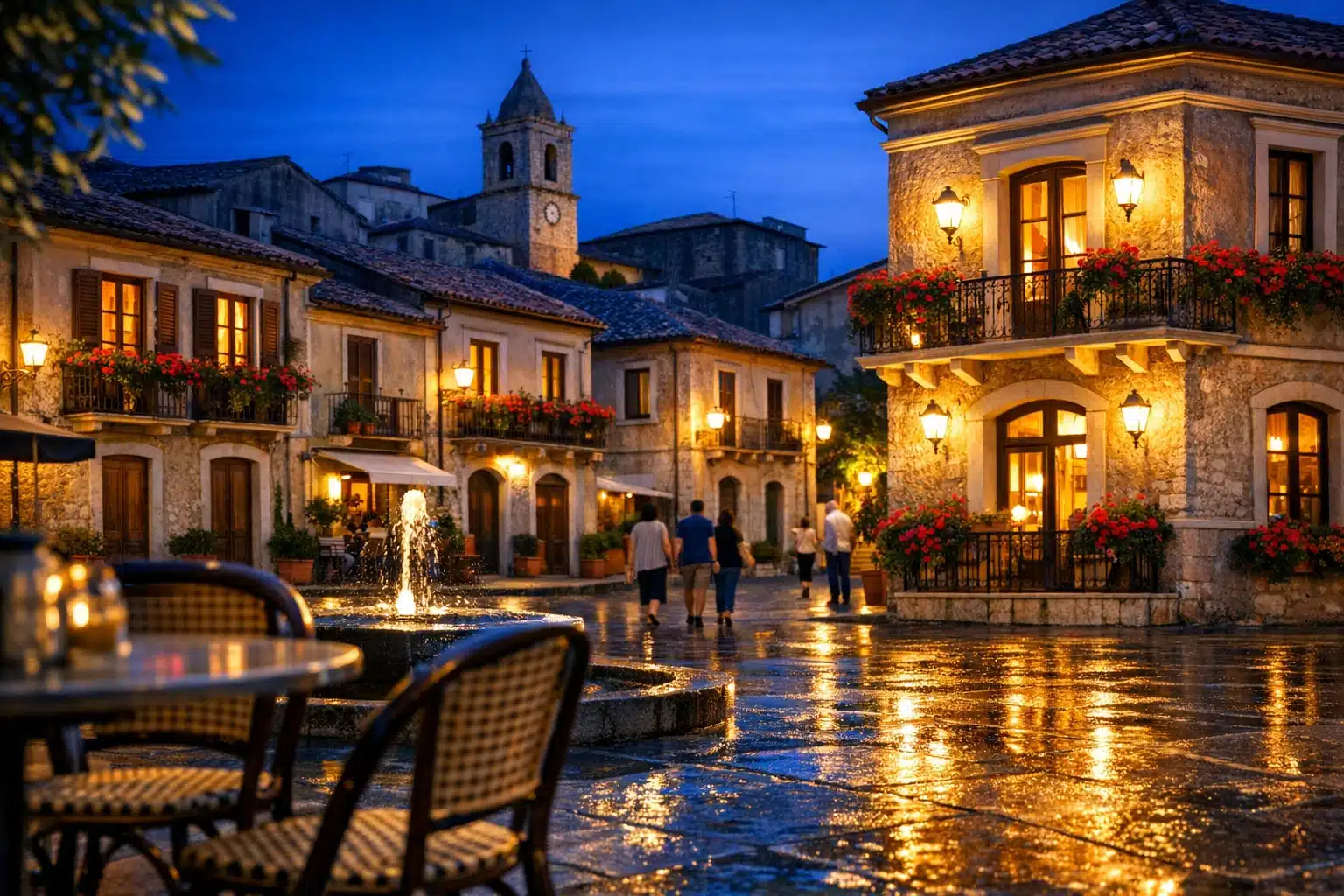
If you ask where one-euro houses are most likely to be found in Italy, the clearest answer starts in the south and on the islands. Sicily, more than any other region, has become the symbolic capital of the movement. That is not accidental. Many Sicilian towns have beautiful historic centers, aging populations, inherited homes left empty for years, and municipal administrations that see renovation as a tool against decline. In these places, the one-euro formula is less about bargain hunting and more about stitching life back into old streets.
Among the Sicilian municipalities most frequently associated with the scheme are Sambuca di Sicilia, Mussomeli, Cammarata, Troina, Gangi, and Bivona. Their programs have not always been identical, and some phases have involved auctions, specific application windows, or inventories that later ran out. Still, Sicily remains the region most strongly linked to genuine municipal offers. Sambuca became internationally famous thanks to media coverage and buyer interest from abroad, while Mussomeli and Cammarata have often been cited for making information accessible to foreign applicants. Troina and Gangi helped reinforce the idea that inland towns, not just postcard coasts, are central to this story.
Sardinia forms another important cluster, though usually on a smaller scale and with less global noise. Ollolai is one of the best-known examples, and towns such as Romana and Nulvi have also been associated with symbolic-price initiatives or closely related revival schemes. Sardinian programs often appeal to buyers who want village life, stone houses, and slower rhythms rather than a pure investment play. The atmosphere can feel almost literary: steep lanes, old facades, and the sense that the property comes with a social contract as much as a deed.
Calabria also deserves a firm place on the map. Cinquefrondi is one of the clearest public examples from the region, and other Calabrian municipalities have experimented with similar revival models. Compared with Sicily, the number of headline-grabbing towns is smaller, but the underlying logic is very similar: depopulation, empty housing stock, and a push to make the historic core livable again.
A useful way to read the geography is this:
-
Sicily has the deepest and most recognizable concentration of true one-euro initiatives.
-
Sardinia has credible and appealing cases, often tied closely to village identity and heritage.
-
Calabria has real examples, though usually with less volume and less international visibility.
-
Other southern regions may produce occasional offers, but not with the same consistency.
This southern pattern does not mean that every listed town always has properties available. Calls open and close, documents are updated, and houses may be allocated quickly. Still, if someone wants to know where the one-euro house phenomenon is most real rather than merely rumored, the strongest answer remains the same: start with Sicily, then look closely at Sardinia and selected municipalities in Calabria.
Beyond the Headlines: Abruzzo, Piedmont, Isolated Cases, and Why the Map Keeps Changing
Once the conversation moves beyond Sicily and Sardinia, the picture becomes more fragmented. One-euro houses do exist outside the classic southern and island zones, but they appear less as a regional wave and more as isolated municipal experiments. That distinction matters. A buyer who searches by region alone may assume that every area in Italy has an active stock of symbolic-price homes. In reality, central and northern Italy tend to offer fewer examples, shorter application windows, and less continuity from one year to the next.
Abruzzo is one of the most discussed cases outside the south-island core. Penne, for example, drew attention for preparing vacant homes in its historic center for symbolic-price transfer in order to encourage restoration. This made sense in local terms: the town has architectural charm, underused buildings, and a need to bring owners and residents back into older areas. Yet even in a place like Penne, the scheme should not be interpreted as an endless catalogue. Municipalities announce rounds, verify ownership issues, and release homes only when paperwork allows.
In the north, Piedmont has offered one of the more memorable examples through Borgomezzavalle. That municipality became known not only for symbolic housing offers but also for broader incentives aimed at attracting new residents. The northern version of the story often feels different from the Sicilian one. Rather than a large stock of abandoned houses in inland historic centers, the emphasis may be on very small alpine or mountain communities trying to keep schools, shops, and civic life alive.
Why are there fewer one-euro houses in central and northern Italy? Several structural reasons help explain the difference:
-
Housing markets are often stronger, so owners have less reason to transfer properties symbolically.
-
Abandoned stock may exist, but legal ownership chains can be more complicated than the headlines suggest.
-
Renovation costs in higher-demand areas can make the model less attractive to municipalities and buyers alike.
-
Some towns prefer alternative formulas such as discounted sales, grants, or residency incentives instead of the one-euro label.
This is also why internet searches can be misleading. A town may remain famous years after its initial launch, even when its first batch of homes has already been assigned. Another town may announce a similar project but never build the same international profile. Tuscany, Liguria, Veneto, and Lombardy are often imagined by buyers as likely places for one-euro homes because they are well known abroad, but in practice they are not the strongest clusters for this specific model. When opportunities appear there, they are more likely to be exceptional than typical.
So which regions and municipalities really offer them? The careful answer is that the most durable concentration has been in Sicily, followed by notable cases in Sardinia and Calabria, with additional but less frequent opportunities in places such as Abruzzo and Piedmont. The map changes because the scheme is local, not national, and because every offer depends on active municipal administration, available properties, and owners who are willing to participate.
The Real Price of a One-Euro Home: Deposits, Renovation Rules, and the Costs Buyers Forget
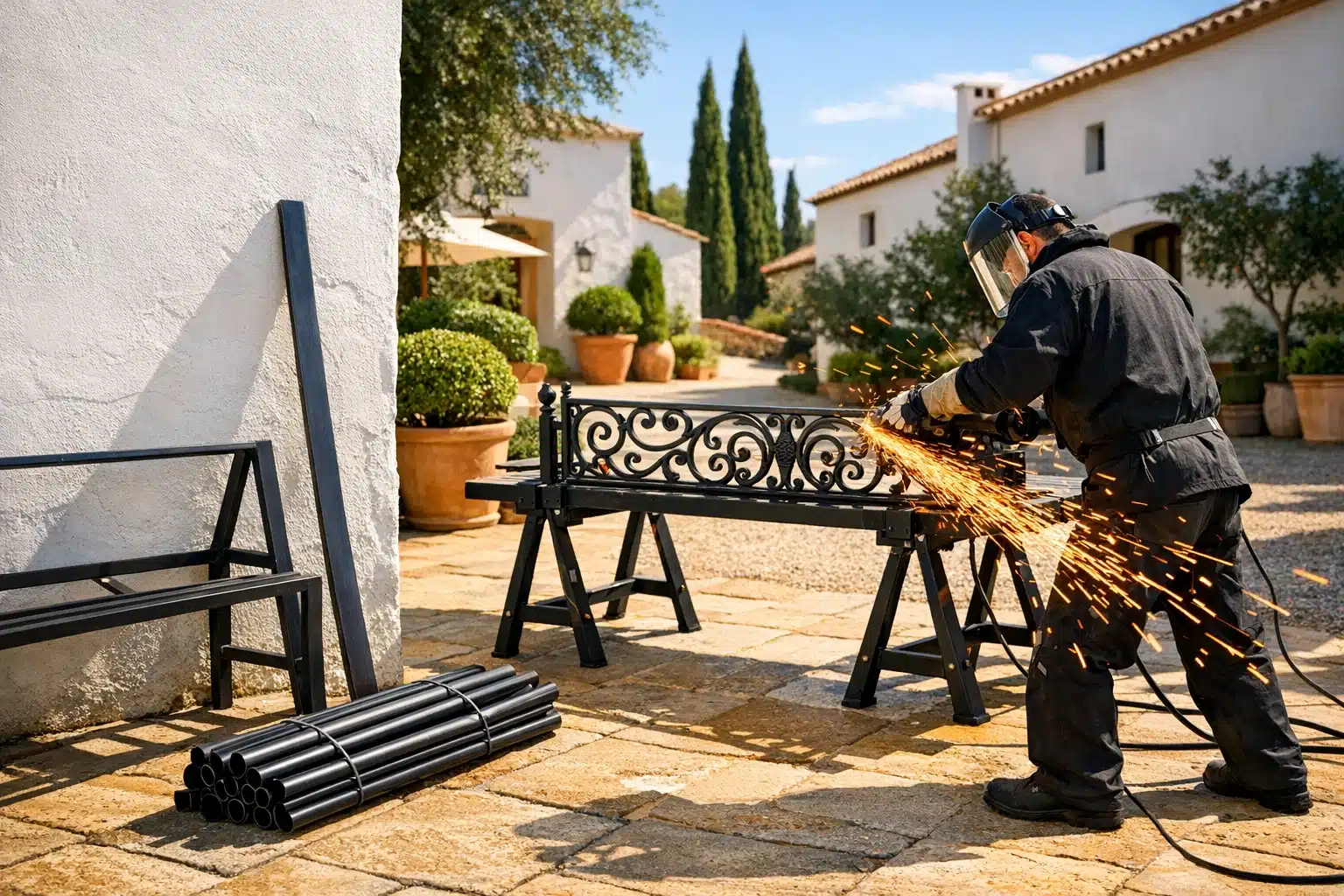
The most important truth about Italy’s one-euro houses is that the euro itself is usually the smallest figure in the entire process. Buyers are not purchasing a ready-to-enjoy cottage with fresh shutters and lemon trees already behaving for the photograph. They are usually taking responsibility for a property that has been empty for years, may need structural work, and often sits inside a tightly regulated historic center. The key turns with a whisper, but the invoice arrives with a thud.
Most municipalities require a formal commitment from the buyer, often backed by a deposit or guarantee. Depending on the town and the rules in force at the time, that guarantee can fall in the low thousands of euros, commonly around a few thousand rather than a token amount. The purpose is simple: the municipality wants to discourage speculative applications and ensure that whoever buys the home actually follows through with renovation.
Then come the practical expenses. These often include:
-
Notary fees and registration costs.
-
Cadastral and land registry checks.
-
Architect or surveyor fees for project design and compliance.
-
Building permits and safety documentation.
-
Construction work, utilities, roof repairs, plumbing, and electrical updates.
-
Insurance, waste taxes, and possible local property taxes depending on use.
For many buyers, the real threshold begins in the tens of thousands of euros. A modest renovation may still cost far more than the purchase price suggests, while a structurally compromised home can push the budget much higher. Exact totals vary sharply by location, size, labor availability, and heritage restrictions. A compact house needing cosmetic work might remain manageable; a multi-level stone property with a weak roof, damp walls, and outdated systems can become a full restoration project.
Deadlines matter too. Municipal calls often require buyers to submit a renovation plan within a set period and complete work within a defined number of years. Missing those deadlines may lead to loss of the guarantee or cancellation of the agreement. Some towns also ask buyers to declare intended use, whether as a primary residence, second home, or hospitality project, though rules differ widely.
Another frequently overlooked issue is distance management. Foreign buyers sometimes imagine that a house can be purchased during a long weekend and restored from a laptop. In practice, someone needs to handle site visits, permits, contractors, and inevitable surprises behind old plaster. Translation, local administration, and utility connections can all take time. A romantic staircase covered in dust may look cinematic; a missing sewer connection is less photogenic.
That is why the best buyers are usually those who treat the scheme as a restoration commitment, not a shopping trick. If you understand the true cost structure, the project can still be compelling. But once fees, planning, labor, and time are added together, the phrase one-euro house should be read as an invitation to rebuild, not a promise of instant low-cost ownership.
Conclusion for Buyers: How to Verify a Real Offer and Decide Whether It Fits Your Life
For prospective buyers, the most useful takeaway is not simply a list of towns, but a method. Yes, genuine one-euro house programs have appeared in Italy, and the strongest concentration has been in Sicily, with additional credible examples in Sardinia, Calabria, Abruzzo, and isolated municipalities such as Borgomezzavalle in Piedmont. But a famous town name is only the beginning. What matters is whether a current municipal call is open, whether properties are still available, and whether your budget matches the actual work required.
If you are seriously considering one of these homes, start with verification rather than fantasy. A reliable process usually looks like this:
-
Check the official municipal website for the current bando or public notice.
-
Confirm whether the initiative is active, paused, or already fully assigned.
-
Request the property list, maps, and any technical files that are available.
-
Ask about deposits, deadlines, and whether a renovation project must be submitted by a licensed professional.
-
Arrange an inspection with a local surveyor, architect, or engineer before committing.
-
Build a budget that includes contingencies rather than relying on the symbolic sale price.
This route tends to suit a specific kind of buyer. It can work well for people who enjoy restoration, have patience for paperwork, and want a long-term relationship with a place. It may also appeal to Italians abroad hoping to reconnect with ancestral regions, to remote workers seeking a slower base, or to lifestyle buyers who value community over short-term resale. It is less suitable for anyone looking for a turnkey second home or a guaranteed quick profit.
In plain terms, the regions where you are most likely to encounter real one-euro opportunities are still the ones facing the strongest combination of depopulation, vacant inherited housing, and local political will to intervene. That is why Sicily remains the standout region, why Sardinia and Calabria continue to attract attention, and why other regions appear only intermittently. The market is not broad, but it is genuine.
If the idea still appeals to you after the practical details, that is a good sign. The one-euro house is at its best when it attracts buyers who love the work as much as the dream. Italy is offering more than cheap walls. In the right municipality, it is offering a chance to restore a building, join a community, and take part in the slow, demanding, and surprisingly meaningful business of bringing a place back to life.