Why Some Seniors Are Choosing Mobility Devices Instead of Traditional Walkers
Introduction and Outline
Mobility changes can turn familiar routines into small daily negotiations, and that is why the tools seniors use matter so much. Many older adults who once accepted a basic walker without question are now exploring devices built for comfort, posture, rest, and longer outings. The shift is not about vanity or gadgets. It reflects a practical goal: staying steady while keeping enough confidence to keep moving through ordinary life.
According to the CDC, one in four adults aged 65 and older falls each year in the United States, which helps explain why mobility choices deserve real attention. A traditional walker can be very effective, especially after surgery or during rehabilitation, but it is not the perfect fit for every body, home layout, or daily routine. As product design has improved, seniors have started comparing older fixed-frame models with rollators, upright walkers, transport chairs, and scooters that solve different problems. This trend is not a rejection of walkers as a category. It is a sign that people are asking more precise questions about comfort, safety, and independence.
The discussion is also timely because older adults are living longer, staying active later in life, and expecting mobility aids to do more than help them shuffle from one room to another. Many want to walk the dog, browse a grocery store, attend church, travel with family, or simply spend time outdoors without feeling exhausted halfway through the plan. A standard walker can feel sturdy indoors, yet awkward on sidewalks, tiring over distance, and frustrating when there is nowhere to sit and rest. That gap between basic support and real-world usefulness is where newer mobility devices have found their audience.
To keep the article practical, the next sections follow a clear outline of the topic:
- Which devices seniors are choosing instead of a traditional walker
- How these options compare in stability, comfort, and daily use
- Why features such as seats, larger wheels, and better posture support matter
- When a standard walker may still be the better choice
- How seniors and families can select a device safely and realistically
Mobility, after all, is more than movement measured in steps. It is the ability to remain present in one’s own life. When the right device restores that feeling, even a short walk to the mailbox can feel less like a challenge and more like a return.
What Devices Are Seniors Choosing Instead of a Traditional Walker?
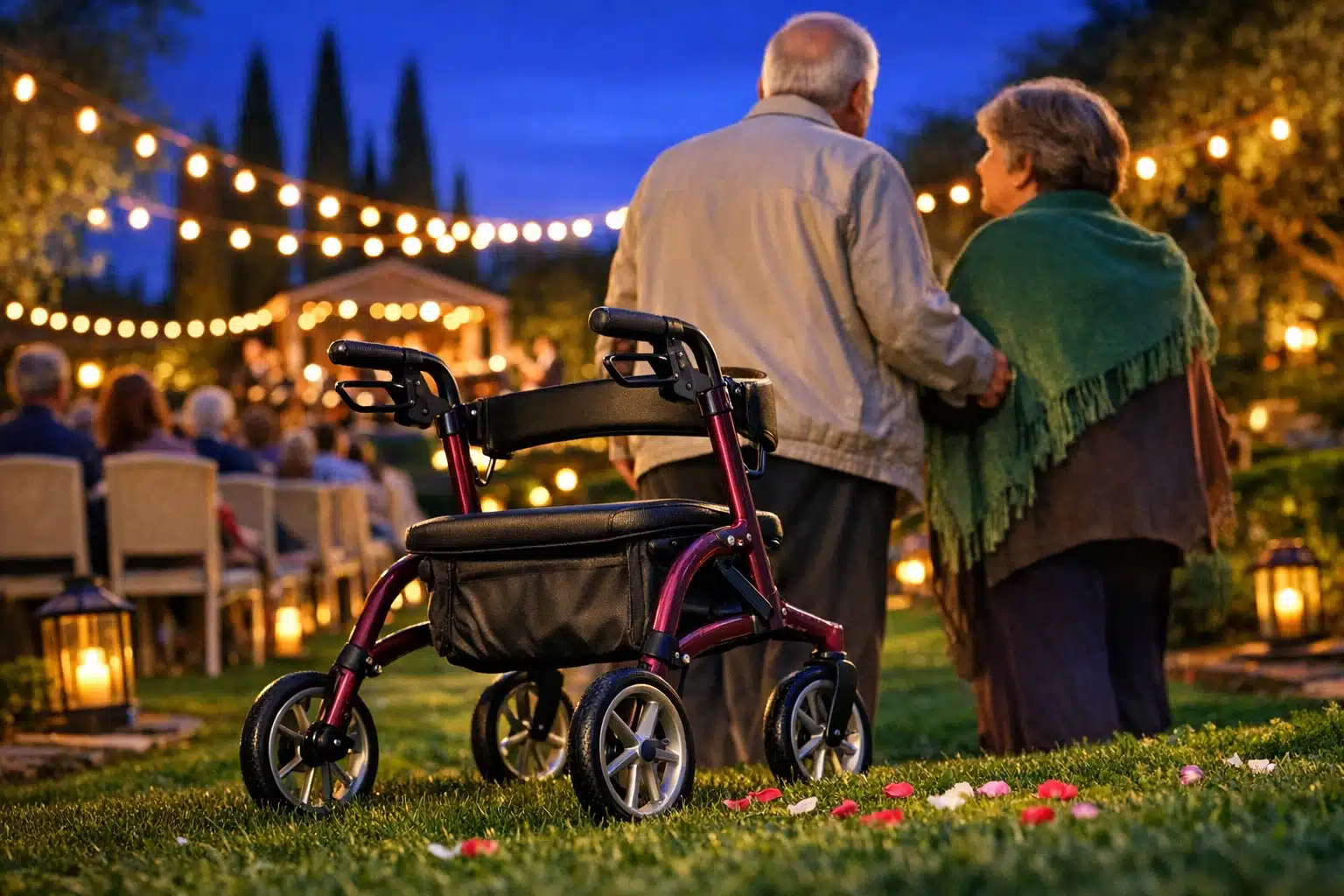
When people hear that seniors are replacing walkers, they sometimes imagine one magic product taking over the whole category. In reality, several mobility devices are filling that role, each suited to different needs. The most common alternative is the rollator, a four-wheeled walker with hand brakes, a seat, and often a storage basket or pouch. Unlike a standard walker that must be lifted or advanced manually, a rollator rolls forward smoothly, which can make it easier for people who still walk independently but tire easily or need brief rests.
Another growing option is the upright walker. This style places the user’s forearms on padded supports and encourages a more upright posture than the hunched position many people adopt with standard walkers or even some rollators. For seniors with back discomfort, neck strain, or shoulder fatigue, that change in body position can be meaningful. It does not cure posture problems, and it is not right for everyone, but it can feel more natural for users who dislike leaning forward. In plain terms, the difference is often felt before it is fully explained: less staring at the floor, more looking ahead.
Some seniors also move beyond walking aids altogether for specific situations. A transport chair can be useful for long medical appointments, airports, museums, or family outings when walking endurance is low but occasional seated mobility is enough. A mobility scooter may help someone who can transfer safely and manage controls but cannot comfortably walk long distances in stores or community spaces. These devices are not direct substitutes for indoor walking support, yet they often replace the walker in real-world errands because they conserve energy and reduce fall-related anxiety.
A simple comparison shows why the market has widened:
- Traditional walker: often offers strong stability, especially for rehab or significant balance issues, but can be slower and more tiring over distance.
- Rollator: better for longer walks, outdoor paths, and users who benefit from a built-in seat, but requires brake control and enough balance to manage rolling movement.
- Upright walker: may improve comfort and visual awareness for some users, but can be bulkier and may not suit very narrow spaces.
- Transport chair: excellent when walking tolerance is limited, though it usually requires a companion to push.
- Mobility scooter: useful for longer community distances, but it is not a replacement for safe standing or household walking.
The key point is that seniors are not abandoning support. They are matching support to the situations that actually fill a week: hallways, sidewalks, waiting rooms, parking lots, and the long aisles of a supermarket that can feel twice as long on a bad day.
Why Newer Mobility Devices Appeal to Many Older Adults
The appeal of newer mobility devices often begins with a simple issue: energy. A standard walker can be dependable, but it may ask more of the user than people realize. Lifting it repeatedly, steering it through thresholds, and managing it over longer distances can become tiring, especially for someone with arthritis, reduced stamina, or chronic back pain. A rollator or upright walker changes that experience by reducing the stop-and-lift rhythm. Instead of feeling like every few steps require a reset, movement can become smoother and less draining.
Comfort is another major reason for the shift. Many seniors describe traditional walkers as medically useful but personally discouraging. They can feel institutional, limited, or awkward in social settings. A rollator with a padded seat, storage bag, and easier maneuverability feels more adaptable to real life. Someone can carry groceries, bring a water bottle, pause to rest, and keep going. That may sound small, yet small practical improvements are often what protect independence. If a device makes it easier to join a grandchild at the park, browse a garden center, or stand in line without panic, it is doing more than aiding gait. It is preserving participation.
Posture matters too. Some seniors lean heavily over a standard walker, placing stress on the wrists, shoulders, and lower back. Upright walkers aim to shift the body into a more erect position, which can improve comfort for some users and help them look forward rather than down. That forward gaze matters in crowded spaces because it can improve awareness of people, curbs, and changes in terrain. Clinicians still need to assess whether the user has the balance, coordination, and height fit for such a device, but the interest is understandable. Nobody enjoys moving through the world as if folded over a frame.
There is also a psychological layer that families sometimes overlook. Mobility devices carry emotional meaning. A senior who rejects a standard walker may not be rejecting safety. They may be reacting to how the device makes them feel: older, more dependent, or less capable than they believe themselves to be. A newer device can sometimes bridge that gap by feeling more modern, more flexible, and less stigmatizing. While appearance should never outweigh safety, dignity is not trivial. People are more likely to use equipment consistently when it fits both their body and their sense of self.
Several features commonly influence that preference:
- A built-in seat for planned or unplanned rest breaks
- Larger wheels for smoother movement on sidewalks or uneven ground
- Storage compartments for essentials, reducing the need to carry items by hand
- Hand brakes that offer control on slopes or during pauses
- Adjustable handles and supports that improve fit and reduce strain
In many cases, the story is not that seniors want something flashy. They want something that feels less like a compromise and more like a tool designed for the life they still want to lead.
Benefits, Limitations, and When a Standard Walker Still Makes Sense
It is easy to understand the appeal of newer devices, but a balanced view matters. Traditional walkers remain an excellent choice for many seniors, especially those who need maximum stability during recovery from surgery, after a hospitalization, or while dealing with marked weakness or balance problems. A fixed walker or a two-wheeled walker can provide a controlled, deliberate pattern of movement that therapists often prefer in early rehabilitation. In other words, newer does not automatically mean safer. The right device depends on the person, not the trend.
Rollators, for example, are popular because they roll easily and include a seat, but that same rolling action can be a drawback for someone with poor hand strength, slowed reaction time, or difficulty using brakes. If a user leans too hard on a rollator without engaging proper control, it can move away from them. That is why clinicians often distinguish between people who need a device to support walking and people who need a device to manage near-constant instability. Those are not the same situation. A product that feels liberating to one senior can feel insecure to another.
Home layout is another practical filter. A bulky rollator or upright walker may work beautifully outdoors and become annoying indoors if hallways are narrow, furniture is crowded, or bathroom doors are tight. Mobility scooters offer enormous value for long distances, but they are usually poor substitutes for safe transfers, standing tasks, and moving through small rooms. Transport chairs help with outings, yet they depend on another person being available. A senior who lives alone may need something entirely different from a senior who regularly goes out with a spouse or adult child.
Cost and maintenance also deserve honest attention. Standard walkers are often simpler and less expensive than upright models or scooters. Some mobility aids may be covered as durable medical equipment when prescribed and deemed medically necessary, but coverage varies by plan, device type, supplier, and documentation requirements. Batteries, replacement parts, brake adjustments, and accessories can add ongoing costs. A family focused only on the initial purchase price may miss the real total.
Before switching, it helps to ask a few grounded questions:
- Does the user need maximum stability, or mainly help with endurance and comfort?
- Will the device be used indoors, outdoors, or both?
- Can the user safely operate brakes, folds, controls, or transfer mechanisms?
- Does the home have enough space for turning, storage, and entry?
- Will this device support daily habits, or end up parked in a corner?
The clearest takeaway is this: a standard walker is not outdated. It is simply one tool among several. For some seniors, it remains the best one.
How Seniors and Families Can Choose Wisely
Choosing a mobility device should feel less like buying a gadget and more like fitting a pair of good shoes: the label matters far less than the way it performs in real life. The safest approach starts with assessment. A physician, physical therapist, or occupational therapist can evaluate gait, strength, posture, endurance, and fall risk, then recommend the type of device most likely to help without introducing new hazards. That step is especially important when a senior has had recent falls, dizziness, neuropathy, severe arthritis, or cognitive changes that affect judgment and reaction time.
Once the general category is identified, the details matter. Handle height should allow the arms to rest comfortably without forcing the shoulders upward. Seats should be easy to reach and sturdy enough for safe rests. Wheels need to match the terrain the user actually navigates, not just the shiny showroom floor. A device that glides beautifully through a medical supply store may behave very differently on cracked sidewalks, thick rugs, or narrow kitchen turns. Testing before purchase, when possible, can save both money and frustration.
Families should also think beyond the moment of purchase. Can the device fit in the car trunk? Will it stand folded in the hallway without becoming a trip hazard? Is there a local supplier who can adjust brakes or replace parts? Will the user accept training and practice, or assume they can figure everything out alone? Pride can be admirable, but it should not outrun safety. Even a well-designed mobility aid works best when the person understands how to walk with it, sit on it, turn with it, and store it correctly.
A practical buying checklist can help:
- Get a professional mobility assessment whenever possible.
- Measure doorways, bathroom entrances, and tight corners at home.
- Check weight capacity, seat height, handle adjustment range, and wheel size.
- Test braking, turning radius, and ease of folding or transport.
- Ask about warranty terms, repairs, and replacement parts.
- Review possible insurance or Medicare-related coverage with a supplier or clinician.
For seniors and the people who care about them, the goal is not to win a debate between old and new equipment. The goal is to find a device that supports steady movement, realistic routines, and confidence in everyday life. If a traditional walker still offers the best protection, that is a smart choice. If a rollator, upright walker, transport chair, or scooter allows safer and more comfortable participation in daily activities, that can be a smart choice too. The best mobility aid is the one that matches the user’s body, environment, and ambitions, then quietly helps life feel larger again.