Buy Now, Pay Later Bikes: What to Know Before Financing a Bicycle
Buying a bicycle used to mean saving up, visiting a shop, and riding home when the numbers finally worked. Buy Now, Pay Later plans have changed that rhythm by breaking the price of a commuter bike, road model, cargo bike, or e-bike into smaller payments that seem easier to handle. That convenience can be genuinely useful, yet it also brings contracts, fees, credit questions, and budgeting decisions that deserve more attention than a fast checkout page usually invites.
Outline and Why Buy Now, Pay Later Bikes Matter
Before diving into details, here is the article outline in simple form:
• what Buy Now, Pay Later means when you are shopping for a bicycle
• how payment schedules, approvals, and checkout offers usually work
• how BNPL compares with credit cards, store financing, and saving first
• the real costs, from late fees to maintenance and returns
• a practical checklist for deciding whether financing a bike is sensible for you
The topic matters because bicycles are no longer a small impulse purchase for many people. A basic city bike may still be reasonably affordable, but quality commuter bikes, gravel bikes, cargo bikes, and especially e-bikes can quickly move from a few hundred dollars into the low or mid-thousands. For someone trying to replace car trips, shorten a daily commute, or start cycling for health and convenience, a bicycle can feel less like a toy and more like a tool. When a useful tool appears just out of reach, Buy Now, Pay Later can seem like a bridge between intention and ownership.
That appeal is easy to understand. A shopper sees a bike priced at 1,200 dollars and a checkout message that says something like “four payments of 300” or “from 52 dollars per month.” Suddenly the price feels lighter. It is a little like seeing a steep hill flattened into a series of switchbacks: the distance has not changed, but the climb looks manageable. That is the emotional power of installment buying.
Still, affordability and accessibility are not identical. A bike that is affordable over time may still be financially risky if the payments arrive faster than your cash flow, if the plan includes interest, or if you are already juggling subscriptions, rent, transport, and other debts. The bicycle itself also carries ongoing costs. Tires wear out, chains stretch, brake pads need replacing, and e-bike batteries eventually age. In other words, the purchase price is only the opening line of the story.
That is why a careful guide is useful. For students, commuters, families considering a cargo bike, and first-time e-bike buyers, BNPL can be a practical option when used thoughtfully. It can also become an expensive shortcut when buyers focus only on the monthly number. The sections that follow aim to separate convenience from confusion and help you decide whether financing a bicycle fits your budget, habits, and actual transportation needs.
How Buy Now, Pay Later Bicycle Financing Usually Works
Buy Now, Pay Later, often shortened to BNPL, is a type of installment payment arrangement that lets you receive the bicycle immediately and pay for it over time. In the bike market, these plans often appear at online checkout, through retail partners, or as financing offers in local shops. The exact structure varies, but the most common formats are short-term interest-free installments and longer monthly plans that may charge interest.
A typical short-term plan divides the purchase into four equal payments over about six weeks. For example, a 800-dollar hybrid bike might be split into four 200-dollar installments. The first payment is often collected immediately, and the rest are scheduled automatically. This setup can work smoothly when the purchase price is moderate and the buyer already has room in the budget. It is straightforward, predictable, and often easier to understand than a revolving credit card balance.
Longer-term plans are more common when the purchase price rises, especially with e-bikes or premium models. A 2,400-dollar e-bike may be offered with 12, 24, or even 36 monthly payments. Here the details matter a great deal:
• some plans advertise 0 percent interest for qualified buyers
• some charge fixed interest from the start
• some use a soft credit check for prequalification, while others use a hard inquiry when you finalize the loan
• some add late fees, account fees, or deferred interest terms that become expensive if conditions are missed
Approval can be fast, but fast does not always mean simple. Retailers benefit because installment offers can increase conversion rates and raise average order value. Buyers benefit because the upfront cash requirement falls. Yet the provider is still assessing risk, which means your credit profile, payment history, and sometimes income information may influence the offer you receive.
It is also important to understand what happens after the bike arrives. If the product is damaged, delayed, or returned, the refund process may not move at the same speed as the payment schedule. A customer can find themselves making payments while waiting for a merchant dispute or a returned order to be processed. That does not mean BNPL is unreliable by definition, but it does mean the checkout promise should be matched with a close reading of the fine print.
Ownership is another subtle point. You may physically have the bike on day one, but financially you are still committed to future payments. Miss a due date, and a flexible purchase can harden into fees, interest, collections activity, or credit damage depending on the provider and loan type. The bicycle may feel like freedom on two wheels, yet the financing remains a contract. Understanding that balance is the first step toward using BNPL wisely rather than casually.
BNPL vs Credit Cards, Store Financing, and Saving Up First
Buy Now, Pay Later is only one way to pay for a bicycle, and it makes the most sense when compared with realistic alternatives. The right option depends on the price of the bike, the urgency of the purchase, your existing debt, and how disciplined you are with monthly budgeting. What looks convenient at checkout may not be the best fit once you compare total cost and risk.
Consider a mid-range commuter bike priced at 1,200 dollars. With a short-term 0 percent BNPL plan, you might pay 300 dollars every two weeks. That can be efficient if your income arrives regularly and you have no trouble covering the schedule. The upside is clarity: the payments are fixed, the debt ends quickly, and there is usually no compounding interest if all terms are met. The downside is the pace. Those payments come fast, and a tight month can make the plan feel less gentle than it looked on the product page.
Now compare that with a credit card. A card offers flexibility because you can pay more or less than a fixed installment amount, subject to the minimum payment. That flexibility helps in emergencies, but it also creates temptation. If the balance is not paid in full, interest can become expensive. A bike financed on a card can quietly cost far more than its sticker price if the balance lingers.
Store financing occupies a middle ground. Some bike retailers work with financing partners to offer promotional periods, fixed monthly payments, or seasonal deals. This can be useful for expensive purchases such as e-bikes or cargo bikes, where the buyer wants a longer term. However, store financing should be reviewed carefully. Promotional language can sound friendly while the contract includes standard lending mechanics, including interest rates, penalties, and credit consequences.
Saving up first remains the least glamorous option, but it has clear advantages. Paying in full avoids financing costs, avoids extra account management, and forces the buyer to test whether the purchase truly fits their priorities. It can also improve bargaining power when buying used or negotiating accessories and service packages in a store. On the other hand, waiting is not always ideal. If a bicycle would immediately replace costly transport, reduce parking fees, or help someone get to work reliably, delaying the purchase could carry its own cost.
A balanced comparison often looks like this:
• BNPL works best when the term is short, the plan is genuinely low-cost, and your budget already supports the installments
• credit cards can work for disciplined users who pay the full balance quickly
• store financing may suit larger purchases if the terms are transparent and competitive
• saving first is usually the safest path when the bike is a want rather than an urgent need
The key question is not simply “Which payment option gets me the bike today?” A better question is “Which option lets me own the bike without straining next month’s rent, food budget, or emergency savings?” When framed that way, convenience becomes only one factor instead of the whole decision.
The Real Costs: Fees, Credit Impact, Returns, Maintenance, and Red Flags
The headline promise of BNPL is simple: smaller payments, same bike. The real financial picture is more layered. Even when a plan advertises 0 percent interest, there can be other costs or risks that buyers underestimate. For bicycles, that matters because the purchase does not end at checkout. Ownership includes maintenance, repairs, accessories, and, in the case of e-bikes, battery-related expenses down the road.
Late fees are the first obvious risk. Missing one payment on a short installment plan may not seem dramatic, but the consequences can pile up quickly depending on the provider. Some lenders charge a fixed late fee, some restrict future use, and some report missed payments to credit bureaus or send accounts to collections in more serious cases. Even when the monetary penalty is modest, the administrative headache can be larger than expected.
Credit impact is another area where assumptions often go wrong. Not every BNPL plan affects credit in the same way. Some providers use only a soft check for prequalification, which usually does not affect your score. Others may use a hard inquiry when you accept the financing. Longer-term installment loans are especially important to understand because they are closer to traditional credit products than many shoppers realize. If you are planning a major financial step, such as applying for an apartment or another loan, even a small financing decision deserves context.
Returns and disputes deserve close attention in bike purchases because bicycles are not always simple parcels. Shipping damage, assembly issues, sizing problems, and missing parts are more common than many first-time online buyers expect. If you order a bike online and decide it is the wrong fit, you may face return shipping costs, restocking fees, or a delayed refund timeline. Meanwhile, your payment schedule may continue unless the merchant and lender complete the reversal. That gap can create stress even for organized buyers.
Then there are the ownership costs that do not show up in the financing calculator:
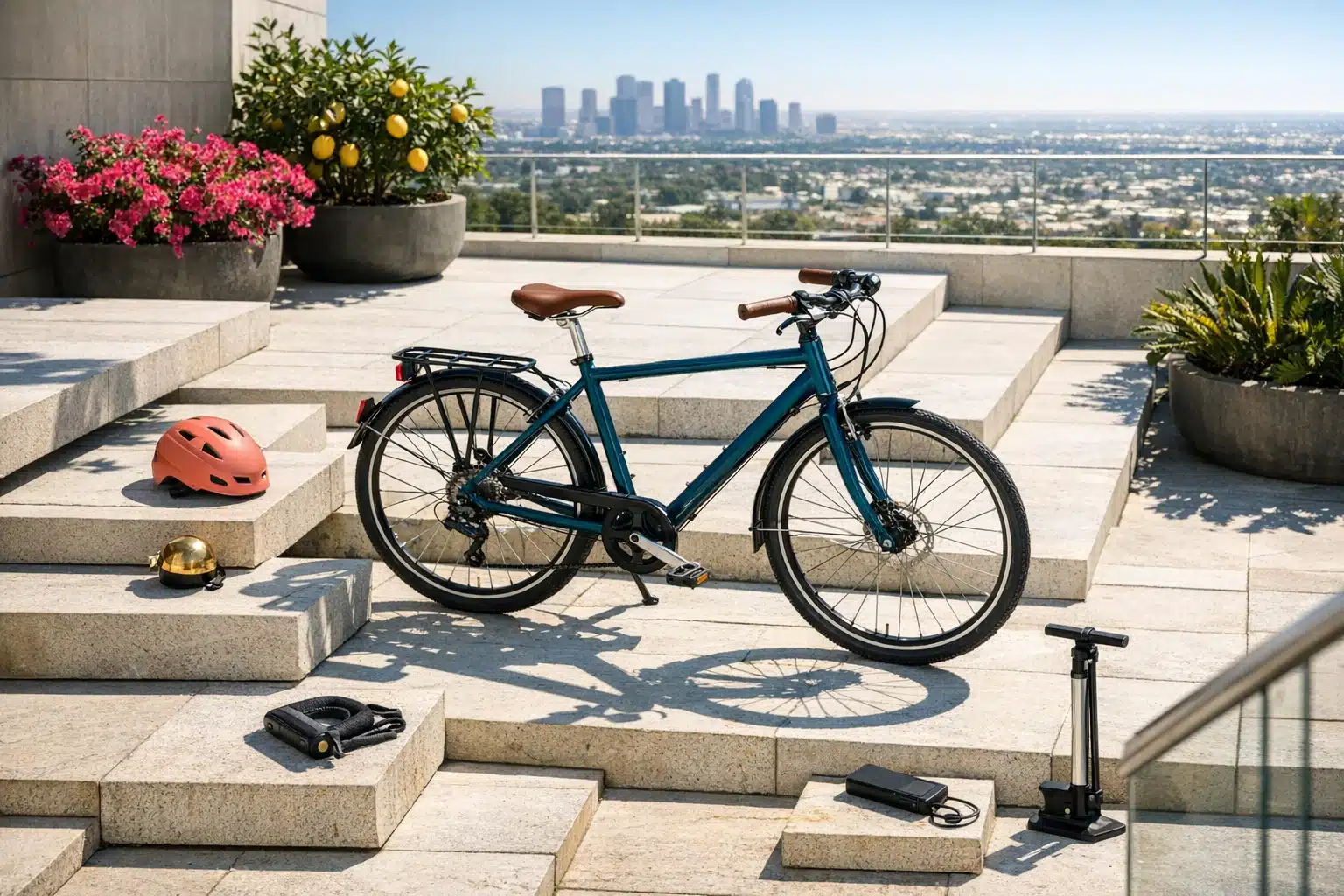
• helmet, lights, lock, pump, and fenders
• assembly or tune-up charges
• replacement tubes, tires, chains, and brake pads
• e-bike battery care and eventual replacement
• insurance or secure storage in theft-prone areas
Red flags are usually visible if you slow down enough to look. Be cautious if the offer hides the annual percentage rate, uses unclear language about fees, pushes you toward a longer term than you expected, or makes returns sound easier than the actual policy suggests. Another warning sign appears when the monthly payment is only comfortable because you are assuming future income, future overtime, or future discipline. A financing plan built on optimism rather than current cash flow is shakier than it seems.
A bicycle can improve daily life in real ways, but a useful purchase can still become a poor financial decision if the total picture is ignored. The safest approach is to treat the bike cost as two separate numbers: the financing terms you agree to now, and the ownership costs you will still face after the first ride.
A Smart Buyer’s Checklist and Final Takeaway for Bike Shoppers
If you are considering a Buy Now, Pay Later bike purchase, the smartest move is not to start with the checkout button. Start with your actual use case. Are you buying a bicycle to commute to work, replace short car trips, carry children or groceries, explore weekend trails, or simply because a sale made the idea feel irresistible? The answer matters because a genuine transportation need can justify a different financial choice than an impulse upgrade.
A practical decision checklist looks like this:
• confirm the full bike price, including taxes, shipping, setup, and accessories
• read the payment calendar, not just the monthly or biweekly amount
• check whether the plan includes interest, late fees, or a hard credit inquiry
• review the merchant’s return, cancellation, and warranty terms
• estimate monthly ownership costs after purchase
• ask whether you could still make every payment if one unexpected expense appeared next month
For many buyers, BNPL makes the most sense in a narrow but useful zone. The purchase should be for a bike you genuinely need or have carefully planned for, the term should be short enough that you can see the finish line clearly, and the payment schedule should fit inside your existing budget without borrowing from emergency savings. In that scenario, installment payments can function as a tool, not a trap.
It makes less sense when the financing is being used to stretch far beyond your planned spending range. A common example is the shopper who starts looking at a practical 900-dollar commuter bike, sees that the payment difference is small, and ends up financing a 2,500-dollar e-bike with premium extras. The monthly amount may still look manageable, but the total commitment has changed dramatically. Small payment gaps can hide very large price jumps.
This is especially relevant for first-time buyers. A new cyclist often does not yet know what frame style, gearing, storage solution, or assist level they truly need. Financing a very expensive bike before developing those preferences can lead to buyer’s remorse. Renting, buying used, or choosing a simpler model first may be the more sensible route. Seasoned riders, by contrast, may have a clearer sense of fit, purpose, and maintenance expectations, which makes financing decisions easier to evaluate.
The final takeaway is aimed at commuters, students, families, and anyone trying to make a practical purchase without upsetting household finances: Buy Now, Pay Later can be helpful, but only when the bike is affordable in reality, not just in installments. Read the terms, map the payments against your monthly obligations, and treat accessories and upkeep as part of the budget from day one. If the plan still feels comfortable after that honest review, financing may be a reasonable path. If it only works when everything goes perfectly, waiting, saving, or choosing a cheaper bike is usually the wiser ride.