Paddle Boat Cruise on the Mississippi River
Introduction and Article Outline
A paddle boat cruise on the Mississippi River is more than a scenic holiday; it is a slow, revealing way to understand a waterway that helped shape the United States. As the boat rounds broad bends and eases past levees, church steeples, grain elevators, and old brick river towns, the landscape begins to read like a moving history book. For travelers drawn to culture, comfort, and a stronger sense of place, the experience feels unusually rich.
Before looking closely at the details, it helps to sketch the route this article will follow. The outline is simple and practical: • first, why the Mississippi matters historically and culturally • next, what life on a paddle boat cruise actually feels like • then, how the main itineraries differ from one another • finally, which travelers are most likely to enjoy the trip and how to choose wisely. That structure mirrors the way many people plan river travel. They begin with curiosity, move to logistics, compare options, and only then picture themselves on deck with coffee in hand while the shoreline drifts by.
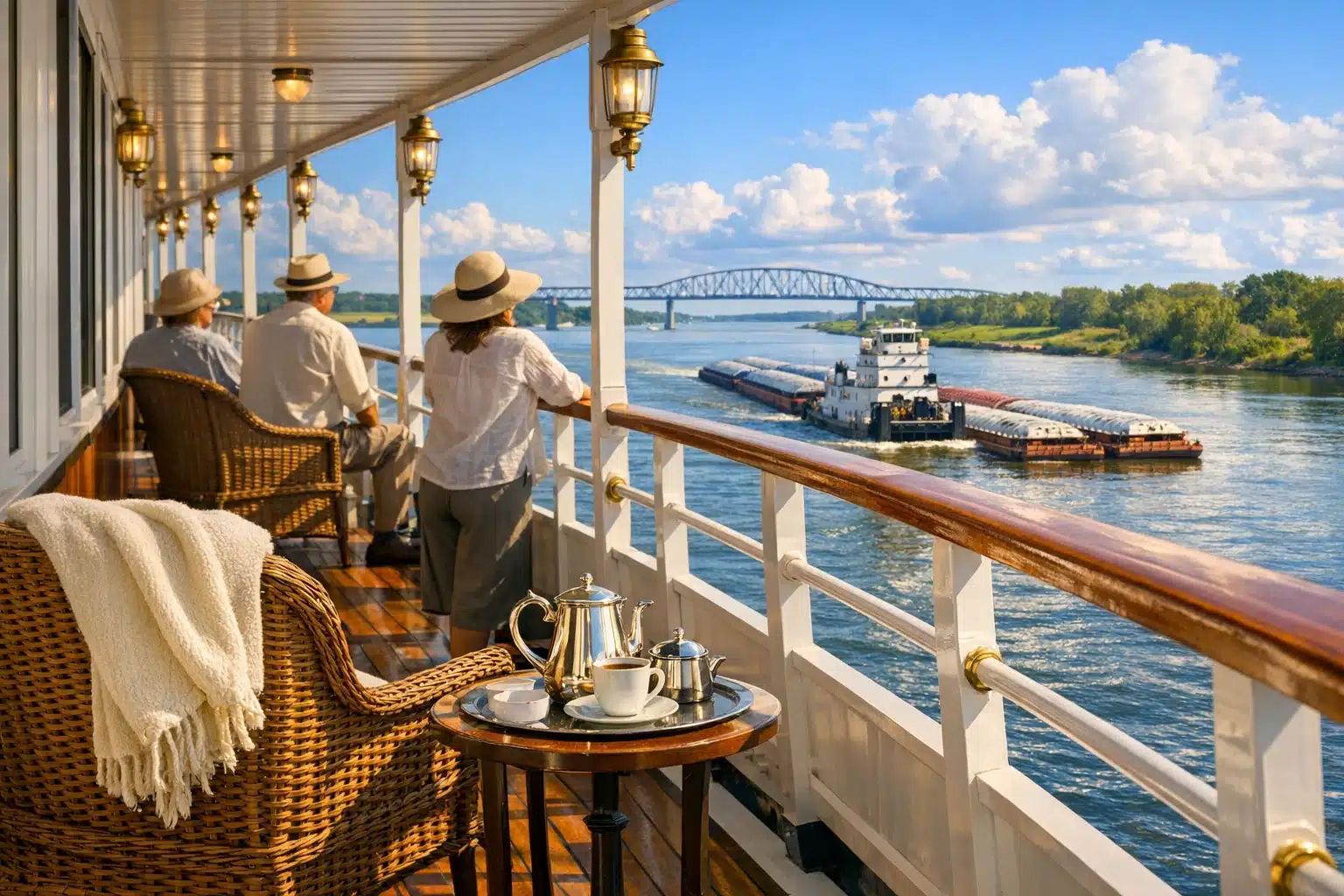
The topic remains relevant because travel habits have changed in recent years. Many travelers now want fewer rushed checklists and more meaningful experiences, especially on domestic routes that combine comfort with interpretation. A Mississippi cruise fits that shift well. It offers transportation, lodging, meals, guided excursions, and historical context in one package, yet it rarely feels as anonymous as a large ocean ship. The river itself adds another layer of importance. The Mississippi system drains about 40 percent of the contiguous United States and has long served as a commercial corridor for grain, timber, and manufactured goods. Even today, tugboats and barges remind passengers that this is not a museum exhibit but a working artery. That blend of past and present is the real attraction. One moment you are hearing about steamboat-era trade, and the next you are watching modern river traffic slide past in the amber light of late afternoon. Few vacations connect landscape, economics, music, architecture, and national memory with such natural ease.
The Mississippi as a River of History, Trade, and Culture
To understand why a paddle boat cruise feels so distinctive, it helps to begin long before the first pleasure vessel left the dock. The Mississippi River was central to the lives of Indigenous nations for centuries, providing transportation, food, trade routes, and cultural exchange across a vast watershed. Later, French and Spanish colonial ambitions followed the river’s strategic logic, and by the nineteenth century the Mississippi had become one of North America’s defining commercial highways. Cotton, flour, timber, livestock, and passengers moved along it in enormous volumes. The river did not merely connect places; it shaped the fortunes of entire regions.
The steamboat era gave the Mississippi much of its enduring mythology. Fast for their time and dramatic in appearance, paddlewheel vessels transformed travel and trade in the early to mid-1800s. Writers such as Mark Twain helped fix the river in the public imagination, blending observation with nostalgia and wit. Yet the story is larger than literature. River towns grew around warehouses, wharves, and rail links. During the Civil War, control of the Mississippi was strategically crucial. In the decades that followed, engineering projects, levees, locks, and channels changed how the river could be navigated. A modern cruise glides through that long history without requiring passengers to study it in advance; the clues are already present in the shoreline, the museums, and the street grids of port towns.
Culturally, the river corridor is just as layered. The Upper Mississippi often feels tied to bluffs, immigrant settlements, and the lock-and-dam system. The Lower Mississippi carries a different mood, broader and warmer, with stronger associations to blues, jazz, Creole and Cajun foodways, Civil War sites, and plantation-era history. Cities such as St. Louis, Memphis, and New Orleans each express a different chapter of the river’s influence. Smaller places, from Hannibal to Natchez, add local character that large hub cities cannot replicate. Travelers often notice that the Mississippi is never one thing for very long. It is industrial in one stretch, pastoral in the next, solemn near a battlefield, then festive near a music district. That variety explains why a paddle boat cruise appeals to people who enjoy context. The river rewards attention. It offers beauty, certainly, but it also offers evidence of how geography can mold language, labor, architecture, cuisine, and memory over generations.
What a Paddle Boat Cruise Feels Like in Practice
Many first-time travelers imagine a Mississippi paddle boat cruise as a floating historical reenactment, all brass trim, calliope tunes, and white railings. Parts of that picture are fair, but the reality is usually more comfortable and more contemporary. Modern riverboats often borrow the visual language of classic paddlewheelers while using up-to-date navigation, hotel-style cabins, climate control, and modern safety systems. Some vessels feature a prominent paddlewheel for style and tradition, while the engineering beneath the experience is often far newer than the romantic silhouette suggests. That combination is part of the appeal. You get atmosphere without having to surrender convenience.
Life on board tends to move at a measured pace. A typical day may include breakfast while passing farmland or bluffs, a shore excursion in a small town or city, a lecture about regional history, and an evening of music linked to the route. Compared with ocean cruising, the scale is usually more intimate. There are fewer venues, fewer crowds, and less emphasis on constant entertainment. In exchange, passengers often get easier boarding, clearer itineraries, and more contact with historians, local guides, and fellow travelers. If an ocean ship can feel like a resort that happens to move, a Mississippi paddle boat often feels like a traveling inn that happens to interpret the landscape.
Food and public spaces also shape the experience. Dining rooms on riverboats typically focus on regional flavors more than spectacle. Depending on the itinerary, menus may reference Southern staples, Midwestern ingredients, or dishes associated with New Orleans and the Gulf South. Public lounges become social anchors, especially in the evening, when passengers compare excursions or listen to a pianist, jazz ensemble, or storyteller. From the outer decks, the sensory rhythm is part of the pleasure: the churn of water behind the boat, the long whistle, the sight of bridges approaching, and the surprising quiet that settles between ports.
For travelers deciding between a cruise, a rail trip, and a road journey, the comparison is useful. A road trip offers maximum freedom but demands constant planning. Rail travel can be atmospheric but does not always provide deep access to river communities. A paddle boat cruise trades some spontaneity for coherence. The logistics are handled, luggage stays put, and the river becomes the organizing thread. That arrangement suits people who want discovery without daily friction. It is less about adrenaline and more about absorption, the kind of travel where the reward arrives gradually and stays with you afterward.
Comparing Routes, Ports, and the Best Time to Go
Not all Mississippi paddle boat cruises deliver the same experience, and choosing the right route matters as much as choosing the vessel. Broadly speaking, itineraries fall into three categories: Upper Mississippi, Lower Mississippi, and longer journeys covering a substantial portion of the river. Each option comes with its own scenery, historical emphasis, climate pattern, and pacing. A traveler who loves dramatic bluffs, smaller river towns, and lock transits may prefer the upper stretches. Someone drawn to music history, warmer weather, and the cultural pull of the Deep South may lean toward the lower route instead.
The Upper Mississippi usually includes places such as St. Paul, Red Wing, La Crosse, Dubuque, Hannibal, and sometimes St. Louis. This region often feels greener, narrower, and more topographically varied, especially where bluffs rise above the water. Birdlife can be notable, and the lock-and-dam system becomes part of the journey rather than a technical footnote. The Lower Mississippi, commonly running between Memphis and New Orleans or nearby points, presents a broader and more monumental river. Ports such as Vicksburg, Natchez, Baton Rouge, and New Orleans bring strong themes of Civil War history, antebellum architecture, blues and jazz, and layered regional cuisines. Longer itineraries offer range, but they also demand more time and budget.
When comparing routes, focus on a few practical differences: • scenery, which shifts from wooded bluffs to expansive lowlands • excursion style, ranging from literary and military history to food, music, and architecture • climate, with southern sailings generally hotter and more humid • port intensity, since some itineraries emphasize cities while others favor small communities. River conditions also matter. High water, low water, fog, or maintenance issues can occasionally affect docking or alter the exact sequence of stops. That is not unique to the Mississippi, but it is worth understanding before booking. Flexibility is part of river travel.
Seasonality deserves attention as well. Spring often brings comfortable temperatures, flowering landscapes, and lively shore scenes, though water levels can be variable. Summer offers long days but may feel hot and humid, especially in the lower reaches. Autumn is widely favored because temperatures are often milder and the atmosphere can feel especially clear and golden. Holiday sailings and themed departures add another layer for travelers who want a more curated program. In simple terms, there is no universal best itinerary. There is only the version that best matches your interests, tolerance for heat, preferred excursion style, and available time. Choosing with those factors in mind produces a far better trip than selecting on name recognition alone.
Conclusion: Who Should Take a Mississippi Paddle Boat Cruise and How to Choose Well
A Mississippi paddle boat cruise is best suited to travelers who enjoy depth over speed. If your ideal trip involves racing through a dozen attractions each day, the river may feel too measured. If, however, you like guided context, regional food, walkable excursions, and the quiet satisfaction of unpacking once while the scenery changes around you, this style of travel can be deeply rewarding. It often appeals to history enthusiasts, couples seeking a calm but interesting getaway, multigenerational families with an interest in culture, and solo travelers who appreciate a structured environment that still leaves room for conversation and reflection.
Choosing well starts with honest expectations. A paddle boat cruise is not trying to compete with a giant ocean ship loaded with slides, casinos, and endless nightlife. Its strengths lie elsewhere: coherence, atmosphere, interpretation, and access to places that feel rooted rather than interchangeable. Before booking, think through a few basic questions: • Do you want the bluff country and lock passages of the upper river, or the musical and culinary pull of the lower river? • Are you traveling for scenery, history, architecture, food, or a blend of all four? • Would you prefer a shorter introduction or a longer itinerary that delivers stronger geographic contrast? The clearer your priorities, the easier the decision becomes.
Budget also deserves a realistic look. River cruises can seem costly at first glance, but the fare usually bundles lodging, transportation between ports, meals, and many excursions. That does not make every sailing inexpensive, yet it changes the comparison. Instead of measuring the price against a basic hotel stay, compare it with a multi-city trip that includes transport, dining, and guided touring. Cabin choice matters too. Travelers who love uninterrupted views may value a veranda or larger window, while others plan to spend most daylight hours in public spaces and can save money with a simpler room. Packing is generally straightforward: comfortable walking shoes, layered clothing, rain protection, and something slightly dressier for evening meals.
For the right audience, the Mississippi offers something rare in modern travel: a journey that feels both restful and intellectually alive. You are not just moving between destinations; you are following one of the great organizing features of the American landscape. The best way to approach it is with curiosity rather than checklist thinking. Step aboard ready to listen, look closely, and let the river set the tempo. For travelers who want a trip with history under the surface and character in every bend, that is a very good bargain indeed.