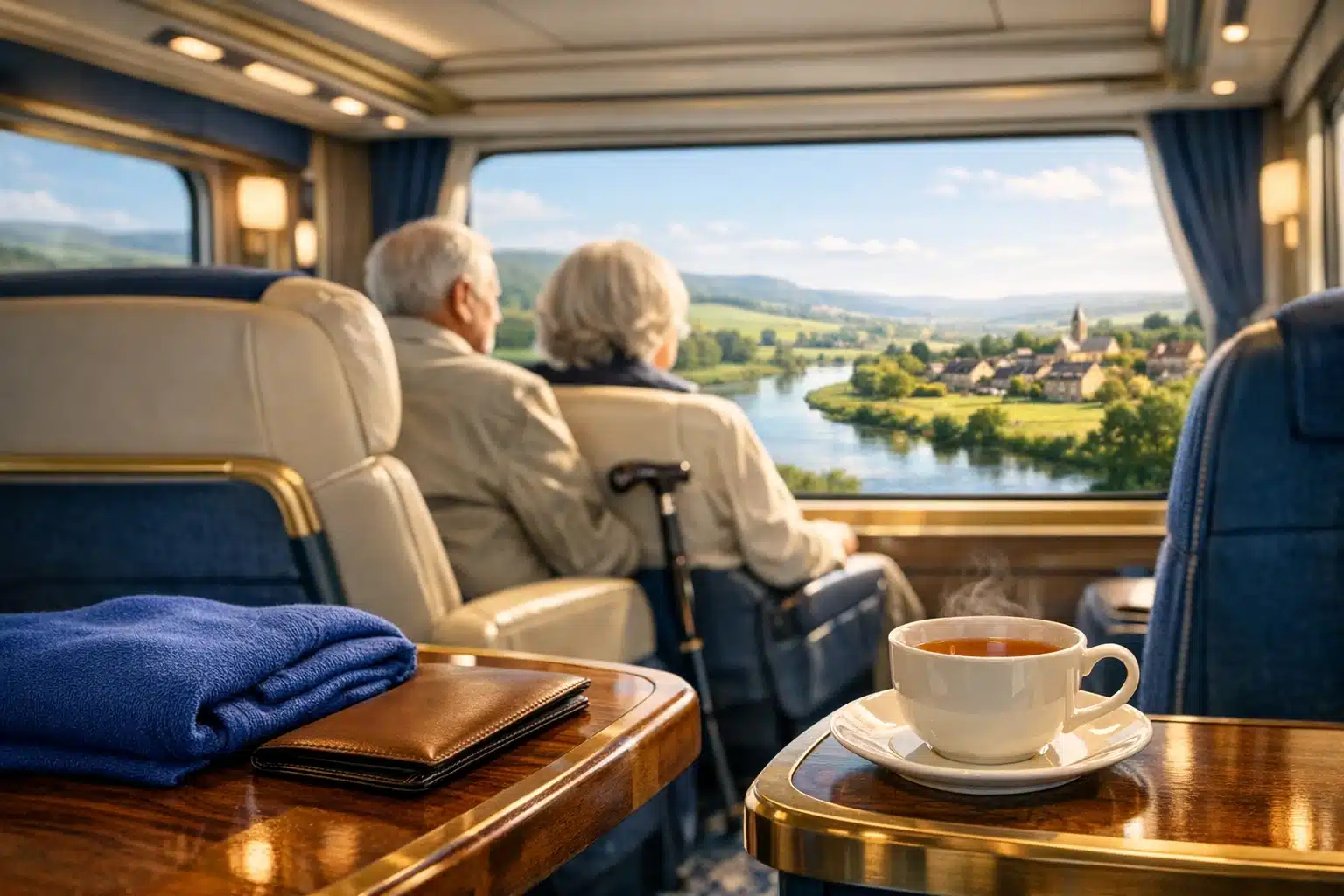
Train Trips for Older Seniors: Comfort, Planning, and Travel Tips
For many older seniors, train travel offers something modern trips often forget: a gentler pace. Instead of long airport queues or hours behind the wheel, travelers get time to settle into a seat, stretch their legs, and watch changing landscapes roll past the window. With thoughtful planning, a rail journey can lower physical strain, make transfers simpler, and turn the trip itself into a meaningful part of the holiday. That is why comfort, accessibility, timing, and realistic preparation deserve close attention.
Article outline:
• Why train travel can work especially well for older seniors
• How to compare route types, seating classes, and sleeper options
• Ways to prepare for comfort, mobility, health, and safety
• Smart booking, budgeting, and packing strategies
• A practical conclusion focused on choosing trips that match personal pace, confidence, and interests
Why Train Travel Can Be an Excellent Choice for Older Seniors
Train travel often suits older seniors because it balances movement and rest in a way that many other forms of transport do not. Flying may be faster over long distances, but airports can involve early arrival times, security lines, gate changes, and long walks under time pressure. Driving offers control, yet it can also bring fatigue, highway stress, and the physical strain of remaining alert for many hours. By contrast, rail travel usually allows passengers to board, settle in, and let the route unfold without the same level of effort. The rhythm of a train can feel almost companionable: a steady hum underfoot, a changing horizon outside, and no need to monitor traffic or announcements every few minutes.
For older travelers, comfort is not a luxury; it is often the difference between enjoying a trip and merely enduring one. Most trains provide more freedom to stand up, walk a little, visit a restroom without elaborate planning, and shift positions during the journey. That flexibility matters for passengers managing joint stiffness, back pain, swelling in the legs, or simple fatigue. Many rail stations are also located closer to city centers than airports, which can reduce the length and cost of onward transfers. A shorter taxi ride or hotel shuttle may sound like a small advantage, but after a long travel day it can feel enormous.
There are practical benefits as well. Luggage rules on trains are often easier to manage than airline baggage policies, though limits still vary by operator. Scenic value is another major strength. A trip through coastline, farmland, mountain passes, or old industrial towns can turn transit into a form of sightseeing. For some older seniors, that is part of the appeal: the journey itself becomes the memory. Still, train travel is not automatically effortless. Some stations have stairs, short platform stops, or busy layouts. That is why older passengers should compare trips carefully. In general, rail travel tends to work especially well for people who want:
• Less rush and fewer formal procedures
• More room to move during the day
• Easier access to central destinations
• A travel experience that feels calmer and more scenic
When those advantages line up with a traveler’s mobility and budget, a train trip can be one of the most satisfying ways to explore.
Choosing the Right Route, Seating Class, and Travel Style
Not every train trip feels the same, and choosing the right format matters even more for older seniors than for younger travelers. A two-hour daytime ride between nearby cities is very different from a fourteen-hour overnight journey with multiple stops. Before booking, it helps to think less about the dream destination and more about the lived experience of getting there. How long can you sit comfortably before needing a proper break? Would a direct train be worth paying extra for? Is a scenic daytime route preferable to an overnight schedule that may interrupt sleep? These questions shape the trip more than glossy brochure photos ever will.
Day trains are usually the easiest place to start. They allow travelers to enjoy the view, move around while awake, and arrive at a reasonable hour. For older seniors who value routine, a daytime route often causes less disruption to meals, medication schedules, and bedtime. Overnight trains can be wonderful, especially on long routes where a sleeper cabin replaces one night in a hotel, but they are not ideal for everyone. Climbing into a bunk, balancing in a narrow compartment, or sleeping through station noise can be challenging. A private cabin offers more comfort and privacy than a shared berth, yet it also costs more and may still have a compact bathroom layout.
Seating class deserves attention as well. Standard or coach seats can be perfectly fine on shorter journeys, but for longer routes, premium economy, business, or first class may offer wider seats, quieter carriages, priority boarding, or complimentary refreshments, depending on the operator. Those upgrades are not simply indulgences. For someone with arthritis, reduced stamina, or limited flexibility, a little extra space can make several hours significantly easier.
A useful comparison looks like this:
• Short scenic trips: best for first-time rail travelers or those testing comfort levels
• Direct intercity routes: ideal for reducing transfers and station stress
• Sleeper services: useful for long distances, but best chosen with realistic expectations
• Escorted rail tours: helpful for seniors who want support with hotels, luggage, and local logistics
Before confirming a booking, ask practical questions:
• Is step-free access available at departure and arrival stations?
• How much time is allowed between connections?
• Can seat selection be arranged in advance?
• Are accessible toilets or quiet cars available?
The right train trip is rarely the cheapest or the longest. It is the one that matches the traveler’s energy, confidence, and comfort needs.
Planning for Comfort, Mobility, Health, and Peace of Mind
For older seniors, the smartest train travel plans begin before the suitcase is even opened. Comfort on the rails is shaped by dozens of small decisions: the departure time, the seat location, the ease of boarding, the spacing of meals, and even how easy it is to reach medication during the ride. A beautiful itinerary can quickly become tiring if it ignores the basics of physical comfort. The good news is that most of those basics are manageable with a bit of preparation.
Mobility is often the first consideration. Seniors who use a cane, walker, folding wheelchair, or other support should contact the rail operator in advance rather than assuming help will be available on the day. Many companies offer boarding assistance, wheelchair spaces, help with ramps, or guidance through larger stations, but these services usually work best when requested early. Seat choice matters too. A place near the restroom may reduce walking, while a seat close to the carriage entrance may simplify boarding. On the other hand, some travelers prefer a quieter spot away from doors and foot traffic. There is no universal answer; the better choice depends on the person’s hearing, balance, stamina, and privacy preferences.
Health planning should be practical rather than dramatic. Carry essential medication in a personal bag, not in checked or distant luggage. Keep a written medication list, emergency contact details, and any important medical information where it can be found easily. Hydration matters on trains just as it does on planes, and regular movement helps reduce stiffness during longer journeys. Even a brief walk down the aisle every hour or two can improve comfort. Food is another overlooked issue. Dining cars and trolley service vary widely, so older passengers with diabetes, food sensitivities, or strict meal routines should bring suitable snacks. Familiar options are often better than hoping the onboard menu will fit every need.
Peace of mind also comes from planning for ordinary inconveniences:
• Pack reading glasses, hearing aid batteries, chargers, and a light layer for changing temperatures
• Allow extra time at stations so there is no pressure to hurry
• Keep tickets, ID, and phone in one easy-to-reach pouch
• Choose daytime arrivals when possible, especially in unfamiliar cities
There is a quiet confidence that comes from being ready. When comfort, mobility, and health needs are treated as central parts of the plan rather than afterthoughts, train travel becomes less of a challenge and more of a pleasure.
Booking, Budgeting, Packing, and Navigating the Day of Travel
Good rail travel for older seniors is often built on sensible logistics rather than heroic spontaneity. The booking stage is the right time to compare not just fares, but also refund rules, seat selection options, luggage policies, transfer times, and station services. A low fare can lose its appeal very quickly if it includes two tight connections, a non-refundable ticket, and a late-night arrival in an unfamiliar area. Many operators offer senior discounts, but these vary by country, route, and ticket type, so it is worth checking official rail websites directly. In some cases, a slightly more expensive flexible fare provides far better value because it allows changes if health, weather, or family plans shift unexpectedly.
Budgeting should include the whole trip, not just the train seat. Older travelers often benefit from spending a little more in the places that reduce stress most clearly. That might mean booking a hotel near the station, reserving a taxi instead of relying on public transport after arrival, or paying for a seat class with more room on a longer leg. Travel insurance can also be worthwhile, particularly for journeys involving multiple bookings or international travel. The aim is not to spend lavishly; it is to spend wisely where comfort and reliability matter most.
Packing deserves the same practical mindset. Heavy bags are the enemy of easy travel. One manageable suitcase and one personal carry bag are often better than several smaller items that must all be tracked, lifted, and protected. On travel day, simplicity wins. Wear layers, choose shoes with steady grip, and keep the most important items close at hand. A thoughtful packing list might include:
• Tickets, identification, wallet, and phone charger
• Medication, water bottle, and simple snacks
• A cardigan or light jacket for cool carriages
• Tissues, hand sanitizer, and a few personal care basics
• A small notebook with addresses, booking references, and emergency contacts
Finally, do not underestimate the value of timing. Arriving early at the station reduces confusion, gives time to find the correct platform, and leaves room for assistance if needed. If a trip includes a connection, build in breathing room instead of choosing the shortest possible transfer. Ten extra minutes on paper can feel priceless in real life. Trains reward preparation. When booking, budgeting, and packing are handled calmly, the day of travel becomes less about managing problems and more about enjoying the unfolding journey.
Conclusion: How Older Seniors Can Choose Train Trips That Truly Suit Them
The best train trip for an older senior is not defined by prestige, distance, or how many landmarks can be squeezed into a week. It is defined by fit. A well-suited rail journey matches the traveler’s energy level, mobility, interests, and tolerance for complexity. For one person, that may mean a gentle daytime route with reserved seats, a book, and lunch in a station café before departure. For another, it may mean a multi-city rail holiday with premium seating, pre-booked assistance, and hotel stays close to the platforms. Both are valid, and both can be deeply enjoyable when planned honestly.
It helps to think in traveler profiles. The independent senior who still enjoys flexibility may do well with direct daytime routes and one carefully chosen connection. A couple celebrating retirement might prefer scenic intercity trains with upgraded seats and slow afternoons in walkable city centers. A traveler with limited stamina may benefit most from shorter segments, overnight stays between rail legs, and minimal luggage. None of these choices are lesser versions of travel. In many ways, they are wiser versions, because they respect the body as much as the imagination.
The central lesson is simple: comfort and preparation create freedom. When older seniors choose manageable routes, ask for assistance early, pack lightly, and budget for the details that reduce strain, train travel becomes more accessible than many expect. The rails can offer a rare combination of practicality and poetry. One moment you are checking your ticket and adjusting your scarf; the next, you are crossing a river at sunset while villages slip by like pages in a quiet story.
For older readers considering their next holiday, train travel is worth serious thought. Start with a route that feels achievable, not ambitious. Give yourself extra time, protect your comfort, and let the journey unfold at a human speed. That approach does more than make travel easier. It makes it richer, calmer, and far more likely to leave you eager for the next trip.