8-Night Cruise From Newcastle: Itinerary and Travel Tips
Introduction
Leaving Newcastle by sea turns the start of a holiday into part of the holiday itself. Instead of early airport queues and rigid baggage rules, travellers can often reach the Port of Tyne with far less friction, step through check-in, and watch the coast fall away as evening settles over the North Sea. An 8-night cruise is long enough to feel immersive yet short enough to fit around work, school breaks, or a first attempt at cruising. That balance makes this format especially relevant for couples, families, and retirees looking for a manageable no-fly escape.
Outline
• Why Newcastle is a practical and appealing departure point for a cruise holiday
• What a representative 8-night itinerary often includes, with examples and comparisons
• How to choose between cabin types, ship styles, and fare structures
• What to budget, pack, and prepare before embarkation and during port days
• Which travellers are most likely to enjoy this format, and how to decide if it suits your travel style
Why Newcastle Works Well as a Cruise Departure Point
An 8-night cruise from Newcastle appeals for one simple reason before any itinerary is even considered: convenience. Cruises sold as departing from Newcastle usually sail from the Port of Tyne in North Shields, a short distance east of the city centre. For travellers based in northeast England, parts of Yorkshire, Cumbria, or southern Scotland, that can mean a far shorter journey than driving all the way to Southampton or flying to a Mediterranean embarkation port. Convenience matters more than many first-time cruisers expect. A holiday can begin in a rushed, exhausting way, or it can begin calmly. Newcastle departures often lean toward the second option.
The practical benefits are easy to understand. A no-fly cruise usually allows passengers to bring luggage without the strict weight anxiety that comes with many airlines, although cruise lines still set their own sensible limits. Parking at or near the terminal is often straightforward compared with major airports, and train travel into Newcastle followed by a taxi transfer is a realistic option for many people. If you are travelling with children, mobility aids, formalwear, or bulky outdoor clothing for cooler-weather itineraries, skipping the airport can feel less like a luxury and more like a relief.
There is also a psychological advantage. A cruise from Newcastle can feel more gradual and atmospheric than a fly-cruise holiday. The shift from land to sea happens in real time. You unpack once, settle into your cabin, and watch the familiar coastline recede before the voyage opens into something wider. That slow transition is part of the appeal, especially on northern routes where the journey itself matters as much as the ports.
Compared with southern departure ports, Newcastle also serves a slightly different travel audience. It often attracts passengers who value regional access, relaxed boarding, and cooler-climate destinations. That can make the onboard mood feel distinct from sun-seeking fly-cruise itineraries. This does not mean one style is better than another, but it does mean expectations should be matched to the product. An 8-night sailing from Newcastle is ideal for travellers who enjoy scenery, sea views, and the rhythm of the ship, not only those chasing maximum heat or nonstop nightlife.
In short, Newcastle is not just a place to start. It shapes the whole tone of the trip. If the idea of beginning your holiday close to home while still feeling genuinely away appeals to you, the departure point is already doing half the work.
A Representative 8-Night Itinerary and How It Compares with Other Routes
There is no single fixed 8-night cruise from Newcastle, and that is important to understand before booking. Cruise lines change routes by season, demand, and ship deployment. Still, several patterns appear regularly, and the Norwegian fjords are among the most recognisable. A typical 8-night sailing might look something like this:
• Day 1: Embark at the Port of Tyne and depart in the evening
• Day 2: Full sea day across the North Sea
• Day 3: Stavanger or a similar Norwegian coastal port
• Day 4: Olden, Eidfjord, or another fjord gateway
• Day 5: Ålesund or a comparable small city with scenic viewpoints
• Day 6: Scenic cruising through fjords or an additional port stop
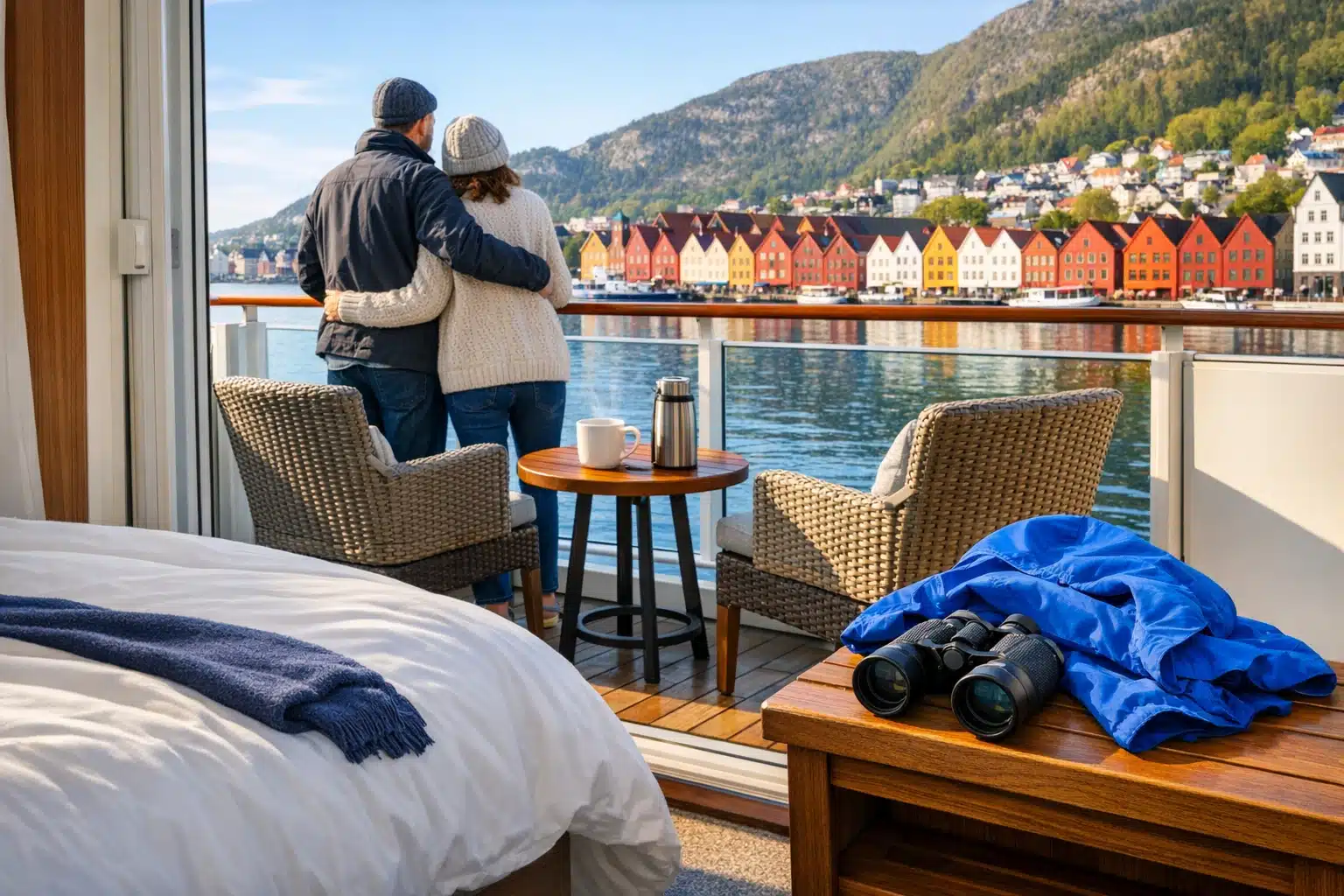
• Day 7: Bergen or another historic waterfront city
• Day 8: Sea day
• Day 9: Return to Newcastle in the morning
This kind of route works well over eight nights because it balances movement and recovery. You get enough sea time to enjoy the ship, yet enough port calls to feel you have seen something distinct in each place. Norway is especially strong for this format because the scenery does not switch off once you leave the gangway. Waterfalls, steep green slopes, quiet villages, and long summer evenings can be part of the view from the ship itself. In that sense, the itinerary performs twice: once ashore and once from the deck.
By comparison, some 8-night cruises from Newcastle focus more on northern European cities. Those may include ports such as Amsterdam, Hamburg, Bruges via Zeebrugge, or smaller Dutch and German destinations. City-heavy routes suit travellers who want museums, shopping, canals, architecture, and guided walking tours. Fjord itineraries, meanwhile, tend to favour landscape, photography, coach excursions, hiking, and slower scenic appreciation. One is not inherently superior. The difference lies in what kind of memory you want to bring home: skyline and culture, or cliffs and water.
Season also changes the experience. Late spring and summer usually offer longer daylight hours and milder conditions, with many Norwegian coastal areas often sitting roughly in the 12 to 20 degree Celsius range during warmer months. Shoulder season sailings can be quieter and sometimes better priced, but they may bring cooler temperatures, more variable weather, and shorter days. That makes packing and shore planning more important.
The smartest way to read an itinerary is to ask what your days will actually feel like. Will you enjoy two sea days? Do you want short walks in compact ports, or excursions with more physical effort? Are you drawn to dramatic scenery, or do you prefer urban variety? An 8-night cruise works best when the rhythm suits you, not just the map.
Choosing the Right Cabin, Ship, and Fare Without Overpaying
Once the route looks appealing, the next decision is rarely the destination alone. It is the combination of cabin, ship, and fare type that determines whether an 8-night cruise feels excellent value or oddly mismatched. Many travellers focus on headline price first, but cruise pricing is layered. A cheaper fare can still become expensive if it excludes the features you care about, while a higher fare may be worthwhile if it includes drinks, gratuities, or other extras you would have paid for anyway.
Cabin choice is the most obvious example. Inside cabins are usually the entry point and can offer strong value for travellers who treat the room mainly as a place to sleep. They are often the darkest and quietest option, which some people love. Ocean-view cabins add natural light and a better sense of connection to the journey. Balcony cabins cost more, but on scenic routes from Newcastle, especially in Norway, they can transform the trip. A private outdoor space for sail-ins, sail-aways, and cool early mornings can be genuinely rewarding. Suites add more room and benefits, but they make sense mainly for travellers who will use the extra space and service rather than simply admire the idea of it.
Ship style matters just as much. Some ships are geared toward families with extensive entertainment, multiple dining venues, and lively public spaces. Others feel calmer, with traditional lounges, lectures, and a more understated atmosphere. Neither is automatically better. A couple seeking quiet sea days may feel out of place on a ship built around energetic family programming, while a multigenerational group may find a smaller, quieter ship too limited.
Before booking, ask a few direct questions:
• Does the fare include drinks, gratuities, or Wi-Fi?
• Are there formal nights, and do they matter to you?
• Is dining fixed-time, flexible, or a mix of both?
• How physically manageable is the ship for your needs?
• Will you spend enough time in the cabin to justify a balcony?
It is also worth comparing guaranteed cabins with selected cabin numbers. A guaranteed fare can save money, but you give up control over exact location. If you are sensitive to motion, noise, or long walks, choosing your cabin may be worth the premium. Midship cabins on lower or central decks are often preferred by passengers who want a more stable feel, while cabins below busy decks can be less restful.
The right booking decision is not about buying the fanciest option. It is about aligning the ship and fare with the holiday you actually want. That is where cruise value really lives.
Budgeting, Packing, and Practical Travel Tips for the Journey
An 8-night cruise from Newcastle can look attractively priced at first glance, but the real budget only becomes clear when you factor in extras. Cruise lines differ widely, so always check what is included. Some fares cover accommodation, main dining, entertainment, and basic beverages such as tea, coffee, or water in certain venues. Beyond that, spending can rise quickly through gratuities, specialty restaurants, drinks packages, shore excursions, parking, travel insurance, shuttle buses, and onboard internet access. The goal is not to avoid every extra. It is to know which ones matter before you board.
A practical budgeting approach is to split spending into three groups: fixed costs, optional comforts, and flexible impulse purchases. Fixed costs include the cruise fare, transport to the terminal, insurance, and any required documents. Optional comforts may include a drinks package, upgraded dining, or a better cabin. Flexible spending covers souvenirs, spa treatments, photographs, and spontaneous shore purchases. When travellers feel the cruise “cost more than expected,” it is often because the third category was never planned for.
Packing requires a northern mindset. Even in summer, a route from Newcastle into the North Sea or Norway can bring shifting weather. One bright afternoon does not guarantee the next morning will feel the same. Layers are more useful than heavy single-purpose clothing, and waterproof outerwear is often smarter than fashionable but fragile alternatives.
Useful items to pack include:
• A light waterproof jacket and a warmer mid-layer
• Comfortable walking shoes with decent grip
• Any required medication in original packaging
• Passport, cruise documents, and travel insurance details
• A small day bag for shore visits
• Adaptors, chargers, and a power bank for excursion days
• Smart-casual evening wear, plus formalwear only if your cruise line expects it
For shore days, do not automatically assume the cruise line’s excursion is the only sensible option. Ship tours can be convenient and lower-stress, especially in smaller time-sensitive ports, but independent exploring may cost less and offer more freedom. The right choice depends on port distance, local transport, mobility, and your own confidence. In a place like Bergen, independent walking can work very well. In a fjord port where key sights are farther inland, a structured excursion may save time.
Finally, arrive with the right documents and realistic expectations. International sailings usually require a valid passport, and some itineraries may have additional entry requirements depending on nationality and route. Check these directly with the cruise line and official sources. Practical preparation is not glamorous, but it is what allows the glamorous part of the trip to happen without friction.
Conclusion: Who Should Book an 8-Night Cruise From Newcastle?
An 8-night cruise from Newcastle is particularly well suited to travellers who want a meaningful holiday without the extra strain of flying. If you live in northern England or Scotland, value an easier departure day, and like the idea of unpacking once while visiting several destinations, this format deserves serious attention. It occupies a useful middle ground. A weekend break can feel too brief, while a two-week voyage can demand more budget, stamina, and annual leave than many people want to commit.
This style of cruise works especially well for first-time cruisers because the duration is long enough to understand ship life properly. You get sea days, port calls, evenings onboard, and time to settle into the rhythm of meals, entertainment, and excursions. At the same time, it is not so long that every imperfect detail becomes magnified. For repeat cruisers, the appeal often lies in efficiency and atmosphere: less airport hassle, fewer travel stages, and itineraries that celebrate scenery as much as destination count.
It also suits travellers who like a cooler, more reflective kind of holiday. If your ideal trip involves dramatic coastlines, long views, historic harbours, and the quiet pleasure of standing on deck in a jacket with a hot drink, Newcastle departures can be a strong match. If, on the other hand, you prioritise high temperatures, beach clubs, and maximum nightlife ashore, a fly-cruise to southern Europe may fit better. The key is not whether cruising is good in general, but whether this version of cruising matches your preferences.
Before booking, focus on five decisions: departure convenience, itinerary style, cabin type, fare inclusions, and total budget. Get those right, and the rest becomes much easier. The strongest reason to consider this holiday is simple: it offers a substantial travel experience without turning the logistics into a second job. For busy professionals, retired travellers, couples wanting a relaxed escape, and curious first-timers who would rather begin close to home, an 8-night cruise from Newcastle can be a smart, enjoyable, and refreshingly practical choice.