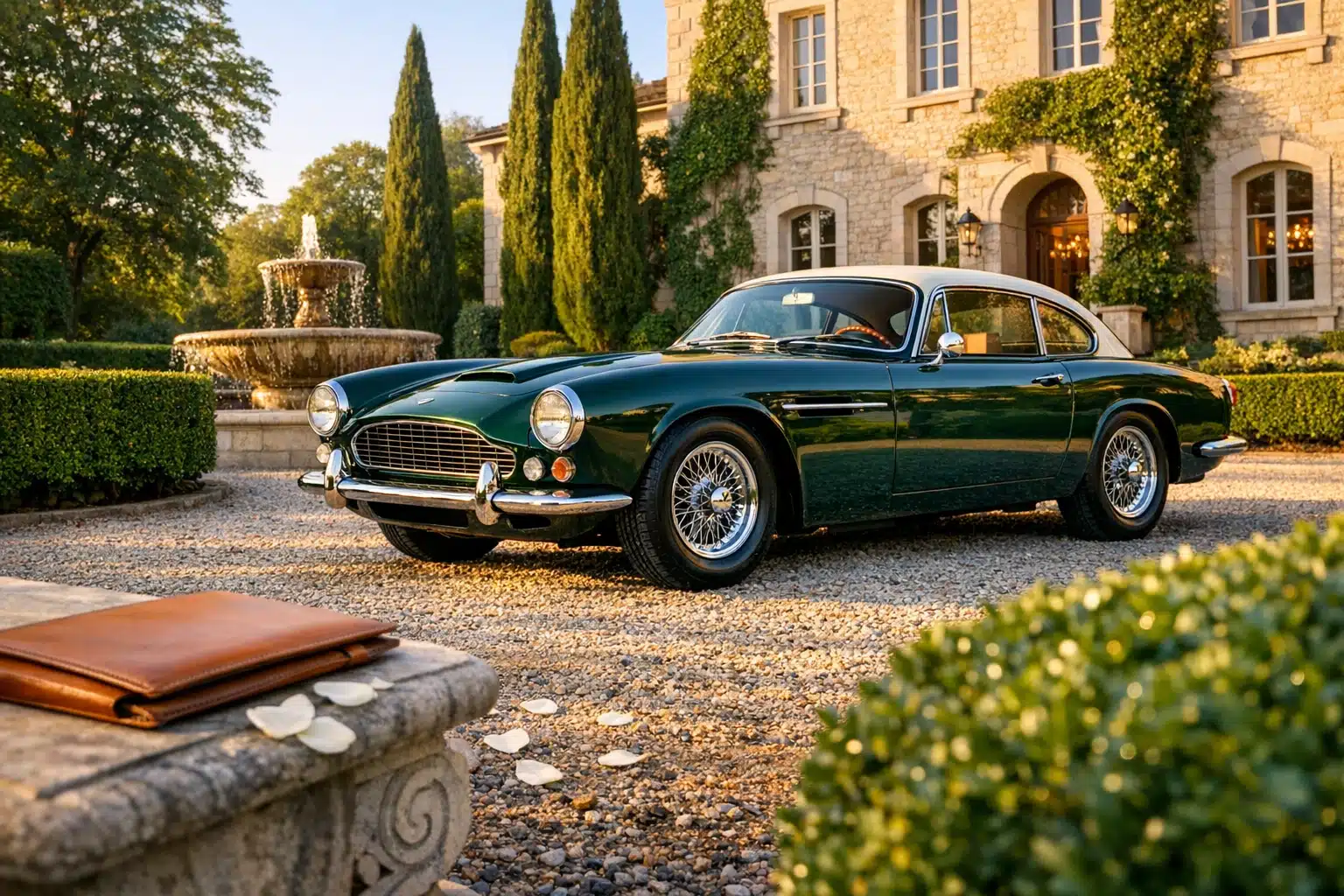
Rent-to-Own Classic Cars: How It Works and What to Consider
A classic car can feel less like transportation and more like a time machine with chrome trim, analog gauges, and stories in every scratch. For buyers who love vintage motoring but cannot pay a large lump sum, rent-to-own agreements open a different path into ownership. The idea sounds simple, yet the paperwork, pricing, insurance, and maintenance details deserve close attention. Understanding those moving parts can help you enjoy the romance without being surprised by the reality.
Outline of this article:
- How rent-to-own classic car agreements usually work and how they differ from leasing or financing.
- The full cost picture, including payments, fees, taxes, insurance, and restoration risk.
- How to inspect an oldtimer properly, verify authenticity, and judge long-term ownership needs.
- Which contract terms matter most and how to assess dealers, collectors, and specialty sellers.
- Who benefits most from rent-to-own, who should be cautious, and what practical steps to take before signing.
1. Understanding Rent-to-Own Oldtimer Cars
Rent-to-own for classic cars sits somewhere between a conventional purchase and a long-term payment arrangement. In most cases, the buyer takes possession of the vehicle early, makes scheduled monthly payments, and gains legal ownership only after the final payment or purchase option is completed. That sounds straightforward, but the appeal of a vintage car can easily distract from the structure behind the offer. A 1960s coupe glowing under showroom lights may stir the heart first, while the legal fine print quietly waits in the background. For that reason alone, understanding the model matters.
Unlike a standard car loan, where a lender finances the purchase and the buyer usually becomes the registered owner subject to a lien, a rent-to-own agreement may leave title with the seller until all conditions are satisfied. Unlike a lease, the arrangement is commonly designed to end in ownership rather than return. Still, terms vary widely. Some agreements are closer to installment sales, while others operate more like private contracts with custom rules on mileage, storage, maintenance, missed payments, and insurance coverage.
There are several reasons this model attracts buyers in the oldtimer market:
- Classic cars often require a larger upfront payment than some enthusiasts can comfortably make.
- Traditional auto lenders may be less flexible with older vehicles, especially those without standard valuation benchmarks.
- Collectors may prefer predictable monthly payments while keeping cash available for restoration, storage, or other investments.
- Some buyers want to test whether classic ownership truly suits their lifestyle before making a full capital commitment.
The oldtimer market adds special complexity because the car is not simply an asset with miles and model year. It may also carry provenance, rarity, restoration history, originality, and collector demand. Two visually similar vehicles can have dramatically different values based on matching numbers, factory specifications, or the quality of prior work. That means the payment plan itself is only one part of the decision. The underlying car must justify the price.
Rent-to-own can be sensible when it bridges a funding gap for a well-documented vehicle sold by a reputable source. It can also become expensive if the agreement masks a weak car, inflated pricing, or one-sided terms. The key is to remember that you are not just paying for nostalgia. You are entering a financial and legal relationship tied to a machine that may be older than you are, with all the charm and fragility that implies.
2. Cost Structure, Payment Terms, and the Real Price of Ownership
One of the biggest mistakes buyers make is comparing only the advertised monthly payment. In the classic car world, that number rarely tells the whole story. A rent-to-own arrangement may include a down payment, documentation fees, transport charges, insurance requirements, taxes, storage costs, and a final balloon or purchase option amount. What looks manageable at first glance can become far more expensive when every layer is counted.
A typical agreement may include some or all of the following elements:
- An upfront deposit or down payment.
- Monthly payments over a fixed term, often two to six years depending on the deal.
- A final ownership transfer fee or option payment.
- Late payment penalties and repossession clauses.
- Requirements to maintain insurance, secure storage, and regular upkeep.
For example, imagine a buyer considering a classic coupe priced at 35,000 dollars. A seller may ask for 7,000 down, followed by monthly payments over 48 months, plus insurance and registration costs, and perhaps a small final transfer fee. On paper, the car appears attainable. In practice, the buyer also needs cash for fluids, tires, battery replacement, tune-ups, brake work, and the surprise expenses that old cars specialize in delivering with theatrical timing. A radiator leak does not care that your budget spreadsheet looked neat on Sunday evening.
Another important point is implicit financing cost. Even if the agreement does not describe itself as a loan, the payment total may substantially exceed the cash price. Buyers should compare the total amount paid over the full contract term with the seller’s outright purchase price. That difference is the practical cost of taking the longer path. In some cases, the premium may be reasonable for the flexibility offered. In others, it can be high enough to make a bank loan, collector-car lender, or short delay to save more money the smarter route.
Insurance deserves special attention. Classic car policies can sometimes be economical when mileage is limited and the vehicle is stored properly, but they may also require an agreed value policy, a garage, and proof that the car is not a daily driver. If your contract demands full coverage with the seller named as a loss payee until ownership transfers, you need to know that before signing.
Finally, buyers should build a realistic monthly ownership budget, not just a payment budget. Include fuel, transport, inspections, servicing, detailing, and a reserve fund for repairs. With oldtimers, the purchase price opens the door, but the running costs decide whether the experience remains enjoyable once the honeymoon period ends.
3. Evaluating the Car Itself: Condition, Authenticity, and Maintenance Reality
A rent-to-own plan can help you afford a classic car over time, but it cannot turn a poor example into a good one. That is why the vehicle inspection stage is not a formality. It is the moment where enthusiasm must give way to discipline. Oldtimer values depend heavily on condition, originality, and documentation, and mistakes in these areas can be costly long after the contract is signed.
Start with the car’s identity. Confirm the VIN or chassis number, engine number where relevant, title status, and any records supporting originality. In many collector segments, matching numbers can materially affect value. So can factory color, period-correct parts, and well-documented ownership history. A car restored in the wrong shade of paint may still be attractive, but it may not command the same price as one aligned with its original specifications. If the seller highlights rarity, ask for evidence rather than relying on confident storytelling.
Mechanical condition matters just as much as authenticity. A vehicle that starts easily and idles nicely for ten minutes can still hide expensive issues. A thorough inspection by a mechanic or specialist familiar with the make is highly advisable. Focus on the basics first:
- Rust in structural areas, floors, sills, arches, and frame components.
- Engine compression, leaks, smoke, cooling behavior, and fuel system condition.
- Transmission operation, clutch feel, differential noise, and driveline vibration.
- Brake performance, suspension wear, steering play, and tire age.
- Electrical systems, gauges, lights, charging, and wiring quality.
Bodywork is especially important because cosmetic beauty can hide serious expense. Fresh paint may look wonderful in photographs, but poor filler work, uneven panel gaps, and corrosion under trim can become a painful discovery later. Restoration quality varies widely. Some cars are rebuilt with careful metalwork and documented invoices. Others receive a quick visual refresh designed mainly to impress at first glance.
You should also ask whether parts are available and affordable. Ownership of a common classic may be far easier than ownership of a rare or orphaned model with scarce trim, glass, or drivetrain components. In a rent-to-own scenario, that distinction matters because you are committing to monthly payments while repair costs continue in parallel. A car that needs a hard-to-source carburetor, gearbox synchros, or rare brightwork can turn your budget upside down.
In short, never let the payment plan distract you from the machine. The smartest rent-to-own deal is still a bad decision if the underlying car is poorly documented, structurally compromised, or beyond the maintenance capacity of your finances, time, or patience.
4. Contract Terms, Seller Reputation, and the Risks Hidden in Fine Print
The contract is where the romance of classic ownership meets the reality of enforceable obligations. Buyers often focus on the car and only skim the agreement, but that is exactly backward. The beauty of a vintage convertible does not soften a repossession clause, erase late fees, or clarify who pays for major repairs during the term. Every detail should be reviewed carefully, ideally with legal or financial guidance if the amount involved is significant.
Start with the basic legal points. Who holds title during the agreement? Who is listed on registration documents? At what exact moment does ownership transfer? What constitutes default? Can the seller repossess the car after one missed payment, or only after a cure period? Are previous payments partially refundable if the agreement is terminated, or are they simply lost? These are not minor details. They determine your practical rights if anything goes wrong.
Pay close attention to maintenance and usage obligations. Some sellers require the car to be stored indoors, professionally serviced, or restricted to limited annual mileage. Others may prohibit modifications or out-of-state relocation without consent. These terms are understandable from a risk perspective, especially when the seller still holds title, but they can reduce flexibility more than buyers expect.
Key contract items to review include:
- Total purchase price and total amount paid over the agreement.
- Deposit, payment schedule, grace periods, and penalties.
- Insurance requirements and who is named on the policy.
- Responsibility for repairs, wear items, and damage.
- Ownership transfer conditions, dispute resolution, and governing law.
Equally important is the reputation of the seller. Established classic car dealers, collector-focused finance providers, and specialty brokers may have clearer systems and more documentation than casual private sellers, but reputation should never be assumed. Look for business history, customer reviews, transparent listings, vehicle records, and willingness to allow independent inspection. A credible seller should be able to explain the car’s history, provide paperwork, and discuss the contract without evasiveness.
If a seller pressures you to skip an inspection, refuses to share records, or uses vague phrases such as “investment-grade” without evidence, slow down. If the deal seems designed to create urgency rather than confidence, that is a signal worth respecting. In the collector world, a polished presentation can sometimes cover a rough foundation.
A good rent-to-own agreement is built on clarity. A weak one is built on hope, assumptions, and verbal promises. Since oldtimer cars already carry mechanical uncertainty, the legal side should be the stable part of the experience. If it is not, walk away and keep looking.
5. Is Rent-to-Own the Right Path? Practical Advice for Enthusiasts and First-Time Buyers
Rent-to-own can be a workable path into classic car ownership, but it fits certain buyers better than others. If you are financially organized, genuinely committed to the car, and buying from a trustworthy source, it may help you secure a vehicle without waiting years to accumulate the full purchase price. For some enthusiasts, that matters. The market for desirable classics does not always sit still, and the right car can disappear quickly.
Still, this model is not automatically the best option. It is usually strongest when the buyer has stable income, room in the budget for repairs, and a clear understanding of how often the car will be driven. It may be less suitable for buyers who are still learning the market, have limited emergency savings, or are attracted more by the dream image than the practical demands of ownership. A classic car is not just a possession. It is a project, a responsibility, and sometimes a very charming excuse for spending Saturday under a bonnet.
Before deciding, compare rent-to-own with other routes:
- Saving longer and paying cash, which avoids financing cost and simplifies ownership.
- Using a conventional loan or collector-car financing, if available on competitive terms.
- Buying a less expensive but solid entry-level classic first.
- Joining clubs, renting classics for events, or attending shows until your budget grows.
For buyers who remain interested, a practical checklist helps. Confirm the cash price, total financed cost, and final transfer conditions. Get an independent inspection. Review insurance requirements before signing. Verify parts support and maintenance needs. Read every clause related to default, repairs, and title. Then ask yourself one honest question: if the car needs an expensive repair six months into the agreement, can you handle that without missing payments? If the answer is no, the dream may need a different timeline.
The best audience for rent-to-own oldtimers is the enthusiast who wants a meaningful car, understands collector-market nuance, and values structured access over instant full ownership. For that person, the arrangement can be sensible and enjoyable. For the casual shopper, it can become a costly lesson dressed in beautiful sheet metal.
In conclusion, rent-to-own classic cars can open the garage door to buyers who are serious, prepared, and patient enough to study both the car and the contract. The smarter approach is not to chase the lowest monthly number, but to judge total cost, seller credibility, vehicle quality, and your own readiness for vintage ownership. If you do that well, the experience can be rewarding from the first drive to the final payment. If you skip those steps, nostalgia may become the most expensive feature on the car.