Security Guard Opportunities for Seniors: Roles, Requirements, and Tips
Security work rarely appears in the first wave of retirement job ideas, yet it can be a sensible and flexible option for older adults who still want meaningful employment. Many sites are looking less for speed than for awareness, patience, consistency, and sound judgment. Those are qualities that often deepen with age rather than disappear. For seniors seeking extra income, daily structure, or a renewed sense of purpose, this field deserves serious attention.
- Why security roles often suit seniors better than people expect
- How different job types compare in pace, stress, and physical demands
- What licensing, training, and health considerations matter most
- Where to find openings and how to present experience effectively
- Which habits help older workers stay safe, confident, and successful
Why Security Work Can Be a Strong Fit for Seniors
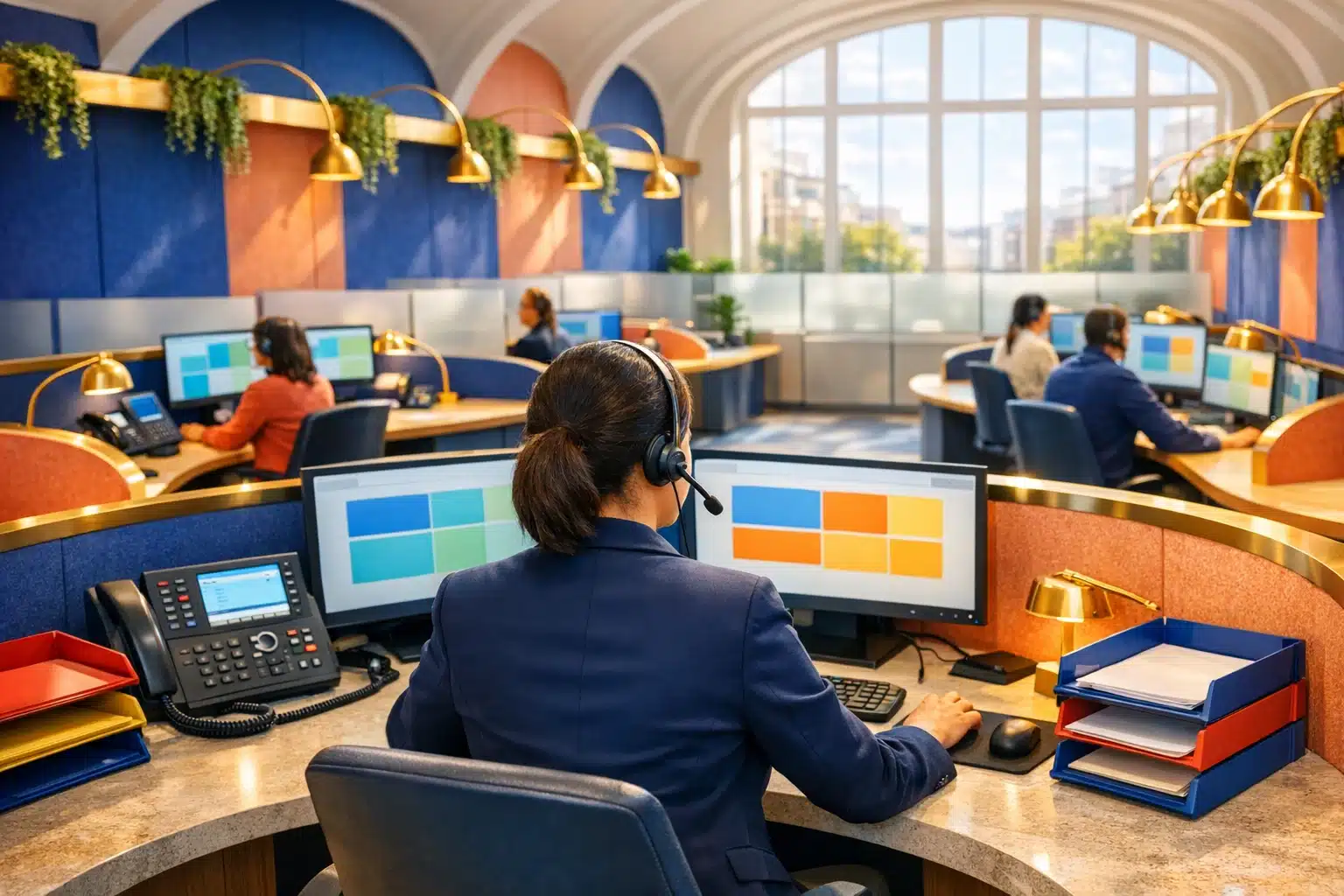
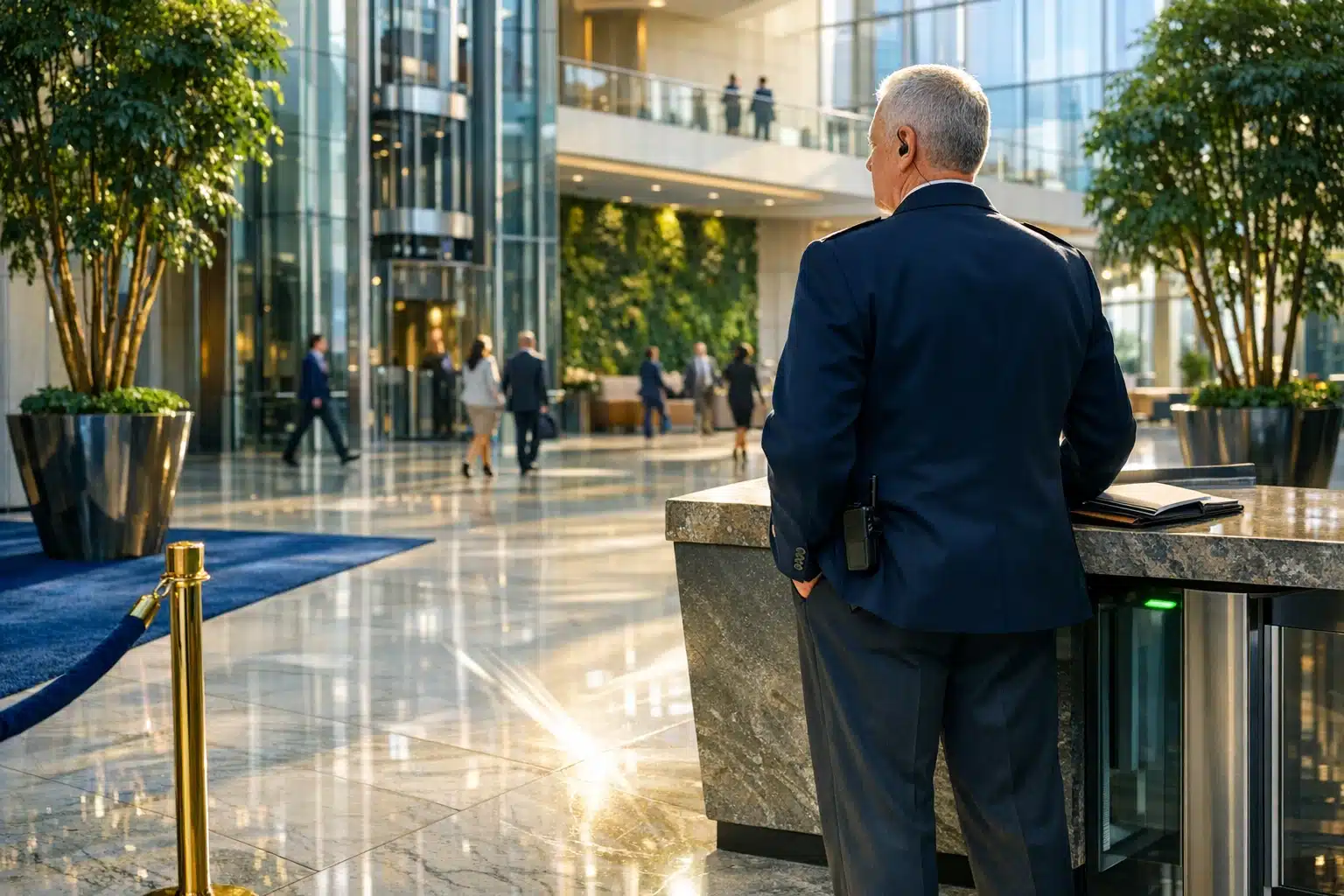
For many seniors, the appeal of security work begins with a simple fact: the job often values maturity as much as muscle. Popular culture sometimes paints security roles as nonstop action, but everyday reality is usually quieter and more procedural. A large share of security jobs involve monitoring entrances, greeting visitors, checking badges, watching camera feeds, documenting incidents, and contacting the appropriate person when something seems off. In those moments, calm judgment matters more than raw speed.
Older workers often bring a practical advantage to these responsibilities. After decades in offices, schools, factories, retail stores, transportation, or public service, many seniors have already developed skills that transfer naturally into security. They know how to speak professionally, follow routines, observe people without escalating tension, and take rules seriously. Employers frequently value those habits because security is built on reliability. A guard who shows up on time, notices details, and writes a clear report can be more useful than someone with physical strength but poor discipline.
There are also lifestyle reasons the field can make sense. Some retirees want supplemental income without committing to a full second career. Others miss having a schedule, coworkers, and a role that feels useful. Security work can provide all three. Depending on the site, shifts may be part-time, overnight, weekend-based, or steady daytime hours. That flexibility can be appealing for people balancing medical appointments, caregiving duties, or phased retirement.
Compared with certain common post-retirement jobs, security may also offer a different kind of work environment. Retail positions can require long periods of standing while handling constant customer demands. Delivery gigs may depend heavily on driving, rapid pace, and app-based pressure. Security, by contrast, often rewards consistency and routine. The job is frequently less about selling and more about presence. A guard can become the steady center of a building’s daily rhythm, the person who notices when a door is propped open, when a visitor looks lost, or when a routine suddenly changes tone.
That does not mean every security job is automatically senior-friendly. Some assignments involve extensive walking, outdoor exposure, or dealing with intoxicated or aggressive individuals. The better fit is often found in posts that emphasize observation, access control, customer service, and documentation.
- Office lobbies and reception-style posts may suit those who like structured interaction.
- Residential communities often value guards who can communicate clearly with residents and guests.
- Gatehouse or industrial access roles can work well for people comfortable with check-in procedures.
- Museum, school, or clinic posts may appeal to seniors who prefer calmer settings.
In short, the field can be a realistic option because it aligns with strengths that do not expire at sixty-five. Experience, patience, and dependable habits remain highly employable. In security, those qualities are not side notes. They are often the core of the job.
Comparing Security Guard Roles: Finding the Right Match
Not all security jobs are alike, and that is good news for seniors. The term security guard covers a wide range of assignments, from quiet front-desk monitoring to active patrol work across large properties. Choosing the right role is less about chasing the highest pay and more about matching the duties to your energy level, mobility, communication style, and tolerance for stress. Think of it as selecting the right chair at the table rather than forcing yourself into the loudest seat in the room.
One of the biggest distinctions is between unarmed and armed positions. Unarmed roles are usually more accessible and more suitable for older applicants who want a lower-risk environment. These jobs often focus on watching entrances, verifying identification, monitoring alarms, logging deliveries, or making periodic rounds. Armed positions typically require additional licensing, stricter training, and a higher comfort level with serious incidents. They may also carry greater legal responsibility. For most seniors entering the field, unarmed work is the more practical starting point.
Another important comparison is fixed-post versus patrol assignments. Fixed-post jobs keep you mainly in one location, such as a lobby desk, gatehouse, reception station, or camera room. These roles can be ideal for seniors who prefer predictable routines and limited walking. Patrol roles require moving through parking lots, hallways, stairwells, or multiple buildings at scheduled intervals. Some mobile patrol jobs involve driving between properties, which may suit people who are comfortable behind the wheel at night and in all weather. Others are better avoided if long walks or frequent vehicle entry and exit are difficult.
Here are several common security environments and what they often involve:
- Corporate office security: visitor check-in, badge control, camera monitoring, after-hours access, and professional customer interaction.
- Residential community security: gate access, package area monitoring, resident assistance, and property patrols with moderate public contact.
- Hospital or clinic security: more training, faster decision-making, and emotionally demanding situations; often busier than other settings.
- Retail security or loss prevention: standing, observation, and dealing with theft-related concerns; sometimes more physically demanding.
- School or campus security: access control, student and visitor awareness, and strong communication with staff and parents.
- Museum, library, or civic building security: generally calmer surroundings with strong emphasis on courtesy and alert observation.
Shift patterns matter as much as job type. Some seniors prefer early mornings because buildings are orderly and traffic is lighter. Others like overnight work because it can be quieter and less customer-facing, though it may be harder on sleep and medication schedules. Weekend assignments may suit those wanting part-time income, while full-time posts can provide routine and benefits when available.
A useful rule is this: choose the environment, then choose the employer, then choose the schedule. A peaceful front desk with a disorganized company can still be frustrating. On the other hand, a well-managed employer at a moderate site can make the work feel stable and dignified. Security is not one job. It is a family of jobs, and seniors do best when they select the branch that matches real-life comfort, not just a job title.
Requirements, Licensing, Training, and Health Considerations
Before applying, seniors should understand that security work is regulated differently depending on location. Requirements vary by state, province, or country, and employers may add their own standards on top of legal ones. In many places, an applicant for an entry-level unarmed role must meet a minimum age requirement, pass a background check, complete basic training, and obtain a license or registration card. Armed roles often demand more extensive training, firearm qualifications where legal, and a higher minimum age. The key point is not to assume that a strong résumé alone is enough. In security, paperwork matters.
Training requirements can range from fairly short introductory courses to more structured programs. Common topics include public safety basics, report writing, radio procedures, emergency response, legal limits of a guard’s authority, conflict de-escalation, and customer service. Some employers also want CPR or first-aid certification, especially for hospital, school, or large residential sites. Seniors should not view training as a barrier. In many cases, it is the bridge that turns life experience into job-ready credibility.
Technology is another consideration. Modern guards may use digital incident logs, mobile scheduling apps, visitor management systems, electronic patrol checkpoints, and camera software. That sounds intimidating to some applicants, but the tools are usually learnable. A senior who can use email, follow a checklist, and learn a simple app is often perfectly capable of handling routine security technology. Employers are typically more concerned with accuracy than speed. A careful report submitted ten minutes later is often more valuable than a rushed report full of errors.
Physical readiness should be assessed honestly rather than emotionally. Many senior-friendly positions are light-duty, but even calm posts may involve standing, climbing a few steps, responding to alarms, or walking a property during certain intervals. Hearing, vision, balance, and endurance all matter. Medications can also affect alertness, especially on overnight shifts. None of this means seniors are poor candidates. It simply means self-matching is essential.
- Ask whether the post requires constant standing, regular patrols, or vehicle driving.
- Clarify whether the site has elevators, large outdoor areas, or emergency stair use.
- Check if the shift includes working alone or as part of a team.
- Find out whether reports are handwritten, digital, or both.
- Confirm the level of public interaction and whether conflict is common.
It is also wise to understand the limits of the role. Security guards are usually there to observe, deter, document, and report. In many settings, they are not expected to act like police officers. That distinction matters because it shapes both training and daily decision-making. A senior who knows when to call for help, when to follow procedure, and when not to escalate can be an asset from day one.
The best approach is practical. Review the legal requirements in your area, complete the necessary training, be honest about your physical comfort, and treat the license as a professional credential. Many employers are far more open to older applicants once those basics are already in place.
How Seniors Can Find Openings, Apply Well, and Evaluate Pay
Finding the right security opportunity takes more than typing a job title into a search bar. Seniors often get better results when they search by environment and employer reputation rather than by title alone. Large contract security firms hire for office towers, warehouses, residential communities, hospitals, and public venues. Some organizations also hire in-house security staff directly, especially hospitals, universities, transit systems, museums, and major property management companies. In-house roles may offer stronger training or better benefits, while contract roles can be easier to enter and more flexible with scheduling.
A smart search strategy starts locally. Check major job boards, of course, but also look at company career pages, community association sites, hospital systems, school districts, and commercial property firms. Workforce centers, veteran support organizations, and senior employment programs can also help connect applicants to employers that value reliability and life experience. Networking still works. A former coworker, church member, neighbor, or building manager may know of a quiet, well-run site before it is widely advertised.
Your résumé should emphasize transferable strengths, not age. Focus on attendance, customer service, recordkeeping, supervision, safety awareness, facility operations, transportation experience, reception duties, compliance, or emergency response. A retired teacher can highlight communication and conflict management. A former office administrator can highlight access control, documentation, and visitor coordination. A mechanic or plant worker can highlight safety procedures and site awareness. The goal is to translate past work into the language of security.
During interviews, ask clear questions. Good employers expect this. You are not only trying to get hired; you are trying to avoid a poor fit.
- What are the exact duties on a typical shift?
- How much walking, standing, or driving is required?
- Is the post indoors, outdoors, or mixed?
- How often do incidents involve confrontation?
- What training is provided after hiring?
- Are schedules fixed, rotating, or assigned week by week?
Pay varies widely by region, industry, and risk level. Entry-level unarmed positions may offer modest hourly wages, while hospital, government, unionized, or specialized sites may pay more. Overnight and weekend shifts sometimes include a premium, but they can also be harder on sleep quality. Seniors should evaluate the full package rather than only the hourly number. A slightly lower-paying day shift close to home may be more sustainable than a higher-paying overnight post that leaves you exhausted.
Watch for warning signs in job ads. Be cautious if duties are vague, the employer pressures you to pay unusual upfront fees, or the description sounds like a law-enforcement fantasy rather than a real security position. Professional employers explain responsibilities clearly and tell you what certifications are needed.
In the end, the best application strategy is balanced. Present yourself as dependable, trainable, and steady under pressure. Then judge the employer with the same care they use to judge you. Seniors often succeed not by applying everywhere, but by applying selectively to roles that fit their strengths and daily routines.
Conclusion for Seniors: Building a Sustainable and Rewarding Security Role
If you are a senior considering security work, the most important idea to keep in view is that success depends on fit, not age. A later-life job should support your health, your finances, and your sense of purpose at the same time. Security can do that when you choose a post that matches your stamina, schedule, and temperament. The job is often less about dramatic intervention and more about steady presence. In many workplaces, that steady presence is exactly what people trust most.
Sustainable success usually comes from a few practical habits. Learn the site thoroughly. Wear shoes that support long hours better than they impress anyone. Keep notes carefully, because memory is helped by method. Ask questions early rather than guessing. Stay professional with difficult people and let procedure carry the weight when emotions rise. These are not glamorous habits, but security rarely rewards glamour. It rewards consistency.
Seniors can also protect their long-term comfort by setting boundaries. A role that looks manageable in the interview may feel different after three overnight shifts, frequent weather exposure, or repeated last-minute schedule changes. It is perfectly reasonable to prefer assignments with predictable hours, indoor stations, or lower confrontation. Good employers understand that workers perform better when the role fits the person. There is no prize for choosing the toughest site if it drains your energy in a month.
Before accepting an offer, use a final personal checklist:
- Can I perform the physical tasks safely and repeatedly?
- Does the schedule fit my sleep, transportation, and health needs?
- Will the pay justify the commute, uniforms, and time commitment?
- Do I understand the reporting system and emergency procedures?
- Does this employer sound organized, respectful, and realistic?
For many older adults, work after retirement is not simply about money. It is about remaining useful, connected, and engaged with the world beyond the front door. Security roles can offer that in a grounded, practical way. A quiet lobby, a school entrance, a residential gate, or a museum hall may not sound dramatic, yet each depends on someone alert enough to notice what others miss. Seniors often bring that kind of attention naturally.
So if you are weighing your next step, do not dismiss security because the stereotype feels too narrow. Look past the movie version. There is a real, wide field of roles where judgment, courtesy, and dependability matter every day. For the right senior, that can turn a simple job into a satisfying new chapter.