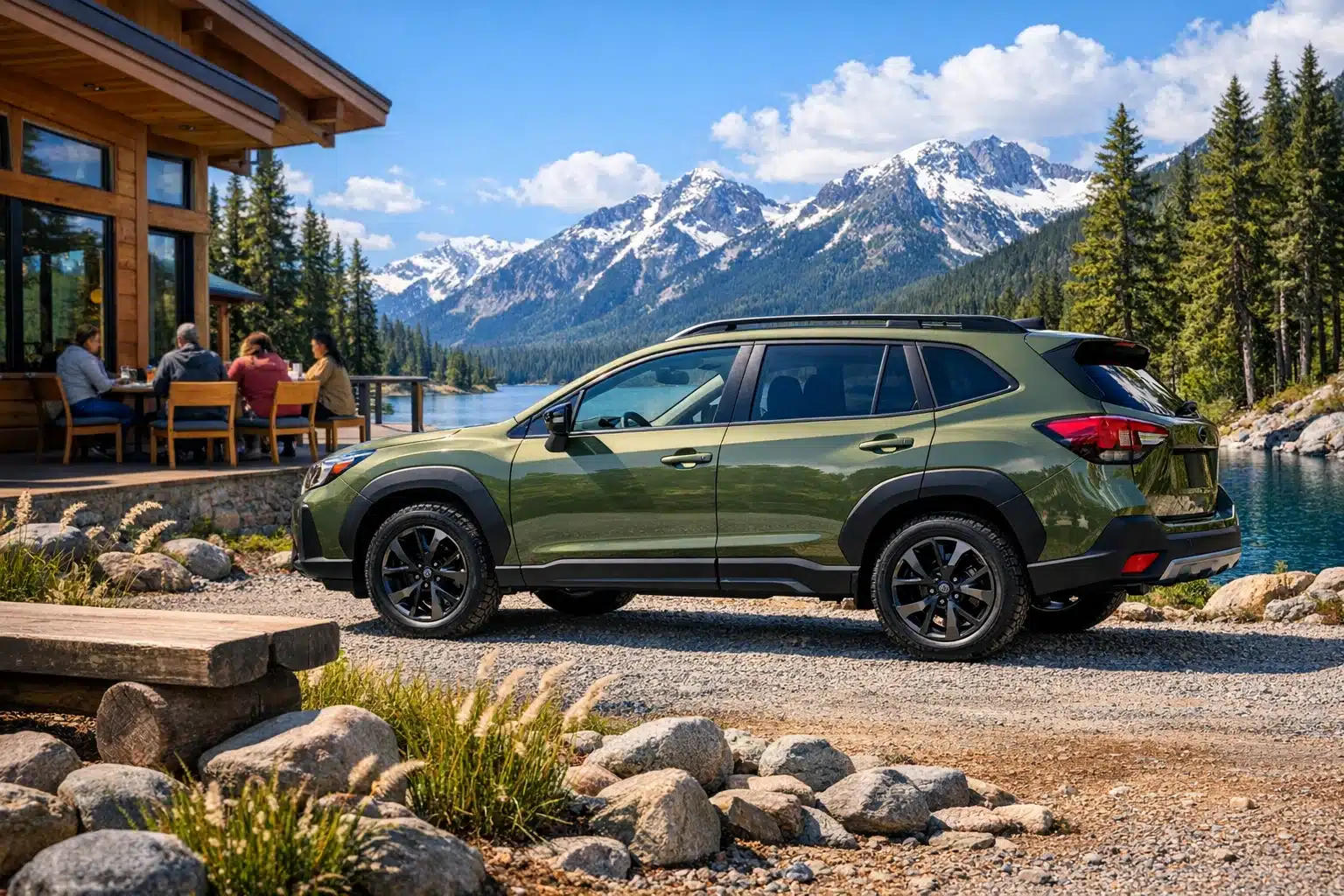
Toyota’s New RAV4 Model: Design Highlights and What to Expect
Toyota’s new RAV4 matters because the compact SUV market has become a battleground where design, efficiency, and practicality all have to work at once. Buyers no longer want a vehicle that is merely sensible; they expect style, smart technology, and low running costs in one package. That is why every visible change to the RAV4 draws attention from commuters, families, and long-distance drivers alike. This article explores the model’s design highlights, likely upgrades, competitive position, and the kind of ownership experience shoppers should realistically expect.
Article Outline
- The RAV4’s importance in today’s SUV market and why a redesign carries weight.
- Exterior design highlights, from proportions and lighting to trim-specific personality.
- Interior, technology, and practicality updates that affect daily usability.
- Powertrains, efficiency, ride quality, and what drivers can reasonably expect on the road.
- How the new model compares with rivals, who it suits best, and final takeaways for shoppers.
1. Why the New RAV4 Matters in a Crowded SUV Market
The RAV4 is not just another compact SUV wearing a familiar badge. It is one of Toyota’s most visible products, and in many markets it has become a benchmark for buyers who want a practical vehicle without stepping into something oversized or expensive to own. That gives any new RAV4 more significance than a routine model update. When Toyota changes its best-known crossover, competitors pay attention and shoppers notice.
The reason is simple: the compact SUV class now does the work that midsize sedans once did. It carries children to school, luggage to the airport, groceries home, and occasionally bikes, pets, or camping gear to the weekend. That role demands versatility. A model can no longer rely on one strength alone. Great fuel economy is useful, but not enough. Strong resale value helps, but buyers also want clean design, easy-to-use technology, safety features that feel natural rather than intrusive, and a cabin that does not seem like an afterthought.
Toyota has generally succeeded by understanding that balance. The RAV4 built its reputation on dependability, solid packaging, and wide appeal, then gradually added stronger styling and more electrified options. In recent years, many buyers who once would have purchased a sedan have moved into crossovers instead, and that shift has made the RAV4 even more relevant. In the United States, for example, the RAV4 has been among the best-selling non-pickup vehicles in recent years, which says a great deal about how central it is to the market conversation.
That popularity creates pressure. A new RAV4 cannot be too radical, because loyal owners appreciate familiarity. It also cannot feel stale, because rivals such as the Honda CR-V, Mazda CX-5 and CX-50, Hyundai Tucson, Kia Sportage, Nissan Rogue, and Subaru Forester are all pushing hard with sharper styling, larger screens, richer interiors, or strong value positioning. Toyota therefore has to make the next step look confident rather than cautious.
What makes the current discussion around the new model especially interesting is that design now influences buying decisions more than it once did. Shoppers still ask practical questions, but the emotional response matters too. A vehicle that looks planted, modern, and a little adventurous often earns attention before anyone studies the spec sheet. The new RAV4 seems aimed directly at that reality.
- It needs to preserve Toyota’s reputation for reliability.
- It has to look fresh beside newer rivals.
- It must continue meeting demand for hybrid efficiency.
- It should remain easy to live with every single day.
That is why this model matters. It is not simply a visual refresh for an established nameplate. It is Toyota’s answer to a market where buyers want reason and personality in the same driveway.
2. Exterior Design Highlights: A Tougher Look with Broader Appeal
If the new RAV4 is making people stop and look twice, the exterior is the first reason why. Toyota has spent the last several product cycles giving many of its vehicles a more assertive face, and the RAV4 appears to continue that direction with a cleaner but bolder visual identity. Rather than chasing flashy novelty, the design language seems to focus on proportions, stance, and detail work that make the SUV look more substantial without pretending to be something it is not.
One likely highlight is the front-end treatment. Modern Toyota crossovers often use slimmer lighting elements, stronger grille framing, and more sculpted surfaces to create a face that reads as contemporary rather than ornamental. That matters because the compact SUV class can easily become visually busy. Some competitors use oversized grilles, dramatic creases, or layered trim pieces that photograph well but age quickly. A successful RAV4 design needs to avoid that trap. The best outcome is a shape that feels crisp now and still believable years from now.
The side profile is where a lot of SUV design either wins or loses. A good crossover should look stable from the doors backward, with wheel arches, roofline, and glass area working together instead of competing for attention. The RAV4 has historically done well here by combining an upright body with enough sculpting to avoid a boxy, appliance-like feel. Expect the new model to build on that formula through sharper shoulder lines, more deliberate surfacing, and wheel designs that help define each trim level. An entry model can look clean and practical, while sport-oriented or adventure-focused versions may lean harder into black cladding, roof accents, or larger wheels.
Lighting is another area where small changes can make a big difference. Thin LED signatures, more precise rear lamp graphics, and better integration of turn signals and daytime running lights all help a vehicle feel newer without redesigning every panel. It is the automotive equivalent of changing the frame around a picture; the image stays familiar, but the presentation becomes more striking.
The visual appeal also depends on how Toyota manages trim personalities. That is especially important for the RAV4 because buyers often want different things from the same base vehicle.
- Urban drivers may prefer a polished, upscale look with body-color details.
- Outdoor-minded buyers often respond to chunkier tires, dark trim, and rugged cues.
- Sportier shoppers may want contrasting roofs, larger wheels, and a more aggressive front fascia.
Compared with rivals, the RAV4’s likely sweet spot is a balance between ruggedness and restraint. The Hyundai Tucson and Kia Sportage take a more experimental styling route. Mazda usually emphasizes elegance and road-car posture. Subaru leans practical and outdoorsy. Toyota’s opportunity is to land in the middle: sturdy enough to suggest adventure, refined enough to feel at home in a business park, and distinctive enough that owners feel they bought more than pure transportation.
That balance is why many people are calling the new RAV4 stunning. It may not rely on drama for drama’s sake. Instead, it seems designed to project confidence, and that can be more compelling than a hundred decorative flourishes.
3. Interior Design, Technology, and Everyday Practicality
A beautiful exterior may draw attention, but the cabin is where owners decide whether a vehicle actually fits their lives. For the new RAV4, interior design will matter just as much as sheet metal, because this is a segment where people spend serious time commuting, road-tripping, waiting in school pickup lines, and packing the cargo area with everything from strollers to garden supplies. The SUV that handles these moments gracefully often wins more loyalty than the one with the flashiest launch photos.
Toyota’s strongest opportunity inside the RAV4 is to improve both atmosphere and usability at the same time. These goals are connected. Drivers want a dashboard that looks modern, but they also want controls that can be understood at a glance. A larger infotainment display is welcome, yet it should not come at the expense of ergonomics. Good cabin design is not about placing a giant screen in the middle and declaring victory. It is about reducing friction during everyday use.
That means the best version of the new interior would combine several elements: clearer graphics, faster software responses, better phone integration, more supportive seats, improved storage solutions, and materials that feel durable without looking overly plain. Toyota has been moving in this direction across its lineup, and the RAV4 is the kind of vehicle that benefits enormously from those upgrades because its audience is broad. Some owners care about wireless smartphone connectivity and multi-device charging. Others care more about rear legroom, cupholder placement, or whether the cargo floor sits low enough to make loading easy. The strongest cabins respect all of those priorities.
Practicality remains one of the RAV4’s core selling points. A useful compact SUV should offer a rear seat that can genuinely accommodate adults, not just children on short trips. Cargo flexibility is equally important. Split-folding seats, a wide hatch opening, thoughtful side storage, and available hands-free tailgate functionality all contribute to the ownership experience in ways that do not always show up in headline reviews but absolutely matter over time.
Toyota’s approach to safety technology is another area buyers will watch closely. A new RAV4 is expected to continue offering a strong suite of driver-assistance features, but implementation matters more than feature count. Adaptive cruise control, lane-centering aids, blind-spot monitoring, rear cross-traffic alert, and automated emergency braking are valuable only when they work smoothly and predictably. No one wants a vehicle that feels like it is nagging its owner through traffic.
- Look for improved screen layout and easier menu navigation.
- Expect more USB-C ports and stronger device integration.
- Watch for seat comfort and cabin noise improvements, which heavily influence daily satisfaction.
- Pay attention to cargo details, because usable space matters more than marketing numbers alone.
Compared with competitors, the RAV4 does not necessarily need the most theatrical interior to succeed. It needs a cabin that feels composed, intelligently arranged, and ready for years of regular use. If Toyota gets that formula right, the new RAV4 could be especially appealing to buyers who want modern features without learning a new digital language every time they start the engine. In a world of overcomplicated dashboards, clarity can feel surprisingly luxurious.
4. Powertrains, Efficiency, and What the New RAV4 May Feel Like on the Road
For many buyers, the real story of the RAV4 is not just how it looks in the driveway but how it behaves over months and years of ownership. This is where Toyota has an advantage. The brand has spent decades building a reputation around powertrains that prioritize efficiency, consistency, and manageable operating costs. In the compact SUV class, where fuel prices, maintenance planning, and resale value matter, that reputation still carries weight.
The most important expectation surrounding the new RAV4 is that Toyota will continue leaning heavily into electrification. Hybrid technology is no longer a niche feature for environmentally minded early adopters. It has become a mainstream buying priority for people who simply want better fuel economy without changing their habits. Toyota recognized that shift earlier than many competitors, and the RAV4 has benefited from it. As a result, hybrid variants are likely to remain central to the model’s appeal, with some markets also continuing to see plug-in hybrid options for buyers who want electric-only commuting potential paired with long-distance flexibility.
What should shoppers realistically expect from the driving experience? Most likely, the new RAV4 will continue aiming for well-rounded competence rather than sports-car drama. That is not a criticism. In this class, balance usually matters more than extremes. Drivers tend to appreciate a crossover that accelerates confidently onto highways, rides comfortably over broken pavement, and remains composed in rain, gravel, or light snow when equipped appropriately. Toyota may tune the suspension and steering for greater refinement, but the mission is still likely to center on predictability and ease.
This is where comparisons get interesting. Mazda often aims for sharper handling feel. Honda traditionally balances efficiency and responsive road manners very well. Hyundai and Kia can bring strong feature value. Subaru appeals to buyers who prioritize traction and outdoor usability. Toyota’s likely edge lies in combining several strengths at once:
- Strong hybrid know-how and broad consumer trust in the technology.
- Good day-to-day drivability rather than a learning curve.
- Historically solid resale performance in many markets.
- A powertrain lineup that fits both pragmatic and efficiency-focused buyers.
All-wheel drive will remain a key item to watch, not because every owner needs it, but because many buyers in this segment want the confidence it provides. Toyota has also shown that hybrid systems can work well with all-wheel-drive configurations, giving owners traction benefits without fully sacrificing fuel economy.
Noise, vibration, and ride quality may turn out to be the less glamorous but more meaningful improvements. A quieter cabin at cruising speed, smoother throttle response in traffic, and more polished suspension tuning can transform a familiar model into something noticeably more satisfying. Sometimes a new vehicle does not announce its progress with fireworks. Instead, it whispers it over a long drive, when the road feels calmer, the steering less busy, and the fuel gauge a little slower to move.
That is the sort of progress many RAV4 buyers actually want: fewer compromises, lower stress, and efficiency that makes sense in real life rather than only on a brochure.
5. Who Should Pay Attention, How It Stacks Up, and Final Thoughts for Buyers
The new RAV4 is likely to appeal to a very broad audience, but not all buyers will value the same qualities. That is worth saying clearly, because the compact SUV class is full of excellent choices now. A smart purchase depends less on finding the universally perfect model and more on matching a vehicle’s strengths to your daily routine, budget, and expectations.
If you are a commuter, the RAV4’s likely hybrid-first identity should put it high on your shortlist. Efficient urban driving, reduced fuel stops, and Toyota’s long familiarity with electrified systems are meaningful advantages when a vehicle spends its life in traffic. If you are a family buyer, the RAV4’s practical footprint may be even more persuasive. It typically offers the elevated seating position people like, useful cargo capacity, and a size that remains manageable in parking lots. If you are stepping out of a sedan, that combination can feel like a genuine lifestyle upgrade without the burden of moving into a much larger SUV.
There are also buyers who should compare carefully before deciding. If cabin richness is your top priority, some rivals may deliver a more premium-feeling interior for similar money. If driving engagement sits near the top of your list, a Mazda alternative may feel more tailored to that preference. If maximum feature count per dollar matters most, certain Korean competitors can be compelling. Toyota’s case is usually strongest when the buyer values a complete package rather than a single headline feature.
That complete-package argument becomes easier to understand when you break it down:
- The RAV4 generally blends practicality, efficiency, and resale strength well.
- Its styling appears more confident, which helps it compete emotionally as well as rationally.
- Toyota’s safety and hybrid credibility remain major assets.
- The vehicle is likely to suit buyers who plan to keep it for years, not just lease it for novelty.
For shoppers trying to decide whether to wait, the answer depends on timing and priorities. If you need a vehicle immediately and find a strong deal on the outgoing model, proven reliability and mature production can still make that route sensible. If design, technology updates, and the latest refinement matter more to you, the new RAV4 may be worth the patience. Fresh models often bring sharper interfaces, upgraded materials, and improved tuning that are hard to appreciate until you experience them back to back.
Conclusion for SUV Shoppers
Toyota’s new RAV4 looks poised to strengthen a formula that already works: sensible dimensions, broad usability, hybrid appeal, and styling that finally earns a second glance instead of merely a nod of approval. It seems especially well suited to drivers who want one vehicle to do many jobs without becoming complicated, thirsty, or visually forgettable. The most attractive thing about the RAV4 may not be any single feature, but the way its pieces fit together with uncommon discipline. For buyers who want a compact SUV that feels current today and still sensible tomorrow, this model deserves careful attention.