Amsterdam Mini Cruises from Hull: A Practical Travel Guide
Introduction and Article Outline
An Amsterdam mini cruise from Hull appeals to travellers who want a short break without the choreography of airports, baggage belts, and dawn departures. Instead of rushing through security, you board in East Yorkshire, settle into a cabin, and wake up on the Dutch side of the North Sea ready for a city day or a longer stay. For couples, friends, and first-time ferry passengers, the format blends transport, accommodation, and a modest sense of adventure in one booking.
The topic matters because short European breaks are no longer judged only by flight time. Travellers now look closely at the full experience: how easy it is to start the journey, how much hassle is involved, what luggage rules apply, and whether the trip itself feels enjoyable rather than merely functional. A mini cruise from Hull stands out for people in Yorkshire, the North East, Lincolnshire, and other parts of northern England because the port is often easier to reach than a major airport. It also offers a different pace. You leave in the evening, sleep on board, and arrive with the sense that the holiday began the night before.
There is, however, one important practical detail that every traveller should understand from the start: most so-called Amsterdam mini cruises from Hull do not sail directly into Amsterdam. The ferry typically travels overnight from Hull to Europoort, near Rotterdam, and the Amsterdam portion is completed by coach transfer or independent onward travel. That does not reduce the appeal, but it does change expectations. If you picture stepping off the ship into Amsterdam’s canal belt, you may be disappointed. If you picture a well-organised sea crossing linked to a brisk city visit, the trip makes much more sense.
Before moving into the detail, here is the outline this guide follows:
- How the route works in practice, including timings and transfer realities
- What life on board is really like, from cabins to food and evening atmosphere
- How to use limited time in Amsterdam wisely, especially on a standard mini cruise
- What affects the price, where the value lies, and who this style of trip suits best
By the end, you should be able to decide whether this is the right kind of getaway for you: not a grand ocean voyage, not a conventional package holiday, but a neatly compressed travel experience that turns the journey into part of the break.
How Amsterdam Mini Cruises from Hull Actually Work
The first thing to understand is that an Amsterdam mini cruise from Hull is usually a branded city-break format built around an overnight North Sea ferry. In practical terms, you normally check in at Hull in the late afternoon or early evening, board the ship, and depart that night. The crossing to Europoort generally takes around 11 to 12 hours, depending on schedule and conditions. After arrival the next morning, passengers booked on the standard mini cruise are usually transferred onward by coach to Amsterdam. The road journey often takes roughly 75 to 90 minutes, though traffic can stretch that. This means the trip is smooth, but it is not direct in the way many first-time bookers imagine.
That distinction matters because time ashore is one of the biggest variables in the experience. On many standard mini cruise packages, the visit to Amsterdam is relatively short, often around five hours once transfer time is factored in. For some travellers, that is perfect. It is enough for a canal walk, lunch, a museum visit, and a little shopping before returning to the coach. For others, especially people who like slow travel, it can feel rushed. If your dream is a long, unhurried exploration of neighbourhoods like Jordaan, De Pijp, and the Museumplein area, you may prefer an itinerary with an added hotel stay or an independently arranged extension.
Compared with flying, the ferry has a different set of strengths. A flight may be faster in pure travel time, but the ferry can be more comfortable in door-to-door terms for travellers living near Hull or elsewhere in northern England. You avoid early airport transfers, liquid restrictions, and the compressed atmosphere of short-haul terminals. You also gain an overnight stay within the journey itself. Compared with driving all the way through the Channel routes, the mini cruise is less tiring and often more relaxed, especially for people who do not want a long motorway slog before the holiday has even begun.
There are also limitations worth stating plainly. Sea conditions can affect comfort, especially for passengers prone to motion sickness. Coach transfers reduce flexibility on a basic package. Return timings are fixed, so there is little room for spontaneous detours. In other words, this trip works best when you treat it as a structured short escape rather than a fully open-ended city adventure. The ferry is part transport, part floating hotel, and part preview of the Netherlands. Once you understand that rhythm, the product becomes much easier to judge fairly.
Life On Board: Cabins, Food, Entertainment, and the Ferry Rhythm
One of the most pleasant surprises for first-time passengers is that the ferry itself is not just a waiting room on water. The onboard experience is central to the value of an Amsterdam mini cruise from Hull, because you spend two nights at sea on a typical return itinerary. A good crossing begins with realistic expectations. This is usually an overnight ferry with leisure facilities, not a luxury cruise liner. Even so, many travellers find the atmosphere enjoyable precisely because it feels informal. There is a sense of transition in the air: coats are hung up, bags go in the cabin, the shoreline slips away, and by the time you are holding a drink or scanning the dinner menu, ordinary routine has started to fade.
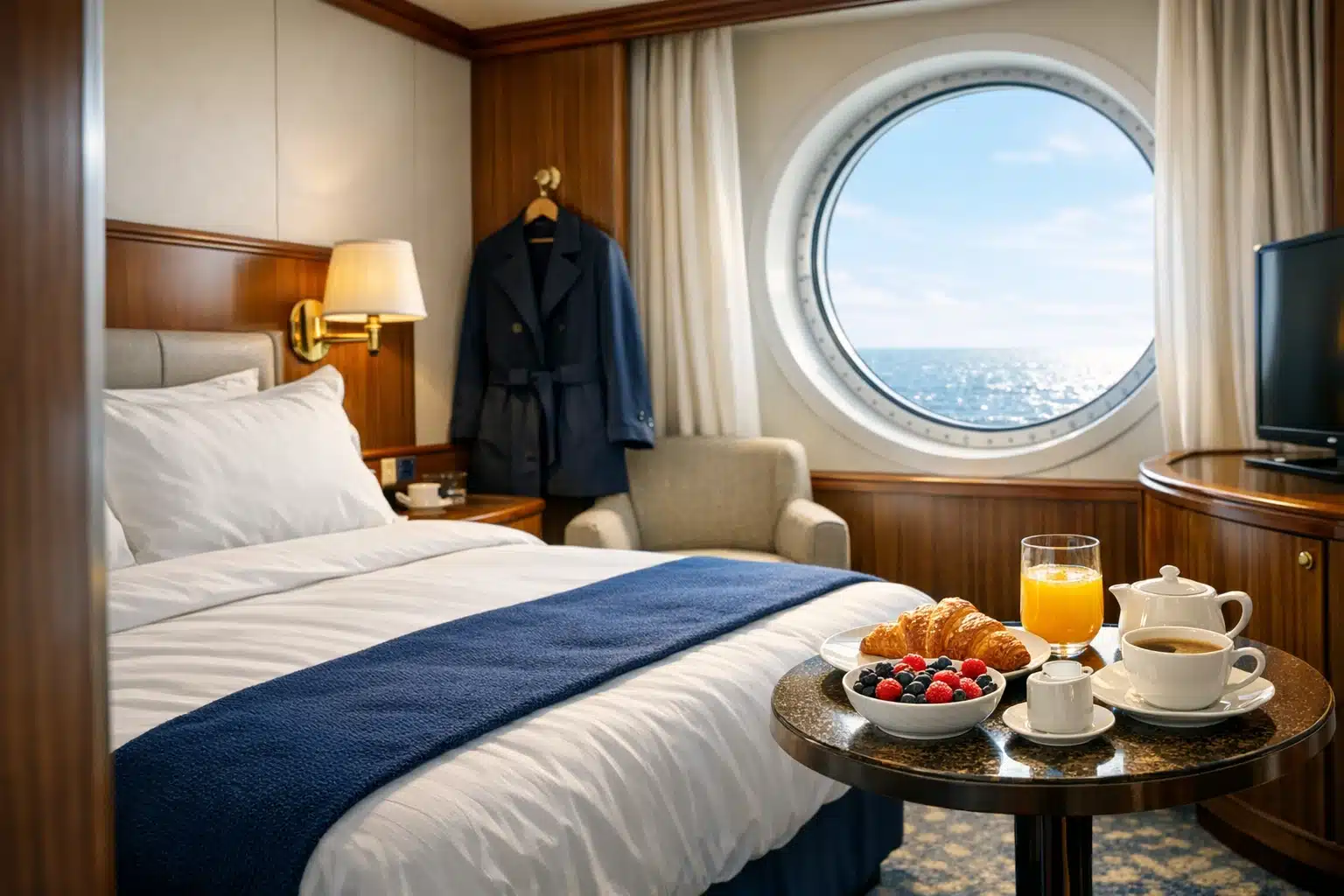
Cabins are a major factor in comfort. Standard inside cabins are often the cheapest choice and can be perfectly adequate for a short sailing if you mainly want a place to sleep. Outside cabins with a window add natural light and can make the morning feel less enclosed. Upgraded options, where available, may offer more space or better amenities. For light sleepers, cabin location matters as much as category. Mid-ship areas can feel steadier in rougher weather, while cabins near lifts or busy corridors may be noisier.
- Inside cabin: best for budget-focused travellers
- Outside cabin: better for those who value daylight and a less enclosed feel
- Premium or upgraded cabin: useful for couples marking an occasion or anyone wanting extra comfort
Food and drink also shape the trip more than many people expect. Most overnight ferries on this route offer a mix of casual dining, bars, and sit-down restaurant options. Booking meals in advance can sometimes improve value and reduce the uncertainty of deciding once on board. Breakfast is especially important on arrival day because the onward transfer and sightseeing can make for a long stretch before lunch. Entertainment varies, but many sailings offer enough to create an evening atmosphere: live music, bars, family-friendly spaces, and shops for basic travel purchases. You are unlikely to be bored, though you should not expect a packed cruise programme.
The real charm lies in the rhythm of the crossing. There is something quietly cinematic about stepping onto deck after departure, with wind in your face and port lights shrinking behind you. Later, the ship settles into its nighttime routine. By morning, the North Sea has done its work and you wake in another country. That emotional shift is hard to measure in brochure language, yet it is one of the reasons people choose this trip more than once. The journey does not merely connect two places; it creates a pause between them, and for many travellers that pause is part of the holiday’s appeal.
Making the Most of Your Time in Amsterdam
If you are taking a standard mini cruise, your time in Amsterdam is valuable and finite, so planning matters. This is not the kind of visit where you casually wander for hours and hope the day arranges itself. The smartest approach is to choose one or two priorities and build the rest of the day around them. Amsterdam rewards focus. Its central area is compact enough to explore on foot, but there is more to see than a short stop allows. Trying to fit in every famous sight can turn a pleasant city break into a timed obstacle course.
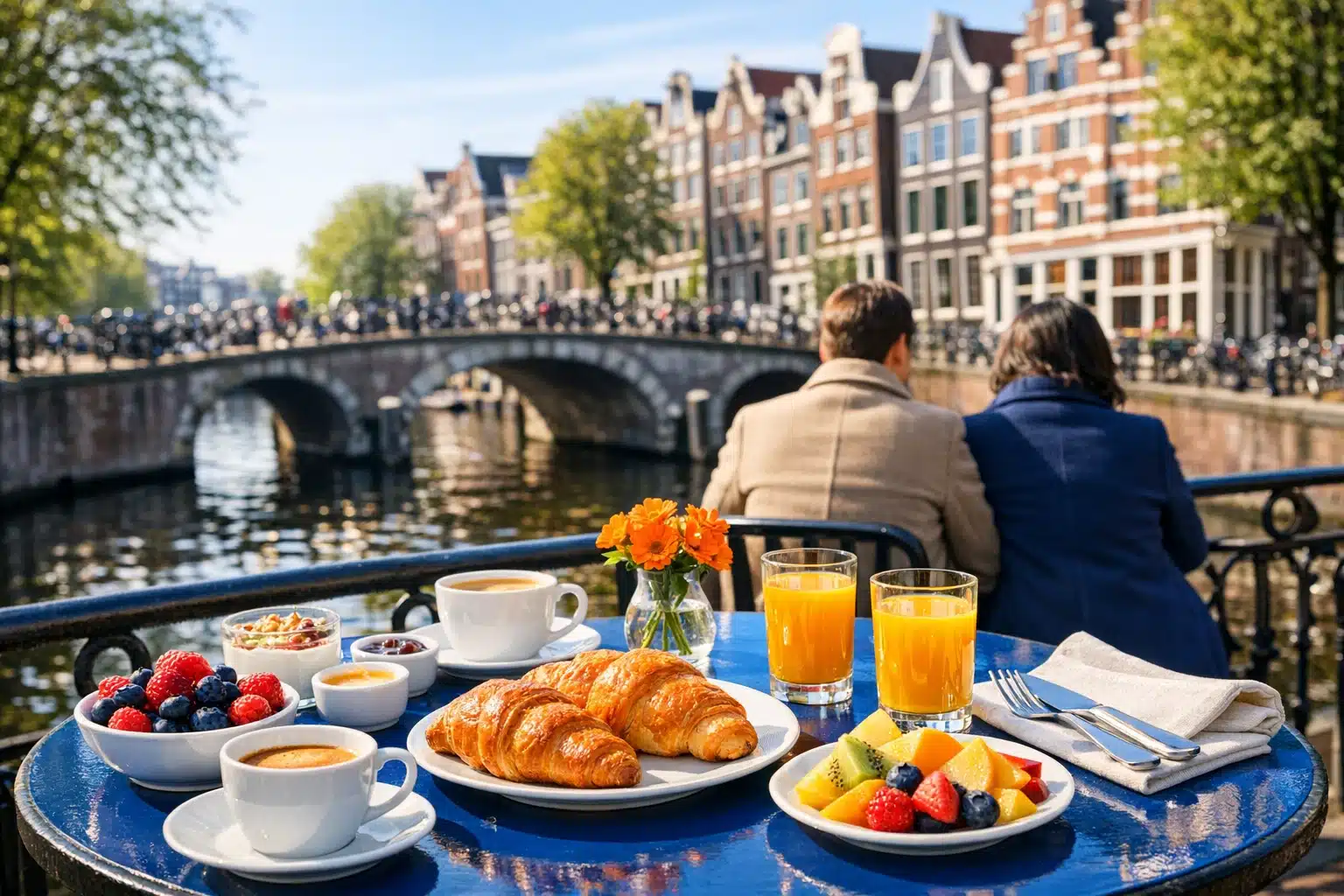
For many travellers, the best first move is to enjoy the city visually and geographically before diving into a major attraction. A canal walk through the historic centre, a glance at Dam Square, and a slow drift toward the Nine Streets or Jordaan can give you an immediate feel for Amsterdam’s layered character. The city is elegant without seeming fragile, busy without always feeling frantic. Bicycles hum past, trams slide through tight urban spaces, and the water reflects townhouses that look as though they have been carefully arranged for a painter with patience.
If museums are your priority, pre-booking is essential for the most popular sites. The Rijksmuseum, Van Gogh Museum, and Anne Frank House all attract heavy demand, and a limited-time visitor cannot afford to spend the day in queues or discover that tickets are gone. On a short mini cruise schedule, it is usually wiser to choose one major museum and balance it with outdoor exploration rather than attempting multiple headline attractions. Food is another area where restraint helps. Instead of hunting down a long list of recommendations, pick one canal-side café, one bakery stop, or one reliable lunch spot and keep moving.
- For art lovers: choose one major museum and a shorter canal walk
- For first-time visitors: focus on the central canals, Dam Square, and a boat tour if timing allows
- For shoppers: explore the Nine Streets, department stores, and local design shops
- For relaxed travellers: prioritise scenery, coffee, and neighbourhood atmosphere over checklists
Season also affects the experience. Spring can bring lively streets and garden-focused side trips, though weather remains changeable. Summer offers long daylight hours but larger crowds. Autumn often suits travellers who enjoy softer light and slightly calmer streets, while winter gives the city a more intimate mood, especially if you are comfortable with cold air and shorter days. Whatever the month, comfortable shoes, a waterproof layer, and awareness of tram and cycle lanes are basic but important. Amsterdam is easy to enjoy, yet it rewards visitors who move with intention rather than hurry blindly through it.
Costs, Booking Strategy, and Final Advice for Travellers
The price of an Amsterdam mini cruise from Hull can look simple at first glance, but the true cost depends on several moving parts. Base fares usually change according to season, day of travel, cabin type, and whether meals or transfers are bundled into the package. Weekends and school holiday periods are often more expensive, while off-peak sailings can offer better value. An inside cabin with no extras may appear attractively priced, yet once you add meals, drinks, attraction tickets, and spending money in Amsterdam, the total rises quickly. That does not make the trip poor value; it simply means the headline fare should not be the only number you consider.
A practical way to compare value is to think in terms of bundled convenience. On a mini cruise, the crossing and cabin cover transport and accommodation for the travel nights, which can make the cost feel more efficient than booking a flight, airport transfers, and a separate first and last hotel night. For travellers based within easy reach of Hull, that equation often works well. For someone starting in the south of England, the value may be weaker once rail fares, fuel, or overnight parking are added. Geography matters more here than in many other short-break calculations.
- Check what is included: cabin, coach transfer, meals, and city time can vary by package
- Compare weekday and weekend departures before booking
- Consider pre-booking breakfast if you like a smoother arrival morning
- Look at attraction tickets in advance if Amsterdam is the main reason for the trip
- Budget for onboard extras, which can add up faster than expected
This kind of break suits certain travellers especially well. It is a strong option for couples wanting a compact getaway, friends who enjoy the social side of travel, and anyone who prefers a journey with atmosphere rather than pure speed. It can also be ideal for people who dislike airports or want to start their trip in the evening rather than before sunrise. On the other hand, travellers who are very prone to seasickness, desperate for maximum time in Amsterdam, or determined to keep every part of the itinerary flexible may prefer a flight and hotel combination instead.
In summary, the Amsterdam mini cruise from Hull works best when approached on its own terms. It is not the fastest way to reach the Netherlands, and it is not a deep, open-ended city stay unless you extend it. What it offers is different: a manageable short break, a memorable overnight crossing, and a chance to swap airport routine for sea air and a changing horizon. For travellers in the right part of the country, with the right expectations, it remains a practical and genuinely enjoyable way to visit Amsterdam.