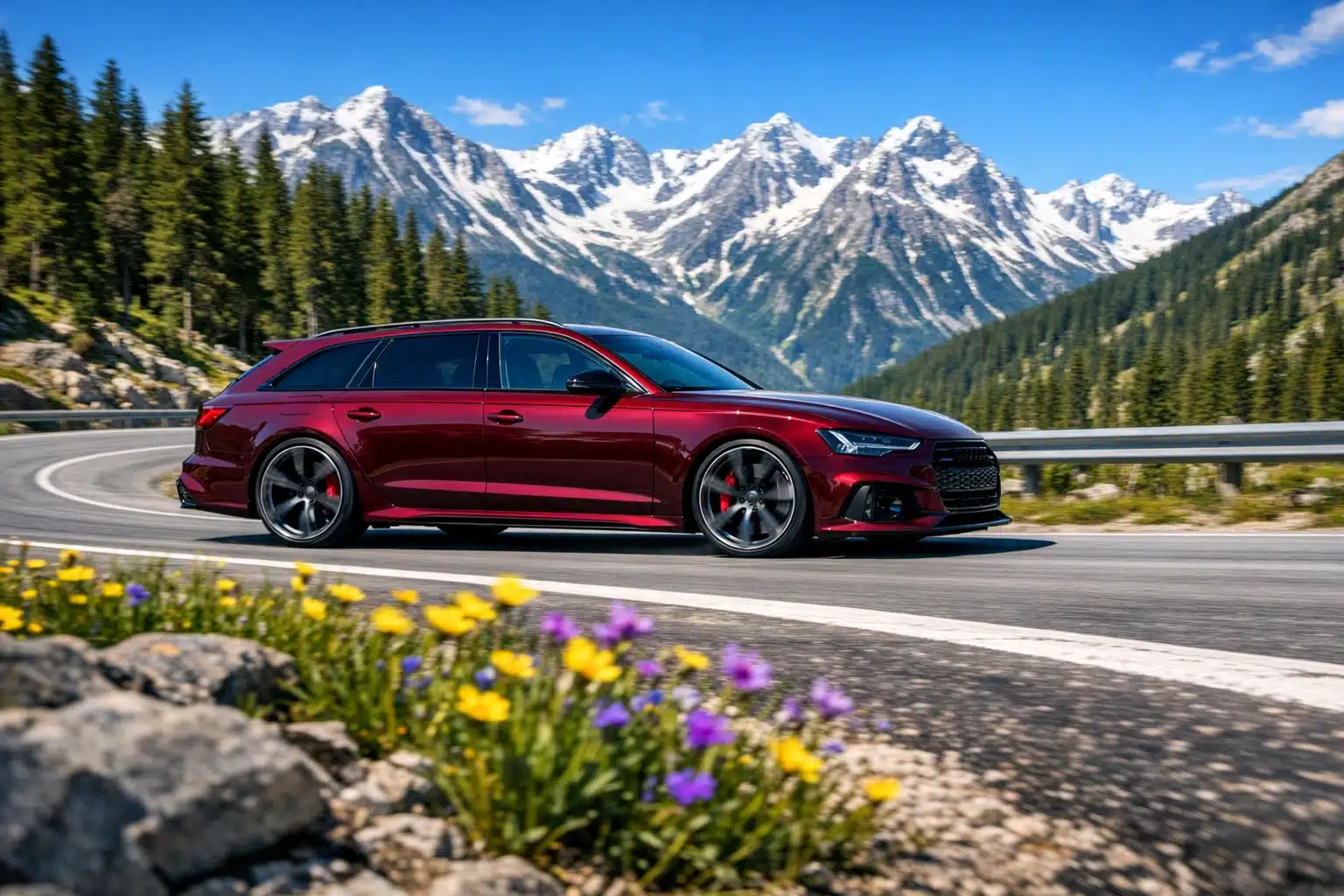
Audi RS 6 Avant Pricing Guide
Pricing an Audi RS 6 Avant is not as simple as reading the sticker on a showroom window. The final number shifts with model year, market, option choices, dealer fees, taxes, and even how rare a particular specification becomes. For buyers drawn to a super-wagon that blends family duty with serious performance, understanding these layers can prevent costly surprises. This guide breaks down where the money goes, what drives value, and how to budget with clarity.
Outline:
• Section 1 explains the RS 6 Avant’s base price, MSRP logic, and why country and model year matter.
• Section 2 looks at options, packages, and customization choices that can move the final figure sharply upward.
• Section 3 covers ownership costs beyond purchase, including insurance, fuel, tires, brakes, and depreciation.
• Section 4 compares RS 6 Avant pricing with key rivals and close alternatives.
• Section 5 closes with practical advice for new, used, and value-focused buyers.
1. Understanding the Audi RS 6 Avant Base Price
The Audi RS 6 Avant occupies a small but fascinating corner of the performance car market. It is a luxury wagon, a family hauler, a high-speed touring machine, and a statement piece all at once. That unusual combination is one reason its pricing sits well above mainstream wagons and even above many premium SUVs. In recent U.S. model years, the RS 6 Avant has generally started in the low-to-mid $120,000 range before destination charges, local taxes, registration, and optional equipment. In some years and markets, the opening figure moves higher, especially when refreshed versions or performance-focused updates arrive.
Base price matters, but it is only the first layer. Audi’s MSRP typically includes the standard drivetrain, core luxury features, quattro all-wheel drive, adaptive performance hardware, and the visual drama buyers expect from an RS product. Depending on the year, that usually means a twin-turbo V8, an automatic transmission, large wheels, sport seats, premium cabin materials, and a generous list of technology. The RS 6 Avant is not priced like a blank slate. Even the entry configuration feels more like a fully dressed athlete than an unfinished project.
Several factors explain why the number starts where it does:
• Limited market position compared with higher-volume models
• Expensive performance engineering, including powerful brakes and advanced suspension systems
• Premium materials and technology expected in a six-figure Audi
• A body style that is rare in many markets, especially the United States
Regional differences also play a major role. A shopper in the U.S., Germany, the U.K., or the Middle East may see very different headline figures because list prices can be shaped by VAT, luxury taxes, emissions rules, import costs, and local trim structures. That means two articles online may appear to disagree while both are technically correct for their respective markets. If you are researching price, the first question should always be, “For which country, model year, and specification?”
There is also the timing factor. New model introductions, facelift updates, and special editions can nudge the price upward. During periods of strong demand and thin supply, dealer markups may also appear, though they vary widely and are not guaranteed. In calmer market conditions, buyers may find less dramatic pricing behavior. The lesson is simple: the RS 6 Avant’s base price is best understood as a starting platform, not a final invoice. Like the car itself, the number at the beginning is fast, impressive, and only part of the story.
2. What Pushes the Final Price Higher: Options, Packages, and Personalization
If the base MSRP sets the stage, options and packages write the more expensive second act. The Audi RS 6 Avant is the kind of vehicle that invites indulgence. Buyers are not simply choosing transportation; they are curating an experience. That is where pricing can climb quickly from impressive to eye-widening. A well-optioned example can end up tens of thousands of dollars above its starting figure, especially when appearance upgrades and performance packages are selected together.
One of the biggest contributors is paint and visual customization. Standard colors may keep the price in check, but premium metallic finishes, exclusive paint programs, and special trim accents can raise the total immediately. Wheels are another classic budget escalator. Larger or more intricate wheel designs often add cost, and they may also lead to pricier replacement tires later. Inside the cabin, upgraded leather, contrast stitching, carbon fiber trim, premium audio systems, and enhanced seat packages can turn an already luxurious interior into something close to a rolling lounge.
Performance options matter even more. Depending on the model year and market, buyers may encounter packages that include:
• Carbon-ceramic brakes
• Higher top-speed limiters
• Sport exhaust enhancements
• Rear-wheel steering or performance-tuned chassis features
• Driver assistance technology bundles
• Premium lighting and head-up display packages
These upgrades do more than change the invoice. They can alter how the RS 6 Avant feels every day. Carbon-ceramic brakes, for example, may appeal to drivers who want fade resistance and a more exotic specification, but they also increase replacement costs later. A premium sound system makes long highway drives richer and quieter in mood, while chassis upgrades sharpen the car’s behavior when roads open up and the horizon starts looking like a runway.
There is also the “desirability premium” to think about. Certain combinations of paint, interior, wheels, and performance features are more sought after in the resale market. A carefully specified car may hold attention better than a basic build, but that does not always mean every option pays you back dollar for dollar. Some features are emotionally valuable rather than financially efficient. That is not a flaw; it is simply part of buying a high-end enthusiast vehicle.
The smartest approach is to divide options into three buckets:
• Must-have features you will enjoy every week
• Nice-to-have upgrades that improve appeal but are not essential
• Prestige extras that are exciting but may not justify their cost for your use case
In other words, personalization is where RS 6 Avant pricing becomes deeply personal. The wagon can be configured as a stealth missile, a luxurious long-distance express, or a bold attention magnet. Each path has its own price tag, and each says something about the driver before the engine even starts.
3. Looking Beyond the Sticker: Ownership Costs and Long-Term Budgeting
For many buyers, the real cost of an Audi RS 6 Avant begins after the purchase contract is signed. This is not a cheap car to feed, insure, or maintain, and pretending otherwise is like bringing a picnic basket to a thunderstorm. The RS 6 Avant is engineered for speed, grip, comfort, and prestige, which means nearly every supporting expense lands above the level of an ordinary luxury vehicle. A serious pricing guide has to include the long view.
Insurance is one of the first big realities. High-performance luxury models often carry noticeably higher premiums because replacement parts are expensive, repair labor is specialized, and claim costs can be substantial. Your age, driving record, location, and annual mileage can swing the number sharply, so one owner’s premium may not resemble another’s. Fuel is another unavoidable factor. The RS 6 Avant’s twin-turbo V8 rewards enthusiasm with strong acceleration, but spirited driving and city use can drive fuel consumption upward in a hurry. If your weekly routine includes short trips and heavy traffic, the budget may feel that strain more than on long highway runs.
Tires and brakes deserve special attention. A vehicle with this level of power and weight uses large, high-performance rubber, and those tires are not bargain items. Replacement intervals can shorten if the car is driven hard, and staggered setups may reduce rotation flexibility. Brake costs also vary dramatically depending on whether the car has standard steel brakes or optional carbon-ceramic hardware. The latter can be excellent for performance use, but when replacement day finally arrives, the bill can be formidable.
Common ownership cost categories include:
• Insurance premiums
• Premium fuel
• Performance tires
• Scheduled maintenance
• Brake service
• Registration and taxes
• Detailing, storage, or seasonal wheel sets for some owners
Depreciation is the quiet giant in the room. Even desirable performance wagons can lose a meaningful amount of value over time, especially in the early years. That said, the RS 6 Avant has a few traits that may support stronger interest than a generic luxury car: rarity, enthusiast demand, and a body style with a dedicated following. Condition, mileage, service history, and specification all affect resale strength. A clean, well-documented example with attractive options usually stands a better chance than a neglected or oddly configured one.
This is why total cost matters more than purchase price alone. A buyer who stretches to afford the monthly payment but ignores tire, fuel, insurance, and depreciation costs may end up owning the dream with a clenched jaw. A buyer who plans for the full picture can enjoy the car as intended. The RS 6 Avant is not just a fast wagon; it is a high-performance financial commitment wrapped in sculpted sheet metal and a soundtrack that never quite whispers.
4. How Audi RS 6 Avant Pricing Compares with Rivals and Alternatives
Pricing only makes sense when placed in context, and the Audi RS 6 Avant becomes especially interesting when compared with its rivals. In the modern performance market, direct wagon competitors are rare, which gives the RS 6 Avant a certain pricing freedom. Buyers are not shopping in a crowded aisle; they are walking into a boutique. That exclusivity helps explain why the model can command a premium even before options are added.
One natural comparison is the BMW M5 Touring, depending on market and model year availability. BMW’s entry may arrive with a similar mission: supercar pace wrapped in practical family packaging. Pricing between the two can be close in principle, but differences in equipment, hybrid content, market timing, and local taxes can shift the balance. Then there is Mercedes-AMG, long associated with thunderous V8 wagons, though availability varies by region. Audi often positions the RS 6 Avant as the car for buyers who want all-weather confidence, understated aggression, and everyday usability in one polished package.
Some buyers also cross-shop the RS 6 Avant with vehicles that are not wagons at all. Alternatives may include:
• Porsche Panamera variants, especially Sport Turismo in used markets
• High-performance luxury SUVs such as the Audi RS Q8, BMW X5 M, or Porsche Cayenne Turbo models
• Audi’s own RS 7, which offers similar power with a sleeker hatchback shape
• Premium EV performance models for buyers considering a different powertrain philosophy
These comparisons are useful because they reveal what the RS 6 Avant is really selling. It is not just horsepower. Plenty of rivals offer straight-line speed in similar price bands. The RS 6 Avant sells a blend of pace, cargo room, visual presence, and rarity. A performance SUV might offer a similar price and more ride height, but it will not deliver the same low, planted, wagon-like character. A sport sedan may undercut the price slightly or match it, yet it cannot carry bulky gear with the same grace. The RS 7 comes close in spirit, but it speaks a different design language.
From a value perspective, the RS 6 Avant makes the strongest case for buyers who specifically want this body style and this personality. If you simply want the quickest luxury vehicle per dollar, a rival may look more efficient on paper. If you want a machine that can devour highways, haul luggage, handle poor weather, and still look like it belongs outside a design studio after dark, the pricing begins to feel more understandable. In that sense, the RS 6 Avant is not merely competing on cost. It is competing on character, and character in the premium market rarely comes cheap.
5. Conclusion: Who Should Buy the RS 6 Avant and How to Budget Wisely
The Audi RS 6 Avant makes the most sense for a specific kind of buyer: someone who wants supercar-adjacent speed without surrendering practicality, someone who values design and engineering, and someone who understands that premium performance is expensive both upfront and over time. If that sounds like you, the pricing can feel less like a barrier and more like a sorting mechanism. The RS 6 Avant is not trying to be universal. It is trying to be unforgettable.
For new-car shoppers, the key is discipline. Start with the real on-road figure, not the base MSRP. Add destination charges, taxes, registration, and realistic option choices before deciding whether the car fits your life. It is easy to get swept up in a configurator when every wheel design looks heroic and every trim package sounds essential. A smarter route is to identify which features truly matter for your driving habits. If you commute, travel, and carry family gear, comfort and technology options may bring more joy than expensive track-flavored extras.
For used and certified pre-owned buyers, patience can be rewarded. A lightly used RS 6 Avant may offer a more attractive entry point than a factory-fresh example, though values depend heavily on mileage, maintenance history, condition, and specification. The best purchase is rarely the cheapest listing. It is the car with transparent records, strong care history, and a configuration you will still appreciate after the novelty fades.
A practical budgeting checklist looks like this:
• Confirm the local market price for your preferred model year
• Estimate taxes, fees, and financing costs before visiting a dealer
• Price insurance with your own profile, not a generic online average
• Budget for premium fuel, tires, brakes, and annual maintenance
• Think about resale desirability when choosing options
• Leave breathing room so ownership stays enjoyable
In the end, Audi RS 6 Avant pricing is best understood as a layered commitment. The sticker price opens the door, options decorate the room, and ownership costs determine how comfortable you feel living there. For enthusiasts, families, and professionals who want one vehicle to do almost everything with unusual style, the RS 6 Avant can justify its premium. The smartest buyers are the ones who admire the drama, respect the numbers, and step in with both excitement and a plan.