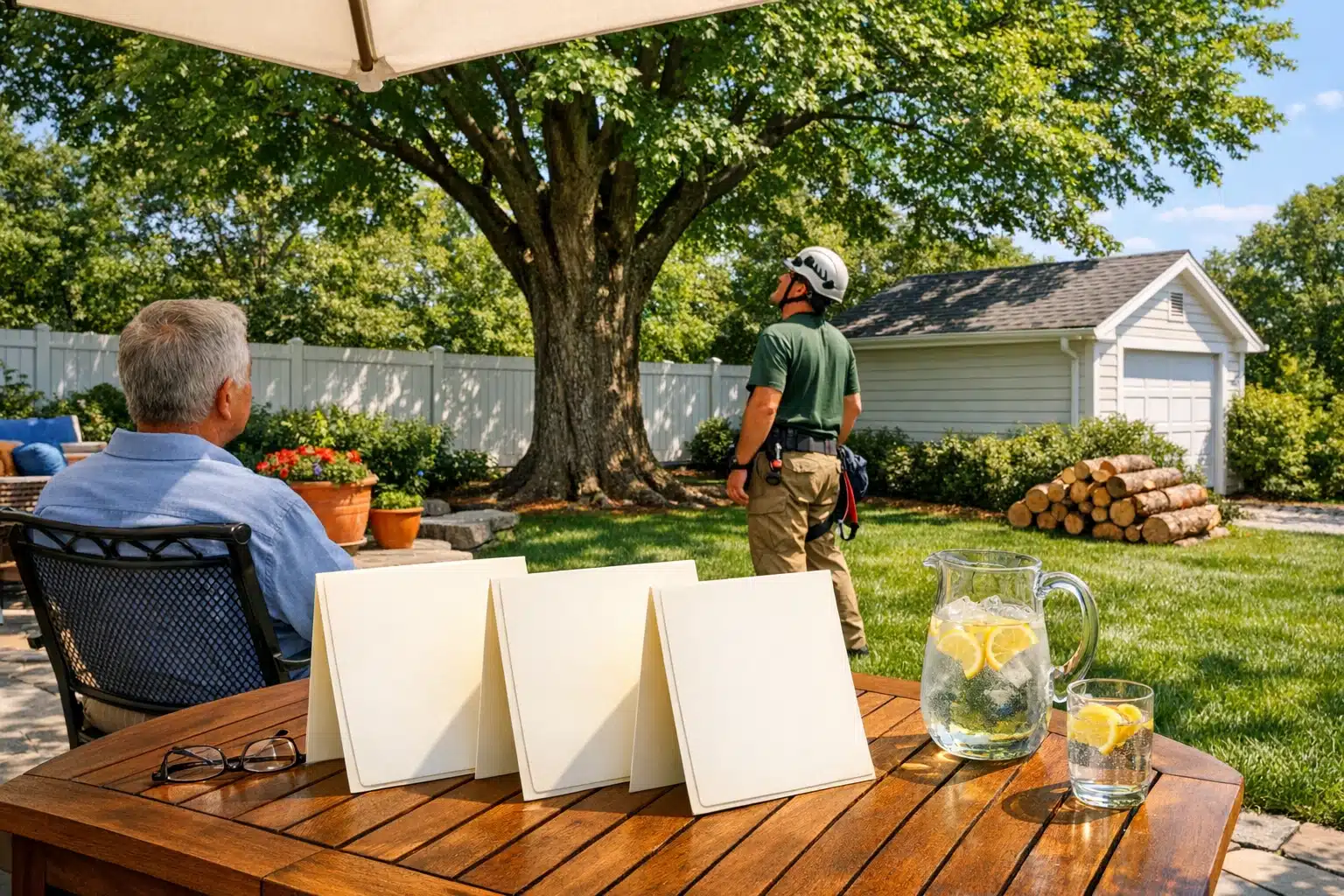
Budget-Conscious Tree Removal for Seniors
For many older homeowners, a damaged tree is more than a yard problem; it can become a safety issue, a financial burden, and a source of worry every time the wind picks up. Removal bills often appear when budgets are already busy with medicine, repairs, insurance, and daily living costs. The encouraging part is that a careful plan can reduce expenses without cutting corners on safety. This guide shows seniors how to understand pricing, compare options, and make calm, informed decisions.
Article Outline
• Why tree removal costs vary so much and which risks matter most for seniors.
• Practical ways to reduce the price before any work begins.
• Service options, insurance questions, and community resources worth checking.
• How to compare estimates and avoid unreliable contractors.
• A final action plan designed for older homeowners who want safety without financial strain.
Understanding Tree Removal Costs and Why Timing Matters
Tree removal may sound simple from the sidewalk, yet the final bill is shaped by a surprising number of details. For seniors, this matters because the price difference between a planned job and an emergency call can be significant. In many local markets, removing a small tree may cost a few hundred dollars, while a tall tree near a roof, fence, or power line can climb into the low thousands. Those wide ranges are not random. They reflect labor time, equipment needs, disposal fees, and the risk level involved for the crew.
A good way to picture the process is to imagine the tree as a puzzle standing upright. If workers can safely drop sections into an open yard, the job is usually faster and less expensive. If they must climb carefully, lower limbs with ropes, protect a flower bed, avoid a neighbor’s garage, and work around utility lines, the job becomes slower and more technical. This is why two trees that look similar to a homeowner can receive very different estimates.
Common cost drivers include:
• height and trunk diameter
• tree species and wood density
• distance from the house, fence, driveway, or shed
• accessibility for trucks, lifts, or chippers
• storm damage or internal rot
• whether stump grinding and debris hauling are included
• local permit requirements in some towns or neighborhoods
Timing is another major factor. A dead or unstable tree left in place may become much more expensive after a storm. Emergency service often costs more because crews are called out quickly, sometimes after hours, and the work may be more dangerous. By contrast, a scheduled removal usually offers more room to compare bids and choose a convenient date. Seniors should also know that removal is not always the only answer. In some cases, selective pruning, cabling, or branch reduction may lower risk at a lower cost. That said, a tree with severe decay, a major lean, root failure, or repeated limb loss may still need to come down. The main lesson is straightforward: understanding the cost factors early helps older homeowners avoid surprise pricing and make better safety decisions before a bad situation turns urgent.
Smart Ways Seniors Can Lower the Cost Before Hiring a Crew
Saving money on tree removal does not usually come from chasing the lowest number on the first estimate. It comes from preparation. A little planning can trim costs while helping you hire the right company for the right job. Seniors in particular benefit from this approach because it reduces stress, prevents rushed choices, and makes conversations with contractors clearer from the start.
Begin by documenting the tree’s condition. Take photos from several angles, especially if the trunk is cracked, branches are hanging, roots are lifting, or the tree leans toward the home. When you call companies, these photos help them understand the job. They may not replace an in-person visit, but they can speed up the quoting process and help you explain why you are seeking removal. If the issue is unclear, a certified arborist may be able to tell you whether trimming is still safe or whether full removal is the wiser option. Paying for an expert opinion can sometimes prevent spending far more on unnecessary work.
Practical money-saving steps include:
• get at least three written estimates
• ask whether stump grinding is priced separately
• schedule the work before storm season if possible
• bundle trimming or cleanup for other trees in the same visit
• ask if debris can be left as cut logs or mulch to reduce hauling fees
• clear movable items such as patio chairs, planters, or garden décor before the crew arrives
• check whether neighbors want similar work done at the same time
Another useful comparison is seasonal versus urgent scheduling. During calmer periods, some companies have more flexibility and may offer better pricing than they do during storm-heavy months. Seniors should also ask whether discounts exist for veterans, retirees, or repeat customers. Not every business offers them, but a polite question costs nothing. At the same time, never try to save money by doing dangerous cutting yourself. Ladders, chainsaws, and unstable limbs are a risky mix, especially for older adults. A modest savings is never worth an injury. The best strategy is not heroic yard work; it is organized decision-making. When you understand the scope, separate optional charges, and give contractors a clear path to work, you improve your chances of getting safe service at a fair price.
Comparing Service Options, Insurance, and Local Help Programs
Many seniors assume that paying a private tree company is the only path forward, but that is not always true. Depending on where the tree stands and why it needs attention, several different service routes may apply. Knowing who is responsible for what can save time, prevent duplicate calls, and sometimes reduce out-of-pocket costs.
If the tree is fully on your property and threatens your house, a reputable tree removal company or certified arborist is usually the starting point. If branches are tangled in utility lines or a trunk is leaning into them, the utility company should be contacted first. Homeowners should not attempt to handle line-related problems on their own. If the tree sits near a public sidewalk, street, or town easement, the city or county may have a role, especially if it presents a public hazard. Rules vary widely, so a quick call to public works, code enforcement, or the local forestry department can clarify responsibility.
Insurance is another area worth understanding. In many cases, homeowners insurance may help if a tree falls because of a covered event, such as a storm, and damages an insured structure like the home or detached garage. Preventive removal of a healthy or aging tree is often not covered, even if the homeowner worries it may fall someday. Some policies may also help with debris removal after a covered loss, but terms differ. This is why seniors should read the policy or call the insurer before assuming anything. A five-minute conversation can prevent a frustrating misunderstanding later.
It is also worth exploring assistance beyond insurance:
• local agencies on aging may know of volunteer or hardship programs
• some towns offer limited aid after severe storms
• neighborhood associations sometimes coordinate group cleanup
• faith groups and community nonprofits may help with yard labor for seniors
• family members can assist with quote gathering and contractor meetings, even if they do not pay for the work
One more comparison matters: financing versus waiting. Some companies offer payment plans, but seniors should review interest rates and fees carefully. A manageable monthly payment can be useful, yet it should not become a long-term burden for a short-term service. The strongest position is to compare responsibility, verify insurance possibilities, and investigate local resources before signing anything. That extra homework often uncovers options that are easy to miss when worry takes the wheel.
How to Choose a Reliable Tree Removal Company Without Overpaying
Hiring the right contractor is where budget awareness and personal safety finally meet. A poor hire can lead to property damage, surprise charges, unfinished cleanup, or pressure to approve extra work you never wanted. For seniors, the goal is not just to find a low quote. It is to find a company that explains the process plainly, carries proper coverage, and treats the homeowner with patience and respect.
Start with the basics. Ask whether the company is licensed if your state or municipality requires licensing for tree work. Confirm that it carries liability insurance and workers’ compensation coverage. If a worker is injured on your property and the company lacks proper protection, the consequences can become complicated very quickly. It is also reasonable to ask whether the crew includes a certified arborist or an experienced supervisor for difficult removals. Credentials do not guarantee perfection, but they do show professional investment in the trade.
Written estimates should spell out exactly what is included. A solid proposal usually answers questions such as:
• Is the price for removal only, or does it include limb hauling and site cleanup?
• Will the stump remain, be cut flush, or be ground out?
• Who is responsible for protecting fences, gardens, and driveways?
• Will logs be removed or stacked neatly for the homeowner?
• Is permit handling included if one is required?
Be cautious with storm-chasing crews or anyone who arrives uninvited, pushes for immediate payment, or demands full cash upfront. Another red flag is vague language like “extra charges if needed” without explaining what those charges might be. A trustworthy company should be able to describe why the job costs what it does. The cheapest bid can be appealing, but if it excludes cleanup, lacks insurance, or skips critical safety steps, it may not be the real bargain it first appears to be.
It often helps to have a family member, friend, or neighbor present when estimates are reviewed. A second set of ears can catch details and reduce the pressure that sometimes comes with sales conversations. In the end, the right contractor leaves you feeling informed, not hurried. That feeling matters. Tree removal is noisy, technical, and sometimes expensive, but the decision process should still feel steady and transparent, like a well-marked path rather than a guessing game in the dark.
Conclusion for Senior Homeowners: A Safer Yard Without Financial Shock
For seniors, budget-friendly tree removal is rarely about finding a miracle discount. It is about combining good timing, careful comparison, and realistic planning. A tree that seems harmless in spring can become a serious concern in the next storm, so acting early often protects both the house and the household budget. The strongest results usually come from small, sensible steps taken in the right order.
If you are deciding what to do next, a simple action plan can help:
• inspect the tree from a safe distance and note obvious warning signs
• take clear photos and write down your concerns
• contact at least three qualified companies for written estimates
• ask whether pruning is a safe alternative or whether removal is necessary
• check insurance, utility responsibility, and local assistance options
• review the scope of work carefully before agreeing to any price
There is also an emotional side to this subject that deserves mention. Many older homeowners have lived with their trees for decades. They have watched them shade grandchildren, frame holiday photos, and sway through every season like old companions. Removing one can feel strangely personal. That is another reason not to rush. A calm review of the facts makes room for both practical judgment and peace of mind.
The key takeaway is reassuring: seniors do have ways to control costs without taking unsafe shortcuts. By understanding price drivers, preparing before the first phone call, checking for community or insurance support, and hiring carefully, you can reduce the chance of overpaying. Most of all, remember that asking questions is not a nuisance; it is part of protecting your home and your finances. A safer yard does not have to arrive with financial shock. With a steady approach, it can come through clear choices, fair pricing, and work that is done properly the first time.