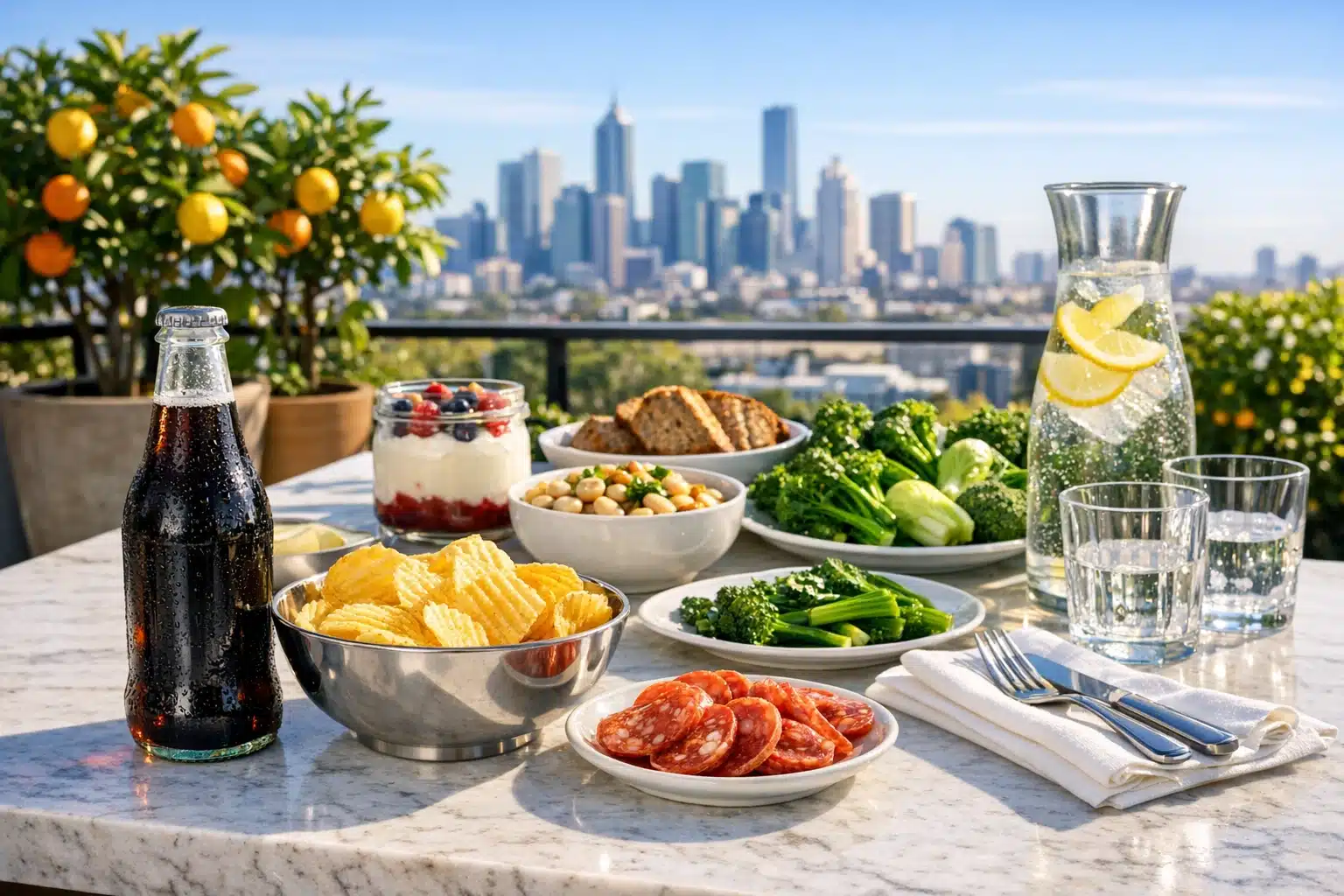
Foods That May Negatively Affect Bone Health
Bones may seem solid and quiet, but they are busy tissues that rebuild themselves all the time. What lands on your plate can either support that repair work or quietly make it harder. Some everyday foods do not damage bones overnight, yet frequent exposure can chip away at calcium balance, vitamin D use, and bone turnover. Understanding these patterns matters for teenagers, adults, and older readers alike, because weak habits often start early and show their consequences much later.
Outline
This article begins with a practical look at how food choices influence bone remodeling. It then examines salty processed foods, soft drinks and sugary beverages, alcohol and excess caffeine, and finally the less obvious issue of foods that can crowd out key nutrients or reduce mineral absorption when eaten without balance. The final section closes with a reader-focused conclusion and realistic ways to protect bone health without turning every meal into a chemistry lesson.
1. Why Certain Foods Can Undermine Bone Health Over Time
When people think about bone health, calcium usually steals the spotlight, but bones are not simple storage shelves for one mineral. They are living structures that constantly break down and rebuild through a process called remodeling. Two types of cells do most of the work: osteoclasts remove older bone, and osteoblasts help form new bone. For this cycle to run smoothly, the body needs an adequate supply of calcium, vitamin D, protein, magnesium, phosphorus, vitamin K, and several trace minerals. It also needs hormonal balance, physical activity, and enough energy intake. That means food can influence bones in more ways than most nutrition headlines suggest.
Some foods hurt bone health directly by increasing calcium losses or reducing absorption. Others act more like quiet saboteurs. They take up room in the diet without offering much nutritional value, pushing aside foods that would normally support the skeleton. Think of the difference between a lunch built around yogurt, beans, greens, and whole grains versus one centered on soda, chips, and highly processed convenience foods. Both may satisfy hunger in the short term, but only one provides the raw materials bones use for maintenance.
Several mechanisms help explain how diet can work against the skeleton:
- High sodium intake can increase urinary calcium loss.
- Very high alcohol intake can disrupt bone-forming cells and raise fracture risk through falls.
- Excess caffeine may have a modest negative effect when calcium intake is low.
- Foods rich in added sugar and refined starch often crowd out nutrient-dense choices.
- Some foods contain compounds that bind minerals, reducing absorption in certain meals.
Context matters. A single salty takeout dinner will not hollow out bones, and one cup of coffee is not a villain in disguise. Bone health is shaped by patterns that repeat day after day and year after year. This is especially important because peak bone mass is built relatively early in life, often by the late twenties. In other words, the body keeps score long before most people begin thinking seriously about fractures, posture, or osteoporosis. The dinner plate may look ordinary, but over time it behaves a bit like a construction budget: spend it wisely, and the structure holds; spend it poorly, and the repairs become harder to fund.
2. Salty Processed Foods and Hidden Sodium
One of the clearest dietary concerns for bone health is excessive sodium, especially from processed foods. The link is not mysterious. When sodium intake rises, the kidneys tend to excrete more calcium in the urine. Over time, a consistently high-salt diet may make it harder to maintain a healthy calcium balance, particularly in people who already consume too little calcium. This does not mean salt is poisonous or that every savory food is harmful. It means the modern food environment often delivers far more sodium than the body needs, and bones may pay part of that cost.
Health guidelines commonly recommend keeping sodium below about 2,300 milligrams per day for most adults. That number sounds generous until real-world meals enter the picture. A bowl of canned soup, a deli sandwich, packaged crackers, a frozen pizza, and a takeout dinner can push intake to the limit very quickly. Many restaurant meals exceed it in one sitting. The most important point is that sodium often hides in foods that do not taste dramatically salty, such as bread, sauces, breakfast sandwiches, and processed poultry products.
Common high-sodium foods include:
- Processed meats such as bacon, sausage, ham, and deli slices
- Instant noodles and packaged soups
- Fast food burgers, fries, and combo meals
- Frozen dinners and pizza
- Salty snack foods like chips, pretzels, and flavored crackers
- Bottled sauces, seasoning packets, and salad dressings
A useful comparison is homemade versus heavily processed convenience food. A baked potato with olive oil and herbs offers potassium, fiber, and far less sodium than a large order of fries. Fresh roasted chicken gives protein with more control over seasoning than deli meat stacked between salty bread and packaged condiments. Even canned foods can be improved by choosing low-sodium versions or rinsing canned beans and vegetables.
There is also room for nuance. Some foods, such as cheese, can be somewhat salty while still contributing calcium and protein. The issue is not one ingredient in isolation but whether the overall pattern leans toward nutrient-rich eating or toward industrially salty foods that deliver a lot of sodium and little else. Bones respond to the big picture. If your meals regularly come from boxes, wrappers, and drive-through windows, sodium may be arriving with a silent but steady tax on bone balance.
3. Soft Drinks, Sugary Beverages, and the Calcium Trade-Off
Soft drinks are often discussed in bone-health conversations, and for good reason, though the full story is more subtle than a simple warning label. A typical soda does not strip minerals from bones in dramatic movie-scene fashion. The bigger issue is replacement. When cola, sweet tea, fruit punch, or energy drinks become default beverages, they often push aside milk, fortified plant drinks, or even plain water. That swap matters because bones need steady access to calcium, vitamin D, protein, and other nutrients, while sugary drinks usually provide calories with little structural value.
Cola drinks receive special attention because many contain phosphoric acid. Phosphorus itself is not bad; it is an essential mineral, and bones actually contain a great deal of it. Problems may arise when dietary balance becomes distorted, especially if high-phosphorus soft drinks are consumed often while calcium intake stays low. Research on cola and bone mineral density is mixed, but several observational studies suggest frequent cola intake may be associated with poorer bone outcomes in some groups, particularly when it displaces more nutritious beverages.
A standard 12-ounce soda often contains roughly 30 to 40 grams of added sugar and little to no calcium. Energy drinks can add large caffeine loads to the mix. Sugary beverages may also contribute to weight gain and poorer dietary quality overall, which can indirectly affect bone health. The trouble is rarely just the drink itself. It is the pattern surrounding it: fast-food meals, fewer whole foods, less dairy or fortified alternatives, and lower intake of magnesium and potassium from fruits and vegetables.
Better beverage choices do not have to feel joyless. Consider these practical swaps:
- Water with citrus slices instead of daily soda
- Plain sparkling water instead of sweetened fizzy drinks
- Milk or fortified soy beverage with meals that would otherwise include cola
- Unsweetened tea instead of sugar-heavy bottled drinks
- Smoothies built with yogurt, kefir, or fortified alternatives instead of dessert-style shakes
There is a useful mental image here: every drink occupies a seat at the table. If sugary beverages keep taking the chair, bone-supportive choices never get invited in. That is why soda is often less a direct attacker and more a dietary pickpocket, quietly stealing opportunities for better nutrition. For people trying to protect bone mass over decades, that missed opportunity can matter a great deal.
4. Alcohol, Excess Caffeine, and Bone Remodeling Under Stress
Alcohol and caffeine occupy a complicated place in the conversation about bone health because moderation and excess look very different in the body. A morning coffee or an occasional drink does not automatically threaten the skeleton. Problems tend to emerge when intake becomes frequent, heavy, or poorly balanced with the rest of the diet. In that setting, the body is no longer dealing with a pleasurable extra; it is dealing with a repeated stressor.
Heavy alcohol intake is consistently associated with poorer bone health. It can interfere with the activity of osteoblasts, the cells responsible for building bone, and it may disrupt vitamin D metabolism and calcium balance. Alcohol can also affect appetite and food quality, meaning people who drink heavily may eat fewer nutrient-dense foods overall. Another concern is practical rather than biochemical: alcohol raises the risk of falls, and weak bones plus falls are a dangerous partnership, especially in older adults. For adolescents and young adults, repeated binge drinking is particularly troubling because those years are crucial for building peak bone mass.
Caffeine is more nuanced. In moderate amounts, coffee and tea are not usually a major bone problem, especially if calcium intake is adequate. The concern appears when caffeine consumption gets very high or when it is paired with low calcium intake. Caffeine may modestly increase calcium loss in urine, but the effect is generally small. The issue becomes more meaningful when several risk factors stack together: low dairy or fortified alternatives, skipped meals, high soda intake, smoking, physical inactivity, or older age. In that sense, caffeine often acts less like a solo culprit and more like an amplifier of an already weak dietary pattern.
It helps to compare common beverages:
- A moderate cup of coffee can fit into a healthy diet if calcium intake is sufficient.
- Tea usually contains less caffeine and may be easier to include moderately.
- Large energy drinks combine high caffeine with sugar, making them a more concerning option.
- Alcoholic drinks add a separate layer of risk when used heavily or frequently.
The practical lesson is simple. Bones do not demand perfection, but they respond poorly to chronic excess. If coffee is a daily ritual, pairing it with a calcium-containing breakfast can help. If alcohol is part of social life, keeping intake moderate matters. When intake begins to crowd out sleep, meals, hydration, and nutrient quality, bone remodeling starts working in a tougher environment. And bones, unlike bad decisions on a weekend, are not very good at forgetting.
5. Foods That Crowd Out Nutrients, Limit Absorption, and What Readers Should Do Next
Not all foods that may negatively affect bone health are obviously “junk foods.” Some are considered healthy but become less helpful when people misunderstand how nutrients are absorbed. Others are ultra-processed staples that do not attack bone directly yet slowly replace the foods bones depend on. This final point matters because many readers are not eating dangerously in one category; they are simply eating too little of what supports the skeleton and too much of what leaves it undernourished.
Take high-oxalate foods as an example. Spinach is rich in many nutrients, but much of its calcium is poorly absorbed because oxalates bind to it. Swiss chard and beet greens act similarly. These foods are not bad for you, yet they are not the strongest calcium sources despite their healthy image. Lower-oxalate greens such as kale, bok choy, and broccoli often provide calcium in a form the body can use more effectively. The same idea applies to phytates, compounds found in bran, legumes, nuts, and seeds. They can reduce mineral absorption in a meal, but these foods still offer major health benefits. The key is variety, preparation, and balance, not fear. Soaking, fermenting, sprouting, and eating a mixed diet can reduce the issue.
Far more concerning in everyday life is the pattern built around pastries, chips, candy, instant meals, and fast-food snacks. These foods tend to be high in sodium, added sugar, and refined starch while being low in calcium, magnesium, potassium, and quality protein. If they dominate the menu, bone-friendly foods lose their place. A body cannot build sturdy tissue from empty convenience alone.
Readers who want practical takeaways can focus on a few priorities:
- Limit highly processed, salty foods rather than chasing tiny details in whole foods.
- Do not rely on soda, energy drinks, or alcohol as everyday beverages.
- Keep caffeine moderate and pair it with an otherwise nutrient-rich diet.
- Choose calcium-supportive foods regularly, such as yogurt, milk, fortified soy beverages, tofu made with calcium, beans, canned fish with bones, and lower-oxalate greens.
- Use variety so that one absorption issue does not define the whole diet.
Conclusion for readers: if you are a teenager building peak bone mass, a busy adult living on convenience foods, or an older reader thinking ahead about fracture risk, the message is the same: patterns matter more than isolated bites. You do not need a perfect plate, but you do need a smarter one. Bones are patient, yet they are not indifferent. Feed them consistently, and they will usually return the favor with strength, stability, and a quieter future.