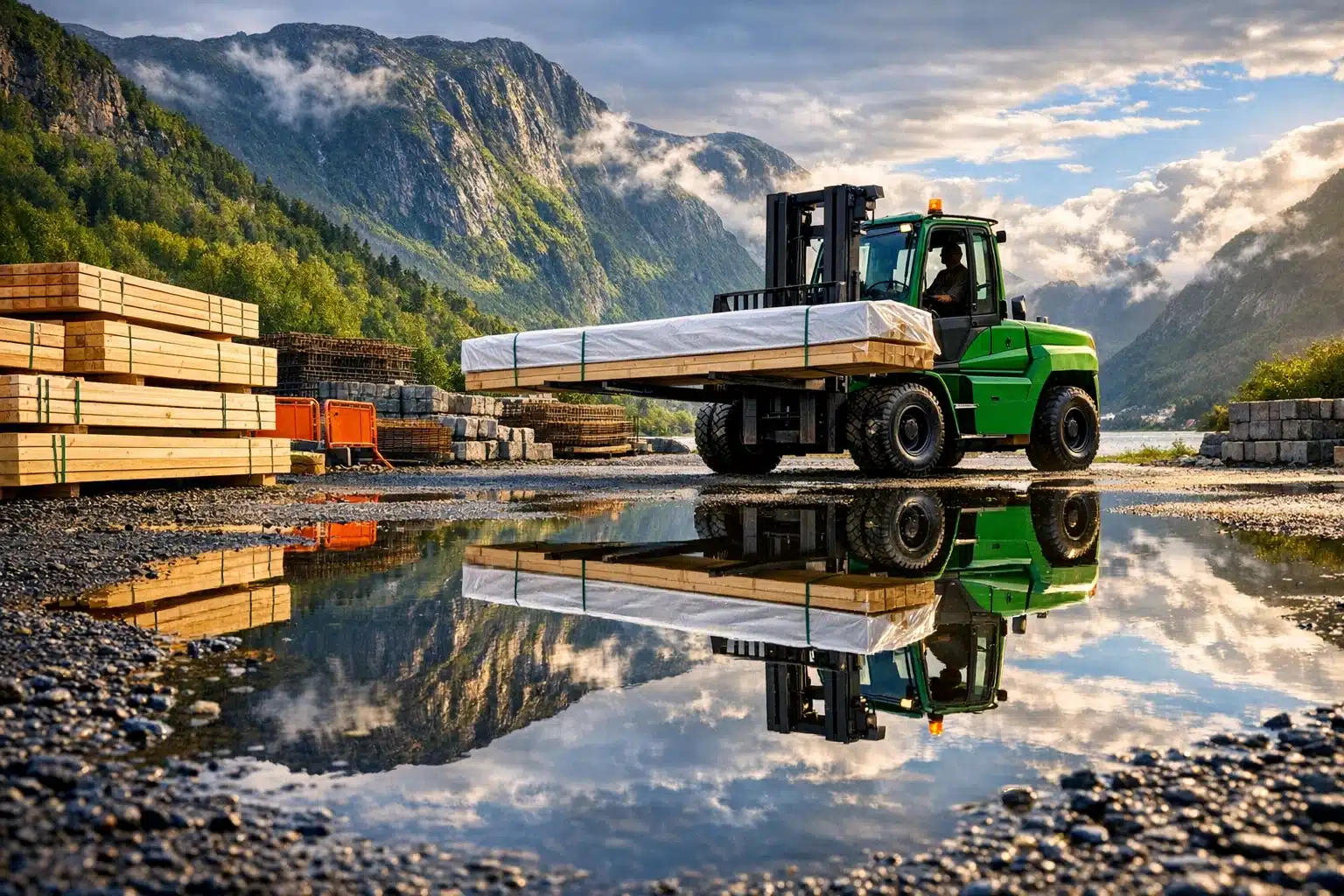
Forklift Operator Opportunities in Norway: Roles, Requirements, and Career Outlook
Norway may be famous for fjords and ferries, yet its everyday economy runs on warehouses, terminals, building sites, and cold storage halls that need skilled forklift operators. A single pallet moved at the right moment can keep a factory line fed, a supermarket stocked, or a seafood export on schedule. For practical job seekers, this role can open a solid path into stable industrial work with room to grow. The story behind the steering wheel is more varied than many newcomers expect.
Article Outline
• Why forklift work matters in Norway’s economy
• Which industries and regions offer the widest range of openings
• What training, certification, and practical skills employers usually expect
• How pay factors, shifts, and safety shape the real day-to-day experience
• How applicants can improve their chances and turn an entry-level role into a longer career
Why Forklift Work Matters in Norway
Forklift operators are easy to overlook until you picture what happens without them. Trucks arrive, containers wait, goods pile up, and the whole chain slows to a crawl. In Norway, that chain is especially important because the country combines long travel distances, a scattered population, a strong import market, and export industries that depend on timing. Retail products, packaged foods, industrial materials, and seafood all move through warehouses and terminals where forklifts are central to daily operations. A forklift may look like a compact machine, but in a busy logistics hall it acts like the hinge on a heavy door: when it works well, everything opens smoothly.
This topic matters because Norway’s economy is not built only on office jobs or headline sectors such as energy. It also depends on physical movement of goods. Distribution centers around major cities handle consumer deliveries, construction sites receive building materials, ports manage incoming cargo, and processing plants send products onward to local and foreign buyers. Compared with smaller and more densely connected countries, Norway faces extra logistical pressure from coastlines, weather shifts, tunnels, mountain roads, and seasonal demand. Efficiency is valuable everywhere, but in Norway it becomes a practical necessity.
This article therefore looks at forklift opportunities from five useful angles. First, it explains why the role has lasting relevance in the Norwegian labor market. Second, it maps where jobs tend to appear and how a seafood warehouse differs from a retail depot or a construction supplier. Third, it covers training, license expectations, and the difference between having experience and having recognized documentation. Fourth, it explores working conditions, pay influences, and safety culture, which is a major part of Norwegian working life. Finally, it shows how candidates can search, apply, and progress into roles with more responsibility.
For readers considering a practical career move, the value of this field is simple. It can offer an accessible entry point into industry, a chance to build reliable earnings, and a route toward broader warehouse or logistics roles. It is not glamorous work, but it is meaningful, structured, and often steadier than outsiders assume.
Where the Jobs Are: Industries, Regions, and Work Settings
Forklift jobs in Norway do not belong to one narrow sector. They appear across a wide range of workplaces, and the daily experience can change sharply depending on where you land. In broad terms, the strongest demand tends to come from warehousing and distribution, manufacturing, ports and terminals, wholesale supply, construction logistics, food production, and seafood processing. Many job ads may not even use the plain title forklift operator. Employers often advertise for warehouse workers with forklift certification, terminal staff, logistics operators, or industrial workers who are expected to handle machines as part of a broader role.
The Oslo region and surrounding eastern areas usually attract attention because of population density and the concentration of national distribution centers. Large retail and e-commerce warehouses often sit near transport corridors, making this area attractive for candidates who want routine, shift-based work in modern indoor facilities. Bergen and Stavanger can offer a different flavor, with opportunities linked to ports, industrial supply, and regional transport. Trondheim functions as an important hub for central Norway, while northern parts of the country may offer roles tied to fish processing, cold storage, and seasonal export activity. The farther north you go, the more climate and seasonality can shape the work environment.
Work settings also vary in ways that matter. A retail warehouse may emphasize scanning, accuracy, fast picking cycles, and careful stacking in tight aisles. A port or terminal role often involves outdoor conditions, stricter timing around arrivals, and more interaction with trailers or containers. Construction supply yards can be rougher and less predictable, with larger materials and changing site conditions. Food and seafood facilities may require strict hygiene routines, protective clothing, and comfort with refrigerated or freezer spaces. These differences are worth comparing before applying, because the same certificate can lead to very different days.
A useful snapshot looks like this:
• Warehousing and retail distribution usually offer the most standardized routines
• Ports and transport terminals can be faster paced and more weather exposed
• Manufacturing sites often combine forklift tasks with line support or internal transport
• Seafood and cold-chain facilities may bring seasonal peaks and stricter handling procedures
• Construction-related roles can demand more flexibility and awareness of mixed traffic
For job seekers, the key lesson is that Norway offers not one forklift market but several. Choosing the right environment is often as important as getting the certificate itself.
Qualifications, Training, and Employer Expectations
If you want to work as a forklift operator in Norway, experience helps, but documented training usually matters more than many newcomers expect. Norwegian employers often want proof that a candidate has completed recognized instruction rather than simply learning informally on the job. In practice, this means job seekers should be ready to show relevant certification, explain what machines they have used, and demonstrate that they understand safety routines. The role may seem straightforward from a distance, yet employers know that poor handling can damage goods, block operations, or cause serious injury.
In Norway, forklift education is commonly discussed through certificate classes such as T1 to T5, with different modules linked to specific truck types and operating situations. The exact relevance of each class depends on the equipment used by the employer. Some workplaces mainly need pallet and reach truck competence, while others rely on counterbalance forklifts or larger machines. Training normally combines theory and practical exercises, and employers may also provide site-specific familiarization after hiring. That last point is important: holding a certificate does not automatically mean you can step into any warehouse and start at full speed on day one. Layouts, load types, scanning systems, and traffic rules differ from site to site.
Beyond the certificate, employers usually value a set of practical habits:
• safe driving and careful load handling
• punctuality and dependable attendance
• basic digital confidence with scanners or warehouse systems
• communication skills in Norwegian or English, depending on the workplace
• willingness to do general warehouse duties, not only machine driving
This final point catches some applicants by surprise. Many forklift jobs are mixed roles. You may load trucks in the morning, help with goods reception after lunch, wrap pallets later in the day, and assist with inventory counts before the shift ends. Compared with markets where roles are narrowly divided, Norwegian workplaces often expect flexibility and teamwork.
Foreign applicants should pay particular attention to documentation. If you trained abroad, do not assume your certificate will be accepted automatically. Employers, training providers, or official guidance may require local recognition, additional modules, or a refresher course. Rules on working rights also differ between EU or EEA citizens and non-EU applicants, so it is wise to check immigration and labor requirements through official channels before making plans. A strong application usually includes translated certificates where needed, references that describe real machine use, and a clear explanation of your availability for shifts.
In short, the ideal candidate is not merely someone who can move pallets. It is someone who can do so safely, document their competence, adapt to local procedures, and fit into a system that places high value on order and accountability.
Pay, Schedules, Safety, and the Reality of Daily Work
One reason many people look at forklift opportunities in Norway is the expectation of decent pay within a stable labor market. That expectation is understandable, but the reality is more nuanced than a simple wage figure. Earnings can vary according to region, collective agreements, shift timing, agency or direct employment, industry type, and the level of responsibility attached to the role. Evening, night, weekend, freezer, and high-intensity terminal work may attract supplements, while entry-level positions in quieter settings may pay less. Norway is also a high-cost country, so candidates should always weigh income against housing, transport, and daily living expenses.
The daily routine itself is broader than driving back and forth. A typical shift may begin with a machine inspection, battery or fuel check, review of the day’s workload, and confirmation of safety issues. From there, tasks can include unloading inbound deliveries, checking goods against documents, placing stock in assigned locations, replenishing picking zones, loading outbound trucks, and reporting discrepancies. In some workplaces, you may spend long periods seated on the truck; in others, you move constantly between machine work and manual tasks. Compared with the image many people have of forklift work, the job often involves more planning, communication, and accuracy than brute force.
Safety is a defining feature of the Norwegian work environment. Employers generally expect operators to follow clear rules on speed, pedestrian zones, stacking limits, visibility, and incident reporting. If a load is unstable or a floor area is unsafe, the correct response is not to push through but to stop and deal with the risk. That culture can feel strict to some workers at first, yet it is one reason industrial workplaces in Norway are often seen as well organized. Winter adds another layer. Outdoor yards, ramps, and loading areas may involve snow, ice, darkness, and temperature swings that affect traction and handling.
Important realities of the job include:
• shift work is common, especially in distribution and terminal operations
• agency roles can open doors quickly but may offer less predictability at first
• permanent jobs may bring stronger long-term security and a clearer benefits structure
• productivity matters, but unsafe speed is usually a poor trade in a quality workplace
• physical strain still exists, even when the machine does the heavy lifting
For the right person, this rhythm can be satisfying. There is something quietly rewarding about taking a busy, messy flow of goods and turning it into order. Still, it is best entered with open eyes. The role rewards concentration, patience, and consistency far more than bravado.
How to Get Hired and Build a Long-Term Career in Norway
Finding forklift work in Norway is often less about luck and more about preparation. Employers want signals that you can step into a practical environment without unnecessary friction. That means your application should be plain, direct, and useful. A strong CV highlights forklift certification, machine types used, warehouse systems you know, industries you have worked in, languages spoken, and shift flexibility. If you have handled goods reception, inventory control, truck loading, or cold storage work, those details help because they show you understand the wider operation rather than only the vehicle.
Job seekers typically find openings through large job portals, staffing agencies, employer websites, and public employment channels. Agencies can be especially relevant in logistics because warehouses often need extra hands during peak seasons, holiday surges, or staff shortages. This route can be a practical entry point for newcomers who need local experience. The trade-off is that temporary roles may begin with less certainty. Direct applications to major warehouse, transport, food production, or wholesale companies can take longer to convert into offers, but they may lead to more stable arrangements. Comparing these two paths is worthwhile before you begin.
During the hiring process, employers may ask about more than technical skill. They may want examples of safe decisions, punctual attendance, teamwork under pressure, and your ability to manage repetitive tasks without losing focus. A candidate who says, in effect, I work carefully, I show up on time, and I adapt to routine, often sounds stronger than one who simply claims to be fast. In many Norwegian workplaces, modest reliability beats flashy self-promotion.
Once hired, the role can lead further than many people assume. Career growth may include:
• becoming a senior warehouse operator trusted with complex flows
• specializing in reach truck, cold-chain, or terminal environments
• moving into inventory control or dispatch coordination
• taking responsibility for training newer staff
• progressing toward team leader, supervisor, or logistics planner roles
Language improvement can also widen opportunities. Even where English is accepted, better Norwegian often helps with instructions, integration, and promotion. Over time, a forklift role can become a foundation rather than a stopping point. For disciplined workers, it offers a way to build local experience, earn trust, and move steadily into broader logistics careers.
Conclusion for Job Seekers
For anyone considering forklift operator opportunities in Norway, the clearest takeaway is that this is a serious, practical job with genuine value across the economy. It is well suited to people who like routine with responsibility, prefer visible results, and take safety and teamwork seriously. The best openings usually go to candidates who combine proper certification with reliability, flexibility, and a willingness to do more than the minimum task on paper. If that sounds like you, Norway can offer more than a short-term position; it can provide an entry point into warehousing, transport, and industrial careers that grow through trust, skill, and steady performance.