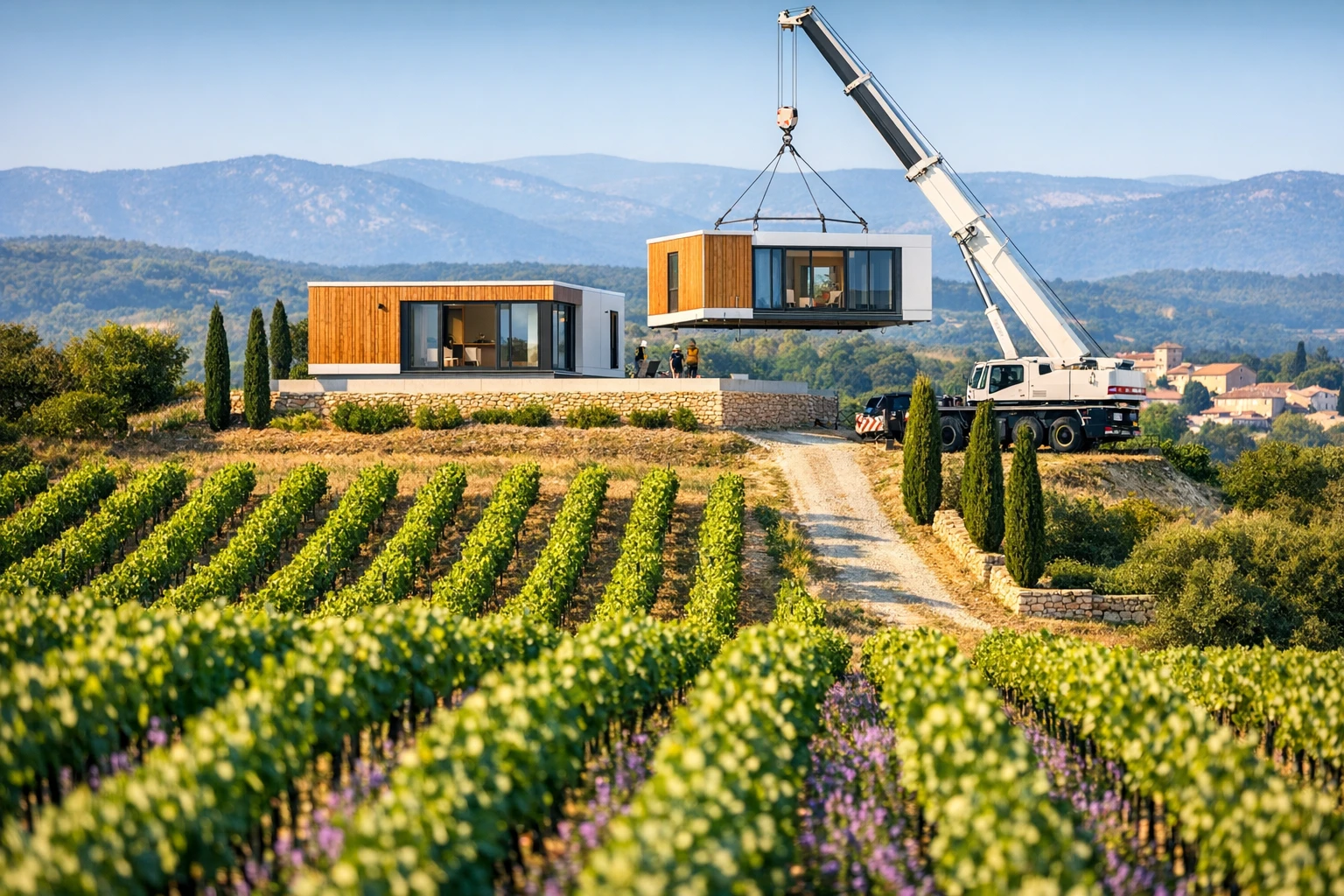
Learn More About Modular Homes: Fast Installation
Speed matters in housing, but speed without planning can create expensive surprises. Modular homes draw interest because major parts of the building are produced in a factory while the foundation, permits, and utility connections are prepared at the same time, turning waiting periods into useful progress. That overlap can shorten the calendar, reduce weather delays, and make schedules easier to control. For buyers, developers, and landowners, understanding how this process works is the first step toward deciding whether faster installation truly fits the project.
Outline
- What modular homes are and why the installation phase is often faster than with conventional construction
- The practical timeline from design approval and factory fabrication to transport, crane placement, and final finishing
- How modular building compares with traditional methods on cost control, quality, scheduling, and labor efficiency
- What buyers should know about customization, local regulations, land conditions, and utility planning before committing
- Which types of buyers benefit most from this approach and how to evaluate a supplier, budget, and timeline realistically
What Makes Modular Construction Faster?
Modular homes are permanent residential buildings made from sections, or modules, that are fabricated in a controlled factory environment and then transported to the building site for assembly. This idea is often confused with manufactured housing, but the two are not the same. A modular home is generally built to the same local or state building codes that apply to site-built homes, and once installed, it sits on a permanent foundation like a conventional house. The speed advantage comes from process design rather than from cutting corners.
In a traditional build, the sequence is mostly linear. First the site is prepared, then the foundation is poured, then framing begins, then exterior work, then rough plumbing and electrical, then insulation, drywall, finishes, and final inspections. Weather can interrupt almost any of those stages. A modular project, by contrast, allows multiple activities to happen at once. While one team handles site grading, permits, utility coordination, and foundation work, another team is constructing the modules indoors. That overlap can compress the schedule significantly because the calendar is not forced to wait for one major phase to fully end before the next begins.
The factory setting also improves consistency. Materials are stored in a protected space, skilled crews repeat standardized tasks, and quality checks can happen at defined points in production. Imagine the difference between cooking in a professional kitchen and cooking outside in the rain with missing utensils. Both can produce a meal, but one environment is far better suited to speed and coordination. That image helps explain why modular production can move efficiently without relying on rushed decisions.
Several practical factors typically support faster installation:
- Indoor fabrication reduces weather-related disruption
- Factory workflows limit downtime between trades
- Site work and home production happen simultaneously
- Delivery day is concentrated into a short, highly planned operation
- A large share of interior work may already be completed before arrival
That said, “fast” should be understood correctly. A modular home is not always ready overnight, and the total timeline still depends on engineering, transport distance, municipal approvals, land access, and finishing work after placement. The real strength of modular construction is not instant delivery. It is better scheduling logic. Buyers who understand that distinction are usually better prepared to judge quotes, timelines, and promises with a clear head.
From Factory Floor to Foundation: How Installation Unfolds
The installation of a modular home feels quick because the visible on-site event happens in a compressed burst, but that moment is supported by weeks or months of preparation. Before a truck ever arrives, the project begins with design selection, engineering review, permit applications, and a site evaluation. Land conditions matter more than many first-time buyers expect. Soil quality, slope, drainage, road access, setback rules, and utility routes all influence how smoothly the process will go. A modular home can be built efficiently, but it still needs a suitable stage before the curtain rises.
Once plans are approved, factory fabrication begins. During this phase, the modules may receive framing, insulation, windows, doors, roofing elements, electrical wiring, plumbing runs, wall finishes, cabinetry, and even some appliances, depending on the manufacturer and the design package. At the same time, contractors on the site prepare the foundation, install temporary access if needed, and coordinate utility hookups. This parallel workflow is the engine behind faster overall delivery.
The most dramatic day is set day, when the modules are transported to the property and lifted into place by crane. For observers, it can seem almost theatrical. A house that looked abstract on paper suddenly takes shape in hours as each module is lowered, aligned, and fastened. But speed here depends on precision, not improvisation. Transport logistics, weather windows, crane access, and crew coordination must line up properly.
A typical sequence often includes:
- Final factory inspection and wrapping for transport
- Delivery permits and route planning for oversized loads
- Foundation verification before module arrival
- Crane placement and module setting
- Joining modules at seam lines and securing structural connections
- Completing roofing details, exterior finishes, and weather sealing
- Connecting plumbing, electrical, HVAC, and local services
- Final inspections and occupancy approval
Even after installation day, some finishing work remains. Seams must be blended, exterior touch-ups completed, porches or garages added if they are part of the design, and utilities tested. The exact duration varies, but the key point is that the “fast installation” message usually refers to on-site assembly and shortened total scheduling, not the elimination of finishing tasks. Buyers who expect that distinction tend to experience fewer disappointments and better project control.
Comparing Modular and Traditional Building Methods
For many buyers, the most useful question is not whether modular homes are impressive, but whether they perform better than conventional construction in the areas that matter most: time, cost, quality, and predictability. The answer depends on the project, yet modular building offers several clear strengths when the site conditions and design goals are a good match.
Time is the headline advantage. Because factory production and site preparation can proceed together, the overall project timeline is often shorter than that of a comparable site-built home. Traditional construction may lose days or weeks to rain, material delays, or subcontractor scheduling gaps. Factory work does not remove every delay, but it can reduce exposure to some of the most common ones. A better way to think about this is not “modular is always faster,” but “modular often removes idle time from the process.” That distinction is more accurate and more useful.
Cost control can also improve, though it should never be described as guaranteed savings in every case. Factory workflows may reduce waste and support more predictable labor planning. However, transportation, crane fees, foundation complexity, land preparation, and local utility work can change the equation. In remote or difficult sites, the cost advantage may narrow. In accessible locations with straightforward installation conditions, modular can compare very well.
Quality is another area where modular homes deserve a fair look. Controlled production environments help protect materials from repeated weather exposure during the build. Teams also perform recurring tasks in a structured setting, which can improve consistency. At the same time, quality still depends heavily on the manufacturer, the installation crew, and post-delivery finishing. A well-run modular project can be excellent, but a poor supplier can still create problems. The method is not a substitute for due diligence.
Here is a balanced comparison:
- Modular often offers tighter schedule control
- Traditional construction may allow more fluid changes during the build
- Modular can reduce weather-related interruptions
- Traditional building may suit highly complex custom architecture more easily
- Modular can improve repeatability and factory quality checks
- Traditional methods may be preferable where transport access is difficult
Seen from a distance, conventional building is like composing a song live on a busy street, while modular construction is closer to rehearsing in a studio before the performance. Both can lead to a satisfying result. The difference lies in how much uncertainty the buyer is willing to manage.
Design Freedom, Regulations, and Site Realities
One of the most persistent myths about modular homes is that they all look the same. In reality, design flexibility has expanded considerably. Buyers can often choose from single-story and multi-story layouts, open-plan interiors, contemporary or traditional exteriors, energy-efficient features, and a range of finishes. Some manufacturers also offer add-ons such as decks, garages, porches, and upgraded kitchens. Still, customization exists within a structured system. That is part of the appeal, but it is also part of the limit. Modular design usually works best when the home can be adapted from proven plans rather than invented from scratch with no constraints at all.
Regulation is another important piece of the puzzle. Modular homes do not bypass local rules. They still require planning review, code compliance, inspections, and utility approvals. In many jurisdictions, the factory-built sections are inspected during production, while local authorities inspect the foundation, site work, and final connections. Buyers should ask early how responsibilities are divided between the manufacturer, general contractor, transport company, and local officials. Confusion in that area can create the very delays that modular construction is supposed to avoid.
Land conditions deserve equal attention. A smooth project on paper can become complicated if the site has steep grades, weak soil, limited truck access, narrow turns, or overhead obstacles such as power lines and tree canopies. Fast installation depends on the ability to deliver and place modules safely. The most elegant floor plan in the catalog means little if the route to the property cannot handle the load dimensions.
Before signing a contract, buyers should review:
- Zoning rules and setback requirements
- Foundation type and engineering needs
- Road width, bridge limits, and delivery access
- Water, sewer, septic, electrical, and internet availability
- Stormwater and drainage planning
- Any homeowner association or architectural restrictions
Energy performance is also worth examining. Many modular builders now include strong insulation packages, efficient windows, and air-sealing measures because factory assembly lends itself well to standardized detailing. Yet performance varies by specification, climate, and installer quality. Buyers should ask for documented features rather than relying on vague marketing phrases. When chosen carefully, a modular home can combine quick assembly with solid long-term livability. The key is to treat it as a real building project, not as a shortcut that magically removes technical decisions.
Is a Modular Home Right for You?
Modular homes can be an excellent fit for people who value schedule clarity, controlled construction conditions, and a more organized path from design to move-in. They often appeal to first-time homeowners, rural landowners, small developers building repeatable units, downsizers seeking simpler living, and families who need a permanent home without a long on-site construction period. They can also work well for infill projects, provided access and local approvals are manageable. The best candidates are usually buyers who appreciate planning and are comfortable making decisions early, because the process rewards preparation.
That said, this option is not automatically right for everyone. If you want constant design changes during construction, an unusually complex architectural form, or a site with difficult transport access, a conventional build may be easier to manage. If your main priority is complete customization with minimal standardization, the modular route might feel restrictive. Likewise, if a buyer compares base prices without accounting for delivery, cranes, permits, land work, and utility connections, the financial picture can look misleading.
A practical evaluation should include questions such as:
- How experienced is the manufacturer with projects in your region?
- What is included in the quoted price, and what is excluded?
- Who handles site work, permits, transport, and utility coordination?
- What finishes are factory-completed, and what happens after delivery?
- How are delays, warranty issues, and change orders managed?
- Can you review completed homes or speak with past clients?
It also helps to think beyond the installation day. Fast setup is valuable, but long-term durability, energy use, maintenance requirements, and resale perception matter too. A well-located modular home on a permanent foundation can perform much like other code-compliant houses in the market. Buyers should therefore focus less on the label and more on build quality, layout efficiency, neighborhood fit, and total project management.
In the end, modular construction is neither a gimmick nor a universal answer. It is a method, and like any method, it works best when paired with the right expectations. If you want a housing path that trades some spontaneity for more structured execution, this approach can feel refreshingly practical. There is something satisfying about watching months of planning arrive by truck and become a home in a matter of hours, but the real success story starts much earlier, in the details nobody sees.
Conclusion: A Smart Option for Time-Conscious Buyers
If your priority is reducing on-site construction time while keeping a permanent, code-compliant home, modular building deserves serious attention. Its biggest strength is the ability to combine factory production with simultaneous site preparation, which can improve scheduling and reduce exposure to weather-related setbacks. Still, faster installation does not mean effortless delivery, and the best outcomes depend on planning, site suitability, transparent pricing, and reliable project partners. For buyers who prefer a structured process and want clearer timelines from the start, modular homes can offer a practical balance of speed, quality control, and long-term value.