The 7 Safest Islands in the Caribbean
How This List Was Built: Safety, Practicality, and the 7-Island Outline
Caribbean vacations are supposed to feel easy, yet safety often shapes the whole trip long before the first beach photo. Choosing an island with dependable infrastructure, manageable crime levels, and a traveler-friendly rhythm can make a real difference for families, solo visitors, and first-time cruisers. This guide looks at seven islands that are widely considered among the region’s safer options and explains what makes each one stand out. You will also see how their strengths compare, because “safe” is never one-size-fits-all.
Before getting into the islands themselves, it helps to define what “safe” really means in a travel context. No destination is risk-free, and the Caribbean is too diverse for any single statistic to settle the debate. A place can have calm resort areas but rough roads, excellent beaches but weak healthcare access, or a low violent-crime profile but seasonal hurricane exposure. That is why this article uses a wider lens. The islands below are included because they are generally known for several strengths at once: a stable visitor environment, relatively reliable emergency services, established accommodation zones, and a reputation for being navigable without constant stress. Official travel advisories from governments such as the United States, the United Kingdom, and Canada can shift over time, so smart planning still matters.
Here is the outline of the seven islands and island groups covered in this article:
– Cayman Islands: polished, orderly, and especially appealing for first-time Caribbean travelers.
– Aruba: easygoing, dry, and famously positioned outside the main hurricane belt.
– Barbados: lively but structured, with strong visitor services and broad appeal.
– Curaçao: colorful, practical, and often comfortable for independent travelers.
– Anguilla: quiet, upscale, and low-key in a way that many people find reassuring.
– British Virgin Islands: scenic and relaxed, particularly for sailors and beach-focused visitors.
– Antigua and Barbuda: broad tourism appeal, English-speaking convenience, and many calm resort options.
Think of this list less as a rigid league table and more as a well-researched shortlist. Some islands feel safe because they are compact and calm; others because they have better roads, stronger hospitals, or a seasoned hospitality sector that knows how to look after guests. Safety, in other words, is not always dramatic. Often it is the invisible comfort of clear signage, quick airport transfers, lit hotel zones, and the simple pleasure of not feeling on edge while watching the sea turn silver at dusk.
Cayman Islands and Aruba: Easy-Going Choices for First-Time Visitors
If you are looking for Caribbean destinations that tend to make travel feel smooth rather than complicated, the Cayman Islands and Aruba are two of the strongest candidates. They are different in mood and landscape, but both stand out because they combine well-developed visitor services with an atmosphere that many travelers describe as orderly and predictable in the best possible way. That matters more than people sometimes admit. A vacation can be beautiful and still feel tiring if transport, neighborhoods, and logistics remain unclear.
The Cayman Islands, especially Grand Cayman, are often praised for their clean, organized tourism districts, strong hospitality standards, and relatively low levels of serious trouble involving visitors in core travel areas. Seven Mile Beach is the obvious anchor, but the island’s appeal goes beyond a famous strip of sand. Roads are generally in good condition, the restaurant scene is mature, and access to quality medical care is stronger than on many smaller islands in the region. For families, couples, and business travelers mixing work with leisure, that combination can be very reassuring. The main trade-off is price. Grand Cayman is rarely the budget pick, and the polished environment comes at a cost. Even so, many travelers decide the convenience is worth it.
Aruba offers a slightly different version of security. It feels drier, more open, and more kinetic than Grand Cayman, but it benefits from many of the same practical advantages. It is located in the southern Caribbean, outside the main hurricane belt, which gives it a weather-related edge during part of the year. The main resort areas, including Palm Beach and Eagle Beach, are highly visitor-oriented, and the island is used to handling tourism at scale. English is widely spoken alongside Dutch, Papiamento, and Spanish, which makes communication easy for many international guests. Serious vigilance is still wise, especially with valuables in cars or on the beach, yet Aruba often feels approachable for first-time visitors because the learning curve is low.
A simple comparison helps:
– Choose the Cayman Islands if you want refinement, excellent dining, and a particularly polished resort experience.
– Choose Aruba if you want lively energy, broad hotel choice, and better odds of dodging storm-season disruptions.
– Both are strong picks for travelers who prefer clear routines over remote adventure.
If safety is the foundation and ease is the goal, these two islands often rise near the top. They do not eliminate risk, but they do reduce friction, and that can change the entire tone of a trip.
Barbados and Curaçao: Balanced Destinations with Strong Infrastructure
Barbados and Curaçao are excellent examples of islands that feel secure not because they are sleepy, but because they are well established. Each has its own rhythm, and neither is identical to the resort-first model of Aruba or Grand Cayman. Instead, they offer a more textured travel experience: local life, culture, dining, beaches, and history all exist side by side. For many travelers, that balance is ideal. You get the Caribbean glow, but you also get enough structure to feel grounded.
Barbados has long been one of the region’s most dependable destinations for mainstream travelers. It benefits from a mature tourism industry, good air connections, a wide range of accommodations, and strong familiarity with international guests. English is the official language, which simplifies everything from reading menus to getting directions or dealing with transport issues. The west and south coasts are especially popular because they concentrate hotels, restaurants, beaches, and nightlife in accessible areas. For visitors who want to move around without reinventing the wheel every day, Barbados makes things straightforward. It is also a practical choice for multigenerational trips, because the island can support everything from luxury stays to mid-range family holidays.
Still, safety in Barbados is not only about comfort. Travelers should pay attention to road conditions, local driving habits, and sea conditions at less sheltered beaches. Petty theft can happen, and isolated areas deserve common-sense caution after dark. Yet compared with more logistically demanding destinations, Barbados usually gives visitors a strong sense of orientation. That matters. When streets are familiar, transport is easy to arrange, and services are close at hand, people tend to make better decisions.
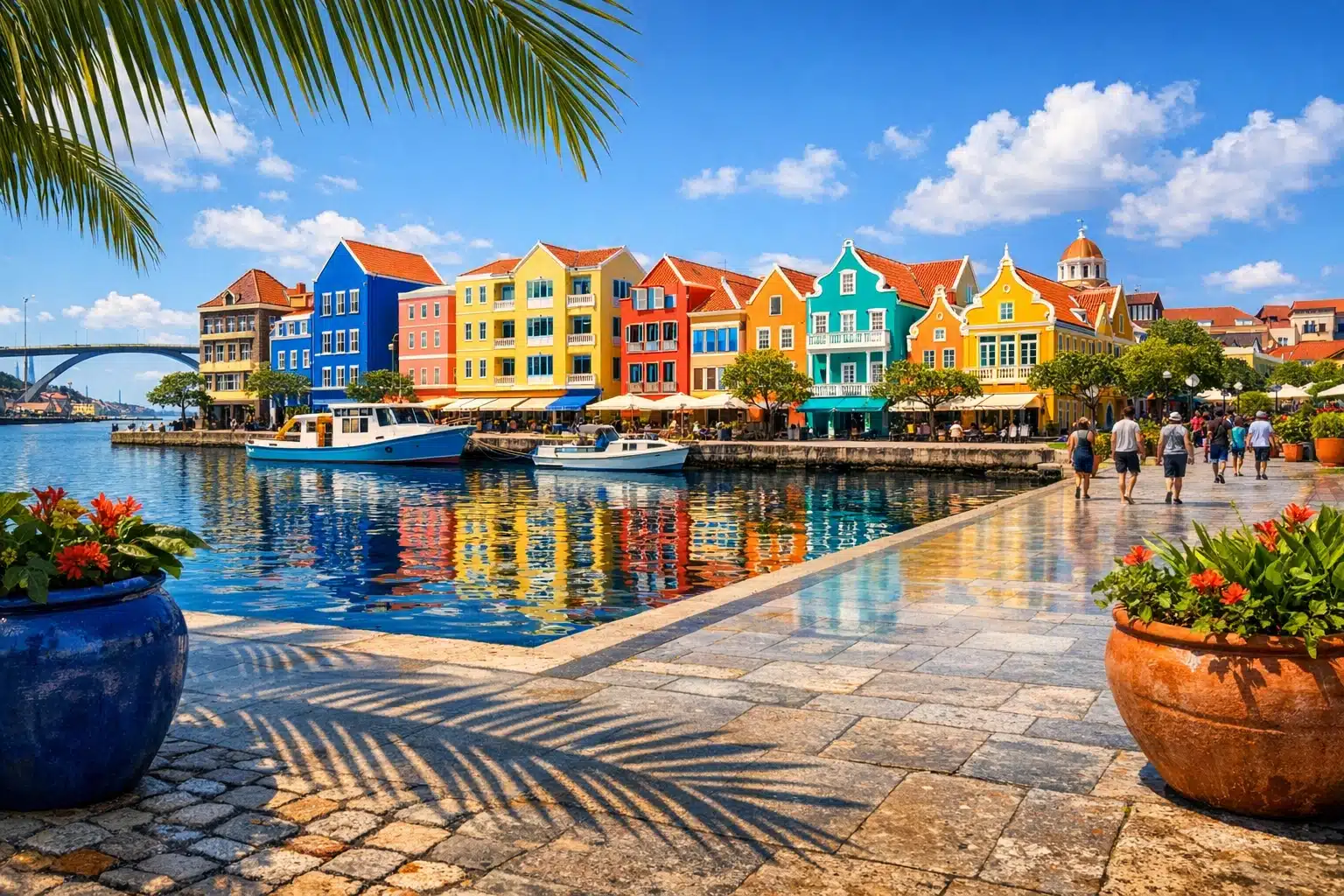
Curaçao, meanwhile, is often a favorite for travelers who want independence without chaos. As part of the Dutch Caribbean, it has a different architectural and cultural flavor, with Willemstad offering bright waterfront facades, walkable districts, and a sense of urban order that many visitors enjoy. Like Aruba, Curaçao sits outside the main hurricane belt, which adds a practical weather advantage. It is especially attractive for divers, couples, and travelers who like renting a car and exploring beaches at their own pace.
A quick comparison makes their personalities clearer:
– Barbados suits travelers who want a classic Caribbean holiday with broad services and easy communication.
– Curaçao suits visitors who like a little more autonomy, colorful city life, and flexible beach-hopping.
– Both reward sensible habits, especially around driving, valuables, and late-night movement in unfamiliar areas.
These islands prove that safety and character do not need to compete. Sometimes the sweetest trips are the ones where lively local flavor comes with enough structure to let you truly relax.
Anguilla and the British Virgin Islands: Quiet, Scenic, and Low-Stress
Some travelers do not define safety by the number of restaurants within walking distance or the size of the airport. They define it by atmosphere. They want a place that feels hushed, uncluttered, and pleasantly uneventful. In that category, Anguilla and the British Virgin Islands often stand out. Neither destination is built around high-intensity nightlife, and both benefit from a gentler pace that many visitors find comforting. The sea is still brilliant, the beaches still look like postcards, but the overall energy is calmer, almost as if the islands are speaking in a lower voice.
Anguilla has developed a reputation as an upscale yet understated destination. It is not flashy in the way some resort-heavy islands can be. Instead, it offers elegant hotels, fine dining, quiet beaches, and a small-scale feel that limits the sense of urban overwhelm. For couples, honeymooners, and travelers who want privacy without isolation, that can be an excellent match. The island’s small size also makes orientation easier. You are less likely to spend hours crossing unfamiliar terrain, and many of the most desirable beach areas feel intentionally sheltered from noise and confusion. That said, small islands also mean limited resources in some respects. Visitors should think carefully about travel insurance and medical contingencies, especially if they have complex health needs.
The British Virgin Islands, or BVI, are slightly different because their appeal is deeply connected to the water. They are one of the Caribbean’s best-known sailing destinations, and that creates a distinct safety profile. On land, the islands often feel relaxed and manageable, with close-knit communities and a lower-pressure tourism style. On the water, however, safety depends much more on weather awareness, boating skill, and reputable charter operators. For experienced sailors and travelers joining organized excursions, the BVI can feel wonderfully secure. For careless boaters, the sea changes the equation quickly.
Here is where the distinction matters most:
– Anguilla is ideal for travelers who want peace, good service, and minimal fuss.
– The British Virgin Islands are ideal for people who love island-hopping and understand marine conditions.
– In both places, daytime movement is generally easy, while remote roads, beaches, and marinas deserve more caution at night.
These destinations are not “safe” because nothing ever happens. They feel safe because their scale is human, their pace is measured, and their strongest experiences do not require constant vigilance. For many travelers, that quiet confidence is exactly the luxury they are looking for.
Antigua and Barbuda and the Smart Choice for Families, Couples, and Solo Travelers
Antigua and Barbuda round out this list because they offer something many travelers value highly: familiarity without boredom. Antigua, in particular, has a long-established tourism sector, broad hotel variety, widespread English use, and enough beach options to satisfy almost any travel style. It is often associated with the playful line about having a beach for every day of the year, and while that slogan is part marketing and part island identity, it captures a real strength. There is room here for luxury escapes, sailing trips, family holidays, and laid-back weeks in smaller guesthouses. That diversity tends to support safety in practical ways, because the island is used to serving very different kinds of visitors.
For families, Antigua works well when the priority is manageable logistics. Direct flights from major hubs, familiar resort setups, and easy communication all help. For couples, the island’s appeal lies in contrast: one hour can be all soft sand and still water, the next a harbor scene with restaurants and yachts. For solo travelers, the best strategy is to stay in well-regarded areas, arrange transport in advance when possible, and avoid treating quiet beaches after dark as risk-free just because the scenery looks gentle. That advice applies across the Caribbean, but especially on islands where beauty can create a false sense of total security.
Barbuda deserves a note of its own. It is far quieter and less developed than Antigua, which is part of its magic, but that also means fewer services and more dependence on planning. Travelers drawn to open space and near-empty beaches should go with realistic expectations. Remote beauty is wonderful, yet it demands preparation.
If you are choosing among all seven islands, the best option depends on your travel style:
– For first-time visitors: Cayman Islands or Aruba.
– For families wanting broad support services: Barbados or Antigua.
– For independent travelers who like exploring: Curaçao.
– For low-key luxury and privacy: Anguilla.
– For sailors and island-hoppers: British Virgin Islands.
The larger lesson is simple. A safer Caribbean trip usually comes from matching the island to the traveler, not from chasing an absolute ranking. Check official advisories before departure, book reliable transport, respect local guidance, and keep normal precautions around cash, cars, beaches, and nightlife. Do that, and these islands are more likely to deliver what most people are actually after: not a fantasy of zero risk, but the very real pleasure of feeling relaxed enough to enjoy the trade winds, the long light over the water, and the kind of holiday that stays easy in memory.