The All-New 2026 Hyundai Porter: What’s New
Small business owners rarely greet a truck launch with fanfare, yet a new Hyundai Porter can matter more to daily life than many headline-grabbing cars. This compact workhorse sits at the center of city deliveries, repair calls, market runs, and neighborhood logistics, where payload, easy loading, and dependable operating costs shape the week’s revenue. That is why the 2026 update deserves attention from anyone who earns money with a vehicle rather than simply drives one.
Outline: First, this article explains why the Porter’s cab-over format still matters in modern cities. Next, it explores cabin usability and technology as tools for everyday productivity. It then examines powertrain thinking, efficiency, and cost of ownership, before moving into safety, durability, and working-life demands. Finally, it closes with practical guidance for buyers deciding whether the 2026 Porter belongs on their shortlist.
The Porter Formula Still Works Because Cities Have Not Become Simpler
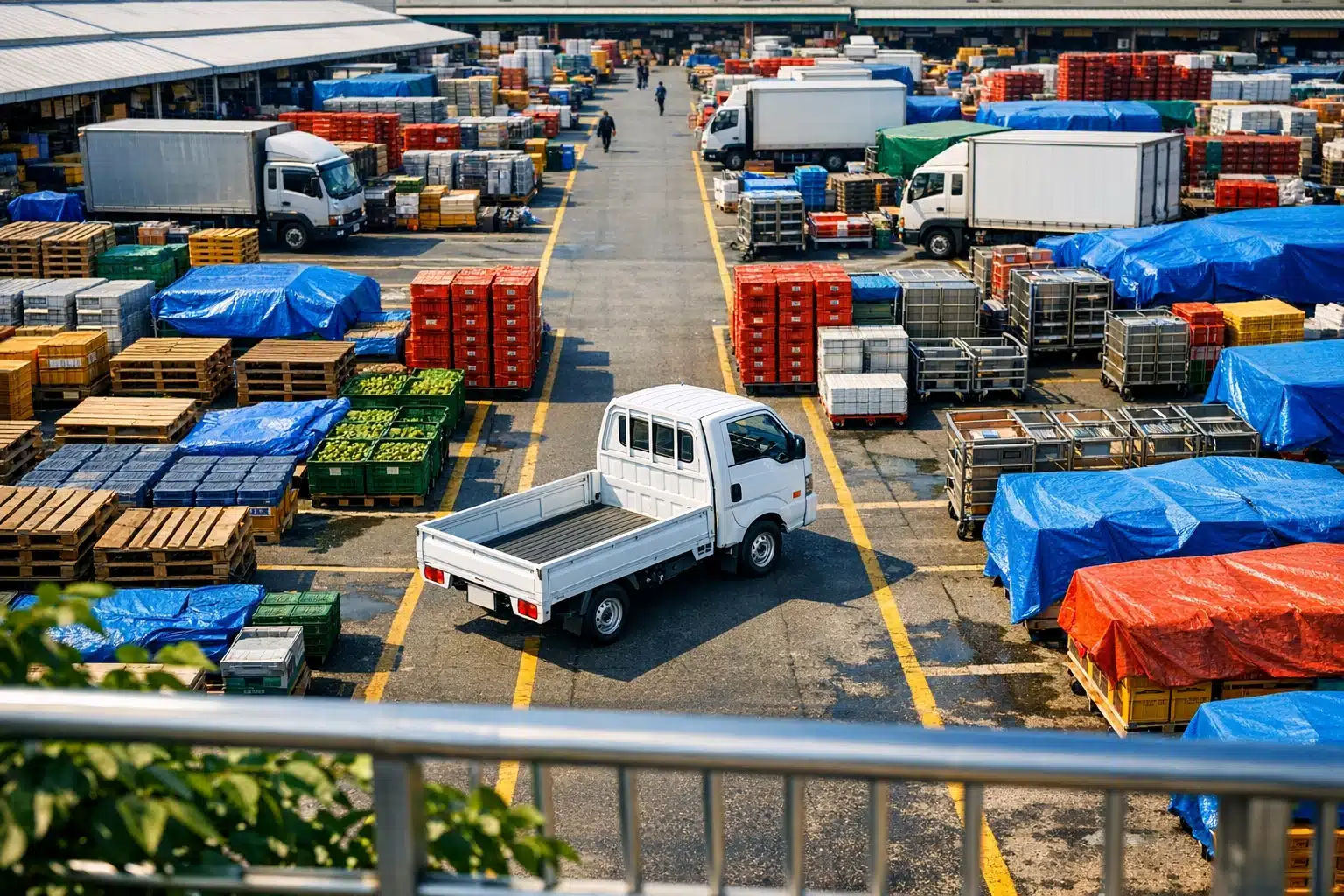
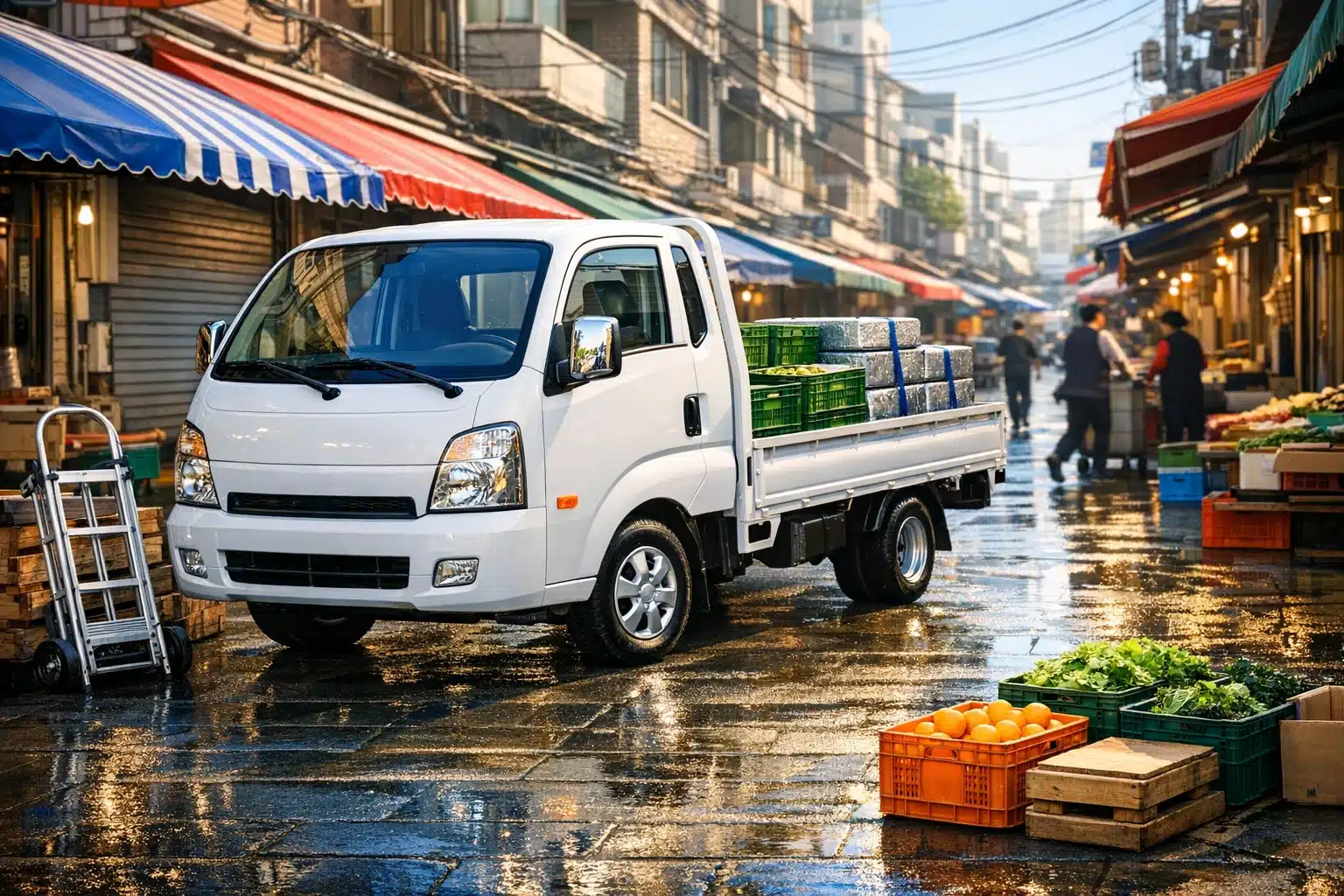
The most important thing to understand about the 2026 Hyundai Porter is that its value begins with layout, not glamour. A cab-over light truck looks modest, almost stubbornly practical, but that shape solves a problem many businesses face every day: how to carry meaningful cargo in streets that were never designed for oversized vehicles. By placing the cabin above the front axle, a truck like the Porter can offer more usable bed space within a shorter overall length than a conventional pickup. That matters in dense neighborhoods, crowded wholesale markets, alley deliveries, and construction sites where turning room is always in short supply.
This is where the Porter continues to stand apart from lifestyle-oriented pickups. A midsize pickup may feel more familiar to private owners, but a commercial operator often sees things differently. What matters is not chrome, stance, or weekend image. What matters is how easily the truck can load, reverse, unload, and head back out before traffic thickens. A well-packaged cab-over truck becomes a moving tool chest, a rolling shelf, and a compact freight platform all at once. It is the sort of vehicle that slips through a side street while larger machines are still hunting for space.
The 2026 model enters a market that has become more demanding rather than less. E-commerce has pushed more last-mile deliveries into urban cores. Independent contractors are under pressure to finish more jobs with fewer wasted hours. Municipal and service fleets now balance emissions concerns with route efficiency. In that environment, the Porter’s core appeal remains easy to understand. Buyers in this category typically judge a truck by questions like these:
• How much usable space does it provide relative to its footprint?
• How easy is it to load by hand, trolley, or forklift, depending on body style?
• How stressful is it to drive through narrow roads and dense traffic?
• Can it survive repetitive stop-start work without becoming expensive downtime?
That is why talk about the 2026 Porter should begin with purpose. Even if Hyundai has refreshed the exterior, sharpened the front-end design, or modernized the lighting, those are supporting characters. The main story is packaging efficiency. In the one-ton commercial class, smart dimensions are not a side note; they are the headline. The Porter remains relevant because cities still reward compact workhorses, and business owners still need vehicles that earn their keep before sunrise and after sunset.
A Better Cabin Can Raise Productivity More Than People Expect
Commercial trucks are often discussed in terms of payload and durability, yet the cabin deserves equal attention because it is where the working day is actually lived. For many Porter owners, the truck is not a once-a-week machine. It is a daily office, lunch spot, waiting room, and equipment locker. That is why the 2026 Hyundai Porter becomes interesting not only as a hauler but as a place where drivers spend long hours navigating traffic, checking delivery schedules, answering calls, and stepping in and out dozens of times a day.
In older work trucks, the cabin philosophy was simple: make it tough, make it washable, and worry about comfort later. That approach no longer feels adequate. Businesses now understand that fatigue, discomfort, poor visibility, awkward controls, and missing storage all have a cost. They can slow deliveries, strain drivers, and reduce satisfaction for the very people who keep operations moving. If the 2026 Porter improves seating support, switch placement, insulation, climate performance, and in-cab storage, those changes are not cosmetic. They are productivity upgrades wearing ordinary clothes.
A modern commercial cabin should also reflect how work is managed now. Route apps, digital invoices, hands-free calls, camera views, charging cables, and telematics are part of a normal shift. Buyers will likely pay close attention to whether the latest Porter offers market-specific improvements in infotainment, device connectivity, dashboard clarity, and driver-assistance displays. None of that needs to turn the truck into a luxury lounge. It simply needs to help a driver stay organized and less stressed between the first stop and the last one.
There are several practical details worth watching closely:
• Wide-opening doors and low-effort entry for drivers who climb in and out repeatedly
• Seats that balance wipe-clean durability with real support
• Storage spaces for documents, tools, bottles, gloves, and handheld devices
• Clear instrument graphics that communicate warnings without creating clutter
• Visibility that helps drivers deal with scooters, pedestrians, and tight corners
Compared with compact cargo vans, a truck like the Porter offers a different sort of usability. A van protects cargo from weather and theft more effectively, but the Porter can be easier for mixed-duty work where cargo shape changes often. Long boxes, appliances, landscaping equipment, service parts, and construction materials do not always play nicely with enclosed van interiors. The Porter’s cabin, then, has an unusual job: it must deliver the functional focus of a work truck while reducing the wear and tear that many commercial drivers once accepted as normal. If Hyundai has understood that well for 2026, the result could matter more than any flashy design detail on the outside.
Powertrain Thinking Should Start With Routes, Not Brochures
When buyers ask what is new about the 2026 Hyundai Porter, the most useful conversation may center on powertrains and operating economics. In commercial vehicles, performance is measured less by excitement and more by how calmly a truck handles repetition. Can it carry its load without drama? Can it manage stop-start traffic without guzzling money? Can it finish the week with minimal unscheduled maintenance? Those are the questions that shape profitability, and they are especially important in the Porter’s segment.
Depending on market, Porter buyers may compare internal-combustion versions with electric alternatives in the broader lineup or in closely related models. That choice is no longer a niche discussion. Urban delivery fleets, small retail distributors, maintenance teams, and public-sector operators are all evaluating whether electric vehicles make sense for fixed, predictable routes. An electric light truck can offer quieter operation, smoother low-speed response, and fewer routine wear items. For short-distance delivery loops with depot charging, those benefits can be compelling. The truck glides away from traffic lights with an almost appliance-like calm, and in busy streets that smoothness can reduce driver fatigue over time.
That said, combustion power still has strengths that matter. Businesses with longer distances, inconsistent schedules, heavier loads, or limited charging access may continue to prefer the convenience of fast refueling and familiar service practices. Commercial buyers should resist the temptation to chase buzzwords and instead map their real usage. A truck that looks inexpensive on paper can become costly if it spends too much time off-route, undercharged, overloaded, or mismatched to the business.
A sensible buying checklist should include:
• Average daily distance, not idealized distance
• Typical payload, not occasional payload
• Traffic pattern, including idling and low-speed urban driving
• Access to overnight charging or dependable fueling
• Service network quality and parts availability
• Resale expectations in the local market
Total cost of ownership is where careful analysis pays off. Fuel economy matters, but it is only one line in a larger ledger. Maintenance frequency, tire wear, brake wear, downtime risk, insurance, financing, and residual value all influence the real monthly picture. For many city-based users, energy costs for electric operation can be lower per kilometer than diesel, especially on repeatable routes. But those savings may narrow if public fast charging is expensive or if the truck’s duty cycle changes unexpectedly. The smartest way to judge the 2026 Porter is to see it not as a machine in isolation, but as a business asset embedded in a route pattern. Once that is clear, the right powertrain often reveals itself with surprising honesty.
Safety and Durability Are No Longer Extras in a Working Truck
The commercial-vehicle world has changed dramatically in one important way: safety features that once felt optional now influence purchasing decisions, insurance calculations, and driver acceptance. A compact truck like the Hyundai Porter often works in environments filled with hazards that do not show up on a spec sheet. Delivery scooters appear from blind spots, pedestrians step into loading zones, curbs hide behind mirrors, and drivers operate under schedule pressure. In that reality, even modest safety improvements can have an outsized effect.
Buyers evaluating the 2026 Porter will likely focus on the practical safety systems rather than headline-making complexity. Forward collision mitigation, lane-related alerts, parking sensors, rear-view assistance, improved mirrors, brighter lighting, and clearer camera views all make sense in this class. In a city, the greatest danger is often not high-speed drama but low-speed misjudgment. A few centimeters at the wrong moment can mean body damage, a delayed job, or a serious incident involving a pedestrian or cyclist. That is why safety technology in commercial trucks should be judged by usefulness and clarity. The best systems are the ones drivers trust rather than disable out of frustration.
Durability matters just as much, and it means more than engine longevity. A working truck is exposed to repeated loading, rough surfaces, weather, careless parking, hurried unloading, and endless door slams. Bed materials, tie-down points, step surfaces, corrosion protection, suspension tuning under load, and service access all contribute to how well the vehicle ages. A Porter that stays tight, stable, and easy to repair after years of work creates value that can be hard to notice in a showroom but impossible to ignore in the field.
Real-world users should pay attention to details such as:
• How easy it is to inspect wear items and perform regular servicing
• Whether the cargo bed setup fits the intended trade without improvised modifications
• How well the truck remains composed when loaded close to its working limit
• The quality of door seals, bed hardware, latches, and interior plastics
• Dealer support, technician familiarity, and turnaround times for common repairs
Compared with older commercial trucks, newer models are asked to be safer, cleaner, more connected, and still just as durable. That is a difficult balance. Add too much complexity without thought, and costs rise. Strip everything back too far, and the truck feels outdated in a market that now expects more. The best version of the 2026 Porter will be the one that respects how hard these vehicles work. A truck in this class should feel like a reliable colleague: not dramatic, not delicate, and not constantly asking for attention.
Conclusion: Who Should Put the 2026 Porter on the Shortlist?
The 2026 Hyundai Porter makes the most sense for buyers who need a vehicle that earns money through utility, maneuverability, and straightforward daily service. That includes local delivery operators, electricians, plumbers, HVAC technicians, produce vendors, building maintenance teams, municipal departments, and small businesses that work in crowded streets where size is both an asset and a limitation. For these users, the Porter’s importance lies in how effectively it bridges the gap between a van and a pickup. It offers the open-bed flexibility many trades need while keeping overall dimensions manageable enough for urban duty.
That does not mean it is the right answer for everyone. Buyers who prioritize weather protection for cargo, theft resistance, or parcel organization may still prefer a compact van. Those who need recreational versatility, higher-speed highway comfort, or dual personal-and-business use may lean toward a pickup. The Porter stands out when the work itself is the priority. If your day involves narrow loading areas, awkward cargo shapes, repeated short trips, and a constant need to get in and out quickly, the formula remains compelling.
Before signing anything, smart buyers should think beyond launch excitement and ask sharper questions:
• Which body configuration best matches the actual job?
• Is the local dealer network strong enough for rapid commercial support?
• Would an electric or combustion setup fit the route pattern more naturally?
• What is the realistic monthly cost once fuel, service, downtime, and insurance are included?
• Will the truck still suit the business if demand changes over the next three years?
In the end, the appeal of the 2026 Porter is refreshingly clear. It is not trying to become a fashion statement, and that may be its greatest strength. A good light truck should disappear into the working day, solving problems quietly while the business gets on with serving customers. If Hyundai has improved the areas that matter most, such as usability, comfort, efficiency, and safety, then the Porter will continue to be exactly what many operators need: a practical partner built for streets where every meter, every minute, and every delivery counts.